Black and White Carbon Paper
CN → US| HS编码 | 关税税率 | 原产国 | 目的国 | 文档 |
|---|---|---|---|---|
| 4816200000 | 35.0% | CN | US | 官方文档 |
| 4816900100 | 35.0% | CN | US | 官方文档 |
| 4809202000 | 35.0% | CN | US | 官方文档 |
| 4809204000 | 35.0% | CN | US | 官方文档 |
| 4811492100 | 35.0% | CN | US | 官方文档 |
商品图片
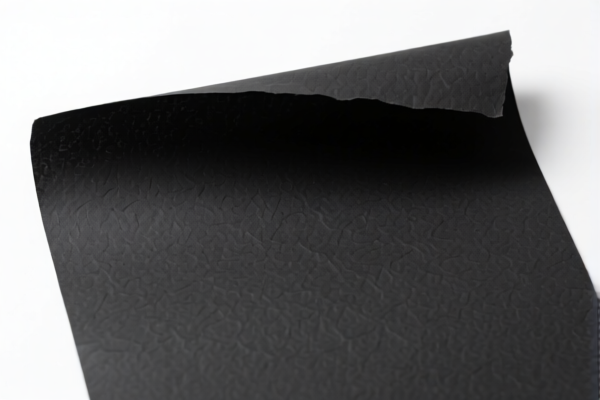
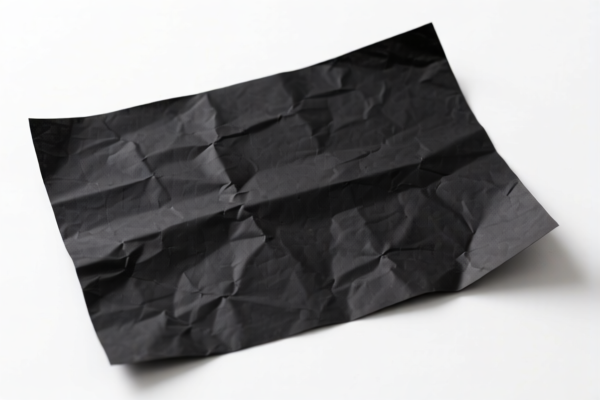
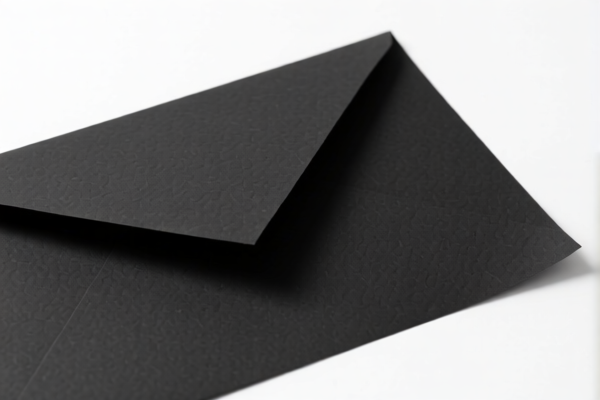
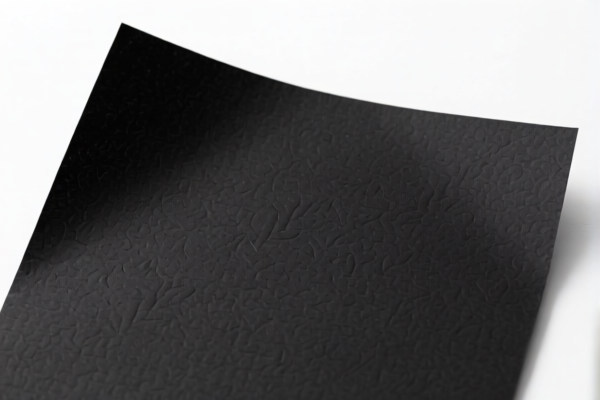
AI分析
🖤⚪️ Carbon Paper (Black and White)
🌐 HS Code Reference & Customs Clearance Guide | 2026 Latest Tariff Analysis | Professional Strategy for US Imports
📌 Part I: Product Definition & Classification: Do You Truly Understand "Carbon Paper"?
Carbon paper, historically the backbone of duplication before digital printing, remains a niche but critical item in industrial forms, specialized writing systems, and archival processes. In international trade, it is strictly defined by its carbonized coating used to transfer impression from one sheet to another.
While "Black and White" describes the visual output, the classification hinges on the material base (paper/cardboard) and the manufacturing process (coating/impregnation).
⚠️ Key Classification Distinctions:
- True Carbon Paper: Sheets impregnated with carbon or other pigments to transfer ink/pressure. This is the primary category. - Self-Writing Paper: Papers pre-coated on one side to write without a separate carbon sheet (often grouped similarly but technically distinct). - Plain vs. Coated: Carbon paper is never "plain"; it is always a coated or surface-treated paper.
📦 Part II: HS Code Classification Matrix (2026 Latest Tariff Authority)
Based on the specific characteristics of Black and White Carbon Paper, the following HS Codes are applicable. Note that all entries below reflect the specific summary provided in the data source.
| HS Code | Product Description & Summary Match | Key Attribute |
|---|---|---|
4816.20.00.00 |
Carbon Paper: The product name and classification explanation are fully consistent. Material and usage match perfectly. | Core Classification: Standard Carbon Paper |
4816.90.01.00 |
Other Carbon Paper: Product name and classification fully match in usage and form. | Alternative Classification: Other carbon-based papers not elsewhere specified |
4809.20.20.00 |
Carbon Paper (Impregnated): Product name and classification explanation are fully consistent. Material and usage match. | Process-Based: Impregnated/Coated Paper |
4809.20.40.00 |
Self-Writing Carbon Paper: Product name and classification for "self-writing carbon paper" are fully consistent in usage and material attributes. | Specific Type: Self-writing variant |
4811.49.21.00 |
Carbon Paper (Rolled/Sheet): Material belongs to paper/cardboard; usage belongs to coated/surface-treated paper; form matches roll or rectangular sheet characteristics. | Form-Based: Treated paper in rolls/sheets |
🔍 Critical Note:
- The US Harmonized Tariff Schedule (HTSUS) groups carbon paper under Chapter 48 (Paper and Paperboard). - While4816.20is the most direct heading for "Carbon Paper," customs may also look at4809(Copy and Transfer Papers) or4811(Processed Paper) depending on the specific coating technology and packaging form (rolls vs. sheets). - All the HS codes listed above carry the same tax burden due to US trade policy.
💰 Part III: 2026 Latest Tariff Rate Breakdown (Including Surtaxes & Policy Add-ons)
✅ Applicable Country: United States (US)
✅ Country of Origin: China (CN)
✅ Effective Date: November 10, 2025 onwards (for all subsequent imports)
🎯 1. Universal Tax Rate for All Listed HS Codes
(Applies to 4816.20.00.00, 4816.90.01.00, 4809.20.20.00, 4809.20.40.00, 4811.49.21.00)
| Item | Details |
|---|---|
| Base Tariff Rate | 0.0% (ad valorem) |
| Section 301 Surtax | +25.0% (Added tariff under US Trade Act Section 301) |
| Section 122 Tariff | +10.0% (Additional duty under Section 122 provisions) |
| Total Effective Tax Rate | 35.0% |
| Tax Calculation | CIF Value × 35% |
| De Minimis Exemption? | ❌ NO (deny_de_minimis applies) |
| Legal Authority Path | Base HTS → Section 301: 9903.88.01 → Section 122: 9903.xx → 35% Total |
📌 Explanation:
- Base Rate (0%): Carbon paper is not subject to the standard WTO baseline duty. - Section 301 (25%): This is the primary punitive tariff on Chinese goods, applied to most paper products. - Section 122 (10%): An additional surcharge triggered by specific trade enforcement actions. - Total (35%): This is a significant cost increase. For example, on a $10,000 shipment, you will pay $3,500 in duties alone. - No De Minimis: Unlike some low-value items, carbon paper shipments cannot use the $800 de minimis exemption to avoid duties.
🛠️ Part IV: Customs Clearance Practical Advice (Avoiding Pitfalls)
✅ 1. Required Documentation Checklist
| Document | Mandatory? | Purpose |
|---|---|---|
| ✅ Product Specification Sheet | ✔️ | Must state: "Carbon Paper," material composition (e.g., "carbon-impregnated paper"), dimensions, and coating type. |
| ✅ Commercial Invoice | ✔️ | Must clearly declare HS Code (e.g., 4816.20.00.00) and Value. Do not use vague terms like "Office Supplies." |
| ✅ Packing List | ✔️ | Detail weight, quantity, and packaging (rolls vs. sheets). |
| ✅ Certificate of Origin | ✔️ | Essential for verifying Chinese origin to apply the correct 35% rate. |
| ✅ Photos of Product & Labeling | ✔️ | To prove the product is indeed carbon paper and not general coated paper or ink pads. |
✅ 2. Declaration Strategy (Key Mantras)
🔥 “Be Precise on Material, Declare Correctly, Avoid Penalties!”
| Scenario | Correct Declaration | Incorrect Declaration | Consequence |
|---|---|---|---|
| Standard Carbon Paper (Sheets) | 4816.20.00.00 |
"Copy Paper" or "Plain Paper" | Misclassification Penalty + Back Duties |
| Self-Writing Paper | 4809.20.40.00 |
"Carbon Paper" | Potential delay if function differs significantly |
| Carbon Paper in Rolls | 4811.49.21.00 |
"Industrial Cardboard" | Wrong Chapter → Higher Scrutiny |
| Mixed Pack (Carbon + Plain) | Separate Line Items | Single Line Item "Paper Mix" | Customs Seizure Risk |
✅ 3. Special Handling Tips
| Situation | Recommendation |
|---|---|
| OEM/Custom Sizes | Provide manufacturer specs showing the carbon coating process. This supports classification under 4816 or 4809. |
| Export to Non-China Origins | If the paper is produced in Vietnam or India (not China), the 35% surtax does NOT apply. Ensure COO is accurate. |
| Bulk Roll Imports | Clarify if rolls are "finished carbon paper" or "base paper for further processing." The former is 4816/4811; the latter may differ. |
| Small Samples | Even small quantities are subject to the 35% tariff. Do not attempt to under-declare value to use de minimis. |
🌍 Part V: Global Market Comparison (2026 Update)
| Country/Region | Recommended HS Code | Tariff Rate (China Origin) | Notes |
|---|---|---|---|
| 🇺🇸 USA | 4816.20.00.00 |
35% (0% Base + 25% Sec 301 + 10% Sec 122) | High barrier. Cost-sensitive. |
| 🇨🇳 China | 4816.20.00.00 |
5% | Standard import duty. No surtaxes. |
| 🇪🇺 EU | 4816.20.00.00 |
6.5% | Standard MFN rate. No US-style surtaxes. |
| 🇬🇧 UK | 4816.20.00.00 |
6.5% | Post-Brexit tariff structure applies. |
| 🇯🇵 Japan | 4816.20.00.00 |
5.0% | Generally low duty. |
📌 Strategic Insight:
The US market is uniquely expensive for Chinese carbon paper due to the叠加 (stacked) Section 301 and Section 122 tariffs.
- Cost Mitigation: Consider sourcing carbon paper from non-Chinese origins (e.g., Malaysia, Vietnam, Thailand) if possible to avoid the 35% hit.
- Pricing Strategy: Factor the 35% duty into your landed cost calculation immediately. Do not underestimate this liability.
📌 Part VI: Common Errors & Pitfalls (Lessons Learned)
❌ Error 1: Declaring "Carbon Paper" as "General Paper" or "Copy Paper"
👉 Result: Customs may reclassify to a higher general duty rate or penalize for misdeclaration.
👉 Correction: Always use the specific HS Code 4816.20.00.00 or the most accurate alternative from the list.
❌ Error 2: Ignoring Section 122 Surtax
👉 Result: Underpaying duties by 10%.
👉 Correction: Ensure your customs broker applies both the 25% (Sec 301) and 10% (Sec 122) surcharges.
❌ Error 3: Using De Minimis for Small Shipments
👉 Result: Cargo detained, fines issued.
👉 Correction: All carbon paper imports from China are subject to full duty, regardless of value.
✅ Correct Declaration Example:
"CARBON PAPER, BLACK AND WHITE, IMPREGNATED WITH CARBON, 210x297mm, 100 Sheets/Box, HS: 4816.20.00.00, Origin: China"
🎯 Part VII: Conclusion: Precision in Classification Saves Money!
🎯 Remember These Key Points:
🔹 "Carbon Paper = 35% Total Duty (US from China)"
🔹 "Base 0% + 301 (25%) + 122 (10%) = 35%"
🔹 "HS Code 4816.20.00.00 is the safest primary choice"
🔹 "No De Minimis Exemption!"
📌 Pro Tip:
If you are importing large volumes, consider applying for a Section 301 Exclusion (if applicable) or working with a licensed customs broker to verify the exact material composition to ensure you are not over-classified. Also, verify if the product qualifies as "Self-Writing Paper" (4809.20.40.00) if it lacks a separate carbon layer, though the tax rate remains the same.
📣 Immediate Action:
📞 Consult a US Customs Broker
📄 Prepare Detailed Product Specs
💰 Calculate Landed Cost with 35% Duty
🚀 Clear Customs Smoothly, Protect Your Margin!
✨ Professional Clearance Starts with Accurate Classification!
💼 Every Percentage Point Counts in International Trade!
用户评价
关于 HS 编码归类
协调制度(HS)是由世界海关组织(WCO)制定的国际贸易商品分类标准。全球 200 多个国家采用 HS 系统作为海关关税、贸易统计和进出口监管的基础。
每个 HS 编码遵循以下层级结构:
- 章(2 位)——商品大类(例如:第 84 章:机器和机械设备)
- 品目(4 位)——章内的更具体分类
- 子目(6 位)——国际通用细分,所有 WCO 成员国统一使用
- 本国细分(8-10 位)——各国自行扩展的细分编码,如美国 HTSUS 10 位编码
正确的 HS 编码归类对于顺利通关、准确缴纳关税和遵守贸易法规至关重要。错误归类可能导致海关延误、多缴关税或罚款。
从CN进口到US时,适用的关税税率可能包括:
- 最惠国(MFN)税率——适用于 WTO 成员国的标准关税税率
- 普通税率——适用于无贸易协定国家
- 贸易救济关税——附加关税,如 301 条款(反倾销)、232 条款(国家安全)或反补贴税
本页内容仅供参考。如需正式归类,请咨询当地海关或持牌报关代理。