Bleached Cotton Fabric
CN → US| HS编码 | 关税税率 | 原产国 | 目的国 | 文档 |
|---|---|---|---|---|
| 5407810020 | 49.9% | CN | US | 官方文档 |
| 5208212040 | 43.4% | CN | US | 官方文档 |
| 5212126090 | 42.8% | CN | US | 官方文档 |
| 5212226090 | 42.8% | CN | US | 官方文档 |
商品图片
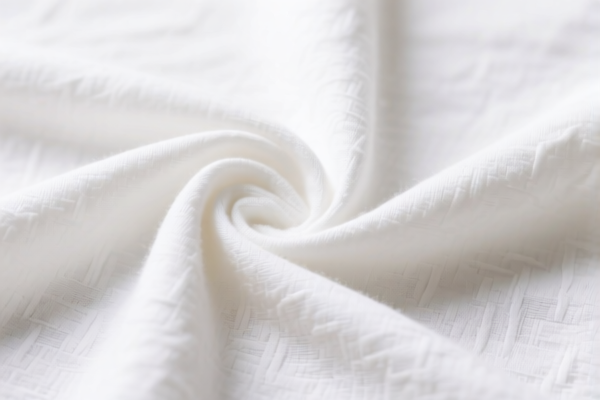
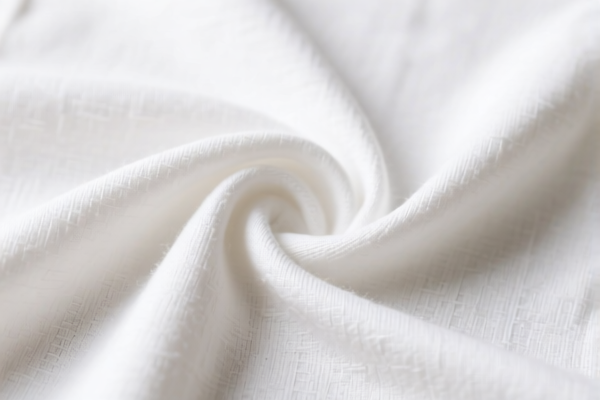

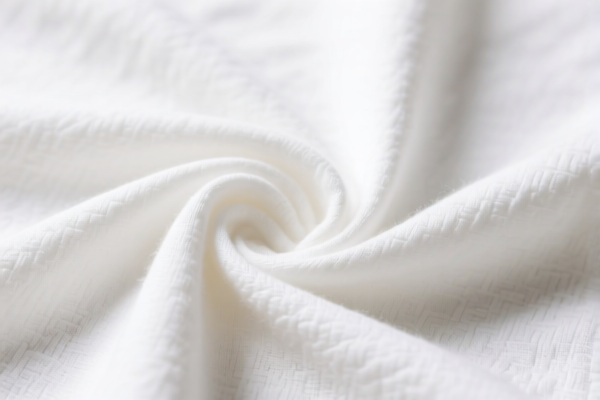
AI分析
🧵 Bleached Cotton Fabric (Industrial Grade)
🌐 HS Code Reference & Customs Clearance Guide | 2026 Latest Tariff Analysis | Professional Clearance Strategy 📌 I. Product Definition & Classification: Do You Truly Understand "Bleached Cotton Fabric"?
Bleached cotton fabric is a fundamental industrial material used in packaging, medical supplies, cleaning cloths, and industrial filters. In international trade, specifically when importing into the United States from China, it is strictly categorized by composition (100% cotton vs. blends) and weave structure (plain weave vs. others).
The core distinction lies in:
1. Material Composition: Is it 100% Cotton (Chapter 52) or a Cotton Blend (Chapter 54/55)?
2. Processing State: Is it strictly Bleached (White, no dye/print)?
⚠️ Critical Distinction: - If the fabric contains any synthetic fibers (e.g., polyester, nylon) blended with cotton → It falls under Chapter 54 (Synthetic Filaments) or Chapter 55 (Staple Fibers), specifically heading 5407 for woven fabrics of synthetic filament yarn. - If the fabric is 100% Cotton → It falls under Chapter 52 (Cotton), specifically headings 5208 (Woven fabric of cotton, weighing ≤ 200g/m²) or 5212 (Other woven cotton fabrics).
📦 II. HS Code Classification Details (2026 Latest Tariff Authority Cross-Reference)
Based on the provided data, here are the precise classifications for Industrial Bleached Cotton Fabric:
| HS Code | Product Description | Application Scenario | Material Composition |
|---|---|---|---|
5407.81.00.20 |
Industrial Bleached Cotton Fabric, Cotton Blend, Plain Weave | Packaging bags, general industrial cloths, mixed-fiber textiles | ✅ Cotton Blend (Contains synthetic fibers) |
5208.21.20.40 |
Industrial Bleached Cotton Fabric, 100% Cotton, Bleached Process | Lightweight industrial wipes, medical gauze, high-quality filters | ✅ 100% Cotton (Weighing ≤ 200g/m² typically) |
5212.12.60.90 |
Industrial Bleached Cotton Fabric, 100% Cotton, Machine-Woven | Heavy-duty industrial canvases, upholstery backing, specialized filters | ✅ 100% Cotton (Other woven, > 200g/m² or different spec) |
5212.22.60.90 |
Industrial Bleached Cotton Fabric, 100% Cotton, Woven Fabric | General industrial bleached cloth, compliant with cotton textile limits | ✅ 100% Cotton (Other woven cotton) |
🔍 Key Reminder: -
5407.81.00.20is the only code for Blended fabrics in this dataset. If your fabric is a mix of cotton and polyester, you MUST use this code, even if cotton is the dominant fiber. -5208and5212codes are exclusively for 100% Cotton. Using a 52xx code for a blend will result in misdeclaration, fines, and potential seizure. - "Bleached" Status: All listed codes require the fabric to be chemically bleached white. If it is dyed or printed, these codes are invalid.
💰 III. 2026 Latest Tariff Rate Breakdown (Including Surtaxes, Policy Surcharges)
✅ Applicable Country: United States (US) ✅ Origin: China (CN) ✅ Effective Time: 2025/2026 (Current Trade War Context)
🎯 1. 5407.81.00.20 —— Industrial Bleached Cotton Fabric (Cotton Blend)
| Item | Content |
|---|---|
| Base Tariff | 14.9% (Standard MFN Rate) |
| Section 301 Surtax | +25.0% (Trade War Surtax) |
| Section 122 Surtax | +10.0% (Specific China-related surcharge) |
| Total Tax Rate | 49.9% |
| Tax Calculation | CIF Value × 49.9% |
| De Minimis Exemption | ❌ Not Eligible (deny_de_minimis applies to textile/surfactants/categories under trade restrictions) |
| Legal Basis Path | HTSUS:5407.81.00.20 → Section 301: Footnote 9903.88.01 → Section 122: IEEPA Provisions |
📌 Explanation: - 14.9% Base: Standard duty for woven fabrics of synthetic filament yarn (blend category). - 25% Surtax: Applies to almost all Chinese textile products under Section 301. - 10% Surtax: Specific "Section 122" tariff added for certain textile imports to protect domestic capacity. - Total 49.9%: This is a prohibitive tariff. Profit margins will be heavily impacted.
🎯 2. 5208.21.20.40 —— Industrial Bleached Cotton Fabric (100% Cotton)
| Item | Content |
|---|---|
| Base Tariff | 8.4% (Standard MFN Rate) |
| Section 301 Surtax | +25.0% (Trade War Surtax) |
| Section 122 Surtax | +10.0% (Specific China-related surcharge) |
| Total Tax Rate | 43.4% |
| Tax Calculation | CIF Value × 43.4% |
| De Minimis Exemption | ❌ Not Eligible |
| Legal Basis Path | HTSUS:5208.21.20.40 → Section 301: Footnote 9903.88.01 → Section 122: IEEPA Provisions |
📌 Note: - Lower base rate (8.4%) compared to blends (14.9%), but still subject to the same heavy surcharges. - Suitable for lightweight industrial applications (e.g., medical wipes, packaging).
🎯 3. 5212.12.60.90 & 5212.22.60.90 —— Other Industrial Bleached Cotton Fabrics (100% Cotton)
| Item | Content |
|---|---|
| Base Tariff | 7.8% (Standard MFN Rate) |
| Section 301 Surtax | +25.0% (Trade War Surtax) |
| Section 122 Surtax | +10.0% (Specific China-related surcharge) |
| Total Tax Rate | 42.8% |
| Tax Calculation | CIF Value × 42.8% |
| De Minimis Exemption | ❌ Not Eligible |
| Legal Basis Path | HTSUS:5212.12.60.90 / 5212.22.60.90 → Section 301: Footnote 9903.88.01 → Section 122: IEEPA Provisions |
📌 Explanation: - Lowest Base Rate: 7.8% is the lowest among all listed codes. - Total 42.8%: This is the most cost-effective option if your fabric is 100% Cotton and fits the "Other Woven" criteria (typically heavier weight or specific weave types). - Use Case: Ideal for industrial cleaning cloths, filters, or heavy-duty canvas where the fabric weight or weave doesn't fit the <200g/m² limit of 5208.
🛠️ IV. Customs Clearance Practical Advice (Battle-Tested Pitfall Avoidance)
✅ 1. Documentation Checklist (Non-Negotiable)
| Document | Must Provide | Notes |
|---|---|---|
| ✅ Commercial Invoice | ✔️ | Must clearly state: "Bleached Cotton Fabric, [HS Code], Made in China". Do not use generic terms like "Textile Material." |
| ✅ Packing List | ✔️ | Detail gross/net weight, dimensions, and bundle count. |
| ✅ Product Specification Sheet | ✔️ | Must include: Fiber Content (e.g., 100% Cotton or 65% Cotton/35% Polyester), Weave Type (Plain, Twill), Weight (g/m²), and Bleaching Status. |
| ✅ Bleaching Certificate | ✔️ | Proof that the fabric has undergone the bleaching process (chemical white). If dyed, this is false declaration. |
| ✅ Bill of Lading (B/L) | ✔️ | Ensure consignee and shipper details match the invoice exactly. |
| ✅ Section 301 Exclusion (If Applicable) | ❓ | Check if your specific HS code was part of any recent exclusion lists. (Unlikely for textiles in 2026, but verify). |
✅ 2. Declaration Strategy (Key Mnemonics)
🔥 “Blend to 54, Cotton to 52, Weight Matters, Bleach is Key!”
| Scenario | Correct HS Code | Incorrect Declaration | Consequence |
|---|---|---|---|
| 65% Cotton / 35% Polyester | 5407.81.00.20 |
Claiming 100% Cotton | 49.9% Tax (Correct) vs. 43.4% Tax (Risk of Penalty if caught) |
| 100% Cotton, Lightweight (<200g/m²) | 5208.21.20.40 |
Claiming 5212 | 43.4% Tax (Correct) vs. 42.8% Tax (Minor saving, but wrong if weight is wrong) |
| 100% Cotton, Heavy/Other Weave | 5212.12.60.90 |
Claiming 5208 | 42.8% Tax (Correct) vs. 43.4% Tax (Higher tax if misclassified as 5208) |
| Dyed/Printed Fabric | NONE of the above | Claiming Bleached | Refusal of Entry, Seizure, Fines |
✅ 3. Special Case Handling
| Situation | Handling Advice |
|---|---|
| OEM Custom Fabric | Provide the Customer’s Design Spec Sheet. Clearly label as "Custom Bleached Cotton Fabric for [End Use]." |
| Hybrid Shipments (Cotton + Synthetic) | Split the Declaration. Do not mix 100% cotton and blend lots in one line item. Declare separately to avoid audit flags. |
| Small Sample Shipment (< $800) | ❌ Do Not Rely on De Minimis. Textiles are often exempted or scrutinized. Even if under $800, expect 42-49% duty unless a specific waiver exists. |
| Re-export from Mexico/Vietnam | If the fabric is shipped via Mexico/Vietnam but Chinese-origin, the Rules of Origin still trace back to China. Surtaxes will still apply. Transshipment without substantial transformation is illegal. |
🌍 V. Global Market Comparison (2026 Latest)
| Country/Region | Recommended HS Code | Total Tariff (China Origin) | Certification | Notes |
|---|---|---|---|---|
| 🇺🇸 USA | 5208.21.20.40 / 5407.81.00.20 |
42.8% - 49.9% | None specific | Highest Duty. Section 122 + 301 applies. |
| 🇨🇳 China | Same as above | 7.8% - 14.9% | GB Standard | No surtaxes. Lowest cost. |
| 🇪🇺 EU | 5208/5407 | 0% - 12% | REACH | No Section 301. Much more competitive. |
| 🇨🇦 Canada | 5208/5407 | 0% - 12% | CCS | CUSMA benefits if non-China origin. |
📌 Conclusion: - USA is the most expensive market for Chinese bleached cotton fabric due to the 42-50% effective duty rate. - EU and Canada offer significantly lower barriers, making them attractive alternatives for cost-sensitive buyers. - Cost Optimization: If sourcing from China, consider duty drawback programs if re-exporting, or verify if any specific exclusions apply to your exact mill finish.
📌 VI. Common Errors & Pitfalls (Blood & Tears Lessons)
❌ Error 1: Declaring a Polyester-Cotton Blend as 100% Cotton 👉 Consequence: You might save 7.1% (14.9% vs 7.8%), but if CBP audits and finds polyester threads, you face civil penalties and fraud allegations. 👉 Fix: Always provide fiber content analysis from the mill.
❌ Error 2: Using "Cotton Fabric" as the Description 👉 Consequence: CBP may classify it under the highest possible duty rate or flag it for inspection due to lack of detail. 👉 Fix: Use "Bleached Woven Cotton Fabric, [Weight] gsm, [Weave] Type".
❌ Error 3: Ignoring the Section 122 Surcharge 👉 Consequence: Calculating only 301 (25%) and missing the 10% adds a 10% hidden cost. 👉 Fix: Budget for 42-50% total landed cost.
✅ Correct Practice:
"Industrial Bleached Cotton Fabric, 100% Cotton, Plain Weave, 150gsm, White Color, HS 5208.21.20.40, Origin: China"
🎯 VII. Conclusion: Precision in Classification, Profit in Clearance
🎯 Remember the Mantra:
🔹 "Blend is 49.9%, Cotton is 43%, 100% Pure is Cheapest." 🔹 "Bleach is Key, Weight is King, Origin is Truth." 🔹 "HS Code Determines Profit, Misclassification Destroys Margin!"
📌 Pro Tip:
If you are importing large volumes, consider Applying for an Advance Ruling from CBP to lock in the HS Code classification and avoid post-entry audits. For blends, ensure the percentage of cotton is certified by a third-party lab (e.g., SGS, Intertek) to support the 5407 classification if cotton is <50%, or 52xx if >50% but blended (check specific chapter notes for fiber weight dominance).
📣 Immediate Action:
📞 Contact a licensed customs broker + Provide Mill Test Report + Verify Fiber Content 🚀 Ensure your Invoice Description matches the HS Code Definition exactly. 💼 Your profit margin depends on getting the 7.8% vs 14.9% base rate right!
✨ Professional Clearance Starts with Accurate Classification! 💼 Every percentage point counts!
用户评价
关于 HS 编码归类
协调制度(HS)是由世界海关组织(WCO)制定的国际贸易商品分类标准。全球 200 多个国家采用 HS 系统作为海关关税、贸易统计和进出口监管的基础。
每个 HS 编码遵循以下层级结构:
- 章(2 位)——商品大类(例如:第 84 章:机器和机械设备)
- 品目(4 位)——章内的更具体分类
- 子目(6 位)——国际通用细分,所有 WCO 成员国统一使用
- 本国细分(8-10 位)——各国自行扩展的细分编码,如美国 HTSUS 10 位编码
正确的 HS 编码归类对于顺利通关、准确缴纳关税和遵守贸易法规至关重要。错误归类可能导致海关延误、多缴关税或罚款。
从CN进口到US时,适用的关税税率可能包括:
- 最惠国(MFN)税率——适用于 WTO 成员国的标准关税税率
- 普通税率——适用于无贸易协定国家
- 贸易救济关税——附加关税,如 301 条款(反倾销)、232 条款(国家安全)或反补贴税
本页内容仅供参考。如需正式归类,请咨询当地海关或持牌报关代理。