Bleached Cotton Fabric with Printed Base
CN → US| HS编码 | 关税税率 | 原产国 | 目的国 | 文档 |
|---|---|---|---|---|
| 5516440010 | 43.5% | CN | US | 官方文档 |
| 5516440027 | 43.5% | CN | US | 官方文档 |
| 5514410020 | 49.9% | CN | US | 官方文档 |
| 5513499090 | 43.5% | CN | US | 官方文档 |
| 5514410030 | 49.9% | CN | US | 官方文档 |
商品图片
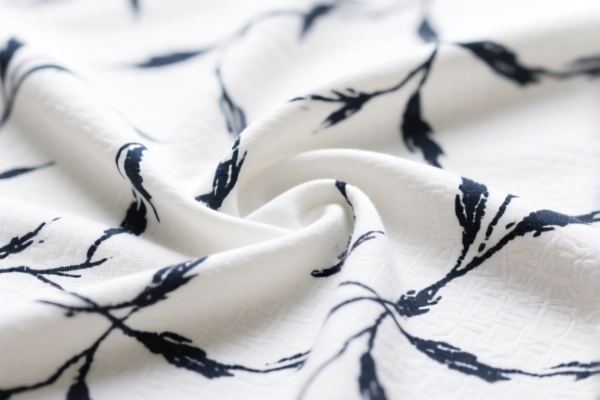
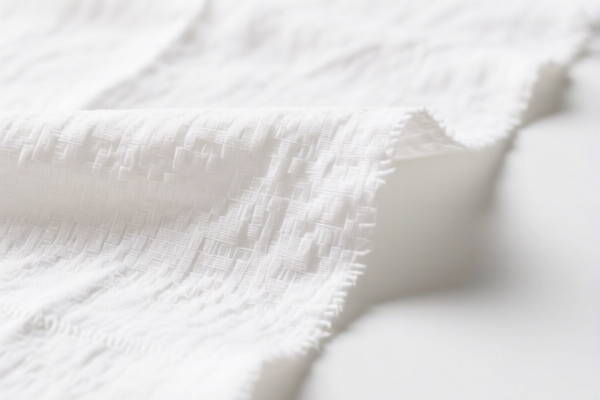
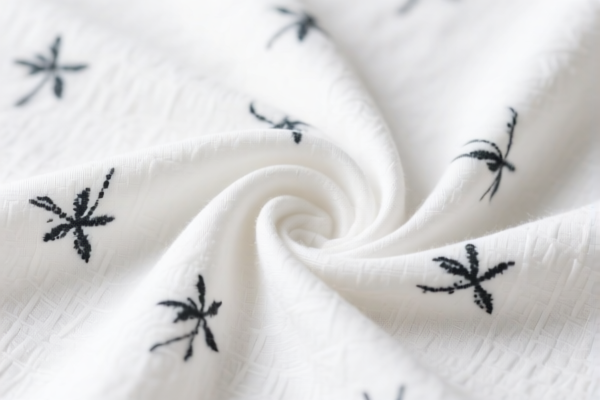
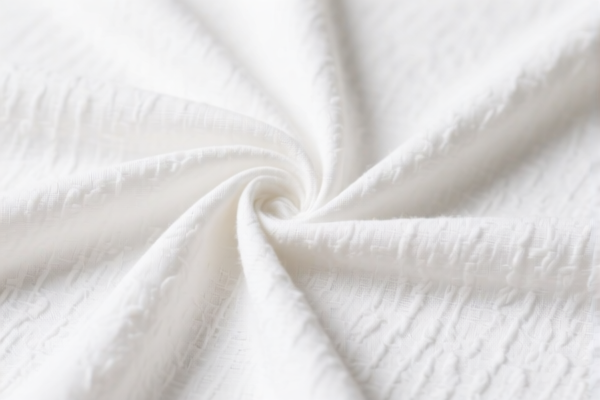
AI分析
🧵 Bleached Cotton Fabric with Printed Base (Synthetic/Cotton Blend)
🌐 HS Code Reference & Customs Clearance Guide | 2024 Latest Tariff Analysis | Professional通关 Strategy for US Imports
📌 I. Product Definition & Classification: What Exactly Is This Fabric?
Bleached Synthetic Short-fiber/Cotton Blend Printed Fabric refers to woven fabrics where the base material is a blend of synthetic short fibers (such as polyester or acrylic) and cotton. The fabric undergoes a bleaching process to remove natural color impurities, followed by printing (patterns, designs, or motifs) to create the final appearance.
Key Classification Criteria: 1. Material Composition: It is a blend of synthetic short fibers and cotton. 2. Processing State: Bleached (whitened) and Printed. 3. Structure: Typically plain weave or twill (often specified as "poplin" or similar in specific subheadings). 4. Import Destination: Based on the tax details provided (Section 301 tariffs, IEEPA surcharges), this guide focuses on imports into the United States from China.
⚠️ Critical Distinction:
- If the synthetic fiber content is ≥85%, it falls under different headings (e.g., 5514.xx).
- If the synthetic fiber content is <85% and blended with cotton, it generally falls under 5513.xx or 5516.xx depending on the specific synthetic fiber type and weight.
- The provided data highlights specific subheadings where the synthetic/cotton blend ratio and specific fabric structure (plain/weave) dictate the precise HS Code.
📦 II. HS Code Classification Details (2024/2025 Tariff Schedule)
Based on the provided data, here are the applicable HS Codes for Bleached Synthetic Short-fiber/Cotton Blend Printed Fabric. Note that while the description is similar, the base tariff differs slightly due to specific regulatory interpretations or sub-category nuances.
| HS Code | Product Description (Summary) | Key Classification Elements | Total Tax Rate (US→CN) |
|---|---|---|---|
| 5516.44.00.10 | Bleached synthetic short-fiber/cotton blend printed fabric. Material: Artificial short fibers blended with cotton. Form: Printed fabric. Structure: Plain weave or poplin. | - Bleached - Printed - Artificial Short Fiber + Cotton - Plain/Poplin |
43.5% |
| 5516.44.00.27 | Bleached synthetic short-fiber/cotton blend printed fabric. Material: Cotton blended with artificial short fibers. Form: Printed fabric. Classification: "Other" category. | - Bleached - Printed - Artificial Short Fiber + Cotton - Other unspecified structure |
43.5% |
| 5514.41.00.20 | Bleached synthetic short-fiber/cotton blend printed fabric. Material: Meets synthetic short fiber + cotton blend requirements. Form: Plain weave printed fabric. | - Bleached - Printed - Synthetic Short Fiber + Cotton - Higher Base Duty |
49.9% |
| 5513.49.90.90 | Bleached synthetic short-fiber/cotton blend printed fabric. Synthetic fiber content <85%, blended with cotton. Form: Printed textile. | - Bleached - Printed - Synthetic <85% + Cotton - General Printed Textile |
43.5% |
| 5514.41.00.30 | Bleached synthetic short-fiber/cotton blend printed fabric. Material and form fully meet classification requirements. | - Bleached - Printed - Synthetic Short Fiber + Cotton - Specific Regulatory Fit |
49.9% |
🔍 Key Takeaway:
- Codes 5516.44.00.10 and 5516.44.00.27 share the same total rate (43.5%) but differ in specific regulatory sub-categories.
- Codes 5514.41.00.20 and 5514.41.00.30 carry a higher total rate (49.9%) due to a higher Base Duty (14.9%).
- Code 5513.49.90.90 is a catch-all for printed fabrics with <85% synthetic content, carrying the lower 43.5% total rate.
💰 III. 2024/2025 Detailed Tariff Rate Breakdown
✅ Applicable Country: United States (US)
✅ Origin: China (CN)
✅ Effective Time: Current trade policies (Section 301 & IEEPA)
🎯 1. HS Codes with 43.5% Total Tax Rate
(Applies to: 5516.44.00.10, 5516.44.00.27, 5513.49.90.90)
| Item | Detail |
|---|---|
| Base Duty Rate | 8.5% (Ad Valorem) |
| Section 301 Surcharge | +25.0% (Additional Tariff on Chinese Goods) |
| IEEPA / 122-Clause Surcharge | +10.0% (Additional Tariff on Chinese Textiles/Goods) |
| Total Effective Rate | 43.5% |
| Tax Calculation | CIF Value × 43.5% |
| De Minimis Eligibility | ❌ No (Deny De Minimis) – Small shipments are NOT exempt |
| Legal Basis Path | USITC:5516.44.00.10/27 → FOOTNOTE:301 → IEEPA:122-Clause |
📌 Explanation:
- The Base Duty (8.5%) is the standard Most-Favored-Nation (MFN) rate for woven synthetic-cotton blends.
- The 25% Section 301 Tariff is applied to all Chinese-origin textiles in this category under USTR exclusion lists.
- The 10% IEEPA Surcharge (often referred to as the "122 Clause" in specific trade contexts) applies to Chinese goods under the International Emergency Economic Powers Act.
- Total: 8.5% + 25% + 10% = 43.5%. This is a high-cost item for importers.
🎯 2. HS Codes with 49.9% Total Tax Rate
(Applies to: 5514.41.00.20, 5514.41.00.30)
| Item | Detail |
|---|---|
| Base Duty Rate | 14.9% (Ad Valorem) |
| Section 301 Surcharge | +25.0% (Additional Tariff on Chinese Goods) |
| IEEPA / 122-Clause Surcharge | +10.0% (Additional Tariff on Chinese Textiles/Goods) |
| Total Effective Rate | 49.9% |
| Tax Calculation | CIF Value × 49.9% |
| De Minimis Eligibility | ❌ No (Deny De Minimis) |
| Legal Basis Path | USITC:5514.41.00.20/30 → FOOTNOTE:301 → IEEPA:122-Clause |
📌 Explanation:
- The Base Duty (14.9%) is significantly higher than the 5516 category, reflecting stricter classification or higher value assignment for specific synthetic blends.
- The 25% + 10% surcharges remain the same.
- Total: 14.9% + 25% + 10% = 49.9%. This represents the maximum tariff burden for this product type.
🛠️ IV. Customs Clearance Practical Advice (Battle-Tested Guide)
✅ 1. Required Documentation Checklist (Non-Negotiable)
| Document | Required? | Purpose/Note |
|---|---|---|
| Commercial Invoice | ✅ Yes | Must clearly state: "Bleached Synthetic Short-Fiber/Cotton Blend Printed Fabric", HS Code, Country of Origin: China. |
| Packing List | ✅ Yes | Must detail net/gross weight, number of rolls, and dimensions. |
| Bill of Lading (B/L) | ✅ Yes | Consignee/Shipper details must match invoice. |
| Product Specification Sheet | ✅ Yes | Critical: Must detail fiber composition % (e.g., 65% Polyester, 35% Cotton), weave type (plain/twill), bleaching status, and printing method. |
| Certificate of Origin (CO) | ✅ Yes | Required to prove origin is China (for 301/IEEPA application). |
| Import License/Quota | ❌ No | Generally not required for this textile category, but verify latest CBP rules. |
✅ 2. Declaration Strategy (Key Tips)
🔥 "Be Specific on Fiber, Be Clear on Process, Avoid Ambiguity!"
| Scenario | Correct Declaration | Incorrect Declaration | Consequence |
|---|---|---|---|
| Fiber Composition | "65% Polyester, 35% Cotton, Bleached, Printed" | "Cotton Fabric" or "Polyester Fabric" | Misclassification → Higher duty, penalties, or seizure. |
| Processing State | "Bleached and Printed" | "Yarn-Dyed" or "Dyed" | Incorrect HS → If it's actually dyed, not printed, the HS Code changes. |
| Structure | "Plain Weave" or "Poplin" | "Fabric" | Unclear → Customs may assign higher "Other" category duty (e.g., 49.9%). |
| Origin | "Made in China" | "Assembled in Vietnam" (if false) | Smuggling → Severe penalties, loss of importer trust. |
✅ 3. Special Handling for "Bleached" vs "Dyed"
- Bleached: The fabric is white/neutral, with patterns added later via printing. → Use Printed HS Codes (5516, 5514, 5513).
- Yarn-Dyed: The yarns are colored before weaving. → NOT applicable here. If your fabric is yarn-dyed, the HS Code and tax rate will be different (often higher base duty).
- Piece-Dyed: The whole fabric is dyed one color. → NOT printed. → Different HS Code.
⚠️ Warning: If your fabric is yarn-dyed or piece-dyed and you declare it as printed, you face fraud allegations. Ensure your lab test report confirms "Printing" (ink applied to surface).
🌍 V. Global Market Comparison (2024/2025)
| Country/Region | Recommended HS Code | Base Duty | Additional Tariffs (China) | Total Effective Rate | Notes |
|---|---|---|---|---|---|
| 🇺🇸 USA | 5516.44.00.10/27 | 8.5% | +35% (301+IEEPA) | 43.5% | High barrier. Use 5514 only if mandatory. |
| 🇺🇸 USA | 5514.41.00.20/30 | 14.9% | +35% (301+IEEPA) | 49.9% | Avoid if possible. |
| 🇪🇺 EU | 5514.41 / 5516.44 | 4-7% | 0% (Most Favored Nation) | 4-7% | No Section 301. Lower cost for EU market. |
| 🇨🇳 China | 5516.44 / 5514.41 | 8-14% | 0% | 8-14% | Re-imports or domestic sales. |
| 🇻🇳 Vietnam | 5516.44 | 0-5% | 0% | 0-5% | Consider supply chain relocation to avoid US tariffs. |
📌 Conclusion:
- US Imports: High cost (43.5%-49.9%). Profit margins are heavily impacted.
- Alternative Markets: EU and other markets offer significantly lower tariffs.
- Supply Chain Strategy: Consider sourcing from or assembling in Vietnam, Bangladesh, or India to avoid US Section 301/IEEPA tariffs.
📌 VI. Common Errors & Pitfalls (Lessons Learned)
❌ Error 1: Declaring "Cotton Fabric" when it's a blend.
👉 Result: Customs audits fiber content. If synthetic >50%, misclassification occurs → Higher Duty + Penalty.
❌ Error 2: Confusing "Printed" with "Dyed".
👉 Result: Printed fabrics have specific HS codes. If it's dyed, using a "Printed" HS Code is fraud → Seizure & Fines.
❌ Error 3: Ignoring the 122-Clause IEEPA Surcharge.
👉 Result: Many importers only calculate 301 (25%). The 10% IEEPA is additional. Failing to include it leads to underpayment → Interest & Penalties.
❌ Error 4: Using "General Fabric" as the product name.
👉 Result: Customs requires detailed description. Ambiguity leads to Hold → Demurrage Costs at port.
✅ Best Practice:
"Bleached, 65% Polyester/35% Cotton, Plain Weave, Printed Fabric, 5516.44.00.10, Made in China"
🎯 VII. Conclusion: Precision Saves Money!
🎯 Remember the Formula:
🔹 "Blend Matters: <85% Synthetic = 5513/5516 (43.5%) vs ≥85% = 5514 (49.9%)"
🔹 "301 + IEEPA = 35% Extra. Base Duty + 35% = Total Cost."
🔹 "Printed ≠ Dyed. Label Correctly to Avoid Fraud."
📌 Pro Tip:
If your fabric is high-value (e.g., fashion-grade prints), consider applying for a Harmonized Tariff Schedule (HTS) Exclusion if available, though rare for textiles. Alternatively, restructure supply chain to avoid China origin for US market.
📣 Immediate Action:
📞 Consult a Licensed Customs Broker
📋 Verify Fiber Content with Lab Test
🚀 Calculate Landed Cost: CIF × 43.5% (or 49.9%)
✨ Professional Customs Clearance Starts with Accurate Classification!
💼 Your Bottom Line Depends on These Details!
用户评价
关于 HS 编码归类
协调制度(HS)是由世界海关组织(WCO)制定的国际贸易商品分类标准。全球 200 多个国家采用 HS 系统作为海关关税、贸易统计和进出口监管的基础。
每个 HS 编码遵循以下层级结构:
- 章(2 位)——商品大类(例如:第 84 章:机器和机械设备)
- 品目(4 位)——章内的更具体分类
- 子目(6 位)——国际通用细分,所有 WCO 成员国统一使用
- 本国细分(8-10 位)——各国自行扩展的细分编码,如美国 HTSUS 10 位编码
正确的 HS 编码归类对于顺利通关、准确缴纳关税和遵守贸易法规至关重要。错误归类可能导致海关延误、多缴关税或罚款。
从CN进口到US时,适用的关税税率可能包括:
- 最惠国(MFN)税率——适用于 WTO 成员国的标准关税税率
- 普通税率——适用于无贸易协定国家
- 贸易救济关税——附加关税,如 301 条款(反倾销)、232 条款(国家安全)或反补贴税
本页内容仅供参考。如需正式归类,请咨询当地海关或持牌报关代理。