Bleached Fabric Over 170g/m²
CN → US| HS编码 | 关税税率 | 原产国 | 目的国 | 文档 |
|---|---|---|---|---|
| 5208226040 | 43.7% | CN | US | 官方文档 |
| 5208224040 | 43.4% | CN | US | 官方文档 |
| 5407619915 | 49.9% | CN | US | 官方文档 |
| 5407410060 | 48.6% | CN | US | 官方文档 |
商品图片

AI分析
👕 Bleached Fabric (>170g/m²): HS Code Classification & US Customs Clearance Guide
🌐 HS Code Reference & Customs Clearance Guide | 2026 Latest Tariff Analysis | Professional Compliance Strategy
📌 I. Product Definition: What is "Bleached Fabric Over 170g/m²"?
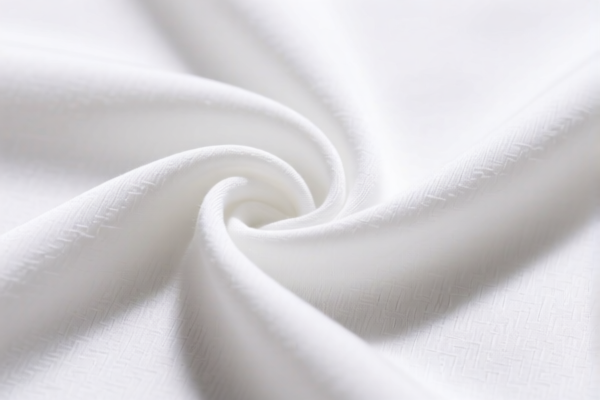
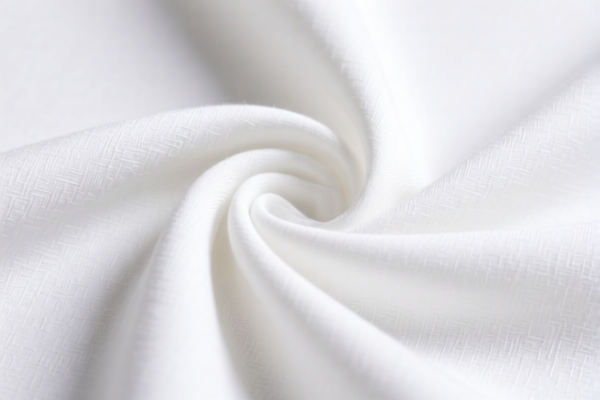
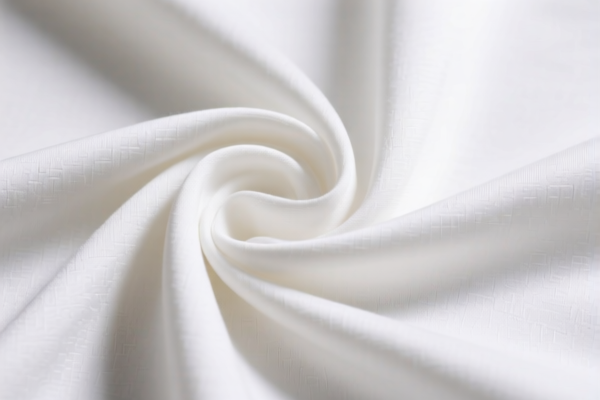
In international textile trade, "Bleached Fabric" refers to woven fabrics that have undergone chemical bleaching to achieve a white or off-white color. The specific threshold of "Over 170g/m²" (grams per square meter) is a critical classification boundary that determines both the HS Code and the applicable tariff rates, particularly for imports into the United States from China.
This category primarily includes: * Woven Fabrics: Made from yarns (cotton, polyester, or blends). * Weight Class: Heavyweight textiles (e.g., denim, heavy canvas, thick shirts, workwear materials). * Condition: Must be bleached (white/off-white). If dyed or printed, different codes apply.
⚠️ Key Distinction:
- Cotton vs. Synthetic: The material composition (Cotton vs. Polyester/Other Synthetic Fibers) is the primary determinant for HS Code selection.
- Weight Threshold: Fabrics ≤170g/m² often fall into different subheadings (e.g., 5208.22 vs. 5208.32 for cotton). Since your query specifies >170g/m², we focus on codes matching this weight range.
📦 II. HS Code Classification Matrix (2026 Latest Tariff Alignment)
Based on the provided data, here are the four most likely HS Codes for bleached fabrics over 170g/m², categorized by material:
| HS Code | Product Description | Material Type | Weight Logic | Total Tax Rate |
|---|---|---|---|---|
| 5208.22.60.40 | Bleached Woven Cotton Fabric | Cotton | 100-200 g/m² | 43.7% |
| 5208.22.40.40 | Bleached Woven Cotton Fabric | Cotton | ≤200 g/m² (Inferred >100g) | 43.4% |
| 5407.61.99.15 | Bleached Woven Fabric | Polyester Staple/Synthetic | >170 g/m² | 49.9% |
| 5407.41.00.60 | Bleached Woven Fabric | Other Synthetic Filament | >170 g/m² | 48.6% |
🔍 Critical Note:
- Cotton Fabrics (5208.22.xxxx): Typically used for shirts, dresses, and light apparel. The weight range 100-200g/m² covers most standard heavy-weight cotton bleached fabrics.
- Synthetic Fabrics (5407.41/61.xxxx): Typically used for uniforms, outdoor gear, or technical textiles. Polyester and other synthetics face higher base tariffs.
💰 III. 2026 US Tariff Breakdown (Including Section 301 & Section 122)
✅ Applicable Country: United States (US)
✅ Origin: China (CN)
✅ Effective Time: Current rates apply (Note: Section 122 and 301 tariffs are currently active)
🎯 1. 5208.22.60.40 & 5208.22.40.40 — Bleached Cotton Fabrics
| Item | Detail |
|---|---|
| Base Duty Rate | 8.7% (for .60.40) / 8.4% (for .40.40) |
| Section 301 Add-on | +25.0% |
| Section 122 Add-on | +10.0% |
| Total Effective Rate | 43.7% (for .60.40) 43.4% (for .40.40) |
| Calculation Basis | CIF Value × Total Rate |
| De Minimis Exemption | ❌ Not Eligible (Section 122 and 301 tariffs void the $800 de minimis exemption) |
| Legal Authority | USITC:5208.22.xxxx → Footnote:301 → Footnote:122 |
📌 Explanation:
- Base Rate: Standard MFN (Most Favored Nation) rate for bleached cotton woven fabric.
- Section 301 (25%): Retaliatory tariffs on Chinese goods under U.S. Trade Law Section 301.
- Section 122 (10%): Additional 10% duty on imports from China under Section 122 of the Trade Act of 1974.
- Total: ~43.4-43.7%. This is a high-cost category for US importers.
🎯 2. 5407.61.99.15 & 5407.41.00.60 — Bleached Synthetic Fabrics
| Item | Detail |
|---|---|
| Base Duty Rate | 14.9% (for Polyester) / 13.6% (for Other Synthetics) |
| Section 301 Add-on | +25.0% |
| Section 122 Add-on | +10.0% |
| Total Effective Rate | 49.9% (for 5407.61.99.15) 48.6% (for 5407.41.00.60) |
| Calculation Basis | CIF Value × Total Rate |
| De Minimis Exemption | ❌ Not Eligible |
| Legal Authority | USITC:5407.xxxx → Footnote:301 → Footnote:122 |
📌 Explanation:
- Higher Base Rate: Synthetic fibers (polyester, nylon, etc.) generally have higher base tariffs than cotton.
- Total Impact: These rates are among the highest for textile imports from China, significantly impacting profitability.
🛠️ IV. Customs Clearance Practical Advice (Avoid Pitfalls)
✅ 1. Documentation Checklist (Mandatory)
| Document | Required? | Notes |
|---|---|---|
| ✅ Commercial Invoice | ✔️ | Must specify "Bleached Woven Fabric," Material (Cotton/Polyester), and Weight (g/m²). |
| ✅ Packing List | ✔️ | Detail rolls, weight, and dimensions. |
| ✅ Certificate of Origin | ✔️ | Prove origin as China (triggers 301/122 tariffs). |
| ✅ Textile Agreement Form | ✔️ | US CBP requires specific textile declarations. |
| ✅ Fabric Test Report | ✔️ | Prove weight (g/m²) and composition (e.g., 100% Cotton vs. 65% Polyester/35% Cotton). |
✅ 2. Declaration Tips (Key Mnemonics)
🔥 "Weight Defines, Material Classifies, Tariffs Punish!"
| Scenario | Correct HS Code | Incorrect Action | Consequence |
|---|---|---|---|
| Cotton, 150g/m², Bleached | 5208.22.60.40 |
Declare as "Clothing" | Misclassification → Penalties |
| Polyester, 180g/m², Bleached | 5407.61.99.15 |
Declare as "Cotton" | Audit → Back Taxes + Fines |
| Dyed Fabric (Not Bleached) | Different Code | Declare as "Bleached" | Highest Penalty Risk |
| Knitted Fabric | Different Code (5209/5407 Knits) | Declare as "Woven" | Rejection → Return Shipment |
✅ 3. Special Cases & Mitigation
| Situation | Handling Strategy |
|---|---|
| Blended Fabrics | If >50% Polyester → Use 5407 codes. If >50% Cotton → Use 5208 codes. |
| Small Shipments (<$800) | ❌ No De Minimis Exemption for Section 122/301 goods. Tariffs apply regardless of value. |
| Pre-Existing Inventory | Check if goods were entered before tariff effective dates to claim prior rates. |
| Supplier Verification | Ensure supplier’s fabric weight certificate matches your declaration. Discrepancies lead to delays. |
🌍 V. Global Market Comparison (2026 Overview)
| Country | Recommended HS Code | Base Tariff | Additional Tariffs (China) | Total Estimate | Notes |
|---|---|---|---|---|---|
| 🇺🇸 USA | 5208.22.60.40 (Cotton) / 5407.61.99.15 (Poly) | 8.4-14.9% | +25% (301) +10% (122) | 43.4-49.9% | Highest cost due to multiple add-ons. |
| 🇨🇳 China | 5208.22.60 / 5407.61.99 | ~8-10% | None | ~10% | Import into China is cheaper. |
| 🇪🇺 EU | 5208.22.60 / 5407.61.99 | 12% | None (General) | 12% | No 301/122 equivalents. |
| 🇬🇧 UK | 5208.22.60 / 5407.61.99 | 12% | None (General) | 12% | Post-Brexit rates align with EU. |
| 🇻🇳 Vietnam | 5208.22.60 / 5407.61.99 | 0-5% | None | 0-5% | Transshipment risk; ensure substantial transformation. |
📌 Conclusion:
- USA is the most expensive market for bleached fabrics from China due to the combination of Section 301 (25%) and Section 122 (10%) tariffs.
- EU/UK/Asia offer significantly lower tariff burdens (~12% or less).
📌 VI. Common Mistakes & Pitfalls (Lessons Learned)
❌ Mistake 1: Assuming "De Minimis" ($800 exemption) applies to fabrics.
👉 Reality: Section 122 and 301 tariffs explicitly exclude de minimis exemptions. Even small shipments pay full duty.
❌ Mistake 2: Confusing "Bleached" with "White."
👉 Reality: Bleaching is a chemical process. If fabric is white due to dyeing, it’s not "bleached." Misdeclaration leads to penalties.
❌ Mistake 3: Ignoring Weight Thresholds.
👉 Reality: A shift from 160g/m² to 171g/m² can change the HS Code subheading, affecting duty rates. Ensure accurate lab tests.
❌ Mistake 4: Declaring "Synthetic" when it’s "Cotton Blend."
👉 Reality: If cotton content >50%, it must be declared under 5208 (Cotton), not 5407 (Synthetic). Wrong code = False Declaration.
✅ Correct Practice:
"Bleached Woven Cotton Fabric, 150g/m², 100% Cotton, Roll Pack, Certificate of Origin: China"
🎯 VII. Conclusion: Precision is Profit
🎯 Key Takeaways:
1. Identify Material: Cotton (5208) vs. Synthetic (5407).
2. Verify Weight: >170g/m² triggers specific subheadings.
3. Calculate Total Duty: Base Rate + 25% (301) + 10% (122) = ~43-50%.
4. No De Minimis: Small shipments are not exempt.
📢 Immediate Action:
- Request fabric composition and weight certificates from suppliers.
- Use HS Code Pre-Rulings from US CBP if uncertain.
- Consider supply chain diversification (e.g., Vietnam, India) to mitigate US tariff risks.
✨ Professional Clearance, Start with Accurate Classification!
💼 Every Percent of Duty Saved is Pure Profit!
用户评价
关于 HS 编码归类
协调制度(HS)是由世界海关组织(WCO)制定的国际贸易商品分类标准。全球 200 多个国家采用 HS 系统作为海关关税、贸易统计和进出口监管的基础。
每个 HS 编码遵循以下层级结构:
- 章(2 位)——商品大类(例如:第 84 章:机器和机械设备)
- 品目(4 位)——章内的更具体分类
- 子目(6 位)——国际通用细分,所有 WCO 成员国统一使用
- 本国细分(8-10 位)——各国自行扩展的细分编码,如美国 HTSUS 10 位编码
正确的 HS 编码归类对于顺利通关、准确缴纳关税和遵守贸易法规至关重要。错误归类可能导致海关延误、多缴关税或罚款。
从CN进口到US时,适用的关税税率可能包括:
- 最惠国(MFN)税率——适用于 WTO 成员国的标准关税税率
- 普通税率——适用于无贸易协定国家
- 贸易救济关税——附加关税,如 301 条款(反倾销)、232 条款(国家安全)或反补贴税
本页内容仅供参考。如需正式归类,请咨询当地海关或持牌报关代理。