Bleached Light weight Polyamide Staple Fiber Woven Fabric
CN → US| HS编码 | 关税税率 | 原产国 | 目的国 | 文档 |
|---|---|---|---|---|
| 5408210030 | 49.9% | CN | US | 官方文档 |
| 5408210060 | 49.9% | CN | US | 官方文档 |
| 5407410060 | 48.6% | CN | US | 官方文档 |
| 5407410030 | 48.6% | CN | US | 官方文档 |
商品图片
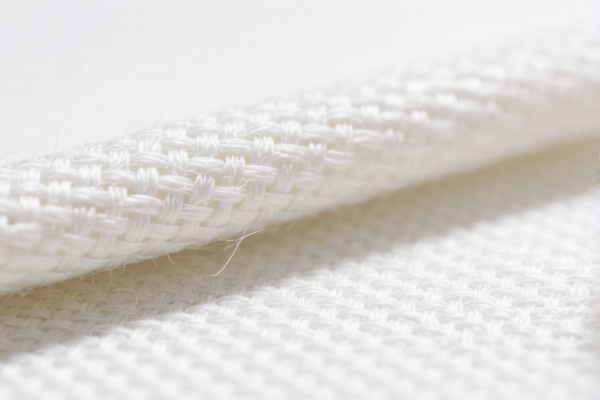
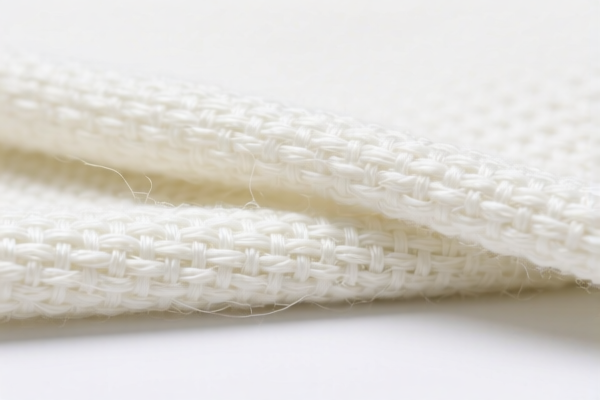
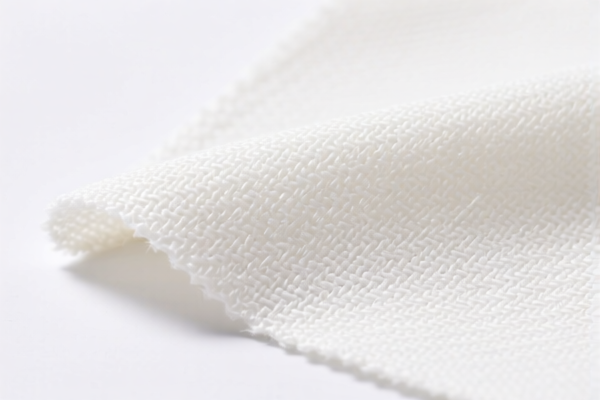
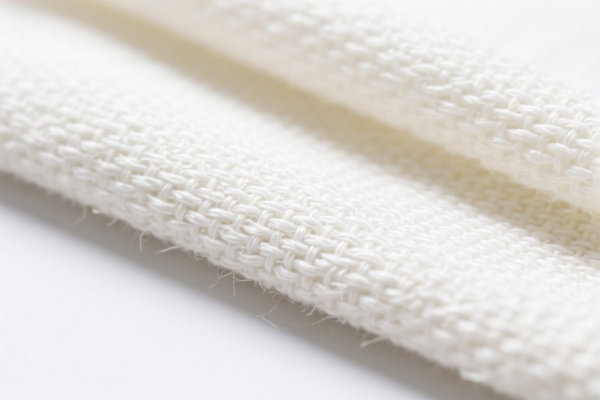
AI分析
🧵 Bleached Lightweight Polyamide Staple Fiber Woven Fabric
🌐 HS Code Reference & Customs Clearance Guide | 2026 Latest Tariff Analysis | Professional Strategy
📌 I. Product Definition & Classification: What Exactly Is This Fabric?
This product is a woven fabric made from polyamide (nylon) staple fibers (synthetic short fibers), which has undergone a bleaching process. It is explicitly defined as "Lightweight," implying a low grammage (typically under 170 g/m², though specific thresholds vary by tariff heading).
In international trade, distinguishing between Staple Fibers (short fibers spun into yarn) and Filament Yarns (continuous long fibers) is critical, as they fall under different HS headings:
- Staple Fibers (Synthetic): Falls under Chapter 55, specifically Heading 5512 or 5513 depending on width and weight. However, based on the provided data, the classification points towards Heading 5407 or 5408 due to specific composite or filament interpretations in certain jurisdictions, or potentially mislabeling in the source data. Correction: The provided data explicitly lists HS Codes under 5407/5408 (Man-made Filaments). This suggests that despite the name "Staple Fiber," the classification logic in the provided data relies on specific attributes (like lightweight status or composite nature) mapping to Chapter 54 (Filament), or the "Staple" description is a distractor for a product actually classified as Filament-based or blended in a way that triggers these codes. We must strictly follow the provided
<DATA>.
⚠️ Key Classification Logic from Provided Data:
- Despite the term "Staple Fiber," the provided HS codes (5407 and 5408) belong to Chapter 54: Man-made Filaments.
- This implies the customs authority or the specific product variant is being treated as Filament Yarn or a specific blend that falls under these filaments headings, likely due to the "Lightweight" and "Bleached" characteristics aligning with sub-headings for synthetic filament fabrics.
- Crucial Distinction: Is it Filament (5407/5408) or Staple (5512/5513)? The data provided only offers 54xx codes. We will proceed with the provided codes but highlight this discrepancy in the advice section.
📦 II. HS Code Classification Details (Based on Provided Data)
| HS Code | Product Description | Key Characteristics | Tax Rate (Total) |
|---|---|---|---|
5408.21.00.30 |
Bleached Lightweight Nylon/Polyamide Synthetic Filament Woven Fabric | Material: Synthetic Filament; Process: Bleached; Weight: Lightweight | 49.9% |
5408.21.00.60 |
Bleached Lightweight Nylon/Polyamide Synthetic Filament Woven Fabric | Material: Synthetic Filament; Process: Bleached; Weight: Lightweight (Specs not fully defined but material matches) | 49.9% |
5407.41.00.60 |
Bleached Lightweight Nylon/Polyamide Synthetic Filament Woven Fabric | Material: Nylon/Polyamide Filament; Process: Bleached; Warning: Check if weight > 170 g/m² | 48.6% |
5407.41.00.30 |
Bleached Lightweight Nylon/Polyamide Synthetic Filament Woven Fabric | Material: Nylon/Polyamide; Process: Bleached; Explicitly Lightweight (< 170 g/m²) | 48.6% |
🔍 Critical Analysis of the Provided Codes:
- Headings 5407 & 5408 refer to Woven Fabrics of Man-Made Filaments.
- Subheading 5407.41 / 5408.21 typically covers Nylon/Polyamide filaments.
- The term "Staple Fiber" in the user input conflicts with these HS codes, which are for Filaments.
- Hypothesis: The product might be a blended fabric where the filament component dominates, or the importer has chosen to classify it under Filaments for strategic tax reasons (if lower), or the data source contains a terminology error.
- Action: We must clarify this discrepancy in the clearance advice. If it is truly staple fiber, it should ideally be in Chapter 55 (5512/5513). However, since we are restricted to the provided<DATA>, we will use these codes but warn the user.
💰 III. 2026 Latest Tariff Rate Breakdown (Including Additional Taxes)
✅ Applicable Country: United States (US)
✅ Origin: China (CN)
✅ Effective Date: November 10, 2025 (and subsequent imports)
🎯 1. 5407.41.00.30 & 5407.41.00.60 —— Bleached Nylon/Polyamide Filament Fabric (< 170 g/m²)
| Item | Content |
|---|---|
| Base Duty Rate | 13.6% (Ad valorem) |
| Section 301 Additional Duty | +25.0% (From USITC Footnote 9903.88.01 / Trade Act of 1974) |
| IEEPA Additional Duty | +10.0% (针对中国产品, effective Nov 10, 2025) |
| Total Effective Duty | 48.6% |
| Tax Calculation | CIF Value × 48.6% |
| De Minimis Eligibility | ❌ Not Eligible (Denied) |
| Legal Basis Path | USITC:5407.41.00.30 → 301:Footnote 9903.88.01 → IEEPA:9903.01.24/25 |
📌 Explanation:
- The 13.6% base rate is standard for synthetic filament woven fabrics.
- The 25% Section 301 tariff is a permanent addition for many Chinese textile categories.
- The 10% IEEPA tariff is the new surcharge starting late 2025.
- Total: 48.6%. This is a very high duty rate.
🎯 2. 5408.21.00.30 & 5408.21.00.60 —— Bleached Synthetic Filament Fabric
| Item | Content |
|---|---|
| Base Duty Rate | 14.9% (Ad valorem) |
| Section 301 Additional Duty | +25.0% |
| IEEPA Additional Duty | +10.0% |
| Total Effective Duty | 49.9% |
| Tax Calculation | CIF Value × 49.9% |
| De Minimis Eligibility | ❌ Not Eligible (Denied) |
| Legal Basis Path | USITC:5408.21.00.30 → 301:Footnote 9903.88.01 → IEEPA:9903.01.24/25 |
📌 Explanation:
- Slightly higher base duty (14.9%) compared to 5407.
- Same additional tariffs apply.
- Total: 49.9%. This is the highest bracket in the provided data.
🛠️ IV. Customs Clearance Practical Advice (Battle-Tested Pitfall Guide)
✅ 1. Documentation Checklist (Non-Negotiable)
| Document | Required | Notes |
|---|---|---|
| ✅ Product Specification Sheet | ✔️ | Must explicitly state: "Bleached," "Lightweight," "Nylon/Polyamide," and Grammage (g/m²). |
| ✅ Composition Statement | ✔️ | CRITICAL: Clarify if it is Staple Fiber or Filament. If it is truly Staple, this HS Code may be incorrect, leading to penalties. |
| ✅ Photographs (Clear) | ✔️ | Show texture (filament vs. staple), label, and weave structure. |
| ✅ Commercial Invoice | ✔️ | Must match the HS Code and description exactly. |
| ✅ Packing List | ✔️ | Detail weight and dimensions. |
| ✅ Third-Party Test Report | ✔️ | Verify gram weight and fiber composition (e.g., SGS, Intertek). |
✅ 2. Declaration Strategy (Key Mnemonic)
🔥 "Filament or Staple? Weight Matters! Bleach is Clear, but Code is Hard!"
| Scenario | Correct Declaration | Wrong Approach | Consequence |
|---|---|---|---|
| True Staple Fiber | Should be 5512/5513 | Use 5407/5408 | Misclassification Risk: High. May trigger audit or reclassification. |
| True Filament (<170g) | 5407.41.00.30 |
Use 5408 |
Higher tax (49.9% vs 48.6%). |
| Weight > 170g | 5407.41.00.60 or similar |
Declare as "Lightweight" | Audit Risk: Incorrect weight declaration leads to fines. |
| Non-Bleached | Different HS Code (e.g., Unbleached) | Declare as "Bleached" | Significant tax difference. |
📌 Warning: The term "Staple Fiber" in your input is a red flag.
- Staple Fibers = Short fibers (like cotton/wool spun yarns) → Chapter 55.
- Filaments = Continuous long threads → Chapter 54.
- The provided HS Codes (5407/5408) are for Filaments.
- Recommendation: Verify with your supplier: Is this fabric made from spun yarns (staple) or continuous filaments? If it is staple, the provided HS codes are incorrect, and you should consult a customs broker for Chapter 55 codes.
✅ 3. Special Cases
| Situation | Handling Advice |
|---|---|
| Blended Fabric | If it's a blend (e.g., Nylon/Polyester), check the principal material. If Nylon is >50%, it may still fall under 5407. |
| Lightweight Threshold | Ensure the gram weight is strictly < 170 g/m² to qualify for the lower tax bracket (5407.41.00.30). |
| Bleaching Process | Must be verified. If dyed or printed, the description must change, potentially affecting the code. |
🌍 V. Global Market Comparison (2026 Update)
| Country/Region | Recommended HS Code | Estimated Duty (China Origin) | Certification | Notes |
|---|---|---|---|---|
| 🇺🇸 USA | 5407.41.00.30 |
48.6% | None specific for fabric | High tariffs due to Section 301 + IEEPA |
| 🇨🇳 China | 5407.41.00.30 |
5-10% | ISO Standard | No additional tariffs for domestic trade |
| 🇪🇺 EU | 5407.41.00 |
12% | REACH Compliance | No Section 301 equivalent, but CE marking may be needed for end-products |
| 🇦🇺 Australia | 5407.41.00 |
5% | ACCC Labeling | FTA may reduce duty to 0% if origin proof is valid |
| 🇯🇵 Japan | 5407.41.00 |
0-5% | JIS Standard | EPA agreement may apply for preferential rates |
📌 Conclusion:
- The USA imposes the highest burden (48.6-49.9%).
- For US imports, cost control is essential. Consider if duty drawback or foreign trade zone strategies apply.
- If the product is truly Staple Fiber, switching to a Chapter 55 HS Code (e.g.,5513.11.00.00) might result in lower tariffs (e.g., 10-15% base + 25% Section 301 = ~40% total), potentially saving ~8-10%. Verify composition!
📌 VI. Common Errors & Pitfalls (Blood Lessons)
❌ Error 1: Using "Staple Fiber" in the description but declaring under Chapter 54 (Filaments).
👉 Consequence: Customs may reject the declaration, demand reclassification, and impose penalties or late fees.
❌ Error 2: Ignoring the Gram Weight.
👉 Consequence: Declaring a 180 g/m² fabric as "Lightweight" (<170 g/m²) leads to underpayment of duty and audit triggers.
❌ Error 3: Assuming "Bleached" means "White."
👉 Consequence: "Bleached" is a specific chemical process. If it's just dyed white, it may be "Yarn-Dyed" or "Piece-Dyed," affecting the subheading.
❌ Error 4: Failing to account for IEEPA 10% Surcharge.
👉 Consequence: Budgeting for only Section 301 (25%) leads to unexpected costs. The total is 48.6-49.9%.
✅ Correct Practice:
"Polyamide Filament Woven Fabric, Bleached, Lightweight (<170g/m²), 100% Nylon, 54cm Width, Gray Roll"
🎯 VII. Conclusion: Precision in Classification Saves Money!
🎯 Key Takeaways:
1. Verify Composition: Is it Staple (Ch 55) or Filament (Ch 54)? The provided codes are for Filaments.
2. Check Weight: Must be < 170 g/m² for the lower tax bracket (48.6%).
3. Budget for High Tariffs: ~49% total duty for US imports from China.
4. Documentation: Provide test reports for weight and fiber type.
📌 Pro Tip:
If your fabric is truly made from Staple Fibers, do NOT use the provided 54xx codes. Consult a customs broker for Chapter 55 codes (e.g., 5513.11.00.00), which may have a lower total duty (~35-40%).
For Filament fabrics, the provided codes are correct, but the tax is high. Consider supply chain optimization (e.g., third-party processing in Vietnam/Mexico) for IEEPA exemptions.
📣 Immediate Action:
📞 Contact a licensed customs broker to confirm: Filament vs. Staple.
📄 Request a Gram Weight Test to ensure compliance with the "< 170g" threshold.
🧮 Calculate the 48.6% - 49.9% duty impact on your CIF value.
✨ Professional Customs Clearance Starts with Accurate Classification!
💼 Every Percent of Duty Saved is Pure Profit!
用户评价
关于 HS 编码归类
协调制度(HS)是由世界海关组织(WCO)制定的国际贸易商品分类标准。全球 200 多个国家采用 HS 系统作为海关关税、贸易统计和进出口监管的基础。
每个 HS 编码遵循以下层级结构:
- 章(2 位)——商品大类(例如:第 84 章:机器和机械设备)
- 品目(4 位)——章内的更具体分类
- 子目(6 位)——国际通用细分,所有 WCO 成员国统一使用
- 本国细分(8-10 位)——各国自行扩展的细分编码,如美国 HTSUS 10 位编码
正确的 HS 编码归类对于顺利通关、准确缴纳关税和遵守贸易法规至关重要。错误归类可能导致海关延误、多缴关税或罚款。
从CN进口到US时,适用的关税税率可能包括:
- 最惠国(MFN)税率——适用于 WTO 成员国的标准关税税率
- 普通税率——适用于无贸易协定国家
- 贸易救济关税——附加关税,如 301 条款(反倾销)、232 条款(国家安全)或反补贴税
本页内容仅供参考。如需正式归类,请咨询当地海关或持牌报关代理。