Blended Fine Animal Fiber Fabric (Uncombed)
CN → US| HS编码 | 关税税率 | 原产国 | 目的国 | 文档 |
|---|---|---|---|---|
| 5102199000 | 0.0% | CN | US | 官方文档 |
| 5102119000 | 0.0% | CN | US | 官方文档 |
| 5105390000 | 0.0% | CN | US | 官方文档 |
| 5111196020 | 60.0% | CN | US | 官方文档 |
商品图片
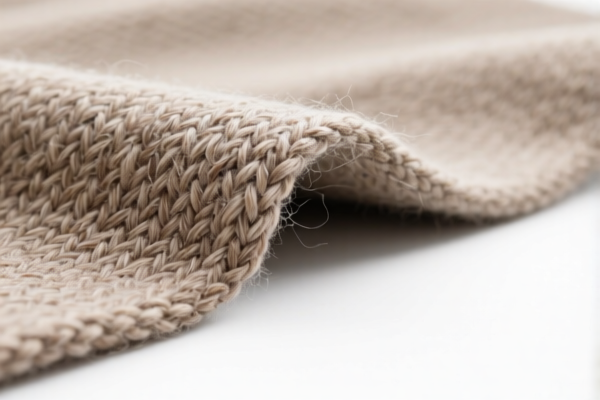
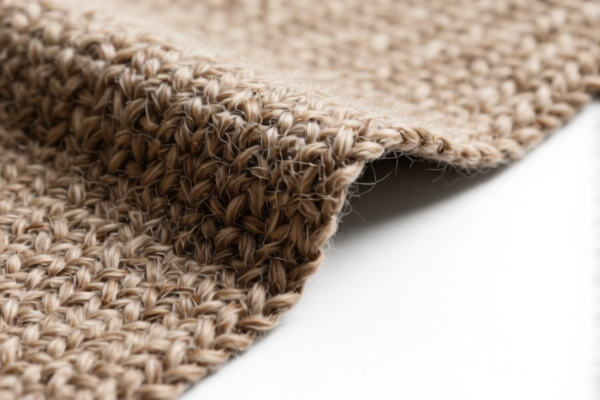
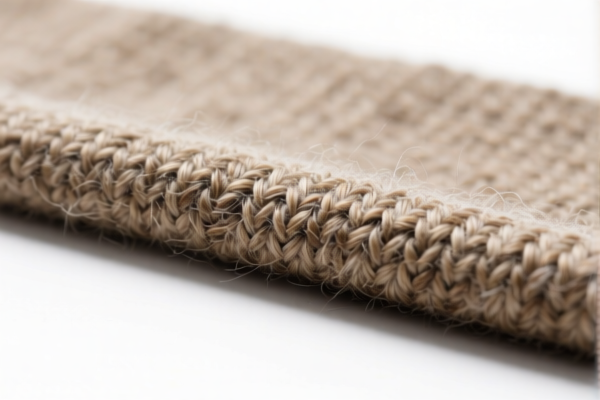
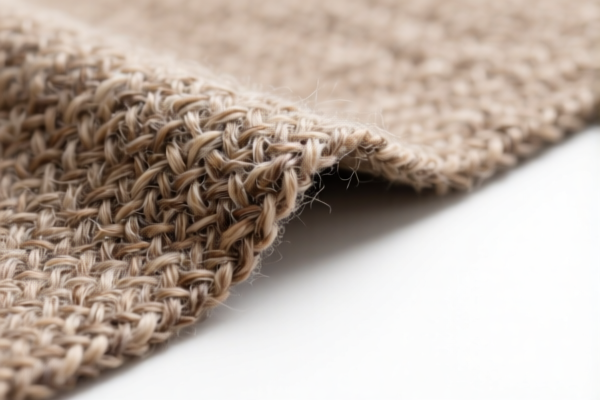
AI分析
🧵 Blended Fine Animal Fiber Fabric (Uncombed)
🌐 HS Code Reference & Customs Clearance Guide | 2026 Latest Tariff Analysis | Professional Entry Strategies
📌 I. Product Definition & Classification: Do You Really Understand “Fine Animal Fiber Fabric”?
Blended Fine Animal Fiber Fabric (Uncombed) refers to textile materials composed of mixed fine animal hairs (such as cashmere, mohair, or camel hair) and potentially other fibers. The key differentiator here is the state of processing: "Uncombed" implies the fibers are in a non-woven, raw, or semi-processed state, not yet spun into yarn or woven into finished cloth. In international trade, misclassifying the state of the fiber (e.g., confusing "uncombed/raw" with "woven fabric") leads to massive tariff discrepancies and customs delays.
Key Distinction Points:
- Raw/Uncombed State: Fibers are loose, not spun into yarn. Falls under Chapter 51 headers 5102 or 5105 depending on specific blending ratios.
- Woven/Yarn State: Fibers are spun and woven into fabric. Falls under Chapter 51 headers 5111.
⚠️ Critical Classification Logic:
- If the product is loose, uncombed, and mixed → It is treated as raw material/semi-finished (Headings 5102 or 5105).
- If the product is woven fabric → It is treated as finished textile (Heading 5111).
- Note: The prompt specifies "Uncombed," which strongly suggests a raw/semi-raw state, but the provided HS codes include both raw materials and woven fabrics. This guide covers all provided possibilities based on specific morphological interpretations.
📦 II. HS Code Classification Details (2026 Latest Tariff Authority Cross-Reference)
| HS Code | Product Description | Applicable Scenario | State/Form |
|---|---|---|---|
5102.19.90.00 |
Fine animal hair, other (blended, uncombed) | Loose, uncombed fine animal fiber mix; fits "fine animal hair" logic | ✅ Uncombed/Raw |
5102.11.90.00 |
Fine animal hair, other (blended, non-woven) | Blended fine fibers, non-woven fabric form; generic fallback | ✅ Non-woven/Uncombed |
5105.39.00.00 |
Fine animal hair, fabric form, non-combed | Fine animal fiber material, fabric state, but non-combed status falls under other sub-items | ⚠️ Ambiguous (Fabric but Uncombed) |
5111.90.90.00 |
Woven fabric of animal hair, uncombed status in other categories | Contains animal fiber woven fabric; uncombed status belongs to other categories | ✅ Woven Fabric |
5111.19.60.20 |
Woven fabric of fine animal hair | Explicitly includes fine animal fiber woven fabric; material and morphological features match | ✅ Woven Fabric |
🔍 Key Insight:
- The term "Uncombed" is tricky. In HS Nomenclature, "Uncombed" usually applies to yarn (5106-5107) or raw fiber (5101-5102).
- If the product is woven fabric, it is typically "made from yarn," not directly "uncombed fiber." However, some classifications may allow5111codes if the input is defined broadly.
- Codes5102.xand5105.xare for raw/semi-raw materials.
- Codes5111.xare for finished woven fabrics.
- Risk: Declaring woven fabric (5111) as uncombed fiber (5102) can lead to penalties for misclassification.
💰 III. 2026 Latest Tariff Rate Breakdown (Including Surcharges & Policy Add-ons)
✅ Applicable Country: United States (US)
✅ Origin: China (CN)
✅ Effective Date: November 10, 2025 (including subsequent imports)
🎯 1. 5102.19.90.00 — Fine Animal Hair, Other (Blended, Uncombed)
| Item | Details |
|---|---|
| Base Duty Rate | 4.9¢/kg + 4% (Specific + Ad Valorem) |
| Section 301 Surcharge | +25.0% (Additional Duty) |
| Section 122 Tariff | +10.0% (IEEPA-based) |
| Total Tax Burden | 4.9¢/kg + 35% (Effective Ad Valorem Equivalent varies by price) |
| Tax Calculation | (CIF Value × 35%) + (Weight in kg × $0.049) |
| De Minimis Eligibility | ❌ No (High tariff rates exclude small packages from exemption) |
| Legal Basis Path | USITC:5102.19.90.00 → Section 301: 25% → IEEPA Section 122: 10% |
📌 Explanation:
- This code applies to loose, uncombed fine animal hair blends.
- The 35% total surcharge (25% + 10%) is substantial. The specific duty (4.9¢/kg) applies on top, making low-value, high-weight shipments costly.
- Must declare weight accurately due to the specific duty component.
🎯 2. 5102.11.90.00 — Fine Animal Hair, Other (Non-Woven Fabric)
| Item | Details |
|---|---|
| Base Duty Rate | 4.9¢/kg + 4% |
| Section 301 Surcharge | +25.0% |
| Section 122 Tariff | +10.0% |
| Total Tax Burden | 4.9¢/kg + 35% |
| Tax Calculation | (CIF Value × 35%) + (Weight in kg × $0.049) |
| De Minimis Eligibility | ❌ No |
| Legal Basis Path | USITC:5102.11.90.00 → Section 301: 25% → IEEPA Section 122: 10% |
📌 Note:
- Similar to5102.19.90.00, but specific to "non-woven fabric" form.
- If the product is truly non-woven (matted fibers), this code may apply.
- Same high tariff burden as above.
🎯 3. 5105.39.00.00 — Fine Animal Hair, Fabric Form (Non-Combed)
| Item | Details |
|---|---|
| Base Duty Rate | 6.8¢/kg + 5.5% |
| Section 301 Surcharge | +25.0% |
| Section 122 Tariff | +10.0% |
| Total Tax Burden | 6.8¢/kg + 35% |
| Tax Calculation | (CIF Value × 35%) + (Weight in kg × $0.068) |
| De Minimis Eligibility | ❌ No |
| Legal Basis Path | USITC:5105.39.00.00 → Section 301: 25% → IEEPA Section 122: 10% |
📌 Key Distinction:
- This code has a higher specific duty (6.8¢/kg) and higher ad valorem base (5.5%) than the5102codes.
- Likely applies if the product is interpreted as a finished fabric-like material but still under "hair" chapters.
- Costlier than5102codes.
🎯 4. 5111.90.90.00 — Woven Fabric of Animal Hair, Other
| Item | Details |
|---|---|
| Base Duty Rate | 25.0% |
| Section 301 Surcharge | +25.0% |
| Section 122 Tariff | +10.0% |
| Total Tax Burden | 60.0% |
| Tax Calculation | CIF Value × 60% |
| De Minimis Eligibility | ❌ No |
| Legal Basis Path | USITC:5111.90.90.00 → Section 301: 25% → IEEPA Section 122: 10% |
📌 Critical Warning:
- This code applies to woven fabrics.
- The 60% total tariff is extremely high.
- Do NOT use this code if the product is uncombed raw fiber. Misclassification here could lead to fraud allegations or penalties.
- Only use if the product is a finished woven textile.
🎯 5. 5111.19.60.20 — Woven Fabric of Fine Animal Hair
| Item | Details |
|---|---|
| Base Duty Rate | 25.0% |
| Section 301 Surcharge | +25.0% |
| Section 122 Tariff | +10.0% |
| Total Tax Burden | 60.0% |
| Tax Calculation | CIF Value × 60% |
| De Minimis Eligibility | ❌ No |
| Legal Basis Path | USITC:5111.19.60.20 → Section 301: 25% → IEEPA Section 122: 10% |
📌 Note:
- This is the most specific code for woven fine animal hair fabrics.
- If your product is woven, this is the most accurate code, but the 60% tariff is unavoidable.
- Optimization Strategy: If possible, import as raw fiber (5102codes) and weave in the US to reduce tariffs (but note: US weaving rules may apply).
🛠️ IV. Customs Clearance Practical Advice (Battle-Tested Pitfall Guide)
✅ 1. Essential Documentation Checklist (No Exceptions)
| Document | Required | Explanation |
|---|---|---|
| ✅ Product Specification Sheet | ✔️ | Must clearly state: "Uncombed," "Blended Fine Animal Fiber," weight, fiber composition %. |
| ✅ Photos of Product | ✔️ | Show texture: loose fibers vs. woven fabric. Crucial for distinguishing 5102 vs. 5111. |
| ✅ Commercial Invoice | ✔️ | Clearly describe as "Uncombed Fine Animal Fiber Blend," NOT "Fabric" if using 5102 codes. |
| ✅ Packing List | ✔️ | Include gross/net weight for specific duty calculation. |
| ✅ Origin Certificate | ✔️ | If non-China origin, may avoid 301/122 tariffs. |
| ✅ Third-Party Test Report | ✔️ | Confirm fiber content (e.g., Cashmere % vs. Wool %). |
✅ 2. Declaration Tips (Key Mantras)
🔥 "Raw is Raw, Woven is Woven; Name it Right, Tax is Light!"
| Scenario | Correct Declaration | Wrong Declaration |
|---|---|---|
| Loose, Uncombed Fibers | 5102.19.90.00 or 5102.11.90.00 |
"Woven Fabric" → 60% Tax |
| Non-Woven Matted Fibers | 5102.11.90.00 |
"Textile Fabric" → 60% Tax |
| Finished Woven Fabric | 5111.19.60.20 or 5111.90.90.00 |
"Raw Fiber" → Misclassification Risk |
| Hybrid/Fuzzy Fabric | Consult Customs Broker | Guessing Code → Delays/Fines |
✅ 3. Special Situations
| Situation | Handling Advice |
|---|---|
| OEM Custom Blend | Provide blending ratio contract to justify 5102 vs. 5105. |
| Small Samples | Still subject to 60% or 35% tariffs; De Minimis does NOT apply. |
| Origin Changes | If fibers are from Mongolia/Kazakhstan but processed in China, 301/122 tariffs may still apply if final processing is substantial. |
| Value Adjustment | For 5102 codes, high value per kg makes ad valorem tax dominant; low value per kg makes specific duty dominant. |
🌍 V. Global Market Comparison (2026 Latest)
| Country/Region | Recommended HS Code | Tariff Rate | Certification | Remarks |
|---|---|---|---|---|
| 🇺🇸 USA | 5102.19.90.00 / 5111.19.60.20 |
35% (Raw) / 60% (Woven) | None specific | Highest tariffs due to 301/122 |
| 🇨🇳 China | 5102.19.00 / 5111.19.00 |
~5-10% | None | No 301/122 surcharges |
| 🇪🇺 EU | 5102.19.00 / 5111.19.00 |
~5-10% | REACH | No 301/122 surcharges |
| 🇬🇧 UK | 5102.19.00 / 5111.19.00 |
~5-10% | UKCA | Post-Brexit rules apply |
| 🇯🇵 Japan | 5102.19.00 / 5111.19.00 |
~0-5% | None | Low tariffs |
📌 Conclusion:
- USA is the most expensive market due to additional tariffs.
- Raw fiber imports (5102) are cheaper than woven fabric imports (5111) in the US.
- Consider supply chain adjustment (import raw, weave domestically) if volume is high.
📌 VI. Common Mistakes & Pitfalls (Lessons from Blood and Tears)
❌ Mistake 1: Declaring woven fabric as uncombed fiber to get 35% tax instead of 60%.
👉 Consequence: Customs inspection reveals woven structure → Penalty + Back Taxes + Possible Fraud Charges.
❌ Mistake 2: Ignoring the specific duty (¢/kg) in 5102 codes.
👉 Consequence: Low-value, heavy shipments become more expensive due to per-kg fees.
❌ Mistake 3: Using generic names like "Animal Fiber Material."
👉 Consequence: Customs rejects declaration → Delays + Storage Fees.
✅ Correct Approach:
"Uncombed Fine Animal Hair Blend, Composition: 30% Cashmere, 70% Wool, Raw State, Not Woven or Spun"
🎯 VII. Conclusion: Precision in Classification, Profit in Clearance
🎯 Remember the Mantras:
🔹 "Raw vs. Woven is Key; 35% vs. 60% Difference!"
🔹 "Specific Duty for Heavy Bags, Ad Valorem for Light High-Value!"
🔹 "De Minimis is Dead for Textiles; Declare Accurately!"
📌 Pro Tip:
If your product is borderline (e.g., felt-like but technically non-woven), request a Binding Ruling from CBP before shipment. This protects you from retroactive penalties.
📣 Immediate Action:
📞 Contact a licensed customs broker + Provide Product Photos + Verify Fiber Composition
🚀 Ensure smooth clearance, maximize profit, and avoid customs nightmares!
✨ Professional clearance starts with precise classification!
💼 Every cent saved counts in the textile trade!
用户评价
关于 HS 编码归类
协调制度(HS)是由世界海关组织(WCO)制定的国际贸易商品分类标准。全球 200 多个国家采用 HS 系统作为海关关税、贸易统计和进出口监管的基础。
每个 HS 编码遵循以下层级结构:
- 章(2 位)——商品大类(例如:第 84 章:机器和机械设备)
- 品目(4 位)——章内的更具体分类
- 子目(6 位)——国际通用细分,所有 WCO 成员国统一使用
- 本国细分(8-10 位)——各国自行扩展的细分编码,如美国 HTSUS 10 位编码
正确的 HS 编码归类对于顺利通关、准确缴纳关税和遵守贸易法规至关重要。错误归类可能导致海关延误、多缴关税或罚款。
从CN进口到US时,适用的关税税率可能包括:
- 最惠国(MFN)税率——适用于 WTO 成员国的标准关税税率
- 普通税率——适用于无贸易协定国家
- 贸易救济关税——附加关税,如 301 条款(反倾销)、232 条款(国家安全)或反补贴税
本页内容仅供参考。如需正式归类,请咨询当地海关或持牌报关代理。