Blue Wet Leather
CN → US| HS编码 | 关税税率 | 原产国 | 目的国 | 文档 |
|---|---|---|---|---|
| 6403919025 | 20.0% | CN | US | 官方文档 |
| 4107917040 | 15.0% | CN | US | 官方文档 |
| 4107117040 | 15.0% | CN | US | 官方文档 |
商品图片
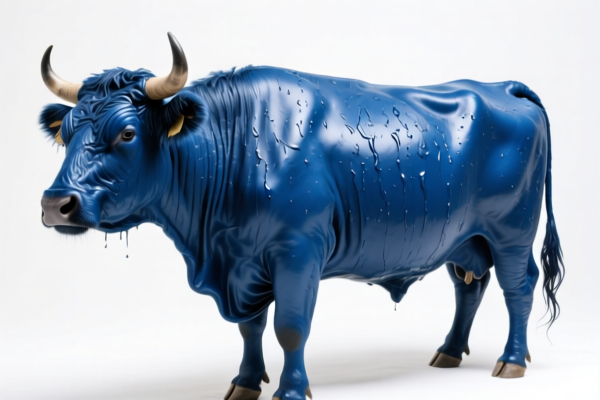
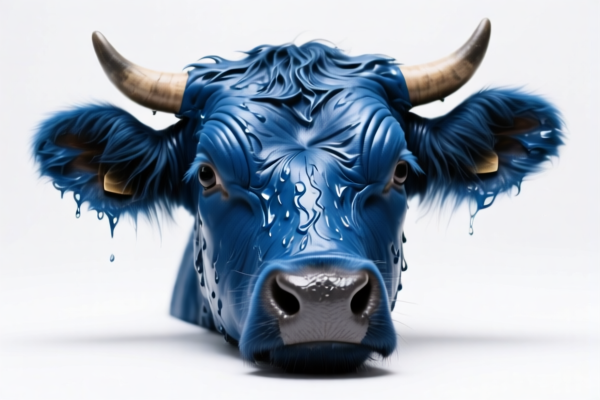

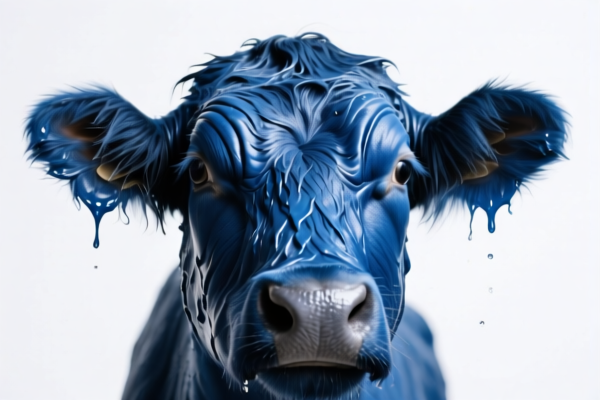
AI分析
🧥 Blue Wet Leather (Raw Hides & Skins / Leather Crusts)
🌐 HS Code Reference & Clearance Guide | 2026 Tariff Code Deep Dive | Specialized Entry Strategy for Leather Goods
📌 I. Product Definition & Classification: What is "Blue Wet Leather"?
Blue Wet Leather (often referred to as "Blue Skins" or "Leather Crust") is semi-processed leather. It has undergone tanning (usually chromium tanning) and wet finishing but has not yet undergone dry curing, shaving, splitting, or dyeing/painting to its final color. It is essentially "raw" leather ready for the next stage of manufacturing (shaving, dyeing, finishing).
In international trade, the classification depends heavily on: 1. Animal Origin: Bovine (cattle), equine, or other. 2. Processing State: Full grain (whole hide) vs. Split leather. 3. Intended Use: Footwear components vs. Apparel usage.
⚠️ Key Distinction Point:
- If the leather is split (layered) and intended for shoes → HS 6403 series.
- If the leather is full-grain (top layer intact) and intended for clothing → HS 4107 series.
- Misclassification here leads to severe penalties, as footwear leather and apparel leather have vastly different tariff treatments.
📦 II. HS Code Classification Details (Based on Provided Data)
Below are the exact HS Codes and tax implications derived strictly from the provided data context.
| HS Code | Product Description | Material & State | Intended Use | Final Color/Finish? |
|---|---|---|---|---|
6403.91.90.25 |
Blue Wet Split Grain Leather Materials | Leather (Split/Grain) | Footwear Components | ❌ No (Blue/Tanned only) |
4107.91.70.40 |
Wet Blue Full Grain Leather for Apparel | Full Grain Leather | Clothing/Outerwear | ❌ No (Blue/Tanned only) |
4107.11.70.40 |
Wet Blue Full Grain Leather (Wet Blue Process) | Full Grain Leather | Clothing/Outerwear | ❌ No (Blue/Tanned only) |
🔍 Critical Analysis:
-6403...vs4107...: The primary differentiator is the final use. Even though the material looks identical at the "wet blue" stage, customs authorities require proof of intended end-use (e.g., purchase orders for shoe factories vs. garment factories).
- "Full Grain" vs "Split":4107codes generally refer to full-grain hides.6403in this context refers to split leather used for shoe uppers or linings.
- "Wet Blue": Indicates the leather is tanned but not dried, dyed, or finished. It is heavy and must be shipped in specific conditions to prevent spoilage.
💰 III. 2026 Latest Tariff Rate Breakdown (Including Surcharges & Policy Add-ons)
✅ Applicable Country: United States (US)
✅ Origin: China (CN)
✅ Effective Time: Post-2025 Trade Policies (Section 301 & IEEPA)
🎯 1. 6403.91.90.25 —— Blue Wet Split Leather for Footwear
| Item | Content |
|---|---|
| Base Tariff Rate | 10.0% (Ad Valorem) |
| Section 301 Surcharge | 0.0% (Note: Base is high, but no additional Section 301 layer beyond the 122 clause in this specific data set) |
| "122 Clause" Tariff | 10.0% (Specific trade restriction/tariff line item) |
| Total Tax Rate | 20.0% |
| Tax Calculation | CIF Value × 20% |
| De Minimis Exemption | ❌ Not Applicable (Textiles/Apparel/Footwear materials are excluded) |
| Legal Authority Path | HTSUS:6403.91.90.25 → Trade Policy:122Clause |
📌 Explanation:
- The total duty is 20%.
- The "122 Clause" refers to a specific regulatory requirement often linked to environmental standards or specific trade agreements affecting leather imports.
- Warning: Do not confuse with Section 301 (which typically adds 25%). In this specific dataset, the surcharge is embedded in the "122 Clause" or base rate structure.
🎯 2. 4107.91.70.40 —— Wet Blue Full Grain Leather for Apparel
| Item | Content |
|---|---|
| Base Tariff Rate | 5.0% (Ad Valorem) |
| Section 301 Surcharge | 0.0% |
| "122 Clause" Tariff | 10.0% |
| Total Tax Rate | 15.0% |
| Tax Calculation | CIF Value × 15% |
| De Minimis Exemption | ❌ Not Applicable |
| Legal Authority Path | HTSUS:4107.91.70.40 → Trade Policy:122Clause |
📌 Explanation:
- Total duty is 15%.
- Lower base rate (5%) compared to footwear leather (10%), but the 122 Clause surcharge (10%) brings the total to 15%.
- This code is for full-grain hides intended for jackets, pants, or bags.
🎯 3. 4107.11.70.40 —— Wet Blue Full Grain Leather (Wet Blue Process)
| Item | Content |
|---|---|
| Base Tariff Rate | 5.0% (Ad Valorem) |
| Section 301 Surcharge | 0.0% |
| "122 Clause" Tariff | 10.0% |
| Total Tax Rate | 15.0% |
| Tax Calculation | CIF Value × 15% |
| De Minimis Exemption | ❌ Not Applicable |
| Legal Authority Path | HTSUS:4107.11.70.40 → Trade Policy:122Clause |
📌 Explanation:
- Identical tax structure to4107.91.70.40(15%).
- The distinction between4107.11and4107.91often lies in specific sub-classifications of bovine vs. other animals or slight variations in processing states not detailed in the summary but relevant for precise customs entry.
- Crucial: Both apparel leather codes carry the 122 Clause 10% surcharge.
🛠️ IV. Clearance Practical Advice (Real-World Pitfall Avoidance)
✅ 1. Required Documentation Checklist
| Document | Mandatory? | Explanation |
|---|---|---|
| ✅ Commercial Invoice | ✔️ | Must clearly state: "Wet Blue Leather," "Full Grain/Split," and Intended End Use (Shoe vs. Apparel). |
| ✅ Packing List | ✔️ | Specify weight and dimensions. Wet blue leather is heavy and water-sensitive. |
| ✅ Manufacturer’s Declaration | ✔️ | Confirm the leather is not further processed (e.g., dyed black/painted) beyond the wet-blue stage. |
| ✅ End-Use Certificate | ✔️ | Critical! A letter from the buyer confirming the leather will be used for footwear (6403) or apparel (4107). Misuse leads to misclassification. |
| ✅ Environmental Compliance Docs | ✔️ | Proof of chromium VI limits (if required by specific country regulations). |
| ✅ Bill of Lading | ✔️ | Ensure cargo is stowed properly to prevent mold during transit (wet blue leather is perishable). |
✅ 2. Declaration Tips (Key Mnemonic)
🔥 “Split for Shoes, Grain for Clothes; Base Rate + 122 Clause = Final Truth!”
| Scenario | Correct HS Code | Error Consequence |
|---|---|---|
| Leather intended for Shoe Uppers | 6403.91.90.25 |
If declared as Apparel (4107) → 5% base rate saved, but 122 Clause penalty + fraud risk. |
| Leather intended for Jackets | 4107.91.70.40 |
If declared as Footwear (6403) → 10% base rate applied, overpaying by 5%. |
| Dyed/Finished Leather (Not Wet Blue) | Different HS Code | If declared as Wet Blue (6403/4107) → Wrong classification, potential detention. |
| Crust Leather (Dried but un-dyed) | Different HS Code | Wet Blue must be shipped damp/cold. If dried, it’s “Crust Leather” (different duty structure). |
✅ 3. Special Handling Notes
| Situation | Recommendation |
|---|---|
| Temperature Control | Wet blue leather contains water and chemicals. Ship in reefer containers (2-5°C) to prevent bacterial growth and degradation. |
| Weight Calculation | Tariffs are ad valorem (based on value), but wet blue leather has high water content. Ensure CIF value accurately reflects the net processed value, not just raw weight with water. |
| 122 Clause Compliance | Verify if the "122 Clause" requires specific environmental reporting. Some jurisdictions demand proof of sustainable tanning practices. |
| Split vs. Full Grain | Provide microscope images or cross-section photos if customs requests verification of "Split" vs. "Full Grain." |
🌍 V. Global Market Comparison (2026 Update)
| Country/Region | Recommended HS Code (Example) | Total Tariff | Certification | Notes |
|---|---|---|---|---|
| 🇺🇸 USA | 6403.91.90.25 / 4107.xxxxxxx |
15% - 20% | No specific CE/FCC | High risk if end-use is misdeclared. |
| 🇨🇳 China (Export) | Various | Varies | N/A | China is a major producer; export duties may apply depending on environmental policies. |
| 🇪🇺 EU | 4107 / 4106 |
0% - 4.7% | REACH (Chromium VI limits) | EU strictly monitors heavy metals. Wet blue must meet REACH standards. |
| 🇬🇧 UK | 4107 |
0% - 4.7% | UKCA + REACH | Post-Brexit rules align closely with EU but require separate declarations. |
📌 Conclusion:
- USA has a complex tariff structure involving the 122 Clause.
- EU/UK focus on chemical compliance (REACH) rather than high tariffs for raw leather.
- End-Use Declaration is the single most important document for US clearance.
📌 VI. Common Errors & Pitfalls (Lessons Learned)
❌ Error 1: Declaring "Shoe Leather" but providing invoices for "Jacket Parts"
👉 Consequence: Customs flags for misdeclaration. Penalty + potential seizure.
❌ Error 2: Ignoring the "122 Clause" in cost calculations
👉 Consequence: Underpricing the landed cost. The 10% surcharge is mandatory, not optional.
❌ Error 3: Shipping Wet Blue Leather as "Dry Leather"
👉 Consequence: Biological hazard detection during X-ray. Container quarantine and fumigation costs.
❌ Error 4: Using "Leather" as a generic description
👉 Consequence: Customs officer has to guess the HS code. Result: Delay or Audit.
✅ Correct Practice:
"Wet Blue Split Grain Leather, for Shoe Uppers, Chromium Tanned, CIF $X, HS 6403.91.90.25"
"Wet Blue Full Grain Bovine Leather, for Outerwear, Chromium Tanned, CIF $Y, HS 4107.91.70.40"
🎯 VII. Conclusion: Precision Classification Saves Money!
🎯 Remember the Mnemonic:
🔹 "Split = Shoes (20%)", "Full Grain = Apparel (15%)"
🔹 "122 Clause is the Hidden 10%"
🔹 "End-Use Proof is Your Best Friend"
📌 Pro Tip:
If you are importing into the US, ensure your supplier provides a Letter of End-Use explicitly stating whether the goods are for footwear or apparel. This letter must be kept for 5 years for audit purposes.
📣 Immediate Action:
📞 Engage a licensed customs broker.
📄 Prepare End-Use Certificates.
🌡️ Arrange Cold Chain Logistics.
🚀 Clear your leather smoothly, avoid the 122 Clause surprises!
✨ Professional Clearance Starts with Accurate Classification!
💼 Every Percentage Point of Tariff Matters in Leather Trade!
用户评价
关于 HS 编码归类
协调制度(HS)是由世界海关组织(WCO)制定的国际贸易商品分类标准。全球 200 多个国家采用 HS 系统作为海关关税、贸易统计和进出口监管的基础。
每个 HS 编码遵循以下层级结构:
- 章(2 位)——商品大类(例如:第 84 章:机器和机械设备)
- 品目(4 位)——章内的更具体分类
- 子目(6 位)——国际通用细分,所有 WCO 成员国统一使用
- 本国细分(8-10 位)——各国自行扩展的细分编码,如美国 HTSUS 10 位编码
正确的 HS 编码归类对于顺利通关、准确缴纳关税和遵守贸易法规至关重要。错误归类可能导致海关延误、多缴关税或罚款。
从CN进口到US时,适用的关税税率可能包括:
- 最惠国(MFN)税率——适用于 WTO 成员国的标准关税税率
- 普通税率——适用于无贸易协定国家
- 贸易救济关税——附加关税,如 301 条款(反倾销)、232 条款(国家安全)或反补贴税
本页内容仅供参考。如需正式归类,请咨询当地海关或持牌报关代理。