Bow Tie Set
CN → US| HS编码 | 关税税率 | 原产国 | 目的国 | 文档 |
|---|---|---|---|---|
| 6117802000 | 18.7% | CN | US | 官方文档 |
| 6215900020 | 15.0% | CN | US | 官方文档 |
| 6117808770 | 15.0% | CN | US | 官方文档 |
| 6117802000 | 18.7% | CN | US | 官方文档 |
| 6117808770 | 15.0% | CN | US | 官方文档 |
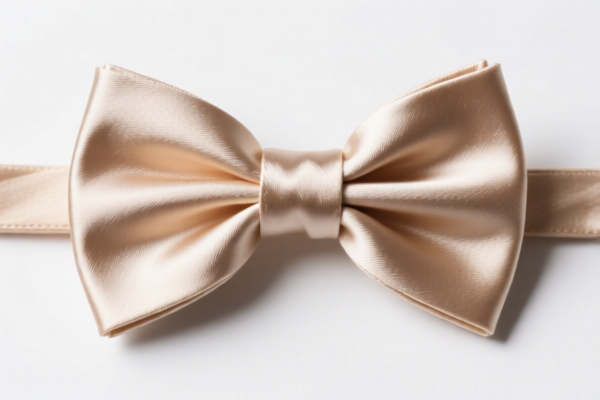
商品图片


AI分析
🎀 Bow Tie Set (Accessories for Apparel)
🌐 HS Code Reference & Customs Clearance Guide | 2026 Latest Tariff Analysis | Professional Level Entry Strategy
📌 I. Product Definition & Classification: Do You Really Know What a "Bow Tie Set" Is?
A Bow Tie Set is a classic accessory primarily used in formal attire. In international trade, its classification depends strictly on its material composition and manufacturing method (knitted vs. woven). It is generally categorized under two main headings:
Heading 61 (Knitted/ Crocheted): Bow ties made from knit fabrics (e.g., silk knit, synthetic knit). Heading 62 (Non-Knitted): Bow ties made from woven fabrics (e.g., silk woven, cotton woven, synthetic woven).
⚠️ Key Distinction Point:
- If the material is Knitted/Crocheted →归入 Chapter 61 (e.g.,6117.80.20.00or6117.80.87.70)
- If the material is Woven/Non-Knitted → 归入 Chapter 62 (e.g.,6215.20.00.00or6215.90.00.20)
- Synthetic Fibers in Chapter 62 often carry higher specific duties (¢/kg) compared to ad valorem rates.
📦 II. HS Code Classification Details (2026 Latest Tariff Authority Comparison)
| HS Code | Product Description | Material Inference | Applicable Scenario |
|--------|--------------------------|-------------------------------------------|
| 6117.80.20.00 | Bow ties, cravats, etc. | Silk or Silk Blends (Knitted) | Formal silk bow ties, wedding accessories |
| 6117.80.87.70 | Bow ties, cravats, etc. | Non-Cotton / Non-Wool / Non-Synthetic Fiber (Knitted) | Unique material bow ties (e.g., linen knit, other fibers) |
| 6215.20.00.00 | Bow ties, cravats, etc. | Artificial/Synthetic Fibers (Woven) | Polyester, nylon, or other man-made fiber bow ties |
| 6215.90.00.20 | Bow ties, cravats, etc. | Non-Wool / Fine Animal Hair / Cotton (Woven) | Silk woven, linen woven, or other non-synthetic/non-cotton bow ties |
🔍 Critical Reminder:
- The term "Set" does not change the primary HS code; it is classified by the main article (the bow tie).
- "Artificial Fiber" (6215.20) is a high-risk category for customs valuation due to the ¢/kg specific duty combined with ad valorem rates.
- Ensure the material tag matches the declared HS code precisely. Misdeclaring silk as "artificial fiber" or vice versa leads to severe penalties.
💰 III. 2026 Latest Tariff Rate Detailed Explanation (Including Surtaxes & Policy Add-ons)
✅ Applicable Country: United States (US)
✅ Origin: China (CN)
✅ Effective Date: 2025/2026 (Including subsequent imports)
🎯 1. 6117.80.20.00 —— Silk or Silk Blend Bow Ties (Knitted)
| Item | Content |
|---|---|
| Base Tariff | 1.2% (ad valorem) |
| Section 301 Surtax | 7.5% (Added tariff on Chinese goods) |
| Section 122 Tariff | 10% (Specific trade remedy/add-on) |
| Total Rate | 18.7% |
| Tax Calculation | CIF Value × 18.7% |
| De Minimis Exemption | ❌ Not Eligible (deny_de_minimis) |
| Legal Basis Path | Standard Textile Classification + Section 301 + Section 122 |
📌 Explanation:
- Base 1.2%: Standard MFN rate for knitted silk accessories.
- 7.5%: Section 301 surcharge applies to most textile accessories from China.
- 10%: Section 122 tariff (a recent addition for specific goods, often applied to apparel/accessories in certain contexts).
- Total 18.7%: This is a high tariff for a small accessory. Do not rely on de minimis thresholds (under $800) if the shipment is consolidated or flagged.
🎯 2. 6117.80.87.70 —— Bow Ties (Non-Cotton/Wool/Synthetic) (Knitted)
| Item | Content |
|---|---|
| Base Tariff | 5.0% (ad valorem) |
| Section 301 Surtax | 0.0% (Exempt/Reduced for this specific sub-category) |
| Section 122 Tariff | 10% |
| Total Rate | 15.0% |
| Tax Calculation | CIF Value × 15.0% |
| De Minimis Exemption | ❌ Not Eligible (deny_de_minimis) |
| Legal Basis Path | Textile Exception Rules + Section 122 |
📌 Note:
- Unlike silk blends, this category has a 0% Section 301 surcharge, making it slightly more favorable (15% vs 18.7%).
- However, the Section 122 10% still applies heavily.
- Suitable for "niche" materials (e.g., linen knits, wool blends not covered elsewhere) that fall into the "Other" basket.
🎯 3. 6215.20.00.00 —— Bow Ties of Artificial Fiber (Woven)
| Item | Content |
|---|---|
| Base Tariff | 24.8 ¢/kg + 12.7% (ad valorem) |
| Section 301 Surtax | 0.0% |
| Section 122 Tariff | 10% |
| Total Rate | 24.8 ¢/kg + 22.7% (12.7% + 10%) |
| Tax Calculation | (Weight in kg × 24.8 ¢) + (CIF Value × 22.7%) |
| De Minimis Exemption | ❌ Not Eligible (deny_de_minimis) |
| Legal Basis Path | Synthetic Textile Rules + Section 122 |
📌 Warning:
- This is the most complex and potentially expensive category for heavy synthetic bow ties.
- The Specific Duty (24.8 ¢/kg) means heavier items pay significantly more, regardless of value.
- The Ad Valorem Rate is effectively 22.7% (12.7% base + 10% Section 122).
- Combined Impact: For a low-value, heavy polyester bow tie, the per-unit cost can be disproportionately high compared to silk options.
🎯 4. 6215.90.00.20 —— Bow Ties (Non-Wool/Fine Hair/Cotton) (Woven)
| Item | Content |
|---|---|
| Base Tariff | 5.0% (ad valorem) |
| Section 301 Surtax | 0.0% |
| Section 122 Tariff | 10% |
| Total Rate | 15.0% |
| Tax Calculation | CIF Value × 15.0% |
| De Minimis Exemption | ❌ Not Eligible (deny_de_minimis) |
| Legal Basis Path | General Woven Textiles + Section 122 |
📌 Note:
- Covers Woven Silk, Linen, or Cotton (if not specifically coded elsewhere) bow ties.
- Similar to6117.80.87.70, it benefits from 0% Section 301 but suffers the 10% Section 122.
- Total 15.0% makes this a competitive rate for high-value silk woven bow ties compared to the synthetic specific-duty model.
🛠️ IV. Customs Clearance Practical Advice (Battle-Tested Pitfall Avoidance)
✅ 1. Required Documentation Checklist (Non-negotiable)
| Material | Mandatory Provision | Explanation |
|---|---|---|
| ✅ Product Label | ✔️ | Must clearly state Fiber Content (e.g., "100% Silk," "100% Polyester") |
| ✅ Product Photos | ✔️ | Clear shots of the bow tie, label, and packaging |
| ✅ Commercial Invoice | ✔️ | Must describe as "Bow Tie Set, [Material], For Men/Women" |
| ✅ Packing List | ✔️ | Include Net Weight (kg) for 6215.20.00.00 calculation |
| ✅ Origin Certificate | ✔️ | Proof of CN origin (triggers Section 301/122 if not exempt) |
✅ 2. Declaration Strategy (Key Mantras)
🔥 "Material is King, Weight Matters for Synthetics, Set is Single, Don't Split!"
| Situation | Correct Declaration | Wrong Action |
|---|---|---|
| Silk Knitted Bow Tie | 6117.80.20.00 |
Misdeclare as "Cotton" → 15% (Risk of penalty) |
| Polyester Woven Bow Tie | 6215.20.00.00 |
Ignore weight → Underpay specific duty |
| Linen/Wool Woven Bow Tie | 6215.90.00.20 |
Declare as "Artificial Fiber" → 24.8¢/kg + 22.7% (Overpay) |
| Bow Tie + Pocket Square Set | Single HS Code (for the main item) | Split into two lines → Potential "manifest mismatch" flag |
✅ 3. Special Case Handling
| Situation | Handling Advice |
|---|---|
| Mixed Material Set | If the set contains a bow tie (silk) and a pocket square (cotton), declare based on the primary article or split if values differ significantly, but prefer single classification for the main accessory. |
| "Section 122" Uncertainty | Since 6215.20.00.00 and 6117.80.20.00 have different Section 301 statuses, verify the 301 eligibility for your specific supplier type. Some small enterprises may have exemptions. |
| De Minimis ($800) | WARNING: Textile/Apparel accessories from China are frequently flagged under Section 122 and 301. Even if under $800, if the importer has a history of textile violations or if the shipment is part of a larger consolidated load, customs may require formal entry. Do not assume de minimis applies automatically. |
| Heavy Polyester Bow Ties | Calculate the ¢/kg impact. If shipping 10kg of bows, the specific duty adds up fast. Consider air vs. sea freight cost analysis. |
🌍 V. Global Market Comparison (2026 Latest)
| Country/Region | Recommended HS Code | Tariff (China Origin) | Certification | Notes |
|---|---|---|---|---|
| 🇺🇸 USA | 6117.80.20.00 |
18.7% | No special cert | High Section 122 tax |
| 🇺🇸 USA | 6215.20.00.00 |
24.8¢/kg + 22.7% | No special cert | Heavy penalty on synthetics |
| 🇪🇺 EU | 6215.20.00 |
4% + Duty-free quota | CE (if functional) | No Section 122 |
| 🇬🇧 UK | 6117.80.20 |
4% | No special cert | Post-Brexit rules apply |
| 🇨🇳 China | 6215.20.00 |
10-15% | No special cert | Import duty varies |
📌 Conclusion:
- The US market is the most expensive due to the combination of Section 301 and Section 122.
- Synthetic woven ties (6215.20.00.00) are the most penalized due to the specific duty + ad valorem + Section 122.
- Silk/Knit (6117.80.20.00) is a balanced high-cost option (18.7%), but predictable.
📌 VI. Common Errors & Pitfall Guide (Blood Lessons)
❌ Error 1: Declaring "Bow Tie Set" as a generic "Accessory"
👉 Consequence: Customs rejects the vague description → Delay & Inspection
❌ Error 2: Misclassifying Silk as "Artificial Fiber" to avoid weight-based tax
👉 Consequence: Fraud Penalty. Silk is expensive but has lower specific duty; synthetic is cheap but has high specific duty. Misdeclaration is risky.
❌ Error 3: Assuming De Minimis ($800) applies to all shipments
👉 Consequence: If the carrier (e.g., UPS/FedEx) files a formal entry due to Section 122 flags, the importer pays the full 18.7% + fees anyway, plus demurrage.
❌ Error 4: Ignoring the "Set" component in description
👉 Consequence: If the set includes a non-covered item (e.g., a tie clip metal), it might be classified separately or cause valuation issues. Stick to the main textile article for HS coding.
✅ Correct Practice:
"Bow Tie Set, Men's, Silk Knitted, Red, with Pocket Square, HS 6117.80.20.00, Origin: China"
🎯 VII. Conclusion: Professional Declaration, Save Cost, Avoid Risk
🎯 Remember the Mantra:
🔹 "Silk Knit: 18.7%, Synthetic Woven: Heavy Weight Tax, Other Woven: 15%, Always Declare Fiber!"
🔹 "Section 122 is the new 10%, Don't Ignore it in your Landed Cost Model!"
🔹 "If it's under $800, think twice. Textiles from China are scrutinized."
📌 Pro Tip:
- If you are importing small quantities (< $800), check with your courier if they offer de minimis clearance for textiles. Some couriers opt to pay the duties on your behalf and recharge you, which is often more expensive than formal entry.
- For high-volume, consider Supply Chain Diversification (e.g., producing in Vietnam or India) to avoid Section 301/122 tariffs, though Section 122 may still apply depending on current trade laws.
📣 Immediate Action:
📞 Verify Fiber Content on your supplier's label.
📊 Calculate Landed Cost including the specific duty (¢/kg) if synthetic.
📄 Prepare Detailed Invoice describing the "Bow Tie Set" accurately.
✨ Professional Clearance Starts with Precise Classification!
💼 Your Profit Margin Depends on Accurate Tariff Mapping!
用户评价
关于 HS 编码归类
协调制度(HS)是由世界海关组织(WCO)制定的国际贸易商品分类标准。全球 200 多个国家采用 HS 系统作为海关关税、贸易统计和进出口监管的基础。
每个 HS 编码遵循以下层级结构:
- 章(2 位)——商品大类(例如:第 84 章:机器和机械设备)
- 品目(4 位)——章内的更具体分类
- 子目(6 位)——国际通用细分,所有 WCO 成员国统一使用
- 本国细分(8-10 位)——各国自行扩展的细分编码,如美国 HTSUS 10 位编码
正确的 HS 编码归类对于顺利通关、准确缴纳关税和遵守贸易法规至关重要。错误归类可能导致海关延误、多缴关税或罚款。
从CN进口到US时,适用的关税税率可能包括:
- 最惠国(MFN)税率——适用于 WTO 成员国的标准关税税率
- 普通税率——适用于无贸易协定国家
- 贸易救济关税——附加关税,如 301 条款(反倾销)、232 条款(国家安全)或反补贴税
本页内容仅供参考。如需正式归类,请咨询当地海关或持牌报关代理。