Bowl and Spoon
CN → US| HS编码 | 关税税率 | 原产国 | 目的国 | 文档 |
|---|---|---|---|---|
| 3924102000 | 24.0% | CN | US | 官方文档 |
| 3924104000 | 13.4% | CN | US | 官方文档 |
| 7323999030 | 88.4% | CN | US | 官方文档 |
| 7323930060 | 62.0% | CN | US | 官方文档 |
| 6911108010 | 38.3% | CN | US | 官方文档 |
| 6911103510 | 43.5% | CN | US | 官方文档 |
商品图片
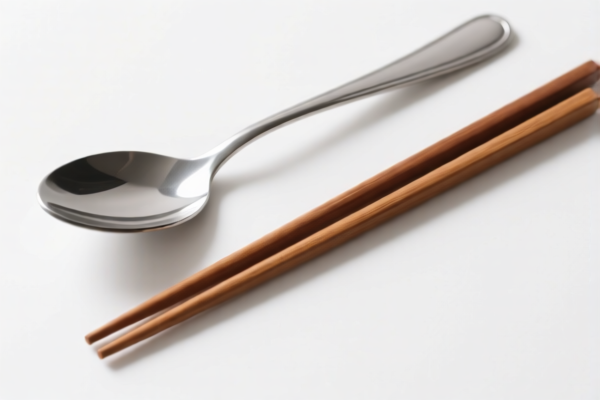
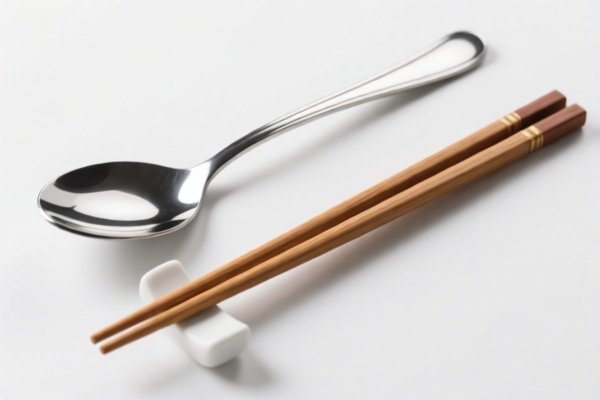
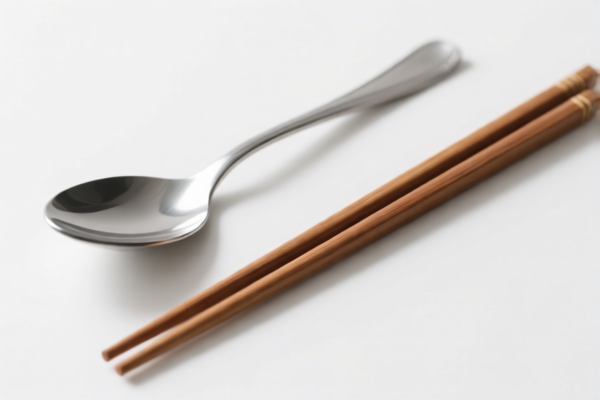
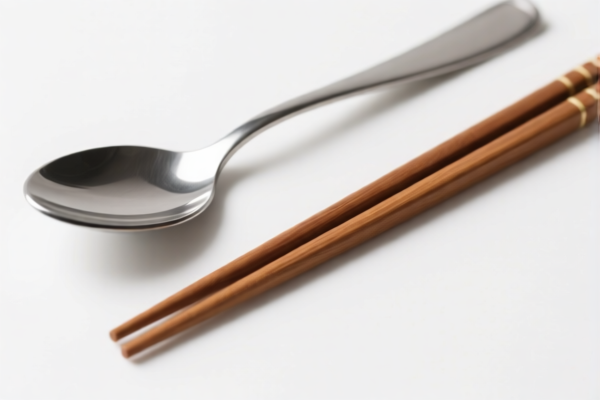
AI分析
🥣 Bowl and Spoon (Bowls & Spoons)
🌐 HS Code Reference & Customs Clearance Guide | 2026 Latest Tariff Analysis | Professional Level Strategy
📌 I. Product Definition and Classification: Do You Really Understand "Bowls and Spoons"?
Bowls and spoons are essential daily use items, categorized under tableware and kitchen utensils. In international trade, their classification depends heavily on material composition and specific usage scenarios. Misclassification often leads to significant tariff discrepancies (from 13.4% to 88.4%).
⚠️ Key Distinction Points:
- Plastic: Generally falls under Chapter 39; tariffs vary based on specific sub-headings and material thickness/form. - Metal (Iron/Steel): Falls under Chapter 73; highly sensitive to "Section 301" and "122 Section" tariffs. - Ceramic/China: Falls under Chapter 69; high base tariffs combined with additional duties.
📦 II. HS Code Classification Details (2026 Latest Tariff Authority Comparison)
Based on the provided data, here is the authoritative breakdown for "Bowls and Spoons":
| HS Code | Product Description | Applicable Scenario | Material |
|---|---|---|---|
3924.10.20.00 |
Plastic or non-metallic bowls/spoons, categorized as tableware | General plastic tableware | Plastic / Non-metal |
3924.10.40.00 |
Plastic bowls/spoons, conforming to tableware use | Specific plastic tableware item | Plastic |
7323.99.90.30 |
Iron or steel bowls/spoons, suitable for food-contact kitchen goods | Metal kitchen utensils | Iron / Steel |
7323.93.00.60 |
Stainless steel or metal bowls/spoons, belonging to kitchen utensils | Premium metal tableware | Stainless Steel / Metal |
6911.10.80.10 |
Ceramic bowls/spoons, conforming to tableware and kitchen goods use | General ceramic tableware | Ceramic |
6911.10.35.10 |
Porcelain bowls/spoons, categorized as tableware | High-grade porcelain tableware | Porcelain |
🔍 Key Reminder:
- Plastic items have the lowest total tax burden among the listed options. - Metal items (Steel/Iron) face the highest total tax burden due to layered additional tariffs. - Ceramic vs. Porcelain: While similar, they are split into different HS codes with distinct base rates (20.8% vs 26.0%).
💰 III. 2026 Latest Tariff Rate Details (Including Surtaxes, Policy Add-ons)
✅ Applicable Country: United States (US)
✅ Country of Origin: China (CN) (Inferred from tariff structure)
✅ Effective Date: Current (Includes subsequent imports)
🎯 1. 3924.10.20.00 — Plastic or Non-Metallic Bowls/Spoons
| Item | Content |
|---|---|
| Base Tariff | 6.5% |
| Surtax (Section 301/Other) | 7.5% |
| Section 122 Tariff | 10% |
| Total Tax Rate | 24.0% |
| Tax Calculation | CIF Value × 24% |
| De Minimis Eligibility | ❌ No (High tax rate usually excludes de minimis benefits for this category) |
| Legal Basis Path | Chapter 39 → 3924.10.20.00 → Base: 6.5% + Surtax: 7.5% + Sec 122: 10% |
📌 Explanation:
- This is the most cost-effective option for plastic tableware. - The total burden is moderate compared to metal or ceramic.
🎯 2. 3924.10.40.00 — Plastic Bowls/Spoons (Tableware Use)
| Item | Content |
|---|---|
| Base Tariff | 3.4% |
| Surtax | 0.0% |
| Section 122 Tariff | 10% |
| Total Tax Rate | 13.4% |
| Tax Calculation | CIF Value × 13.4% |
| De Minimis Eligibility | ❌ No |
| Legal Basis Path | Chapter 39 → 3924.10.40.00 → Base: 3.4% + Surtax: 0% + Sec 122: 10% |
📌 Critical Insight:
- Lowest Total Tax: At 13.4%, this is the cheapest classification for imported tableware. - Why 0% Surtax?: This specific sub-heading appears to be exempt from the standard "Surtax" (likely Section 301), retaining only the Base + Section 122 tariffs. - Strategy: If your plastic bowls/spoons fit this description, prioritize this HS Code to save 10.6% compared to the other plastic code.
🎯 3. 7323.99.90.30 — Iron or Steel Bowls/Spoons
| Item | Content |
|---|---|
| Base Tariff | 3.4% |
| Surtax | 25.0% |
| Section 122 Tariff | 10% |
| Steel/Aluminum/Copper Surtax | +50% |
| Total Tax Rate | 88.4% |
| Tax Calculation | CIF Value × 88.4% |
| De Minimis Eligibility | ❌ No |
| Legal Basis Path | Chapter 73 → 7323.99.90.30 → Base: 3.4% + Surtax: 25% + Sec 122: 10% + Steel Surtax: 50% |
📌 Warning:
- Extremely High Tariff: Nearly 90% tax burden. - Compound Taxes: The "Steel, Aluminum, Copper Products Surtax" (50%) applies on top of other surtaxes. - Advice: Avoid importing iron/steel tableware from China unless absolutely necessary due to profitability erosion.
🎯 4. 7323.93.00.60 — Stainless Steel Bowls/Spoons
| Item | Content |
|---|---|
| Base Tariff | 2.0% |
| Surtax | 0.0% |
| Section 122 Tariff | 10% |
| Steel/Aluminum/Copper Surtax | +50% |
| Total Tax Rate | 62.0% |
| Tax Calculation | CIF Value × 62.0% |
| De Minimis Eligibility | ❌ No |
| Legal Basis Path | Chapter 73 → 7323.93.00.60 → Base: 2.0% + Surtax: 0% + Sec 122: 10% + Steel Surtax: 50% |
📌 Comparison:
- Better than iron/steel (7323.99.90.30) because it avoids the 25% general surtax. - However, the 50% Steel Surtax still makes it prohibitively expensive for mass market.
🎯 5. 6911.10.80.10 — Ceramic Bowls/Spoons
| Item | Content |
|---|---|
| Base Tariff | 20.8% |
| Surtax | 7.5% |
| Section 122 Tariff | 10% |
| Total Tax Rate | 38.3% |
| Tax Calculation | CIF Value × 38.3% |
| De Minimis Eligibility | ❌ No |
| Legal Basis Path | Chapter 69 → 6911.10.80.10 → Base: 20.8% + Surtax: 7.5% + Sec 122: 10% |
📌 Note:
- Moderate-high cost. The base tariff is already high (20.8%). - No "Steel Surtax" applies, but the cumulative effect is still significant.
🎯 6. 6911.10.35.10 — Porcelain Bowls/Spoons
| Item | Content |
|---|---|
| Base Tariff | 26.0% |
| Surtax | 7.5% |
| Section 122 Tariff | 10% |
| Total Tax Rate | 43.5% |
| Tax Calculation | CIF Value × 43.5% |
| De Minimis Eligibility | ❌ No |
| Legal Basis Path | Chapter 69 → 6911.10.35.10 → Base: 26.0% + Surtax: 7.5% + Sec 122: 10% |
📌 Note:
- Highest base tariff among ceramics (26.0%). - Total tax is higher than general ceramic (38.3%) due to the higher base.
🛠️ IV. Customs Clearance Practical Advice (Combat Pitfall Guide)
✅ 1. Preparation Material Checklist (Non-negotiable)
| Material | Required | Description |
|---|---|---|
| ✅ Product Specifications | ✔️ | Material composition (e.g., "100% Polypropylene"), dimensions, weight |
| ✅ Material Declaration | ✔️ | Explicitly state "Plastic," "Stainless Steel," or "Porcelain" |
| ✅ Product Photos | ✔️ | Clear images of the bowl/spoon, showing no metallic coating (if plastic) |
| ✅ Commercial Invoice | ✔️ | Description must match HS Code (e.g., "Plastic Tableware" not just "Kitchenware") |
| ✅ Packing List | ✔️ | Show unit composition to prevent "kit" misclassification |
✅ 2. Declaration Techniques (Key Mantra)
🔥 "Material First, Code Right, Tax Rate Down!"
| Scenario | Correct Declaration | Wrong Practice |
|---|---|---|
| Plastic Bowls | 3924.10.40.00 (If applicable) |
Using 3924.10.20.00 → Pays 10.6% more |
| Stainless Steel | 7323.93.00.60 |
Using 7323.99.90.30 → Pays 26.4% more |
| Ceramic | 6911.10.80.10 |
Vague "Kitchen Utensils" → Leads to audit/penalty |
| Porcelain | 6911.10.35.10 |
Labeling as "Ceramic" → Wrong base rate (26% vs 20.8%) |
✅ 3. Special Situation Handling
| Situation | Handling Advice |
|---|---|
| Mixed Materials | If a spoon is plastic handle + metal head, classify as Metal (Chapter 73) → High Tax Risk |
| Set Items | If sold as a "Set," classify based on the essential character (usually the bowl or the metal component) |
| Food Contact | Ensure FDA compliance documents are ready; while not a tariff issue, non-compliance causes customs hold |
| Origin Marking | Clearly mark "Made in China" to avoid disputes on Section 122 applicability |
🌍 V. Global Major Market Comparison (2026 Latest)
| Country/Region | Recommended HS Code | Estimated Tax (China Origin) | Certification Requirements | Remarks |
|---|---|---|---|---|
| 🇺🇸 USA | 3924.10.40.00 (Plastic) |
13.4% | FDA + Prop 65 (if applicable) | Lowest tariff for plastic |
| 🇺🇸 USA | 7323.99.90.30 (Steel) |
88.4% | FDA | Extremely High; avoid if possible |
| 🇨🇳 China | 3924.10.40.00 |
3.4% | None | Base rate only, no surtaxes |
| 🇪🇺 EU | 3924.10.40.00 |
4.2% | LFGB / EC 1935/2004 | No Section 122 or 301 surtaxes |
| 🇬🇧 UK | 3924.10.40.00 |
4.0% | UKCA / FSA | Post-Brexit alignment with EU mostly |
📌 Conclusion:
- Plastic tableware (3924.10.40.00) is the most tariff-efficient for US import, especially compared to metal. - Steel/Iron tableware faces punitive tariffs in the US due to layered surtaxes. - EU/UK markets are far more favorable for all materials, with no "Section 122" or "301" equivalents.
📌 VI. Common Errors & Pitfall Guide (Blood & Tears Lessons)
❌ Error 1: Classifying Stainless Steel as General Metal (7323.99.90.30) when it should be 7323.93.00.60
👉 Consequence: Paying 26.4% extra tax (62% vs 88.4%? No, wait: 62% is lower than 88.4%. So misclassifying Stainless Steel as General Steel is more expensive. Correct is 7323.93.00.60 for Stainless.
Correction: If you have Stainless Steel, use 7323.93.00.60 (62%). If you use 7323.99.90.30 (88.4%), you pay 26.4% more.
❌ Error 2: Classifying Plastic under 3924.10.20.00 when 3924.10.40.00 is applicable
👉 Consequence: Paying 10.6% more tax (24% vs 13.4%).
Advice: Verify if your plastic items fit the specific description of 3924.10.40.00 to save money.
❌ Error 3: Vague Description "Kitchenware"
👉 Consequence: Customs may assign a higher default rate or demand additional verification.
Correct: Use "Plastic Bowl and Spoon Set" or "Stainless Steel Teaspoon."
✅ Correct Practice:
"Plastic Tableware: Bowls and Spoons, Material: Polypropylene, Use: Food Service, HS: 3924.10.40.00"
🎯 VII. Conclusion: Professional Declaration, Save Costs, Increase Profits!
🎯 Remember the Mantra:
🔹 "Plastic Check: 40 vs 20, Save 10 Points!"
🔹 "Steel Avoid: 88% is Death, 62% is Pain, Plastic is Gain!"
🔹 "HS Code Determines Life, Tax Rate Differs by 75 Points, Wrong Declaration Costs You Thousands!"
📌 Small Tips:
If your products are originated from Vietnam, Thailand, or Malaysia, you may avoid Section 122 and Section 301 surtaxes, reducing taxes to Base Rates Only (e.g., Plastic: 3.4% in US).
Recommend Advance Ruling if you are unsure about the specific plastic sub-heading.
📣 Immediate Action:
📞 Contact a professional customs broker + Provide product photos + Apply for HS Code Advance Ruling
🚀 Let your tableware clear customs smoothly, export efficiently, and double profits!
✨ Professional Clearance Starts with Precise Classification!
💼 Every cent of your cost deserves to be calculated precisely!
用户评价
关于 HS 编码归类
协调制度(HS)是由世界海关组织(WCO)制定的国际贸易商品分类标准。全球 200 多个国家采用 HS 系统作为海关关税、贸易统计和进出口监管的基础。
每个 HS 编码遵循以下层级结构:
- 章(2 位)——商品大类(例如:第 84 章:机器和机械设备)
- 品目(4 位)——章内的更具体分类
- 子目(6 位)——国际通用细分,所有 WCO 成员国统一使用
- 本国细分(8-10 位)——各国自行扩展的细分编码,如美国 HTSUS 10 位编码
正确的 HS 编码归类对于顺利通关、准确缴纳关税和遵守贸易法规至关重要。错误归类可能导致海关延误、多缴关税或罚款。
从CN进口到US时,适用的关税税率可能包括:
- 最惠国(MFN)税率——适用于 WTO 成员国的标准关税税率
- 普通税率——适用于无贸易协定国家
- 贸易救济关税——附加关税,如 301 条款(反倾销)、232 条款(国家安全)或反补贴税
本页内容仅供参考。如需正式归类,请咨询当地海关或持牌报关代理。