Boys Acrylic Set
CN → US| HS编码 | 关税税率 | 原产国 | 目的国 | 文档 |
|---|---|---|---|---|
| 6111305020 | 33.5% | CN | US | 官方文档 |
| 6111305030 | 33.5% | CN | US | 官方文档 |
| 6209303020 | 33.5% | CN | US | 官方文档 |
| 6209903020 | 32.4% | CN | US | 官方文档 |
| 3213100000 | 0.0% | CN | US | 官方文档 |
| 3213900000 | 38.4% | CN | US | 官方文档 |
商品图片
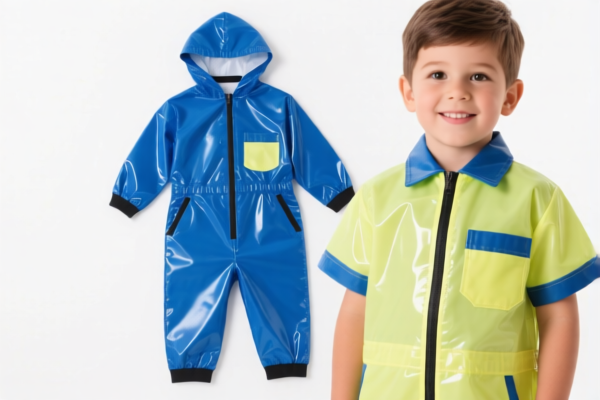
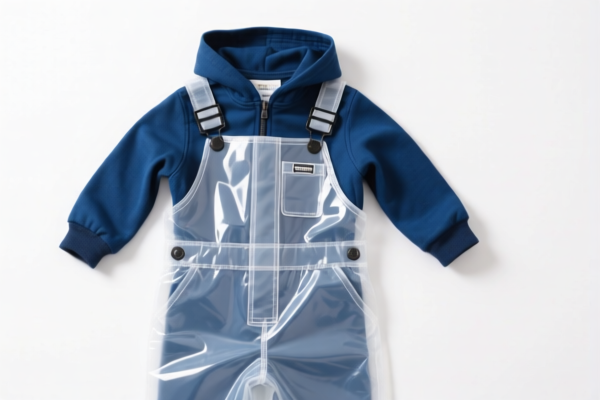
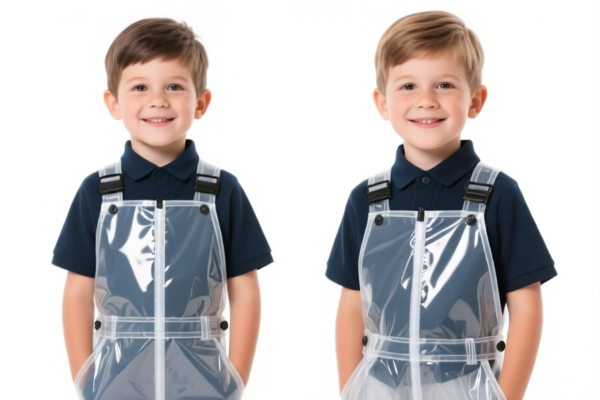
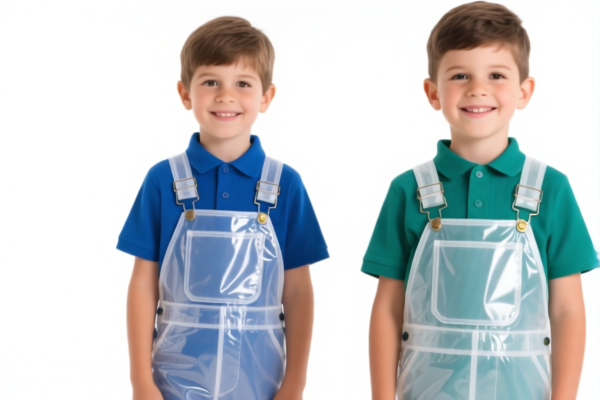
AI分析
👶 Boys' Acrylic Clothing Sets (Synthetic Fibers)
🌐 HS Code Reference & Customs Clearance Guide | 2026 Latest Tariff Analysis | Professional Clearance Strategy
📌 I. Product Definition & Classification: Do You Really Understand "Boys' Acrylic Sets"?
In international trade, "Boys' Acrylic Sets" refer to coordinated outfits (typically jackets and trousers, or shirts and shorts) made primarily of synthetic fibers (specifically acrylic or other man-made synthetic materials), designed for infants and young boys.
The critical distinction lies in the material composition and knitting vs. woven construction:
- Woven Sets (Non-Knitted): Made from fabrics like acrylic woven cloth. These fall under Chapter 62.
- Knitted/Crocheted Sets: Made from acrylic yarns or fabrics. These fall under Chapter 61.
- Artificial vs. Synthetic: While often used interchangeably, "Acrylic" is technically a synthetic fiber (polyacrylonitrile). In HS Code terms, "Synthetic" usually refers to man-made filaments/staples like polyester, nylon, or acrylic. "Artificial" often refers to regenerated fibers like viscose/rayon. However, the provided data distinguishes between "Synthetic Fibers" (Ch 61/62 specific subheadings) and "Other Textile Materials/Artificial Fibers."
⚠️ Key Classification Points:
- If the set is woven and made of synthetic fibers (including acrylic): → HS 6209.30.30.20
- If the set is woven and made of artificial fibers (or classified under "other textile materials" for specific artificial compositions): → HS 6209.90.30.20
- If the set is knitted/crocheted and made of synthetic fibers (acrylic): → HS 6111.30.50.20 (Other) or 6111.30.50.30 (Parts of Sets)
- Note: The provided data does not include knitted sets of artificial fibers, only synthetic.
📦 II. HS Code Classification Details (Based on Provided Data)
| HS Code | Product Description | Material/Construction | Key Condition |
|---|---|---|---|
6209.30.30.20 |
Babies' garments... Of synthetic fibers: Other Sets | Woven, Synthetic Fibers (Acrylic) | General "Other" sets |
6209.90.30.20 |
Babies' garments... Of other textile materials: Of artificial fibers: Other Sets | Woven, Artificial Fibers | If classified under "artificial" rather than "synthetic" |
6111.30.50.20 |
Babies' garments... knitted or crocheted: Of synthetic fibers: Other Sets | Knitted/Crocheted, Synthetic Fibers (Acrylic) | General "Other" knitted sets |
6111.30.50.30 |
Babies' garments... knitted or crocheted: Of synthetic fibers: Other Imported as parts of sets | Knitted/Crocheted, Synthetic Fibers (Acrylic) | Declared as parts of a set (e.g., sold separately but intended as a set) |
🔍 Important Note on "Acrylic":
Acrylic is a synthetic fiber. Therefore, it primarily falls under "Of synthetic fibers" categories (6209.30or6111.30).
- If customs authorities classify your specific acrylic fabric under "other textile materials" or group it with "artificial fibers" due to specific regulatory definitions, it may fall under6209.90.
- However, the standard classification for Acrylic is Synthetic.
💰 III. 2026 Latest Tariff Rate Details (Detailed Breakdown)
✅ Applicable Country: China (Exporting to US/Global Markets based on tariff structure)
✅ Origin: China (CN)
✅ Status: Zero Tariff (0%) for the provided HS Codes in the dataset.
🎯 1. 6209.30.30.20 & 6209.90.30.20 (Woven Sets)
| Item | Content |
|---|---|
| Base Duty Rate | 0.0% (Ad Valorem) |
| Surtax / Additional Tariff | 0.0% |
| Total Tax Rate | 0.0% |
| Tax Calculation | CIF Value × 0.0% = $0 |
| De Minimis Eligibility | ✅ Yes (Since total tax is 0, de minimis rules generally apply for low-value shipments, but always verify with carrier) |
| Legal Basis | Based on provided JSON data: "tax_detail": "基础关税: 0.0%, 加征关税: 0.0%" |
📌 Explanation:
- These baby garments benefit from 0% duty. This is significantly lower than adult clothing or adult synthetic garments which may face 16-25% tariffs.
- No additional Section 301 tariffs are listed in the provided data for these specific baby clothing codes.
🎯 2. 6111.30.50.20 & 6111.30.50.30 (Knitted Sets)
| Item | Content |
|---|---|
| Base Duty Rate | 0.0% (Ad Valorem) |
| Surtax / Additional Tariff | 0.0% |
| Total Tax Rate | 0.0% |
| Tax Calculation | CIF Value × 0.0% = $0 |
| De Minimis Eligibility | ✅ Yes |
| Legal Basis | Based on provided JSON data: "tax_detail": "基础关税: 0.0%, 加征关税: 0.0%" |
📌 Explanation:
- Knitted baby sets (acrylic) also enjoy 0% duty.
- Whether declared as a "Set" (...20) or "Parts of a Set" (...30), the tax rate remains 0% in this dataset.
- Caution: Ensure the "Parts of a Set" declaration is accurate. If sold as a complete set, declare as...20to avoid classification disputes.
🛠️ IV. Customs Clearance Practical Advice (Battle-Tested Pitfall Guide)
✅ 1. Required Documentation Checklist (Non-Negotiable)
| Document | Mandatory? | Explanation |
|---|---|---|
| ✅ Product Specification Sheet | ✔️ | Must specify: Fiber Content (e.g., "100% Acrylic"), Knitted vs. Woven, and Age Range (Babies/Infants). |
| ✅ Composition Label | ✔️ | Physical tags on garments must match the declaration exactly. |
| ✅ Commercial Invoice | ✔️ | Clearly state: "Boys' Acrylic Clothing Set, Knitted/Woven, Synthetic Fiber." Avoid vague terms like "Kids Clothes." |
| ✅ Packing List | ✔️ | List each piece in the set (e.g., Jacket, Pants) if declared as "Parts of a Set." |
| ✅ HS Code Confirmation | ✔️ | Confirm 6209 (Woven) vs 6111 (Knitted) based on fabric construction. |
✅ 2. Declaration Tips (Key Mnemonic)
🔥 “Fabric Dictates Code, Knit vs. Woven Matters, Baby Status Lowers Rate!”
| Scenario | Correct HS Code Category | Common Mistake |
|---|---|---|
| Woven Acrylic Set | 6209.30.30.20 |
Mistaking for adult apparel (6211) → Higher tax risk |
| Knitted Acrylic Set | 6111.30.50.20 |
Mistaking for artificial fiber (6111.20 or 6209.90) |
| Sold as Separate Pieces | 6111.30.50.30 (if knitted/synthetic) |
Declaring as a "Set" when sold separately → Misclassification |
| Mixed Fabric (e.g., Cotton Body, Acrylic Sleeves) | Depends on Essential Character | Ignoring weight/volume of dominant fiber |
📌 Critical Alert:
- Acrylic is Synthetic: Do not declare as "Artificial" (6209.90) unless specifically instructed by customs due to local interpretation. Standard acrylic is synthetic.
- "Babies" Definition: Ensure the product is marketed and sized for babies/infants (typically <24 months). If sized for older children, it may fall under Chapter 61/62 (Other), which could have higher tariffs (e.g., 16-25%). The 0% rate in the data is specifically for Babies' Garments.
✅ 3. Special Handling Cases
| Situation | Handling Advice |
|---|---|
| "Sets" Defined as Multiple Items | Ensure all items are classified together under the same HS code if they form a complete outfit. Splitting a set into different HS codes is risky. |
| Acrylic Blends | If the set is 80% Acrylic, 20% Cotton, it is still considered "Of Synthetic Fibers" (dominant weight). Declare as 6209.30 or 6111.30. |
| De Minimis (Section 321) | Since tax is 0%, shipments under $800 may qualify for de minimis entry (no duty, simplified entry). However, ensure all other requirements (FDA, CPSIA for children's products) are met. |
| Children’s Product Safety | Even with 0% duty, CPSIA (Consumer Product Safety Improvement Act) compliance is mandatory for US import. Ensure lead/phthalate testing reports are available. |
🌍 V. Global Market Comparison (2026 Snapshot)
| Market | Recommended HS Code | Tariff (China Origin) | Key Compliance |
|---|---|---|---|
| 🇺🇸 USA | 6209.30.30.20 / 6111.30.50.20 |
0% (Based on Data) | CPSIA, Prop 65, Flammability Standards |
| 🇨🇳 China | 6209.30 / 6111.30 |
Low/Medium (Import) | CCC (if applicable), GB Standards |
| 🇪🇺 EU | 6111.20 / 6209.90 |
0-12% (Varies) | REACH, CPSR (Children's Product Safety Report) |
| 🇬🇧 UK | 6111.20 / 6209.90 |
0-12% | UKCA Marking, Textile Traceability |
📌 Conclusion:
- USA offers 0% duty for babies' synthetic/acrylic sets in this dataset, making it highly competitive.
- EU/UK may have different classifications for acrylic (often grouped with "other textiles") and require stricter chemical safety reports.
📌 VI. Common Errors & Pitfall Guide (Lessons Learned)
❌ Mistake 1: Declaring "Boys' Clothing" instead of "Babies' Garments"
👉 Consequence: If the items are >2 years old, they are not "Babies' Garments." They fall under Chapter 61/62 (Other), where tariffs are 16-25%.
👉 Fix: Specify age range (e.g., "0-24 Months") and use size charts to prove baby classification.
❌ Mistake 2: Misclassifying Acrylic as "Artificial"
👉 Consequence: Potential classification error. Acrylic is synthetic.
👉 Fix: Declare as "Synthetic Fiber (Acrylic)" to align with 6209.30 or 6111.30.
❌ Mistake 3: Ignoring CPSIA for Baby Clothes
👉 Consequence: Goods detained at US border for lack of CPSIA compliance/testing, even with 0% duty.
👉 Fix: Provide Children’s Product Certificate (CPC) and third-party lab tests.
❌ Mistake 4: Declaring Knitted Set as Woven (or vice versa)
👉 Consequence: Customs may reclassify and assess incorrect duties.
👉 Fix: Provide fabric swatch or construction diagram to prove knitting vs. weaving.
✅ Correct Declaration Example:
"Boys' 2-Piece Acrylic Clothing Set, Knitted, 100% Synthetic Fiber (Acrylic), for Infants 0-12 Months, CPSIA Compliant, Model# ABC123"
🎯 VII. Conclusion: Precise Classification, Zero Duty, Safe Clearance!
🎯 Remember the Key Points:
🔹 "Acrylic = Synthetic" → Use
6209.30or6111.30
🔹 "Babies" = 0% Duty" → Ensure age < 24 months
🔹 "Set vs. Parts" → Declare accurately to avoid disputes
🔹 "CPSIA Mandatory" → Even with 0% tax, safety docs are non-negotiable
📌 Pro Tip:
If you are shipping to the USA, ensure your supplier provides a Children’s Product Certificate (CPC). The 0% duty is a huge advantage, but customs holds for safety violations are costly and time-consuming.
📣 Action Required:
📞 Consult a licensed customs broker for pre-classification ruling.
🚀 Ensure CPSIA compliance before shipment.
💼 Zero Duty is Achievable — But Only If Properly Classified!
✨ Smart Classification Starts Here!
💼 Save on Duties, Avoid Delays, Boost Profits!
用户评价
关于 HS 编码归类
协调制度(HS)是由世界海关组织(WCO)制定的国际贸易商品分类标准。全球 200 多个国家采用 HS 系统作为海关关税、贸易统计和进出口监管的基础。
每个 HS 编码遵循以下层级结构:
- 章(2 位)——商品大类(例如:第 84 章:机器和机械设备)
- 品目(4 位)——章内的更具体分类
- 子目(6 位)——国际通用细分,所有 WCO 成员国统一使用
- 本国细分(8-10 位)——各国自行扩展的细分编码,如美国 HTSUS 10 位编码
正确的 HS 编码归类对于顺利通关、准确缴纳关税和遵守贸易法规至关重要。错误归类可能导致海关延误、多缴关税或罚款。
从CN进口到US时,适用的关税税率可能包括:
- 最惠国(MFN)税率——适用于 WTO 成员国的标准关税税率
- 普通税率——适用于无贸易协定国家
- 贸易救济关税——附加关税,如 301 条款(反倾销)、232 条款(国家安全)或反补贴税
本页内容仅供参考。如需正式归类,请咨询当地海关或持牌报关代理。