Boys Cotton Recreational Performance Outerwear
CN → US| HS编码 | 关税税率 | 原产国 | 目的国 | 文档 |
|---|---|---|---|---|
| 6201305051 | 26.9% | CN | US | 官方文档 |
| 6201405011 | 45.2% | CN | US | 官方文档 |
| 6101302010 | 45.7% | CN | US | 官方文档 |
| 6103220020 | 0.0% | CN | US | 官方文档 |
| 6103220030 | 0.0% | CN | US | 官方文档 |
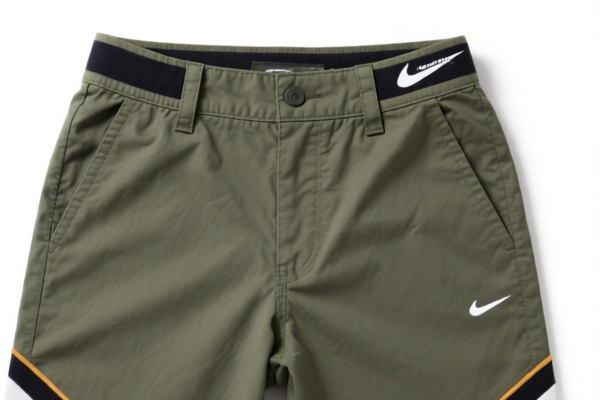
商品图片



AI分析
🧢🧥 Boys Cotton Recreational Performance Outerwear: HS Code & US Tariff Guide (2026)
🌐 HS Code Reference & Clearance Strategy | 2026 Latest Tariff Breakdown | Professional Export Compliance
📌 I. Product Definition & Classification: Is It Cotton or Synthetic?
"Boys Cotton Recreational Performance Outerwear" refers to jackets, coats, or suits designed for male children, specifically intended for casual or sports-related activities. In international trade, the classification hinges on two critical factors: Material Composition and Garment Form (Jacket vs. Ensemble/Suit).
The Critical Distinction: * Cotton vs. Synthetic: The material dictates the HS Code chapter (6201 for woven cotton, 6101 for knitted, 6103 for sets). * Jacket vs. Suit (Ensemble): A single outerwear piece (jacket) differs tax-wise from a "suit" (matching jacket + trousers/skirt) worn as a single unit.
⚠️ Key Classification Logic:
- Woven Cotton Jacket (6201) → Lower base tax, but high US surcharges.
- Knitted/Synthetic Jacket (6101/6201) → Higher base tax due to material origin rules.
- Boys' Suit (Jacket + Pants) (6103) → Tax is calculated "Rate Applicable to Each Garment" + Surcharges.
📦 II. HS Code Classification Matrix (2026 US Tariff Data)
Based on the specific descriptions provided for Boys' Cotton Recreational Outerwear, here are the exact classifications and their associated tax structures.
| HS Code | Product Description (Summary) | Material/Form Analysis | Applicable Tax Rate |
|---|---|---|---|
| 6201.30.50.51 | Boys' Recreational Outerwear (Woven) | Material: Inferred Cotton. Form: Jacket/Coat matching recreational use. Key: Woven outerwear, cotton. |
26.9% |
| 6201.40.50.11 | Boys' Recreational Outerwear (Synthetic) | Material: Inferred Man-made Fibers/Synthetic. Form: Jacket. Key: Woven, non-cotton. |
45.2% |
| 6101.30.20.10 | Boys' Outerwear (Knitted/Synthetic) | Material: Man-made Fibers or Cotton. Form: Knitted/Jacket. Key: Knitted structure, high base rate. |
45.7% |
| 6103.22.00.20 | Boys' Cotton Recreational Suit (Knitted) | Material: 100% Cotton. Form: Suit/Ensemble (Jacket + Pants). Key: Taxed as "each garment in ensemble." |
(Ensemble Rate) + 17.5% |
| 6103.22.00.30 | Boys' Cotton Recreational Suit (Knitted) | Material: 100% Cotton. Form: Suit/Ensemble. Key: No material/use conflict; taxed per garment. |
(Ensemble Rate) + 17.5% |
💰 III. 2026 US Tariff Breakdown & Policy Details
✅ Target Market: United States (US)
✅ Origin: China (CN) (Implied by specific surcharge structure)
✅ Tax Structure: Base Tariff + Section 301 (Add-on) + Section 122 (Reciprocal)
🎯 1. Woven Cotton Jacket: HS Code 6201.30.50.51
The "Cotton Advantage" (Relative)
| Component | Rate | Description |
|---|---|---|
| Base Tariff | 9.4% | Standard Most-Favored-Nation (MFN) rate for woven cotton jackets. |
| Section 301 Add-on | 7.5% | "Section 301" (Often labeled as "Add-on" in legacy data) applies to certain apparel. |
| Section 122 | 10.0% | Reciprocal Tariff (Section 122): Applied to goods from specific countries in retaliation or trade imbalance. |
| TOTAL TAX | 26.9% | Lowest among the cotton options. |
📌 Why 26.9%?
This code represents the most favorable classification for Cotton woven outerwear. The base tariff is low (9.4%), but the mandatory US add-ons (7.5% + 10%) push the total to nearly 27%.
🎯 2. Woven Synthetic Jacket: HS Code 6201.40.50.11
The "Synthetic Penalty"
| Component | Rate | Description |
|---|---|---|
| Base Tariff | 27.7% | Higher base rate for man-made fibers (polyester, nylon, etc.). |
| Section 301 Add-on | 7.5% | Mandatory surcharge. |
| Section 122 | 10.0% | Mandatory reciprocal tariff. |
| TOTAL TAX | 45.2% | High Cost. |
📌 Critical Insight:
If the material is Synthetic, the base tariff jumps from 9.4% to 27.7%. Combined with surcharges, the cost nearly doubles compared to cotton. Material verification is critical!
🎯 3. Knitted Outerwear (Man-made): HS Code 6101.30.20.10
The "Knitted & Synthetic" Challenge
| Component | Rate | Description |
|---|---|---|
| Base Tariff | 28.2% | Base rate for knitted outerwear, man-made fibers. |
| Section 301 Add-on | 7.5% | Mandatory surcharge. |
| Section 122 | 10.0% | Mandatory reciprocal tariff. |
| TOTAL TAX | 45.7% | Highest Base Rate. |
📌 Note: This code applies if the jacket is Knitted (not woven) and made of Man-made fibers. The base rate is even higher than the woven synthetic version.
🎯 4 & 5. Boys' Cotton Suits (Ensembles): HS Code 6103.22.00.20 / .30
The "Suit Calculation Trap"
| Component | Rate | Description |
|---|---|---|
| Base Tariff | Ensemble Rate | Calculated as: Rate(Jacket) + Rate(Pants) if sold separately. |
| Section 301 Add-on | 7.5% | Applied to the ensemble value. |
| Section 122 | 10.0% | Applied to the ensemble value. |
| TOTAL TAX | Ensemble Rate + 17.5% | Complex Calculation. |
📌 Crucial Warning:
For suits (jacket + pants), the US does not apply a flat "suit" tariff. Instead, it calculates:
(Tariff on Jacket) + (Tariff on Pants) + 7.5% + 10%.
This often results in a cumulative tax burden higher than a single jacket if the pants are taxed heavily.
🛠️ IV. Clearance Practical Advice (Actionable Strategies)
✅ 1. Material Declaration Strategy (The #1 Pitfall)
- The Trap: Declaring "Cotton" when the fabric contains 5% polyester can shift your classification from 6201.30 (9.4%) to 6201.40 (27.7%).
- The Fix: Ensure lab tests are provided. If the composition is 95%+ Cotton, stick to 6201.30.50.51.
- Action: If the material is synthetic, do not attempt to misclassify as cotton. The 18.3% difference in base tariff will trigger audits.
✅ 2. "Suit" vs. "Jacket" Packaging
- The Trap: Shipping a jacket and pants as a "Suit" (HS 6103) when they are intended to be worn separately.
- The Fix: If the pants and jacket are not "set out for retail sale as a suit," consider separating them in the invoice if possible, or ensuring they truly meet the "ensemble" definition in Section XI Note 3.
- Tip: Suits often attract higher scrutiny due to the "Rate Applicable to Each Garment" calculation.
✅ 3. Documentation Checklist for US Customs (CBP)
| Document | Requirement | Why? |
|---|---|---|
| Fiber Content Tag | Must be visible & accurate | To prove 6201.30 (Cotton) vs 6201.40 (Synthetic). |
| Woven vs. Knitted Spec | Fabric swatch or weave diagram | To distinguish Chapter 62 (Woven) from Chapter 61 (Knitted). |
| Invoice (Commercial) | Must list "Boys' Recreational Outerwear" | Must match HS Code summary exactly. |
| Bill of Materials (BOM) | Detailed fabric breakdown | To defend against "Section 122" origin challenges. |
🌍 V. Global Market Comparison (2026 Context)
| Market | HS Code Strategy | Estimated Total Cost | Notes |
|---|---|---|---|
| 🇺🇸 USA | 6201.30.50.51 (Cotton) | 26.9% | Best option. High base for synthetic (45.2%). |
| 🇪🇺 EU | 6201.30 (Cotton) | ~5-10% | No Section 122. No Section 301 surcharges. |
| 🇯🇵 Japan | 6201.30 (Cotton) | ~5-10% | No reciprocal tariffs. |
| 🇨🇦 Canada | 6201.30 (Cotton) | ~5-10% | No Section 122. |
📌 Conclusion: The USA is the most expensive market for this product due to the 17.5% mandatory surcharges (7.5% + 10%). - Cotton is the only viable path to minimize costs in the US. - Synthetic options face a ~45% tax burden, effectively killing profit margins.
🚨 VI. Common Errors & Avoidance (Blood & Sweat Lessons)
❌ Error 1: Material Mix-up
👉 Consequence: Declaring 100% Cotton but the fabric is 50/50 blend.
👉 Result: Classification shifts to 6201.40.50.11 → Tax jumps from 26.9% to 45.2%.
✅ Fix: Always run a third-party fiber analysis.
❌ Error 2: Ignoring "Section 122" (10%)
👉 Consequence: Budgeting only for the 9.4% base tariff.
👉 Result: 17.5% extra cost appears at the dock.
✅ Fix: Budget Total Tax (Base + 17.5%), not just Base.
❌ Error 3: Misclassifying Suits
👉 Consequence: Applying a "suit" flat rate instead of summing jacket + pants.
👉 Result: Underpayment, leading to CBP audits and penalties.
✅ Fix: Calculate the "Rate Applicable to Each Garment" precisely.
🎯 VII. Final Verdict: The "Cotton is King" Strategy
For Boys Cotton Recreational Performance Outerwear entering the US:
- Aim for HS Code 6201.30.50.51: It offers the lowest possible total tax at 26.9%.
- Avoid 6201.40: The synthetic version hits 45.2%.
- Avoid 6101.30: Knitted synthetic hits 45.7%.
- Suits (6103): Only use if the "Jacket + Pants" ensemble definition is strictly met; otherwise, the calculation complexity is a risk.
🔥 Pro Tip: If you have a choice between Woven Cotton and Woven Synthetic, Woven Cotton is the clear winner for US imports. The 18.3% base tariff difference is massive.
✨ Clearance is Precision, Not Guesswork!
💼 Verify your fabric content NOW to save 18.3% in tariffs.
用户评价
关于 HS 编码归类
协调制度(HS)是由世界海关组织(WCO)制定的国际贸易商品分类标准。全球 200 多个国家采用 HS 系统作为海关关税、贸易统计和进出口监管的基础。
每个 HS 编码遵循以下层级结构:
- 章(2 位)——商品大类(例如:第 84 章:机器和机械设备)
- 品目(4 位)——章内的更具体分类
- 子目(6 位)——国际通用细分,所有 WCO 成员国统一使用
- 本国细分(8-10 位)——各国自行扩展的细分编码,如美国 HTSUS 10 位编码
正确的 HS 编码归类对于顺利通关、准确缴纳关税和遵守贸易法规至关重要。错误归类可能导致海关延误、多缴关税或罚款。
从CN进口到US时,适用的关税税率可能包括:
- 最惠国(MFN)税率——适用于 WTO 成员国的标准关税税率
- 普通税率——适用于无贸易协定国家
- 贸易救济关税——附加关税,如 301 条款(反倾销)、232 条款(国家安全)或反补贴税
本页内容仅供参考。如需正式归类,请咨询当地海关或持牌报关代理。