Braided Handbag Outdoor Casual
CN → US| HS编码 | 关税税率 | 原产国 | 目的国 | 文档 |
|---|---|---|---|---|
| 4602112100 | 41.2% | CN | US | 官方文档 |
| 4602192920 | 40.3% | CN | US | 官方文档 |
| 4202224020 | 42.4% | CN | US | 官方文档 |
| 4202228980 | 52.6% | CN | US | 官方文档 |
商品图片
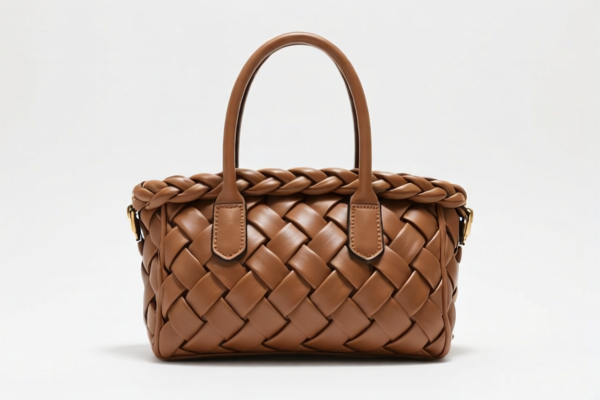
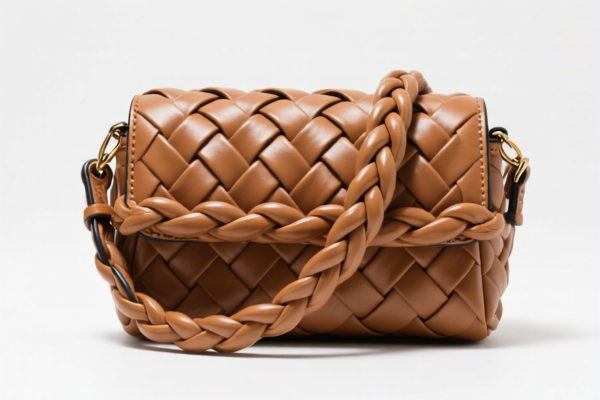
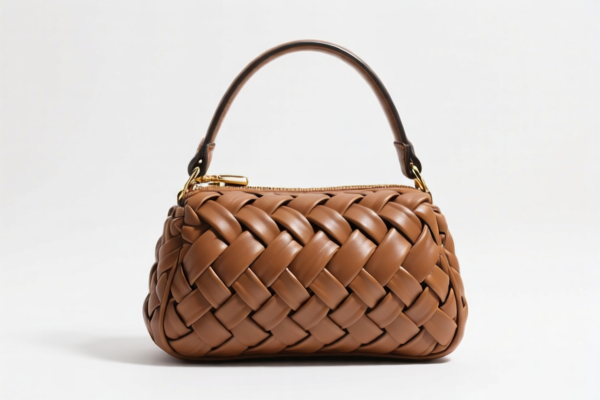
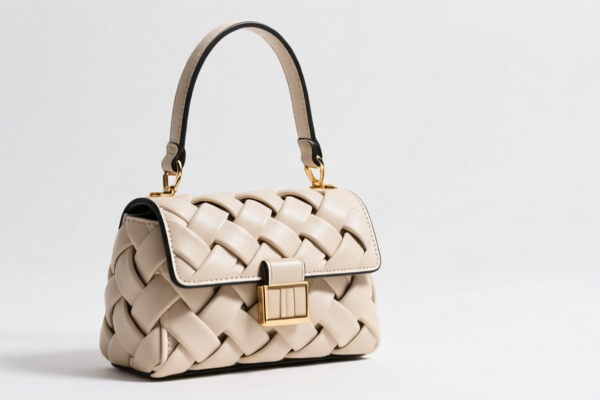
AI分析
👜 Braided Handbag: Outdoor Casual (Woven & Plant-Material Bags)
🌐 HS Code Reference & Customs Clearance Guide | 2026 Latest Tariff Analysis | Professional Strategy for Eco-Friendly Fashion
📌 I. Product Definition & Classification: What Exactly is a "Braided Handbag"?
Braided handbags, often marketed as "eco-friendly," "wicker," or "straw" bags, are non-metal accessories made from natural or synthetic woven materials. In international trade, classification is highly sensitive to the specific raw material. A slight difference in material composition can shift the HS Code from Chapter 46 (Basketware) to Chapter 42 (Articles of Leather/Travel Goods), drastically altering your tax liability.
Key Distinction by Material: * Plant-Based (Bamboo, Rattan, Cane, Straw): Typically classified under Chapter 46 (Woven materials of vegetable materials). * Textile/Synthetic Woven (Plastic strips, raffia, other textile fibers): Typically classified under Chapter 42 (Travel goods, handbags).
⚠️ Critical Warning:
- If the bag is made of bamboo/rattan/cane: It is "Basketware" → HS 4602.
- If the bag is made of plastic weaving, straw-like textiles, or other fabric weaves: It is a "Handbag" → HS 4202.
- Misclassification here is the #1 cause of customs delays and penalties.
📦 II. HS Code Classification Details (2026 Latest Tariff Concordance)
Based on the provided data, there are 4 specific HS Codes for braided handbags. Here is the breakdown:
| HS Code | Product Description | Material Specification | Tax Rate (Total) |
|---|---|---|---|
| 4602.11.21.00 | Braided handbag, material: Bamboo, Rattan, etc. | Natural Vegetable Materials (Bamboo, Rattan, Cane, Wicker) | 41.2% |
| 4602.19.29.20 | Braided handbag, material: Woven products of vegetable materials | Other Vegetable Materials (Straw, Papyrus, other plant fibers not specifically bamboo/rattan) | 40.3% |
| 4202.22.40.20 | Braided handbag, material: Woven materials | Woven Textile/Synthetic Materials (Plastic strips, synthetic raffia, woven fabric) | 42.4% |
| 4202.22.89.80 | Braided handbag, material: Other textile materials | Other Textiles (Non-woven textiles, blended woven materials, specific textile weaves) | 52.6% |
🔍 Key Insight:
- Cheapest Tariff:4602.19.29.20(40.3%) for general vegetable woven products.
- Most Expensive:4202.22.89.80(52.6%) for "Other textile materials."
- Chapter Split: Notice the jump from ~41% (Chapter 46) to ~52% (Chapter 42). Using the wrong chapter can cost you ~12% more in duties.
💰 III. 2026 Latest Tariff Rate Breakdown (Including Surcharge & Policy Add-ons)
✅ Applicable Country: United States (US)
✅ Origin: China (CN)
✅ Effective Date: November 10, 2025 (and onwards)
🎯 1. 4602.11.21.00 — Bamboo/Rattan Braided Handbag
| Item | Content |
|---|---|
| Base Rate | 6.2% (Ad Valorem) |
| Section 301 Surcharge | +25.0% (Additional Duty under US Trade Law 301) |
| Section 122 Surcharge | +10.0% (Specific duty for certain woven goods) |
| Total Effective Rate | 41.2% |
| Calculation | CIF Value × 41.2% |
| De Minimis Exemption | ❌ Not Eligible (Cannot use Section 321/De Minimis for this classification) |
| Legal Basis | USITC:4602.11.21.00 → 301:Footnote 301.88.01 → 122:Specific Statute |
📌 Explanation:
- Bamboo and rattan are subject to both the general Section 301 (25%) and the specific Section 122 (10%) tariffs for woven basketware.
- Total 41.2% is unavoidable for these materials if shipped from China.
🎯 2. 4602.19.29.20 — Other Vegetable Material Braided Handbag
| Item | Content |
|---|---|
| Base Rate | 5.3% |
| Section 301 Surcharge | +25.0% |
| Section 122 Surcharge | +10.0% |
| Total Effective Rate | 40.3% |
| Calculation | CIF Value × 40.3% |
| De Minimis Exemption | ❌ Not Eligible |
| Legal Basis | USITC:4602.19.29.20 → 301:Footnote 301.88.01 → 122:Specific Statute |
📌 Note:
- This code applies to bags made of straw, papyrus, or other plant fibers that are not strictly bamboo/rattan.
- Savings: 0.9% cheaper than bamboo/rattan (4602.11.21.00). Ensure your material is NOT bamboo to qualify.
🎯 3. 4202.22.40.20 — Braided Handbag (Woven Materials)
| Item | Content |
|---|---|
| Base Rate | 7.4% |
| Section 301 Surcharge | +25.0% |
| Section 122 Surcharge | +10.0% |
| Total Effective Rate | 42.4% |
| Calculation | CIF Value × 42.4% |
| De Minimis Exemption | ❌ Not Eligible |
| Legal Basis | USITC:4202.22.40.20 → 301:Footnote 301.88.01 → 122:Specific Statute |
📌 Explanation:
- This falls under Chapter 42 (Handbags).
- The base rate is higher (7.4% vs 5.3%-6.2%) because handbags generally attract higher duties than basketware.
- Applies to synthetic weaves, plastic strips, or non-vegetable woven fabrics.
🎯 4. 4202.22.89.80 — Braided Handbag (Other Textile Materials)
| Item | Content |
|---|---|
| Base Rate | 17.6% |
| Section 301 Surcharge | +25.0% |
| Section 122 Surcharge | +10.0% |
| Total Effective Rate | 52.6% |
| Calculation | CIF Value × 52.6% |
| De Minimis Exemption | ❌ Not Eligible |
| Legal Basis | USITC:4202.22.89.80 → 301:Footnote 301.88.01 → 122:Specific Statute |
📌 Warning:
- Highest Tax Bracket! This code captures "Other textile materials" not specified elsewhere.
- If your bag uses blended fabrics, non-woven textiles, or complex textile weaves, it likely falls here.
- Cost Impact: 10.2% higher than bamboo/rattan. Avoid this classification if possible by refining material descriptions.
🛠️ IV. Customs Clearance Practical Advice (Pitfall Avoidance Guide)
✅ 1. Document Preparation Checklist (Must-Haves)
| Document | Required | Details |
|---|---|---|
| ✅ Material Declaration | ✔️ | Crucial! Must explicitly state: "100% Bamboo," "Rattan & Cotton Lining," or "PP Plastic Weave." Vague terms like "Woven Material" risk misclassification. |
| ✅ Product Photos | ✔️ | Clear images showing texture, weave type, and structure. Distinguish between natural plant fiber vs. synthetic plastic strip. |
| ✅ Commercial Invoice | ✔️ | Must match HS Code exactly. Description: "Braided Handbag, Bamboo" vs. "Braided Handbag, Plastic Weave." |
| ✅ Packing List | ✔️ | Weight and dimensions. Heavy items may trigger additional freight-based checks. |
| ✅ Certificate of Origin | ✔️ | Proof of Chinese origin triggers the 25% + 10% surcharges. |
✅ 2. Classification Strategy (Key Mnemonics)
🔥 “Plant is 46, Fabric is 42; Wrong Chapter, Lose Cash!”
| Scenario | Correct HS Code | Wrong Code Risk |
|---|---|---|
| Bamboo/Rattan Bag | 4602.11.21.00 |
If misclassified as 4202, tax jumps to 42.4% or 52.6%. |
| Straw/Papyrus Bag | 4602.19.29.20 |
If misclassified as "Textile," tax jumps to 42.4%+. |
| Plastic Strip Bag | 4202.22.40.20 |
If misclassified as "Plant,"海关 (Customs) will reject it (plants ≠ plastic). |
| Complex Textile Weave | 4202.22.89.80 |
Avoid if possible; seek cheaper alternatives or negotiate material specs. |
✅ 3. Special Situations & Solutions
| Situation | Handling Advice |
|---|---|
| Mixed Materials | e.g., Bamboo body + Leather handle. Rule: Classify based on the essential character. If bamboo is the main visual/structural component, likely 4602. If leather handles dominate value, may shift to 4202. Consult a customs broker! |
| Lined Bags | Adding cotton/nylon lining does not change the chapter if the outer material remains plant-based. Still 4602. |
| De Minimis (Section 321) | ❌ Not Applicable. These HS Codes are explicitly excluded from the $800 de minimis exemption due to the 301/122 tariffs. Full duties apply. |
| Country of Origin | If made in Vietnam/Thailand (not China), you MAY avoid the 25% Section 301 tariff. Action: Ensure Certificate of Origin states non-China origin to reduce tax significantly. |
🌍 V. Global Market Comparison (2026 Update)
| Market | Recommended HS Code | Est. Total Tax (China Origin) | Key Requirement |
|---|---|---|---|
| 🇺🇸 USA | 4602.11.21.00 / 4202.22.40.20 |
40.3% – 52.6% | Strict Section 122 & 301 enforcement. |
| 🇨🇳 China | 4602.11.21.00 |
~5% - 10% | CCC/FSC if applicable. |
| 🇪🇺 EU | 4602.11 |
~0% - 4% | No Section 301. CE/RoHS if applicable. |
| 🇬🇧 UK | 4602.11 |
~5% - 15% | Post-Brexit rules. No US-style surcharges. |
| 🇦🇺 Australia | 4602.11 |
~5% | GSTR 10% on import value. |
📌 Strategic Insight:
- USA is the most expensive market due to punitive tariffs.
- Consider Supply Chain Shift: Manufacturing in Vietnam or Indonesia can bypass the 25% Section 301 tariff, potentially reducing total tax to ~10-15% (depending on base rate).
📌 VI. Common Errors & Pitfalls (Lessons Learned)
❌ Error 1: Describing bamboo bags as "Wicker Handbag" without specifying material.
👉 Consequence: Customs may classify as generic 4202 (52.6%) instead of 4602 (41.2%). Loss: 11.4%.
❌ Error 2: Assuming "Braided" means it’s a textile.
👉 Consequence: Plant materials are NOT textiles. Misclassification as 4202 leads to delays and re-assessment.
❌ Error 3: Ignoring Section 122.
👉 Consequence: Some brokers only quote 301 (25%). The 10% Section 122 is mandatory for woven basketware. Total is 35%+Base, not just 25%.
❌ Error 4: Trying to use De Minimis ($800) for these goods.
👉 Consequence: Shipments will be held or returned at the border because these HS codes are explicitly excluded from the exemption.
✅ Correct Practice:
"Braided Handbag, Outer Material: 100% Natural Bamboo Rattan, Lining: Cotton. HS 4602.11.21.00."
🎯 VII. Conclusion: Precision in Classification, Profit in Clearance
🎯 Remember the Golden Rules:
🔹 "Plant = 46, Fabric = 42."
🔹 "Bamboo is 41.2%, Other Plant is 40.3%, Textile is 42.4%-52.6%."
🔹 "No De Minimis. No Exceptions for China Origin."
📌 Pro Tip:
If your product uses synthetic plastic strips that look like bamboo, you MUST classify as 4202.22.40.20 (42.4%). Trying to hide it as bamboo (4602) is fraud and carries heavy penalties. However, if you can switch to natural bamboo, you save on consistency and align with eco-trends, but the tax is similar.
📣 Immediate Action:
📞 Verify Material Composition with your supplier.
📄 Draft Precise Descriptions for the Commercial Invoice.
📉 Evaluate Vietnam/Thailand Sourcing to save the 25% Section 301 Tariff.
✨ Professional Clearance Starts with Accurate HS Codes!
💼 Don’t Let a 12% Tax Error Eat Your Margin!
用户评价
关于 HS 编码归类
协调制度(HS)是由世界海关组织(WCO)制定的国际贸易商品分类标准。全球 200 多个国家采用 HS 系统作为海关关税、贸易统计和进出口监管的基础。
每个 HS 编码遵循以下层级结构:
- 章(2 位)——商品大类(例如:第 84 章:机器和机械设备)
- 品目(4 位)——章内的更具体分类
- 子目(6 位)——国际通用细分,所有 WCO 成员国统一使用
- 本国细分(8-10 位)——各国自行扩展的细分编码,如美国 HTSUS 10 位编码
正确的 HS 编码归类对于顺利通关、准确缴纳关税和遵守贸易法规至关重要。错误归类可能导致海关延误、多缴关税或罚款。
从CN进口到US时,适用的关税税率可能包括:
- 最惠国(MFN)税率——适用于 WTO 成员国的标准关税税率
- 普通税率——适用于无贸易协定国家
- 贸易救济关税——附加关税,如 301 条款(反倾销)、232 条款(国家安全)或反补贴税
本页内容仅供参考。如需正式归类,请咨询当地海关或持牌报关代理。