Braided Handbag with Inner Pocket
CN → US| HS编码 | 关税税率 | 原产国 | 目的国 | 文档 |
|---|---|---|---|---|
| 4602112100 | 41.2% | CN | US | 官方文档 |
| 4602192920 | 40.3% | CN | US | 官方文档 |
| 4202224020 | 42.4% | CN | US | 官方文档 |
| 4202228980 | 52.6% | CN | US | 官方文档 |
商品图片
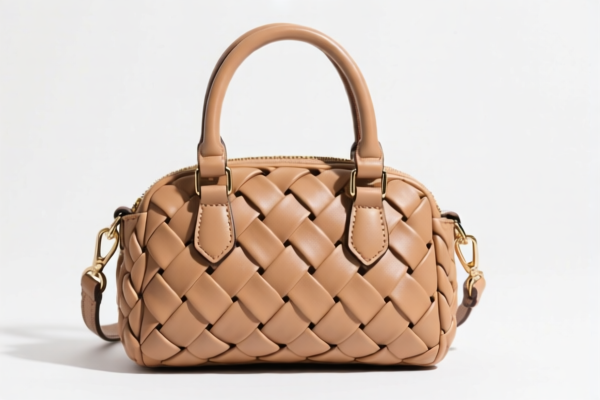
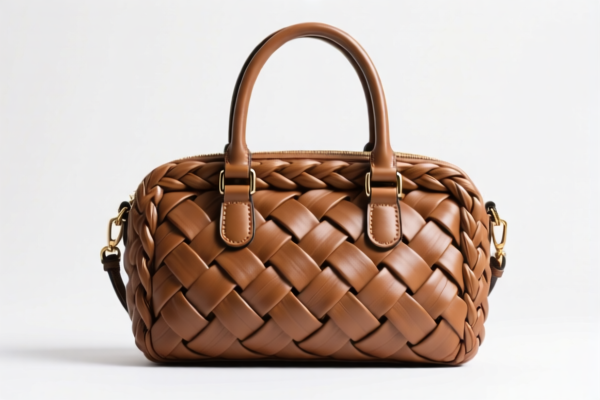
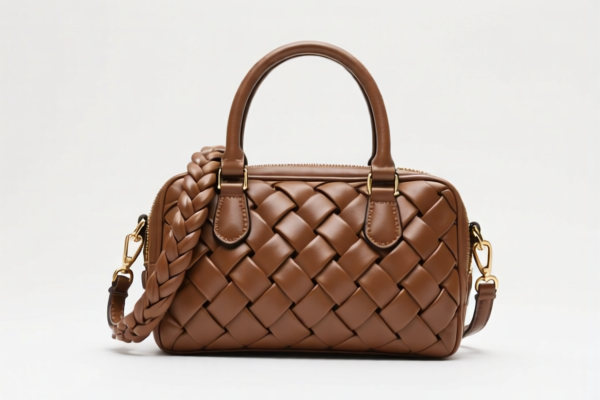
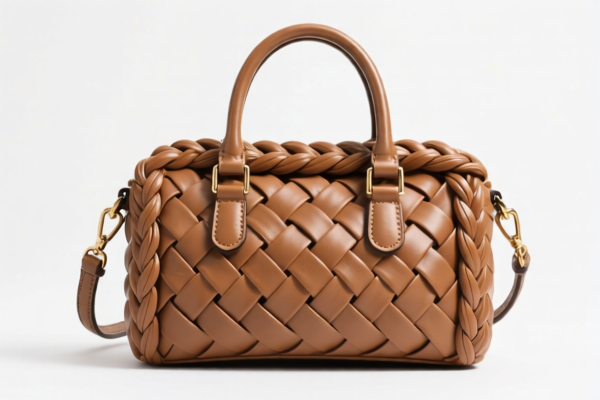
AI分析
👜 Braided Handbag with Inner Pocket
🌐 HS Code Reference & Customs Clearance Guide | 2026 Latest Tariff Analysis | Professional Entry Strategies
📌 Part I: Product Definition & Classification: What Exactly Is a "Braided Handbag"?
A "Braided Handbag with Inner Pocket" is a versatile accessory used for carrying personal items. In international trade, its classification depends heavily on the material of the outer surface and the manufacturing process. It is not a single category but falls into distinct buckets based on whether the "braiding" uses plant fibers, paper yarn, or textile fabrics.
⚠️ Key Distinction Point:
- If made of bamboo, rattan, or vegetable fibers → Classified under Chapter 46 (Basketry).
- If made of textile materials (cotton, polyester, nylon, etc.) → Classified under Chapter 42 (Articles of Apparel Accessories).
- The presence of an "inner pocket" does not change the classification; it is considered part of the handbag’s structure.
📦 Part II: HS Code Classification Details (Based on Provided Data)
According to the provided data, here are the four specific HS Codes associated with braided handbags, ranging from plant-based materials to textile-based materials.
| HS Code | Product Description | Material Composition | Key Classification Logic |
|---|---|---|---|
4602.11.21.00 |
Woven Handbag, Plant-Based | Bamboo, Rattan, or other vegetable materials | Fits the definition of "basketry work" made from vegetable materials. |
4602.19.29.20 |
Woven Handbag, Other Vegetable Materials | Other plant material weaving products | For woven handbags made from plant materials that do not fall under the specific bamboo/rattan sub-categories. |
4202.22.40.20 |
Woven Handbag, General Woven Material | Non-textile woven materials | For handbags made of woven materials (excluding textile or paper yarn) that meet the description of articles of apparel/accessories. |
4202.22.89.80 |
Woven Handbag, Textile Material | Textile materials (Non-cotton, Non-paper yarn) | For handbags where the outer surface is made of "other textile materials" (e.g., synthetic fibers, wool blends) woven into a fabric. |
🔍 Crucial Note:
- Chapter 46 applies to basketry. If the bag is visibly woven from stiff plant stems (like rattan), it likely falls here.
- Chapter 42 applies to fashion accessories. If the bag is made from soft, flexible woven fabric (like a raffia weave made from synthetic fibers or a textile weave), it falls here.
- Tax Implication: The difference between plant-based (4602...) and textile-based (4202...) can significantly impact the Base Tariff, though the Surcharge Tariffs (25% + 10%) remain consistent in the provided data.
💰 Part III: 2026 Latest Tariff Rate Breakdown (Including Additional Taxes)
✅ Applicable Country: United States (US)
✅ Origin: China (CN)
✅ Effective Date: 2025/2026 (Post-Trade War Policies)
All products in the provided data are subject to the same Additional Tariff Structure: 1. USITC Additional Tariff: +25% (Section 301) 2. IEEPA Additional Tariff: +10% (Section 122/CNCP) 3. Total Additional: +35%
The variation in Total Tax comes from the Base Tariff of each HS Code.
🎯 1. 4602.11.21.00 — Bamboo/Rattan Woven Handbag
| Item | Content |
|---|---|
| Base Tariff | 6.2% |
| Section 301 Surcharge | +25.0% |
| Section 122/IEEPA Surcharge | +10.0% |
| Total Tax Rate | 41.2% |
| Tax Calculation | CIF Value × 41.2% |
| De Minimis Exemption | ❌ Not Eligible (Deny de minimis for Section 301/122 goods) |
| Legal Basis Path | HTSUS:4602.11 → USITC Footnote 9903.88.01 → IEEPA:9903.01.25 |
📌 Explanation:
- Bamboo and rattan products are historically low-duty items, but the 35% surcharge drastically increases the cost.
- This is often the most "natural" choice for eco-friendly bags but faces high US barriers.
🎯 2. 4602.19.29.20 — Other Plant Material Woven Handbag
| Item | Content |
|---|---|
| Base Tariff | 5.3% |
| Section 301 Surcharge | +25.0% |
| Section 122/IEEPA Surcharge | +10.0% |
| Total Tax Rate | 40.3% |
| Tax Calculation | CIF Value × 40.3% |
| De Minimis Exemption | ❌ Not Eligible |
| Legal Basis Path | HTSUS:4602.19 → USITC Footnote 9903.88.01 → IEEPA:9903.01.24 |
📌 Note:
- Slightly lower total tax (40.3%) compared to bamboo/rattan (41.2%).
- Applicable if the bag is made of esparto grass, coir, or other non-standard vegetable fibers.
🎯 3. 4202.22.40.20 — General Woven Material Handbag
| Item | Content |
|---|---|
| Base Tariff | 7.4% |
| Section 301 Surcharge | +25.0% |
| Section 122/IEEPA Surcharge | +10.0% |
| Total Tax Rate | 42.4% |
| Tax Calculation | CIF Value × 42.4% |
| De Minimis Exemption | ❌ Not Eligible |
| Legal Basis Path | HTSUS:4202.22 → USITC Footnote 9903.88.01 → IEEPA:9903.01.25 |
📌 Explanation:
- "Woven material" here typically refers to materials not classified as textiles (e.g., plastic strip weaving, leather strips woven together).
- Higher base tariff (7.4%) makes this slightly more expensive than plant-based options.
🎯 4. 4202.22.89.80 — Textile Material Woven Handbag
| Item | Content |
|---|---|
| Base Tariff | 17.6% |
| Section 301 Surcharge | +25.0% |
| Section 122/IEEPA Surcharge | +10.0% |
| Total Tax Rate | 52.6% |
| Tax Calculation | CIF Value × 52.6% |
| De Minimis Exemption | ❌ Not Eligible |
| Legal Basis Path | HTSUS:4202.22 → USITC Footnote 9903.88.01 → IEEPA:9903.01.25 |
📌 Critical Warning:
- Highest Tax Rate (52.6%)!
- If your handbag is made of cotton, polyester, nylon, or any textile fabric (even if woven), it falls under Chapter 42.
- The base tariff (17.6%) is significantly higher than Chapter 46 items.
- Do NOT misclassify textile bags as plant baskets to avoid severe penalties and back taxes.
🛠️ Part IV: Customs Clearance Practical Advice (Real-World Pitfall Guide)
✅ 1. Essential Documentation Checklist
| Document | Required? | Purpose |
|---|---|---|
| ✅ Product Specifications | ✔️ | Must clearly state material (e.g., "100% Bamboo" vs. "Polyester Weave"). |
| ✅ Material Declaration Letter | ✔️ | Signed statement from manufacturer confirming origin of fibers. |
| ✅ High-Resolution Photos | ✔️ | Show the weave pattern, inner pocket, and any labels. Distinguish between stiff plant stems vs. soft textile threads. |
| ✅ Commercial Invoice | ✔️ | Describe item accurately: "Woven Bamboo Handbag with Interior Pocket" or "Textile Woven Tote Bag". |
| ✅ Packing List | ✔️ | Confirm quantities and weights. |
| ✅ FCC/CE Reports | ❌ | Not typically required for handbags unless they contain electronic components (e.g., light-up bags). |
✅ 2. Declaration Tips (Critical Mnemonic)
🔥 "Plant is Chapter 46, Textile is Chapter 42. Base Tax Changes, Surcharge Stays Same!"
| Scenario | Correct HS Code | Incorrect Action | Consequence |
|---|---|---|---|
| Bag made of Bamboo/Rattan | 4602.11.21.00 (41.2%) |
Declare as Textile | Overpay taxes? No, usually under-declared if misclassified. Risk of penalty. |
| Bag made of Cotton/Polyester | 4202.22.89.80 (52.6%) |
Declare as Bamboo | SEVERE PENALTY. Customs will reclassify, demand back taxes (~11.4% difference) + fines. |
| Bag made of Plastic Strips | 4202.22.40.20 (42.4%) |
Declare as Plant | Misclassification. Plastic is not vegetable material. |
✅ 3. Special Situation Handling
| Situation | Recommendation |
|---|---|
| Mixed Materials (e.g., Bamboo frame + Cloth lining) | Classify based on the Outer Surface Material. If the outer is bamboo, use 4602.11.21.00. |
| Bag with Leather Accents | If leather parts are minimal (<10% surface area), may still qualify under the primary material. Consult customs broker. |
| OEM/White Label | Ensure the supplier’s material declaration matches the physical goods. Discrepancies lead to detention. |
| De Minimis (Section 321) | ❌ Cannot be used. Items subject to Section 301 and 122 tariffs are explicitly excluded from the $800 de minimis exemption. |
🌍 Part V: Global Market Comparison (2026 Snapshot)
| Market | Recommended HS Code (Example) | Estimated Duty (China Origin) | Key Certification |
|---|---|---|---|
| 🇺🇸 USA | 4602.11.21.00 or 4202.22.89.80 |
40.3% - 52.6% (High) | None specific for bags |
| 🇪🇺 EU | 4602.11.00 or 4202.22.90 |
0% - 4% (Low/Free) | CE (if electronic), REACH (chemicals) |
| 🇨🇳 China | 4602.11.00 or 4202.22.90 |
10% - 15% | None |
| 🇬🇧 UK | 4602.11.00 or 4202.22.90 |
12% - 18% | UKCA (if applicable) |
📌 Conclusion:
- USA is the most expensive market due to 35% surcharges on top of base tariffs.
- EU and UK are much more favorable, with no Section 301/122 equivalent tariffs.
- Consider supply chain diversification (e.g., assembling in Vietnam or Mexico) to avoid US tariffs if targeting the US market.
📌 Part VI: Common Mistakes & Pitfalls (Lessons Learned)
❌ Mistake 1: Assuming all "Braided" bags are the same.
👉 Reality: Braided cotton is Chapter 42 (52.6% tax). Braided bamboo is Chapter 46 (41.2% tax).
Impact: 11.4% tariff difference per unit.
❌ Mistake 2: Claiming "De Minimis" for small batches.
👉 Reality: Items with Section 301/122 tariffs are excluded from the $800 exemption.
Impact: All shipments, even small ones, are subject to full tariff collection.
❌ Mistake 3: Vague descriptions like "Woven Bag".
👉 Reality: Customs officers cannot guess the material.
Impact: Hold for inspection, leading to delays and storage fees.
✅ Best Practice:
"Specify Material Clearly: '100% Rattan Handbag, Inner Pocket, No Electronics' or 'Polyester Weave Tote, Cotton Lining'."
🎯 Part VII: Conclusion: Precise Classification Saves Money!
🎯 Remember the Golden Rule:
🔹 "Plant Fibers = Ch. 46 (Lower Base Tax)"
🔹 "Textile Fibers = Ch. 42 (Higher Base Tax)"
🔹 "US Surcharge = +35% ALWAYS"
🔹 "No De Minimis for China-Origin Tariffed Goods"
📌 Pro Tip:
If you are producing handbags with synthetic plant-like textures (e.g., PVC strips woven to look like bamboo), be cautious. Customs may view them as plastic articles (Chapter 39) or textile articles (Chapter 42), not genuine basketry. Always provide material composition tests if challenged.
📣 Immediate Action:
📞 Verify your raw material source with your factory.
📄 Get a Material Composition Report.
🚀 Choose the correct HS Code from4602...or4202...based on truth, not hope.
✨ Professional Clearance Starts with Accurate Classification!
💼 Every percentage point of tariff counts!
用户评价
关于 HS 编码归类
协调制度(HS)是由世界海关组织(WCO)制定的国际贸易商品分类标准。全球 200 多个国家采用 HS 系统作为海关关税、贸易统计和进出口监管的基础。
每个 HS 编码遵循以下层级结构:
- 章(2 位)——商品大类(例如:第 84 章:机器和机械设备)
- 品目(4 位)——章内的更具体分类
- 子目(6 位)——国际通用细分,所有 WCO 成员国统一使用
- 本国细分(8-10 位)——各国自行扩展的细分编码,如美国 HTSUS 10 位编码
正确的 HS 编码归类对于顺利通关、准确缴纳关税和遵守贸易法规至关重要。错误归类可能导致海关延误、多缴关税或罚款。
从CN进口到US时,适用的关税税率可能包括:
- 最惠国(MFN)税率——适用于 WTO 成员国的标准关税税率
- 普通税率——适用于无贸易协定国家
- 贸易救济关税——附加关税,如 301 条款(反倾销)、232 条款(国家安全)或反补贴税
本页内容仅供参考。如需正式归类,请咨询当地海关或持牌报关代理。