Braided Packaging Material
CN → US| HS编码 | 关税税率 | 原产国 | 目的国 | 文档 |
|---|---|---|---|---|
| 3923109000 | 38.0% | CN | US | 官方文档 |
| 4819504040 | 35.0% | CN | US | 官方文档 |
| 3923900080 | 38.0% | CN | US | 官方文档 |
| 6305390000 | 25.9% | CN | US | 官方文档 |
| 6305330080 | 25.9% | CN | US | 官方文档 |
商品图片
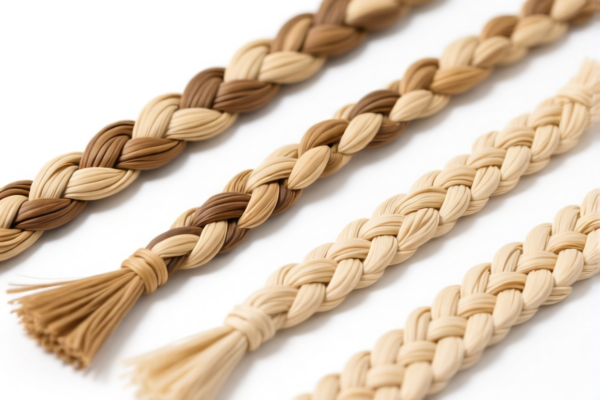
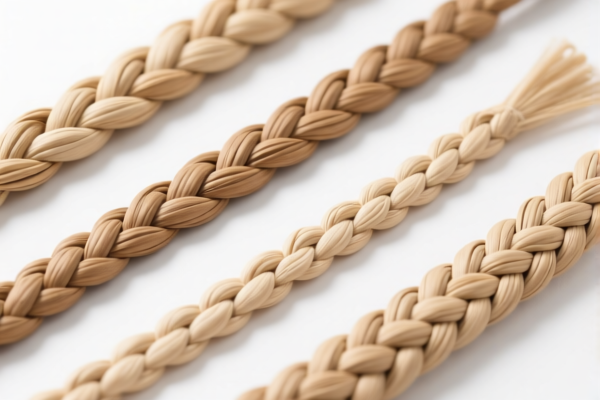
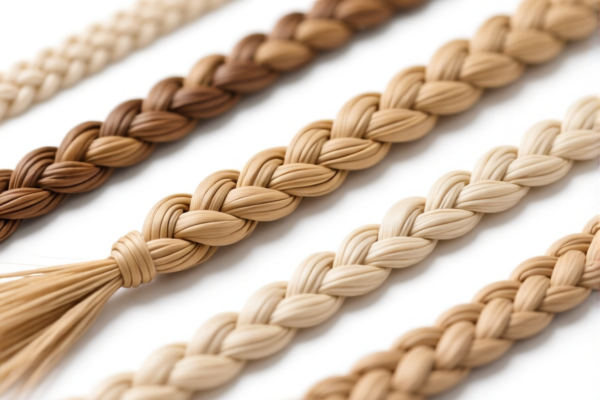
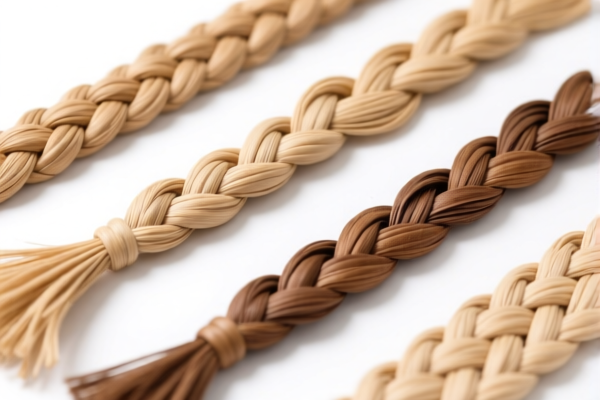
AI分析
📦 Braided Packaging Material: HS Code Classification & US Customs Clearance Guide (2026)
🌐 HS Code Reference & Customs Clearance Strategy | Latest Tariff Analysis for Chinese Exports to the US
📌 One Product, Multiple Classifications: Which HS Code Fits Your "Braided Packaging Material"?
"Braided Packaging Material" is a generic term that can cover a wide range of products depending on the raw material (plastic, paper, textile) and the specific construction. Under US Customs and Border Protection (CBP) rules, misclassification can lead to significant duty discrepancies due to the layered tariff structure (Base Tariff + Section 301 + IEEPA).
Below is the detailed breakdown of the 5 most likely HS Code classifications based on common interpretations of "braided packaging materials," along with their specific tax implications for shipments from China to the US.
📊 1. HS Code Classification Matrix
| HS Code | Material Inference | Tax Rate (Total) | Tax Detail Breakdown |
|---|---|---|---|
| 3923.10.90.00 | Plastic-based (Inferred from woven plastic properties) |
38.0% | Base: 3.0% Sec 301: 25.0% IEEPA: 10.0% |
| 4819.50.40.40 | Paper/Fiber-based (Paper or fiber woven, catch-all category) |
35.0% | Base: 0.0% Sec 301: 25.0% IEEPA: 10.0% |
| 3923.90.00.80 | Plastic/Synthetic Fiber (Catch-all for packaging, plastic or synthetic) |
38.0% | Base: 3.0% Sec 301: 25.0% IEEPA: 10.0% |
| 6305.39.00.00 | Textile/Fiber (Braided form, fiber or artificial textile material) |
25.9% | Base: 8.4% Sec 301: 7.5% IEEPA: 10.0% |
| 6305.33.00.80 | Synthetic Fiber (Polyethylene/Polypropylene woven sacks/bags) |
25.9% | Base: 8.4% Sec 301: 7.5% IEEPA: 10.0% |
⚠️ Key Insight: The difference between 38.0% and 25.9% is 12.1% on the CIF value. For a $10,000 shipment, this is a $1,210 difference. Choosing the wrong classification based on material uncertainty can cost you thousands.
🔍 2. Detailed Classification Explanations
🎯 Option A: Plastic-Based Braided Packaging (HS 3923.10.90.00)
- Summary: Based on the inference that the material is plastic, it fits the attribute of "Plastic Packaging Articles."
- When to Use: If the braided material is made of plastic strips (e.g., PP woven sacks commonly used for rice, flour, or fertilizers) and is primarily plastic in nature.
- Tax Logic:
- Base (3%): Standard MFN rate for plastic packaging.
- Section 301 (25%): Additional duty on Chinese goods under US Trade Act Section 301.
- IEEPA (10%): Additional duty under International Emergency Economic Powers Act (effective Nov 2025).
- Total: 38.0%
🎯 Option B: Paper/Fiber-Based Packaging (HS 4819.50.40.40)
- Summary: Usage is for packaging; inferred as paper or fiber woven material. Fits the "catch-all" category for paper packaging.
- When to Use: If the "braided" aspect is actually a paper rope or a woven paper strip used for tying or packaging delicate items.
- Tax Logic:
- Base (0%): Paper packaging often enjoys lower base rates.
- Section 301 (25%): Still subject to full Section 301 tariff.
- IEEPA (10%): Still subject to IEEPA.
- Total: 35.0% (Savings of 3% vs. plastic options).
🎯 Option C: Other Plastic/Synthetic Packaging (HS 3923.90.00.80)
- Summary: Matches packaging usage; inferred as plastic or synthetic fiber material. Fits the "catch-all" category for plastic packaging.
- When to Use: If the item is a plastic braided tape or strap that doesn't fit specifically into "bags/sacks" (3923.10) or "boxes" (3923.20).
- Tax Logic: Same as Option A. High tariff burden due to plastic classification.
- Total: 38.0%
🎯 Option D: Textile/Artificial Fiber Braiding (HS 6305.39.00.00)
- Summary: Usage is for packaging; form is braided material; inferred as fiber or artificial textile material.
- When to Use: If the material is woven fabric (non-plastic) used for sacks (e.g., cotton, jute, or other textile fibers).
- Tax Logic:
- Base (8.4%): Higher base rate for textiles.
- Section 301 (7.5%): Significantly lower Section 301 rate for certain textiles compared to plastics/paper.
- IEEPA (10%): Standard IEEPA rate.
- Total: 25.9% (Most cost-effective if genuinely textile).
🎯 Option E: Synthetic Fiber Woven Bags (HS 6305.33.00.80)
- Summary: Usage is for packaging; form is braided; inferred as synthetic fibers like Polyethylene (PE) or Polypropylene (PP).
- When to Use: Specifically for woven polypropylene (PP) bags or woven polyethylene (PE) bags. Note: While PP/PE are plastics, woven sacks often fall under Chapter 63 (Textiles) rather than Chapter 39 (Plastics) if they meet specific "woven fabric" definitions in HS Note 9 to Chapter 63.
- Tax Logic: Same as Option D. The Section 301 rate is lower for these specific woven textile bags.
- Total: 25.9%
💰 3. Tariff Breakdown & Legal Basis (Detailed)
For shipments originating in China (CN) to the United States (US):
📉 The "Tax Sandwich": Base + Section 301 + IEEPA
| HS Code Group | Base Tariff | Section 301 (China) | IEEPA (China) | Total Effective Rate |
|---|---|---|---|---|
| Plastic Packaging (3923.xx) | 3.0% | 25.0% | 10.0% | 38.0% |
| Paper Packaging (4819.xx) | 0.0% | 25.0% | 10.0% | 35.0% |
| Textile/Woven Bags (6305.xx) | 8.4% | 7.5% | 10.0% | 25.9% |
📌 Critical Clarification: * Section 301: The 25% rate on plastics/paper is due to the "List 3" or "List 4" inclusion. The 7.5% rate on specific woven bags (6305.33/39) reflects specific exclusions or lower subheading rates for certain textile forms. * IEEPA: The 10% rate is a blanket additional duty on Chinese imports effective from November 2025. * Base Tariff: Determined by the Harmonized Tariff Schedule (HTSUS) general rates.
🛠️ 4. Customs Clearance & Practical Advice
✅ 1. How to Determine Your Correct HS Code?
You cannot simply choose the cheapest one. CBP will audit based on material composition.
- Step 1: Analyze the Material
- Is it Plastic (shiny, melt-burns like plastic)? → Likely 3923.
- Is it Paper (brown, tears like paper, burns to ash)? → Likely 4819.
- Is it Woven Fabric (flexible, textile feel, PP/PE woven sacks)? → Likely 6305.
- Step 2: Check the "Woven" Definition
- If it is a woven bag made of polyolefin fibers (PP/PE), it often qualifies for 6305.33/39 if it meets the definition of "woven fabric" in Chapter 63 Note 9. This saves you 12.1% compared to classifying it as general plastic (3923).
- If it is a plastic strip (non-woven film), it must be 3923.
✅ 2. Documentation Requirements for Clearance
| Document | Requirement | Why It Matters |
|---|---|---|
| Product Specification Sheet | Must state Raw Material (e.g., "100% Polypropylene," "Cotton," "Kraft Paper") | Determines Chapter (39, 48, or 63). |
| Material Test Report | Third-party lab report confirming polymer type or fiber content | Proves if it is "Textile" (Ch 63) vs. "Plastic" (Ch 39). |
| Commercial Invoice | Description: "Woven PP Bag for Rice Packaging" or "Paper Rope for Gift Wrapping" | Aligns with HS Code description. |
| Packing List | Net/Gross weight, dimensions | CBP verifies consistency. |
| Certificate of Origin | Form A or similar | Proves origin as China (triggers Section 301/IEEPA). |
✅ 3. Common Pitfalls & Pitfalls to Avoid
❌ Pitfall 1: Calling it "Braided" without specifying material. * Risk: CBP may default to the highest duty or request further information, causing delays. * Fix: Always specify "Braided PP" or "Braided Paper."
❌ Pitfall 2: Misclassifying Woven PP Bags as Plastic (3923). * Risk: Paying 38% instead of 25.9%. * Fix: If the bag is woven from PP strips, classify under 6305.33.00.80 or 6305.39.00.00 to benefit from the lower Section 301 rate.
❌ Pitfall 3: Ignoring IEEPA. * Risk: Failing to declare the 10% IEEPA surcharge. * Fix: Ensure your broker applies the 10% IEEPA rate in addition to Base and Section 301 for all Chinese-origin goods.
🌍 5. Market Comparison & Strategy
| Destination | Recommended HS Code (If PP Woven Bag) | Total Duty Rate | Strategy |
|---|---|---|---|
| 🇺🇸 USA | 6305.33.00.80 | 25.9% | Choose textile classification for woven bags to avoid 38% plastic rate. |
| 🇺🇸 USA | 3923.10.90.00 | 38.0% | Only if it is not a woven bag (e.g., plastic film bag). |
| 🇨🇳 China | 6305.33.00.80 | 10.0% | Low base duty (8.4%) + minimal trade barriers. |
| 🇪🇺 EU | 6305.33.00.80 | 4.5% | Lower tariffs in EU; CE/RoHS may not apply but packaging waste rules do. |
💡 Pro Tip: If you are exporting Woven PP/PE Sacks, ensure your product description says "Woven Fabric Sack" rather than "Plastic Bag." This linguistic shift helps justify the 6305 classification, saving you 12.1% in duties.
📌 6. Final Recommendation
- Identify Material: Is it Plastic, Paper, or Textile?
- If Plastic:
- Is it Woven? → Try 6305.33.00.80 (25.9%).
- Is it Non-Woven/Film? → Use 3923.10.90.00 (38.0%).
- If Paper: → Use 4819.50.40.40 (35.0%).
- If Textile (Non-PP/PE): → Use 6305.39.00.00 (25.9%).
🚀 Action Item: Submit a Pre-Ruling Request to CBP if the material boundary between "Plastic" and "Woven Textile" is blurry. This guarantees your tariff rate and prevents post-clearance audits.
✨ Professional Clearance, Precise Classification Starts Here!
💼 Every Percent Saved is Pure Profit!
用户评价
关于 HS 编码归类
协调制度(HS)是由世界海关组织(WCO)制定的国际贸易商品分类标准。全球 200 多个国家采用 HS 系统作为海关关税、贸易统计和进出口监管的基础。
每个 HS 编码遵循以下层级结构:
- 章(2 位)——商品大类(例如:第 84 章:机器和机械设备)
- 品目(4 位)——章内的更具体分类
- 子目(6 位)——国际通用细分,所有 WCO 成员国统一使用
- 本国细分(8-10 位)——各国自行扩展的细分编码,如美国 HTSUS 10 位编码
正确的 HS 编码归类对于顺利通关、准确缴纳关税和遵守贸易法规至关重要。错误归类可能导致海关延误、多缴关税或罚款。
从CN进口到US时,适用的关税税率可能包括:
- 最惠国(MFN)税率——适用于 WTO 成员国的标准关税税率
- 普通税率——适用于无贸易协定国家
- 贸易救济关税——附加关税,如 301 条款(反倾销)、232 条款(国家安全)或反补贴税
本页内容仅供参考。如需正式归类,请咨询当地海关或持牌报关代理。