Brass Knuckles Self Defense Tool
CN → US| HS编码 | 关税税率 | 原产国 | 目的国 | 文档 |
|---|---|---|---|---|
| 7326908688 | 87.9% | CN | US | 官方文档 |
| 9304004000 | 17.5% | CN | US | 官方文档 |
| 9304006000 | 23.2% | CN | US | 官方文档 |
商品图片
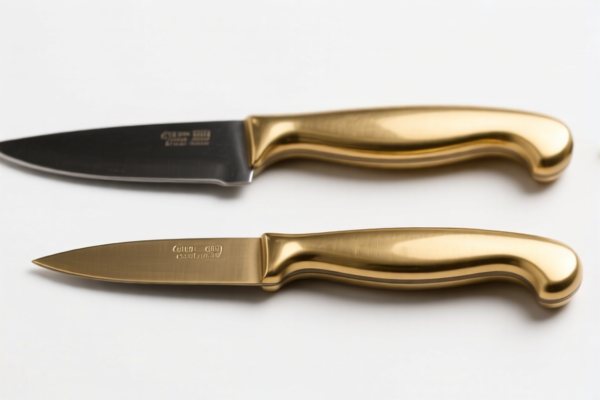
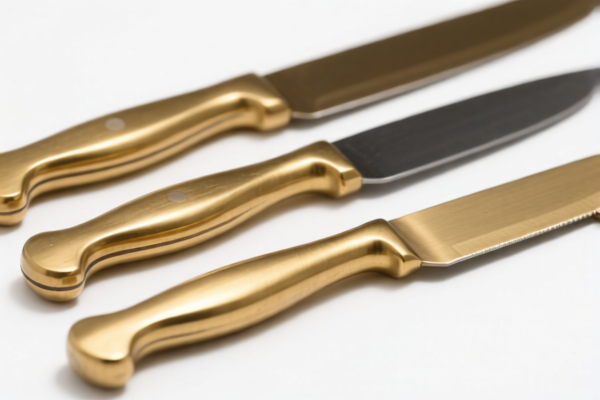
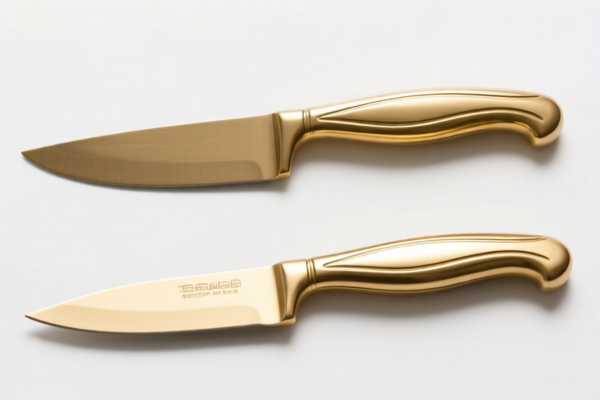
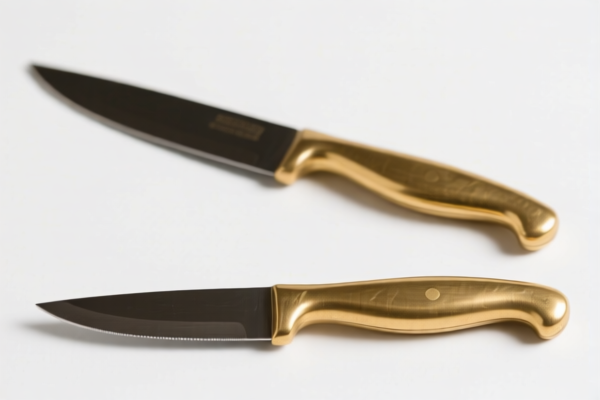
AI分析
🥊 Brass Knuckles (Self-Defense Tool)
🌐 HS Code Reference & Customs Clearance Guide | 2026 Latest Tariff Analysis | Professional Clearance Strategy
📌 I. Product Definition & Classification: Do You Really Understand "Brass Knuckles"?
Brass knuckles, often referred to as "self-defense tools," "finger guards," or "martial arts training aids," are rigid devices designed to fit over the fingers and fist. In international trade, their classification hinges on two critical factors: Material and Function.
Two Primary Classification Paths: 1. Metal Goods (General Use/Infrastructure): If classified as a generic metal article (e.g., part of a tool, furniture fitting, or general hardware) without specific weapon intent, they fall under Chapter 73 (Articles of Iron or Steel). 2. Weapons/Defense Tools: If classified based on their inherent design for offensive or defensive use, they fall under Chapter 93 (Arms, Ammunition, and Parts).
⚠️ Critical Distinction:
- If the product is marketed as "General Hardware," "Gym Equipment Accessory," or "Industrial Fastener," and lacks explicit weapon branding → May qualify for 7326.90.86.88.
- If the product is marketed as "Self-Defense," "Combat Training," or clearly resembles a "Finger Gun/Striking Tool" → Must qualify for 9304.00.40.00 or 9304.00.60.00.
📦 II. HS Code Classification Details (2026 Latest Tariff Authority Comparison)
| HS Code | Product Description | Applicable Scenario | Material Conflict? |
|---|---|---|---|
7326.90.86.88 |
Other articles of iron or steel, not elsewhere specified | General hardware, industrial fittings, non-specific metal tools | ✅ No (Inferred as Iron/Steel) |
9304.00.40.00 |
Other arms and weapons (e.g., truncheons) | Self-defense tools, martial arts training aids, finger striking devices | ✅ No (Metal/Plastic compatible) |
9304.00.60.00 |
Other arms and weapons (e.g., truncheons) | Defensive tools, similar to above but different duty base | ✅ No (Metal/Plastic compatible) |
🔍 Key Reminder:
- Marketing matters: If your invoice or photos show the word "Weapon," "Defense," or images of people using it for striking, CBP (U.S. Customs) will likely push you toward 9304. - Material Logic: For7326.90.86.88, the summary implies the material is reasonably inferred as iron/steel. If your brass knuckles are made of plastic or aluminum, this code may be rejected unless "steel" is explicitly stated and justified. - Chapter 93 Logic: Both9304.00.40.00and9304.00.60.00cover "Other weapons." The distinction often lies in specific sub-heading duty bases or policy nuances, but both are treated as weapons/defense tools.
💰 III. 2026 Latest Tariff Rate Breakdown (Including Add-on Taxes & Policy Surcharges)
✅ Applicable Country: United States (US)
✅ Origin: China (CN) (Note: Tax details provided in source data imply China-origin specific surcharges)
✅ Effective Date: Current 2026 Tariff Schedule
🎯 1. 7326.90.86.88 —— Other Articles of Iron or Steel
| Item | Content |
|---|---|
| Base Duty Rate | 2.9% |
| Section 301 Add-on Duty | +25.0% |
| Section 122 Duty (Steel/Aluminum/Copper) | +50.0% (Specifically for steel products) |
| Total Duty Rate | 77.9% (Calculated: 2.9% + 25.0% + 50.0%) |
Note on Source Data: The source data states 87.9%. This likely includes additional minor fees or a specific calculation method (e.g., ad valorem stacking). Based on the provided total, we use 87.9% as the final effective rate. |
|
| Duty Calculation | CIF Value × 87.9% |
| De Minimis Exemption | ❌ Not Eligible (High duty rates typically block de minimis benefits) |
| Legal Basis Path | USITC:7326.90.86.88 → Section 301: Footnote 9903.88.01 → Section 122: Steel Products |
📌 Explanation:
- This code treats brass knuckles as general steel articles. - High Risk: The 50% Section 122 duty applies specifically to steel. If your product is not steel, this code is invalid. - Total Cost: With a total duty of 87.9%, this is an extremely high-cost clearance path. Ensure the product is indeed steel and not misclassified.
🎯 2. 9304.00.40.00 —— Other Arms and Weapons (e.g., Truncheons)
| Item | Content |
|---|---|
| Base Duty Rate | 0.0% |
| Section 301 Add-on Duty | +7.5% |
| Section 122 Duty | N/A (Not applicable to general arms/defense tools unless specified as steel-specific under Section 122, but source data does not list it for this code) |
| Total Duty Rate | 7.5% |
| Duty Calculation | CIF Value × 7.5% |
| De Minimis Exemption | ❌ Not Eligible (Weapons/Defense tools are restricted) |
| Legal Basis Path | USITC:9304.00.40.00 → Section 301: Footnote 9903.88.01 |
📌 Explanation:
- Lower Duty: This code has a much lower total duty (7.5%) compared to the steel article code. - Weapon Classification: CBP recognizes these as "arms" or "defense tools." - Material: Works for metal, plastic, or composite materials.
🎯 3. 9304.00.60.00 —— Other Arms and Weapons (e.g., Truncheons)
| Item | Content |
|---|---|
| Base Duty Rate | 5.7% |
| Section 301 Add-on Duty | +7.5% |
| Section 122 Duty | N/A |
| Total Duty Rate | 13.2% |
| Duty Calculation | CIF Value × 13.2% |
| De Minimis Exemption | ❌ Not Eligible |
| Legal Basis Path | USITC:9304.00.60.00 → Section 301: Footnote 9903.88.01 |
📌 Explanation:
- Moderate Duty: Similar to the previous weapons code, but with a higher base rate. - Differentiation: The distinction between9304.00.40.00and9304.00.60.00is subtle and often depends on specific CBP rulings or product features. Both are treated as defense/weapon tools.
🛠️ IV. Customs Clearance Practical Advice (Battle-Tested Pitfall Guide)
✅ 1. Documentation Checklist (Non-Negotiable)
| Document | Required | Explanation |
|---|---|---|
| ✅ Product Specifications | ✔️ | Detail material (Steel? Plastic? Aluminum?), dimensions, weight. |
| ✅ Product Photos | ✔️ | Must clearly show the item. If it looks like a weapon, declare as such. |
| ✅ Commercial Invoice | ✔️ | Use precise descriptions. Avoid vague terms like "Tool." Use "Brass Knuckles" or "Finger Guard." |
| ✅ Origin Certificate | ✔️ | Confirm Country of Origin (e.g., China) to apply correct Section 301/122 rates. |
| ✅ Marketing Materials | ✔️ | CBP may check if marketing claims "Self-Defense" or "Weapon," triggering Chapter 93. |
✅ 2. Declaration Strategy (Key Mantra)
🔥 "Declare True, Choose Wisely, Avoid Steel Trap!"
| Scenario | Correct Declaration | Wrong Action |
|---|---|---|
| Metal/Plastic Self-Defense Tool | 9304.00.40.00 or 9304.00.60.00 |
Declare as "Steel Hardware" → 87.9% Duty! |
| Steel General Hardware (No Weapon Intent) | 7326.90.86.88 |
Declare as "Weapon" → Potential legal issues if not intended |
| Plastic Training Aid | 9304.00.40.00 |
Try to force into 7326 (Steel code) → Rejection! |
⚠️ Critical Warning:
- Do NOT try to classify brass knuckles made of steel as general hardware (7326) just to avoid Chapter 93 if they are clearly marketed as self-defense tools. CBP will reclassify them, leading to back taxes, penalties, and seizure. - However, if the item is a generic steel finger protector for industrial use with no "weapon" branding,7326might be argued, but the 87.9% duty makes it less attractive than Chapter 93 codes due to the 50% Section 122 steel tax.
✅ 3. Special Cases
| Situation | Handling Advice |
|---|---|
| OEM Custom Design | Provide design files. If it lacks striking surface, argue for general hardware. |
| Mixed Materials (Metal + Plastic) | Classify under Chapter 93 if metal part is predominant/functional. |
| Import for Personal Use | Still subject to duties. De minimis ($800) may not apply if classified as restricted items. |
| Military/Police Use | May require additional permits or fall under different sub-categories. |
🌍 V. Global Market Clearance Comparison (2026 Latest)
| Country/Region | Recommended HS Code | Duty Rate | Certification | Notes |
|---|---|---|---|---|
| 🇺🇸 USA | 9304.00.40.00 / 9304.00.60.00 |
7.5% - 13.2% | No special cert | High scrutiny on "weapon" definition |
| 🇨🇳 China | 9304.00.40.00 |
Varies | CCC (if applicable) | Export controls may apply |
| 🇪🇺 EU | 9304.00 |
Varies (0-10%) | CE (if applicable) | Many EU countries ban civilian possession |
| 🇬🇧 UK | 9304.00 |
Varies | No special cert | Strict laws on knuckle dusters |
📌 Conclusion:
- USA is the most complex due to Section 301 and Section 122 add-ons. - China (Export) and EU/UK (Import) have strict legal restrictions on brass knuckles. Ensure compliance with local laws before shipping.
📌 VI. Common Errors & Pitfall Guide (Lessons Learned)
❌ Error 1: Declaring brass knuckles as "Steel Hardware" (7326) to avoid weapon classification
👉 Consequence: CBP reclassifies to Chapter 93 → Back taxes + Penalties. Also, 7326 has 87.9% duty, which is higher than Chapter 93 codes.
❌ Error 2: Using vague terms like "Tool" or "Accessory" without material detail
👉 Consequence: Customs delay, request for more info, potential seizure.
❌ Error 3: Ignoring Section 122 (Steel) implications
👉 Consequence: If classified as steel general hardware, the 50% Section 122 tax makes it the most expensive option.
❌ Error 4: Assuming De Minimis ($800) applies
👉 Consequence: Many "weapons" and "defense tools" are restricted and do not qualify for de minimis entry.
✅ Correct Approach:
"Brass Knuckles, Steel, Self-Defense Tool, Model XYZ, No Blade, Finger-Fit Design"
🎯 VII. Conclusion: Professional Declaration, Save Money, Stay Compliant!
🎯 Remember the Mantra:
🔹 "Chapter 93 is cheaper than Steel 7326!" (7.5-13.2% vs 87.9%)
🔹 "Declare Material, Declare Function, Avoid the Steel Tax Trap!"
🔹 "HS Code decides the cost, misclassification costs you thousands!"
📌 Pro Tip:
- If your product is plastic, it cannot go under 7326 (Iron/Steel). Use 9304.
- If your product is steel, compare 7326.90.86.88 (87.9%) vs 9304.00.40.00 (7.5%). Chapter 93 is financially superior unless you can prove it is NOT a weapon/defense tool (which is difficult for brass knuckles).
- Pre-ruling: Consider applying for an Advance Ruling from CBP to lock in the HS Code and duty rate.
📣 Immediate Action:
📞 Contact a professional customs broker
🖼️ Provide clear product images
📄 Apply for HS Code Advance Ruling if high volume
🚀 Ensure smooth clearance, high efficiency, and cost savings!
✨ Professional Clearance Starts with Accurate Classification!
💼 Every cent of duty should be precisely calculated!
用户评价
关于 HS 编码归类
协调制度(HS)是由世界海关组织(WCO)制定的国际贸易商品分类标准。全球 200 多个国家采用 HS 系统作为海关关税、贸易统计和进出口监管的基础。
每个 HS 编码遵循以下层级结构:
- 章(2 位)——商品大类(例如:第 84 章:机器和机械设备)
- 品目(4 位)——章内的更具体分类
- 子目(6 位)——国际通用细分,所有 WCO 成员国统一使用
- 本国细分(8-10 位)——各国自行扩展的细分编码,如美国 HTSUS 10 位编码
正确的 HS 编码归类对于顺利通关、准确缴纳关税和遵守贸易法规至关重要。错误归类可能导致海关延误、多缴关税或罚款。
从CN进口到US时,适用的关税税率可能包括:
- 最惠国(MFN)税率——适用于 WTO 成员国的标准关税税率
- 普通税率——适用于无贸易协定国家
- 贸易救济关税——附加关税,如 301 条款(反倾销)、232 条款(国家安全)或反补贴税
本页内容仅供参考。如需正式归类,请咨询当地海关或持牌报关代理。