Bread Knife
CN → US| HS编码 | 关税税率 | 原产国 | 目的国 | 文档 |
|---|---|---|---|---|
| 8211918060 | 0.0% | CN | US | 官方文档 |
| 8215992600 | 0.0% | CN | US | 官方文档 |
| 3924104000 | 13.4% | CN | US | 官方文档 |
商品图片
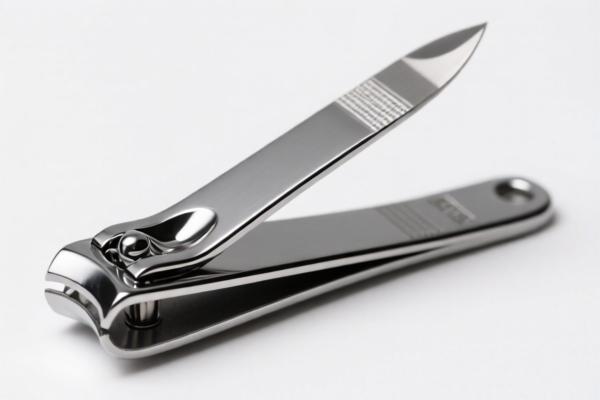
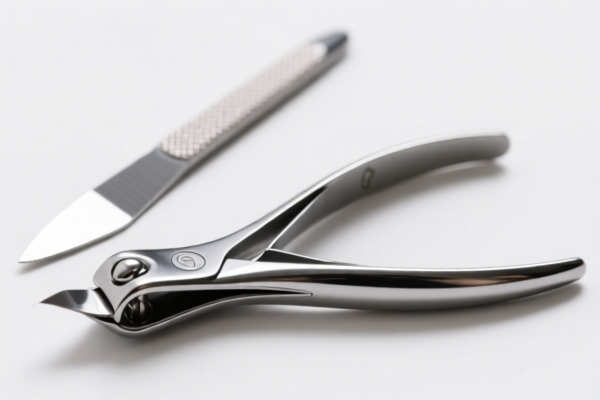
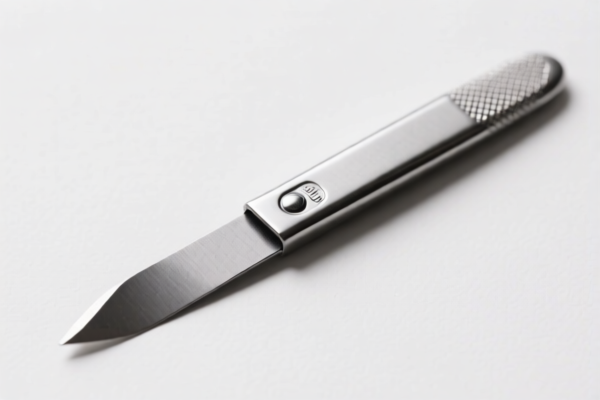
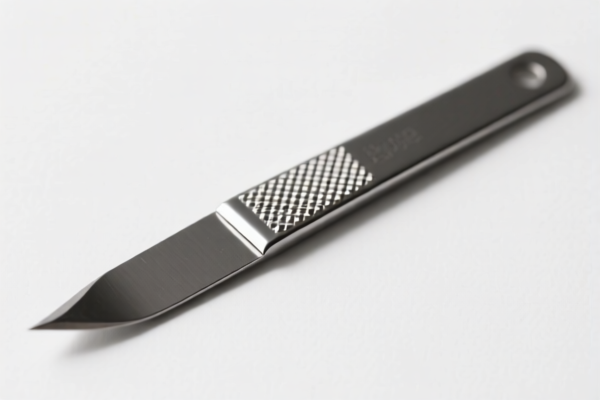
AI分析
🍞 Bread Knife (Bread Slicer)
🌐 HS Code Reference & Customs Clearance Guide | 2026 Latest Tariff Analysis | Professional Clearance Strategy
📌 1. Product Definition & Classification: Do You Really Understand "Bread Knife"?
Bread knives are specialized cutlery designed for slicing bread without crushing the soft crust. In international trade, classification depends heavily on material composition, function, and structural design (e.g., whether it has a separate handle or is integrated).
Key Distinction Points:
As Cutlery/Tableware (Plastic/Mixed): If the blade and handle are primarily plastic or considered "tableware" with plastic components, it falls under 3924.10.40.00.
As Metal Cutlery (Blade Focus): If the blade is metal (base metal) and the item is defined as a "saw-toothed knife" or specific cutlery, it may fall under 8211.91.80.60.
As Kitchen Utensil/Accessory (Base Metal): If classified broadly as a kitchen utensil or accessory made of base metal, it may fall under 8215.99.26.00*.
⚠️ Critical Classification Note:
- If the item is mostly plastic (even with a metal blade), it is often classified as Tableware (3924) rather than metal cutlery.
- If the item is metal, the distinction between "Cutlery/Knife" (8211) and "Kitchen Utensil/Other" (8215) is crucial for tax rates.
- Misclassification Risk: Declaring a metal bread knife as plastic tableware to avoid higher duties is risky and may lead to penalties.
📦 2. HS Code Classification Details (2026 Latest Tariff Reference)
| HS Code | Product Description | Applicable Scenario | Material Inference |
|---|---|---|---|
3924.10.40.00 |
Other Tableware & Kitchenware, of Plastics | Plastic-heavy bread knives (blade/handle includes plastic parts) | ✅ Plastic-dominated |
8211.91.80.60 |
Table Knives & Other Cutlery (e.g., Serrated) | Metal Blade bread knife (specifically "Table Knife" category) | ✅ Base Metal Blade |
8215.99.26.00 |
Other Cutlery, Kitchenware, etc. (Base Metal) | Metal Bread Knife classified as general kitchen utensil/accessory | ✅ Base Metal |
🔍 Focus Reminder:
- Plastic Components: If the handle or blade coating is plastic, 3924.10.40.00 is the likely choice, but verify if the "functional part" is metal.
- Metal Blades: If the blade is steel/metal, 8211 or 8215 applies. The difference lies in whether it is seen as a "knife" (8211) or a "utensil/other tool" (8215).
- Avoid Over-Splitting: Do not separate the blade and handle if they are sold as one unit; declare as a single article.
💰 3. 2026 Latest Tariff Rate Breakdown (Including Surtaxes & Policy Add-ons)
✅ Applicable Country: United States (US)
✅ Country of Origin: China (CN)
✅ Effective Date: November 10, 2025 (and subsequent imports)
🎯 1. 3924.10.40.00 —— Plastic Tableware (Bread Knife with Plastic Parts)
| Item | Content |
|---|---|
| Base Tariff | 3.4% |
| Section 301 Surcharge | 0.0% |
| Section 123 Tariff | +10% |
| Total Effective Rate | 13.4% |
| Tax Calculation | CIF Value × 13.4% |
| De Minimis Eligibility | ✅ Yes (Generally eligible under $800, unless specific restrictions apply) |
| Legal Basis Path | Base Tariff: 3.4% + Sec 123: 10% |
📌 Explanation:
- This classification benefits from a lower total tariff (13.4%) compared to metal cutlery.
- Key Condition: The product must be substantively plastic (e.g., plastic handle, possibly coated blade). If the blade is entirely metal, this classification may be rejected.
- Section 123 Tariff: A 10% surcharge applies to certain plastic goods from China.
🎯 2. 8211.91.80.60 —— Metal Cutlery (Bread Knife as Table Knife)
| Item | Content |
|---|---|
| Base Tariff | 0.3¢ each + 4.9% |
| Section 301 Surcharge | +7.5% |
| Section 123 Tariff | +10% |
| Total Effective Rate | 0.3¢ each + 22.4% (4.9% + 7.5% + 10%) |
| Tax Calculation | (0.3¢ × Quantity) + (CIF Value × 22.4%) |
| De Minimis Eligibility | ❌ No (Section 301/123 tariffs typically negate de minimis for certain metal goods) |
| Legal Basis Path | Base: 0.3¢/ea + 4.9% + Sec 301: 7.5% + Sec 123: 10% |
📌 Explanation:
- Ad Valorem + Specific Duty: The tariff is 4.9% plus 0.3 cents per piece.
- High Surtaxes: Adds 7.5% (Section 301) and 10% (Section 123), totaling 22.4% ad valorem.
- Complexity: Calculations are more complex due to the per-unit fee. High volume shipments will incur significant specific duties.
🎯 3. 8215.99.26.00 —— Other Base Metal Kitchen Utensils (Bread Knife)
| Item | Content |
|---|---|
| Base Tariff | 0.2¢ each + 3.1% |
| Section 301 Surcharge | +7.5% |
| Section 123 Tariff | +10% |
| Total Effective Rate | 0.2¢ each + 20.6% (3.1% + 7.5% + 10%) |
| Tax Calculation | (0.2¢ × Quantity) + (CIF Value × 20.6%) |
| De Minimis Eligibility | ❌ No (Typically excluded due to surcharges) |
| Legal Basis Path | Base: 0.2¢/ea + 3.1% + Sec 301: 7.5% + Sec 123: 10% |
📌 Explanation:
- Lowest Ad Valorem Rate: The base rate is only 3.1%, making the total 20.6% (lower than 8211).
- Specific Duty: 0.2 cents per piece (lower than 8211's 0.3¢).
- Classification Risk: Customs may argue this should be 8211 (Cutlery) if it is clearly a knife. Misclassification here can lead to disputes.
🛠️ 4. Customs Clearance Practical Advice (Real-World Pitfall Avoidance)
✅ 1. Preparation Checklist (Mandatory)
| Document | Required | Description |
|---|---|---|
| ✅ Product Specification | ✔️ | Material composition (e.g., "Plastic handle, stainless steel blade, serrated edge") |
| ✅ Product Photos | ✔️ | Clear images showing handle material, blade type, and serrations |
| ✅ Commercial Invoice | ✔️ | Must specify "Bread Knife," HS Code, and Country of Origin |
| ✅ Material Declaration | ✔️ | Explicitly state if plastic or metal dominates the "essential character" |
| ✅ Packing List | ✔️ | Include piece count for accurate specific duty calculation (if applicable) |
✅ 2. Declaration Strategy (Key Mnemonic)
🔥 "Plastic Low Tax, Metal High Tax, Specific Duties Add Up!"
| Scenario | Recommended HS Code | Reason |
|---|---|---|
| Plastic Handle + Coated Metal Blade | 3924.10.40.00 |
Lowest Total Tax (13.4%). Ensure plastic is a substantial component. |
| Full Metal Bread Knife | 8215.99.26.00 |
Lower Ad Valorem (20.6%) than 8211 (22.4%). Best for metal if classified as "utensil." |
| Full Metal Bread Knife (Strict Cutlery) | 8211.91.80.60 |
Highest Ad Valorem (22.4%). Use only if clearly defined as "table knife" and 8215 is rejected. |
📌 Critical Advice:
- Do Not Split: Declare the knife as one unit. Do not separate blade and handle.
- Material Truth: If you declare plastic (3924) but customs finds it’s >50% metal by value/weight, they may reclassify to 8215/8211 and charge the higher rate + penalties.
- Specific Duties: For metal knives, quantity matters. A shipment of 10,000 knives will have a significant specific duty component (0.2¢–0.3¢ each).
✅ 3. Special Circumstances Handling
| Situation | Handling Advice |
|---|---|
| Mixed Material (Plastic Handle, Metal Blade) | Argue for 3924.10.40.00 if plastic is the primary consumer-facing material. Provide photos. |
| Packaged Sets (Knife + Block) | Declare as Set. The classification of the principal item (knife) usually dictates the HS Code. |
| Customs Audit on Metal Content | If challenged, provide a Bill of Materials (BOM) and cost breakdown to justify classification. |
| De Minimis ($800) Claims | ⚠️ Caution: Section 301 and 123 tariffs often void de minimis exemptions for Chinese-origin goods. Consult a broker before using 800/8000 entries. |
🌍 5. Global Market Comparison (2026 Latest)
| Country/Region | Recommended HS Code | Tariff (China Origin) | Notes |
|---|---|---|---|
| 🇺🇸 USA | 3924.10.40.00 (Plastic) |
13.4% | Best for plastic-heavy knives. Metal knives face +22.4% total. |
| 🇺🇸 USA | 8215.99.26.00 (Metal) |
0.2¢/ea + 20.6% | Lower ad valorem than 8211, but specific duty applies. |
| 🇪🇺 EU | 8215.20 |
Various | EU classification differs; often duty-free or low duty for cutlery. |
| 🇨🇳 China | 8215.20 |
Varies | Import tariffs may differ; focus on US export clearance. |
📌 Conclusion:
- USA is the most complex market due to Section 301 and Section 123 tariffs.
- Plastic knives (3924) are the most cost-effective for the US market if materials allow.
- Metal knives incur significant surcharges; optimize supply chain or consider third-country assembly if possible.
📌 6. Common Errors & Pitfall Guide (Lessons Learned)
❌ Error 1: Declaring a metal bread knife as 3924.10.40.00 (Plastic)
👉 Consequence: Customs reclassifies to 8215/8211, charges 22.4% + penalties + interest.
❌ Error 2: Ignoring Specific Duties in cost calculation
👉 Consequence: Underquoting total landed cost. 0.2¢–0.3¢ per knife adds up fast in bulk.
❌ Error 3: Using "Cutlery" as a generic description without HS Code
👉 Consequence: Delays, queries, and potential audit triggers.
❌ Error 4: Assuming De Minimis ($800) applies to Section 301 goods
👉 Consequence: Shipment held at customs, duties collected retroactively, plus storage fees.
✅ Correct Practice:
"Material First, HS Code Second, Tax Third."
Example: "Bread Knife, Plastic Handle, Stainless Steel Serrated Blade, China Origin, HS: 8215.99.26.00"
🎯 7. Conclusion: Professional Clearance, Cost Optimization!
🎯 Remember the Mnemonic:
🔹 "Plastic 13.4%, Metal 22.4%, Specific Duties Multiply!"
🔹 "Don’t risk misclassification; the tariff jump is steep!"
📌 Tip:
If your bread knives have plastic handles and metal blades, consult a customs broker to determine if 3924.10.40.00 is defensible. If the blade is purely metal, 8215.99.26.00 is likely better than 8211.91.80.60 due to lower ad valorem rates.
📣 Immediate Action:
📞 Contact your customs broker + Provide material specs + Verify HS Code pre-classification
🚀 Clear customs smoothly, minimize tax burden, maximize profit!
✨ Professional clearance starts with accurate classification!
💼 Every cent saved counts!
用户评价
关于 HS 编码归类
协调制度(HS)是由世界海关组织(WCO)制定的国际贸易商品分类标准。全球 200 多个国家采用 HS 系统作为海关关税、贸易统计和进出口监管的基础。
每个 HS 编码遵循以下层级结构:
- 章(2 位)——商品大类(例如:第 84 章:机器和机械设备)
- 品目(4 位)——章内的更具体分类
- 子目(6 位)——国际通用细分,所有 WCO 成员国统一使用
- 本国细分(8-10 位)——各国自行扩展的细分编码,如美国 HTSUS 10 位编码
正确的 HS 编码归类对于顺利通关、准确缴纳关税和遵守贸易法规至关重要。错误归类可能导致海关延误、多缴关税或罚款。
从CN进口到US时,适用的关税税率可能包括:
- 最惠国(MFN)税率——适用于 WTO 成员国的标准关税税率
- 普通税率——适用于无贸易协定国家
- 贸易救济关税——附加关税,如 301 条款(反倾销)、232 条款(国家安全)或反补贴税
本页内容仅供参考。如需正式归类,请咨询当地海关或持牌报关代理。