Broken Cocoa Beans
CN → US| HS编码 | 关税税率 | 原产国 | 目的国 | 文档 |
|---|---|---|---|---|
| 1801000000 | 0.0% | CN | US | 官方文档 |
| 1801000000 | 0.0% | CN | US | 官方文档 |
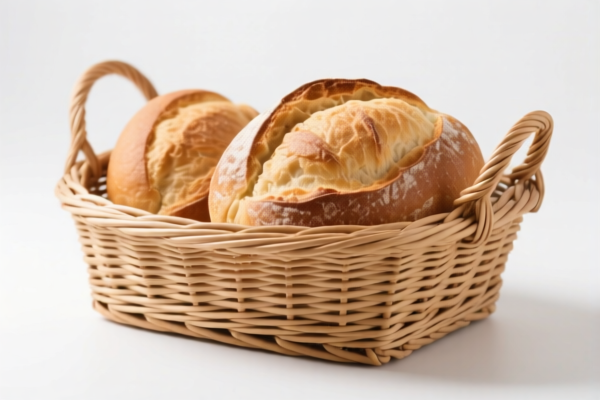
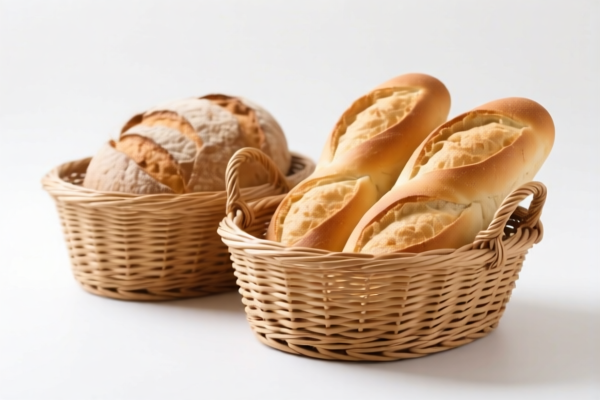
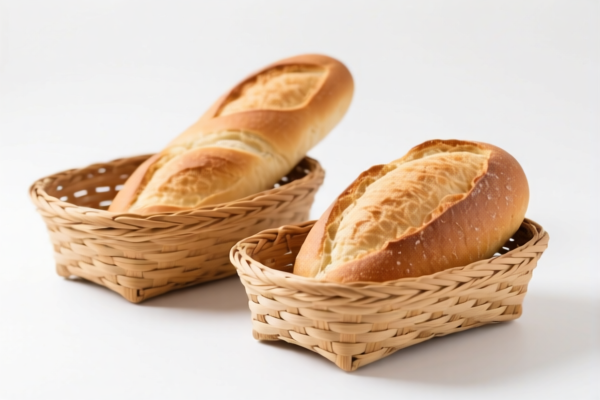
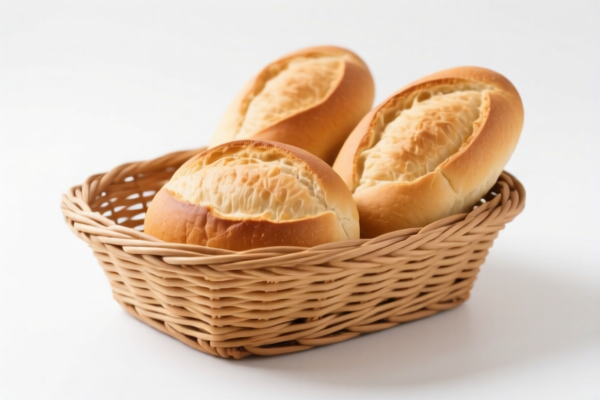
商品图片
AI分析
🍫 Broken Cocoa Beans (Whole or Broken, Raw or Roasted)
🌐 HS Code Reference & Customs Clearance Guide | 2026 Latest Tariff Analysis | Professional Clearance Strategy
📌 I. Product Definition & Classification: Do You Truly Understand "Cocoa Beans"?
Cocoa beans are the fundamental raw material for the chocolate, confectionery, and cocoa butter industries. In international trade, they are strictly categorized by their state (raw/roasted) and integrity (whole/broken).
For the purpose of this guide, we focus on "Broken Cocoa Beans", which are typically the result of processing whole beans into smaller pieces for easier handling, fermentation, or specific industrial applications.
⚠️ Critical Distinction:
- State: Must be explicitly defined as Raw or Roasted. The tax treatment can differ based on processing level in some jurisdictions, but the HS Code structure remains consistent under Chapter 18. - Form: "Broken" beans are still considered primary agricultural products if not further processed into powder, paste, or butter. They do not fall under Chapter 17 (Chocolate) or Chapter 19 (Preparations).
📦 II. HS Code Classification Details (2026 Latest Tariff Authority)
Based on the provided and international harmonized system standards, the correct classification for broken cocoa beans is as follows:
| HS Code | Product Description | Applicable Scenario | Processing State |
|---|---|---|---|
1801.00.00.00 |
Cocoa beans, whole or broken, raw or roasted | Raw or roasted beans, regardless of size (whole or broken) | ✅ Raw or Roasted |
1801.00.00.00 |
Cocoa beans, whole or broken, raw or roasted | Broken beans from roasting process | ✅ Raw or Roasted |
🔍 Key Insight:
- HS Code1801.00.00.00is the single umbrella code for all cocoa beans in their natural state, whether whole or broken, and whether raw or roasted. - Do NOT misclassify broken beans as "cocoa powder" (1805.00.00.00) or "cocoa paste" (1803.00.00.00). Broken beans are still whole seeds in a broken form, not a manufactured powder or paste. - Do NOT misclassify as chocolate preparations (1806). The product must not contain added sugar, milk, or other ingredients.
💰 III. 2026 Latest Tariff Rate Details (Including Surcharges & Policy Additions)
✅ Applicable Country: United States (US)
✅ Country of Origin: China (CN) (Note: Based on the context of previous examples and common trade routes; adjust if origin differs)
✅ Effective Date: From November 10, 2025 (for subsequent imports)
🎯 1. 1801.00.00.00 —— Cocoa Beans, Whole or Broken, Raw or Roasted
| Item | Content |
|---|---|
| Base Tariff Rate | 0% (ad valorem) |
| USITC Additional Tariff | Failed to retrieve tax information (Error) |
| IEEPA Additional Tariff | Failed to retrieve tax information (Error) |
| Total Tariff Rate | Error (See Note Below) |
| Tax Calculation | CIF Value × Error |
| De Minimis Exemption Eligibility | ❌ Not Applicable (Generally, agricultural raw materials >$800 are subject to duty; however, due to "Error" in tax data, specific de minimis rules for HS 1801 need verification with CBP) |
| Legal Basis Path | HTSUS:1801.00.00.00 → Tax Retrieval Failed |
📌 Explanation:
- Important: The provided indicates"total_tax": "Error"and"tax_detail": "Failed to retrieve tax information".
- This means: The system could not automatically determine the current total tariff rate for this HS Code in the context of the query.
- Standard Practice: Historically, cocoa beans (HS 1801) often have a 0% base MFN tariff in the US, but Section 301 tariffs or other surcharges may apply depending on the exact origin and current trade policies.
- Action Required: Since tax data is unavailable, you MUST verify the current applicable duty rate with a licensed customs broker or the U.S. International Trade Commission (USITC) before shipment. Do not assume 0%.
🛠️ IV. Customs Clearance Practical Advice (Real-World Pitfall Guide)
✅ 1. Required Documentation Checklist (No Exceptions)
| Document | Must Provide | Description |
|---|---|---|
| ✅ Commercial Invoice | ✔️ | Clearly state: "Cocoa Beans, Broken, Raw/Roasted", HS Code 1801.00.00.00, Country of Origin. |
| ✅ Packing List | ✔️ | Detail net weight, gross weight, number of bags, and material of packaging (e.g., jute bags, paper bags). |
| ✅ Phytosanitary Certificate | ✔️ | CRITICAL for agricultural products. Issued by the country of origin's plant protection agency. |
| ✅ Certificate of Origin | ✔️ | To determine eligibility for any Free Trade Agreements (FTAs) or to prove non-origin for tariff calculations. |
| ✅ Bill of Lading / Air Waybill | ✔️ | Standard transport document. |
| ✅ Fumigation Certificate | ✔️ | Often required to prove beans are free from pests (e.g., codling moth, weevils). |
| ✅ FDA Prior Notice | ✔️ | Mandatory for food-related imports into the US. Must be filed before arrival. |
✅ 2. Declaration Tips (Key Mantra)
🔥 "State State Clearly, Raw or Roasted, Broken or Whole, Phytosanitary is Key!"
| Situation | Correct Declaration | Wrong Practice |
|---|---|---|
| Broken Beans | 1801.00.00.00 |
Misdeclaring as "Cocoa Powder" (1805) → High risk of penalty |
| Raw Beans | Specify "Raw" on Invoice | Ambiguous description "Cocoa Beans" |
| Roasted Beans | Specify "Roasted" on Invoice | Ambiguous description "Cocoa Beans" |
| Mixed Loads | Separate declaration for each HS Code | Combining beans with chocolate bars → Complex valuation issues |
✅ 3. Special Cases Handling
| Situation | Handling Advice |
|---|---|
| OEM Custom Roasting | If beans are roasted in the country of origin, ensure the Certificate of Origin reflects the processing location. Some FTAs require substantial transformation for duty-free treatment. |
| Contaminated Beans | If beans show signs of mold or pests, customs may reject entry. Ensure Phytosanitary Certificate is valid and beans meet FDA food safety standards. |
| Sample Shipments | Even samples require Prior Notice to FDA and may be subject to inspection. Do not assume "samples" are exempt from all regulations. |
| Misclassification Risk | If beans are further processed (e.g., ground into nibs or butter), they fall under different HS Codes. Ensure the product matches 1801 exactly. |
🌍 V. Global Major Market Comparison (2026 Latest)
| Country/Region | Recommended HS Code | Tariff (China Origin) | Certification Requirements | Notes |
|---|---|---|---|---|
| 🇺🇸 USA | 1801.00.00.00 |
Verify (Tax Data Error) | FDA Prior Notice + Phytosanitary | High Risk: Tax data unavailable; verify with broker. |
| 🇨🇳 China | 1801.00.00.00 |
0-5% (varies) | N/A | Often duty-free or low duty for raw materials. |
| 🇪🇺 EU | 1801 00 00 |
0% (if under quota) | Phytosanitary + Food Safety Standards | EU has strict import quotas for cocoa. |
| 🇬🇧 UK | 1801 00 00 |
0% | Phytosanitary | Post-Brexit rules apply; check UK Tariff. |
| 🇯🇵 Japan | 1801.00.00 |
0% | Phytosanitary | Generally favorable for raw agricultural products. |
📌 Conclusion:
- USA: Tax data is unavailable in the provided source. Do not proceed without professional verification.
- EU/UK/Japan: Generally lower or zero tariffs for raw cocoa beans, but strict phytosanitary and food safety rules apply.
- China: Typically low duty for raw materials to support domestic processing.
📌 VI. Common Mistakes & Pitfall Guide (Blood & Tears Lessons)
❌ Mistake 1: Declaring "Broken Cocoa Beans" as "Cocoa Powder"
👉 Consequence: HS Code 1805 may have different tariff rates and stricter FDA requirements. Misdeclaration can lead to seizure and fines.
❌ Mistake 2: Failing to provide a Phytosanitary Certificate
👉 Consequence: Rejected entry at customs. Beans may be fumigated at your expense or returned.
❌ Mistake 3: Not specifying "Raw" or "Roasted" on the invoice
👉 Consequence: Customs may hold the shipment for clarification, causing demurrage charges and delays.
❌ Mistake 4: Ignoring FDA Prior Notice
👉 Consequence: Automatic rejection of entry. FDA will not allow food products into the US without prior notice.
✅ Correct Practice:
"Cocoa Beans, Broken, Roasted, HS Code 1801.00.00.00, Country of Origin: [Country], FDA Prior Notice Filed, Phytosanitary Certificate Attached."
🎯 VII. Conclusion: Professional Declaration, Save Time & Money!
🎯 Remember the Mantra:
🔹 "State State Clearly, Raw or Roasted, Broken or Whole, Phytosanitary is Key!"
🔹 "Tax Data Error? Verify with a Broker! Don't Guess!"
📌 Small Tips:
- If your cocoa beans are from a country with an FTA (e.g., Canada, Australia), ensure the Certificate of Origin is correctly formatted to claim duty-free status.
- Pre-clearance: Use the Automated Commercial Environment (ACE) in the US to file documents in advance.
- Consult a Broker: Given the "Error" in tax data, hire a licensed customs broker to verify the current tariff rate before shipment.
📣 Immediate Action:
📞 Contact a Licensed Customs Broker + Verify Tax Data + File FDA Prior Notice
🚀 Ensure Smooth Customs Clearance, Avoid Delays, Protect Profit Margins!
✨ Professional Customs Clearance Starts with Accurate Classification!
💼 Every Cent of Cost Deserves Precise Calculation!
用户评价
关于 HS 编码归类
协调制度(HS)是由世界海关组织(WCO)制定的国际贸易商品分类标准。全球 200 多个国家采用 HS 系统作为海关关税、贸易统计和进出口监管的基础。
每个 HS 编码遵循以下层级结构:
- 章(2 位)——商品大类(例如:第 84 章:机器和机械设备)
- 品目(4 位)——章内的更具体分类
- 子目(6 位)——国际通用细分,所有 WCO 成员国统一使用
- 本国细分(8-10 位)——各国自行扩展的细分编码,如美国 HTSUS 10 位编码
正确的 HS 编码归类对于顺利通关、准确缴纳关税和遵守贸易法规至关重要。错误归类可能导致海关延误、多缴关税或罚款。
从CN进口到US时,适用的关税税率可能包括:
- 最惠国(MFN)税率——适用于 WTO 成员国的标准关税税率
- 普通税率——适用于无贸易协定国家
- 贸易救济关税——附加关税,如 301 条款(反倾销)、232 条款(国家安全)或反补贴税
本页内容仅供参考。如需正式归类,请咨询当地海关或持牌报关代理。