Buffalo Leather Safety Protection
CN → US| HS编码 | 关税税率 | 原产国 | 目的国 | 文档 |
|---|---|---|---|---|
| 4104493060 | 12.4% | CN | US | 官方文档 |
| 4107124000 | 12.5% | CN | US | 官方文档 |
| 4107194000 | 12.5% | CN | US | 官方文档 |
| 4101503500 | 19.9% | CN | US | 官方文档 |
| 4101203500 | 19.9% | CN | US | 官方文档 |
商品图片
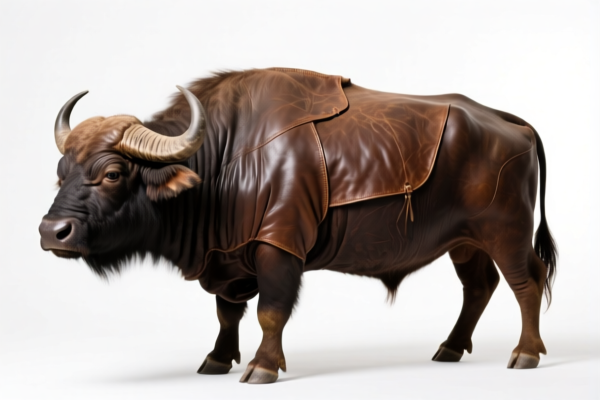
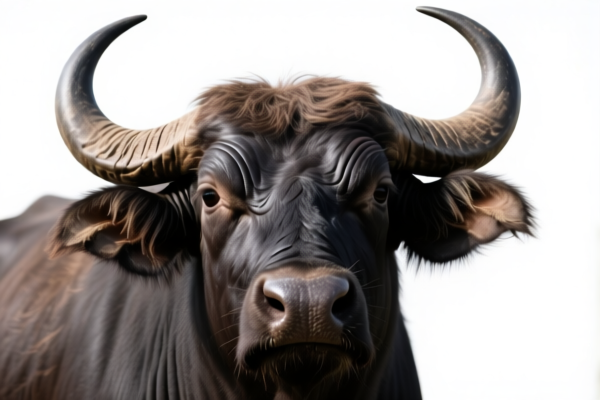
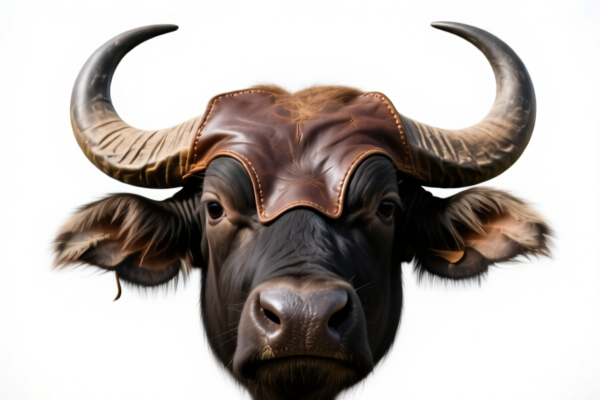
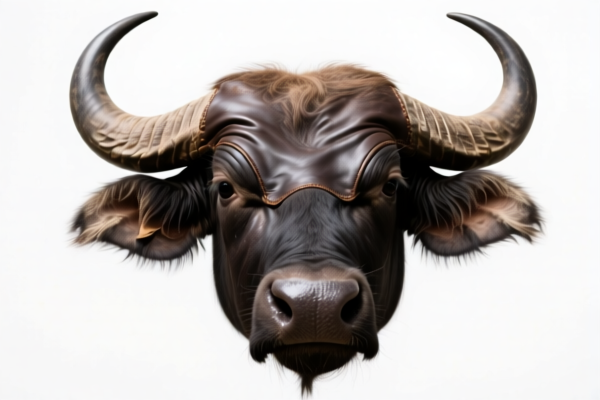
AI分析
🐃 Buffalo Leather Safety & Protection Solutions
🌐 HS Code Reference & Customs Clearance Guide | 2026 Latest Tariff Analysis | Professional Clearance Strategy
📌 I. Product Definition & Classification: What Exactly is "Buffalo Leather" in Trade?
Buffalo leather, derived from water buffaloes (Bubalus bubalis), is a robust, thick, and durable material widely used in heavy-duty footwear, rugged luggage, automotive interiors, and protective gear. In international trade, its classification depends strictly on its processing stage and state.
Raw Hides/Skins (未鞣制/初加工):
Freshly slaughtered hides that have been salted, dried, or lightly preserved but not yet tanned. These are rough, stiff, and not ready for direct consumer use.
Tanned/Finished Leather (已鞣制/成品皮):
Hides that have undergone chemical or mechanical treatment to become supple, durable, and resistant to decay. This includes chrome-tanned, vegetable-tanned, or combination-tanned leathers, even if dyed or coated.
⚠️ Critical Distinction:
- If the product is raw, salted, or dried (untanned) → It falls under Chapter 4101.
- If the product is tanned or further worked (even if rough) → It falls under Chapter 4107.
- Misclassification Risk: Declaring tanned leather as raw hides (or vice versa) can lead to severe tariff penalties and customs delays.
📦 II. HS Code Classification Details (2026 Latest Tariff Reference)
Based on the provided data, here are the specific HS codes for Buffalo Leather products:
| HS Code | Product Description | Processing Stage | Status |
|---|---|---|---|
4101.50.35.00 |
Buffalo Raw Hides/Classified Raw Skins | Untanned (Raw) | ⚠️ Raw |
4101.20.35.00 |
Buffalo Raw Hides (Species & Material Specific) | Untanned (Raw) | ⚠️ Raw |
4104.49.30.60 |
Buffalo Dry Hides Category | Tanned/Preserved (Dry) | ✅ Tanned/Finished |
4107.12.40.00 |
Buffalo Leather (Form/Shape Specific) | Tanned/Finished | ✅ Tanned/Finished |
4107.19.40.00 |
Buffalo Leather (Fully Identical/General) | Tanned/Finished | ✅ Tanned/Finished |
🔍 Key Insight:
- Raw Hides (4101): Subject to higher tariffs due to potential anti-dumping or retaliatory measures.
- Tanned Leather (4104/4107): Generally lower base tariffs but still subject to specific trade clauses.
- Exact Match Required: Customs authorities scrutinize the "state" of the leather. A "dry skin" that is actually tanned cannot be declared as a "raw hide."
💰 III. 2026 Latest Tariff Rate Breakdown (Including Surcharges & Policy Add-ons)
✅ Applicable Country: United States (US)
✅ Country of Origin: China (CN)
✅ Effective Date: Current trade policies (Section 301 & Section 122 implications)
🎯 1. 4101.50.35.00 & 4101.20.35.00 — Buffalo Raw Hides (Untanned)
| Item | Detail |
|---|---|
| Base Tariff | 2.4% (ad valorem) |
| Additional Tariff (Section 301) | +7.5% (Retaliatory/Additional Duty) |
| Section 122 Tariff | +10% (Specific trade provision) |
| Total Tariff Rate | 19.9% |
| Tax Calculation | CIF Value × 19.9% |
| De Minimis Exemption | ❌ Not Applicable (High-value raw materials usually excluded or subject to strict scrutiny) |
| Legal Basis Path | USITC:4101.50.35.00 → SECTION_301:ADDITIONAL → SECTION_122:10% |
📌 Explanation:
- Base 2.4%: Standard Most Favored Nation (MFN) rate for raw hides.
- 7.5% Additional: Often linked to trade tensions or specific sector protections on raw agricultural/animal products.
- 10% Section 122: Refers to specific trade actions (potentially related to safeguard measures or bilateral agreements).
- Total 19.9%: Significantly higher than tanned leather due to the "raw" status and retaliatory measures.
🎯 2. 4104.49.30.60 — Buffalo Dry Hides Category (Tanned/Preserved)
| Item | Detail |
|---|---|
| Base Tariff | 2.4% (ad valorem) |
| Additional Tariff (Section 301) | 0.0% (Exempt or lower tier) |
| Section 122 Tariff | +10% |
| Total Tariff Rate | 12.4% |
| Tax Calculation | CIF Value × 12.4% |
| De Minimis Exemption | ❌ Not Applicable |
| Legal Basis Path | USITC:4104.49.30.60 → SECTION_122:10% |
📌 Explanation:
- Base 2.4%: Same base rate as raw hides.
- 0.0% Additional: Tanned leather often enjoys lower Section 301 rates compared to raw hides.
- 10% Section 122: Still applicable.
- Total 12.4%: Savings of 7.5% compared to raw hides.
🎯 3. 4107.12.40.00 & 4107.19.40.00 — Buffalo Tanned/Finished Leather
| Item | Detail |
|---|---|
| Base Tariff | 2.5% (ad valorem) |
| Additional Tariff (Section 301) | 0.0% |
| Section 122 Tariff | +10% |
| Total Tariff Rate | 12.5% |
| Tax Calculation | CIF Value × 12.5% |
| De Minimis Exemption | ❌ Not Applicable |
| Legal Basis Path | USITC:4107.xxxx.xxxx → SECTION_122:10% |
📌 Explanation:
- Base 2.5%: Slightly higher base rate for finished leather compared to raw/dry.
- 0.0% Additional: No extra Section 301 surcharge.
- 10% Section 122: Standard surcharge.
- Total 12.5%: Comparable to dry hides, but often preferred for high-quality finished goods.📌 Critical Note:
- Total Tax Rates: Raw hides face 19.9%; Tanned/Dried leather faces 12.4%–12.5%.
- Difference: ~7.4%–7.5% savings if the leather is properly tanned and classified under 4104/4107.
🛠️ IV. Customs Clearance Practical Advice (Real-World Pitfall Avoidance)
✅ 1. Documentation Checklist (Non-negotiable)
| Document | Mandatory? | Purpose |
|---|---|---|
| ✅ Commercial Invoice | ✔️ | Must clearly state "Buffalo Leather, Tanned/Dry," HS Code, and Country of Origin. |
| ✅ Packing List | ✔️ | Details weight, quantity, and packaging type (e.g., salted, dry, brine). |
| ✅ Certificate of Origin (CO) | ✔️ | Essential for proving Chinese origin to apply correct Section 301/122 rates. |
| ✅ Processing Description | ✔️ | Detailed note: "Chrome-tanned, drum-dried, full-grain buffalo leather" vs. "Salted raw hide." |
| ✅ Chemical Treatment Proof | ✔️ | Lab reports or supplier declarations confirming tanning process (critical for 4107 vs. 4101). |
| ✅ Bill of Lading/Air Waybill | ✔️ | Standard transport document. |
✅ 2. Declaration Strategy (Key Mnemonics)
🔥 “Tanned is Cheaper, Raw is Pricier; Be Precise, Or Pay the Fire!”
| Scenario | Correct Declaration | Incorrect Declaration | Consequence |
|---|---|---|---|
| Tanned Buffalo Leather | 4107.19.40.00 (12.5%) |
4101.50.35.00 (19.9%) |
Overpayment of ~7.4% |
| Raw/Salted Hides | 4101.50.35.00 (19.9%) |
4107.19.40.00 (12.5%) |
Underpayment = Penalty + Seizure |
| Mixed Shipments | Split by HS Code | Lump sum declaration | Customs Audit + Delays |
📌 Tip:
- If the leather is dyed, finished, or ready for manufacturing, NEVER use 4101 codes.
- If the leather is salted, green, or dried raw, NEVER use 4107 codes.
✅ 3. Special Handling for "Safety Protection" Products
If "Buffalo Leather Safety Protection" refers to finished safety gear (e.g., gloves, aprons, helmets): - These are NOT classified under Chapter 41 (Leather). - They fall under Chapter 39/42/65 depending on the item. - Warning: Do not misdeclare finished safety gear as raw leather to avoid tariffs. This is considered fraud.
🌍 V. Global Market Comparison (2026 Snapshot)
| Country/Region | Recommended HS Code (Tanned) | Total Tariff (China Origin) | Remarks |
|---|---|---|---|
| 🇺🇸 USA | 4107.19.40.00 |
12.5% | Includes Section 122 (10%). High scrutiny on origin. |
| 🇪🇺 EU | 4107.21 |
6.4% | No Section 301. Standard EU common external tariff. |
| 🇨🇳 China | 4107.21 |
3.5% | Low import duty for raw/tanned leather into China. |
| 🇬🇧 UK | 4107.21 |
6.4% | Post-Brexit tariff aligns with EU. |
📌 Conclusion:
- USA is the most expensive market due to Section 122 and Section 301 (for raw hides).
- Tanned leather (4107) is significantly more cost-effective than raw hides (4101) for US imports.
📌 VI. Common Errors & Pitfalls (Lessons Learned)
❌ Error 1: Declaring tanned leather as "Raw Hides" to avoid Section 301?
👉 Result: Customs will reject due to mismatch in physical state. Fines & Seizure.
❌ Error 2: Using "Buffalo Leather" generically without specifying HS Code.
👉 Result: Customs assigns a default higher rate or delays clearance for 2+ weeks.
❌ Error 3: Ignoring Section 122 Tariff.
👉 Result: Underpayment of 10% on every shipment. Back taxes + Interest.
❌ Error 4: Mixing Raw and Tanned Leather in one container without separation.
👉 Result: Entire shipment held for classification review. Storage Fees Accumulate.
✅ Best Practice:
"Import Tanned Buffalo Leather (HS 4107.19.40.00) to benefit from 12.5% total tariff vs. 19.9% for raw hides. Ensure Certificate of Origin is stamped and Tanning Process Documentation is attached."
🎯 VII. Conclusion: Smart Classification, Lower Costs!
🎯 Remember:
🔹 "Tanned saves 7.5% vs. Raw in the US."
🔹 "Section 122 is the silent killer – always budget 10%."
🔹 "HS Code accuracy is your best defense against customs audits."
📌 Pro Tip:
If your buffalo leather is tanned in Vietnam, Mexico, or Thailand, you may qualify for preferential tariffs under USMCA or FTAs, potentially reducing the total tariff to 0%–2%.
👉 Action: Apply for Advance Ruling from CBP (Customs and Border Protection) before shipment.
📣 Immediate Action:
📞 Consult a licensed customs broker.
📄 Verify the tanning process with your supplier.
🚀 Clear goods faster, pay less, and protect your supply chain!
✨ Professional Clearance Starts with Accurate Classification!
💼 Every percentage point matters in global trade!
用户评价
关于 HS 编码归类
协调制度(HS)是由世界海关组织(WCO)制定的国际贸易商品分类标准。全球 200 多个国家采用 HS 系统作为海关关税、贸易统计和进出口监管的基础。
每个 HS 编码遵循以下层级结构:
- 章(2 位)——商品大类(例如:第 84 章:机器和机械设备)
- 品目(4 位)——章内的更具体分类
- 子目(6 位)——国际通用细分,所有 WCO 成员国统一使用
- 本国细分(8-10 位)——各国自行扩展的细分编码,如美国 HTSUS 10 位编码
正确的 HS 编码归类对于顺利通关、准确缴纳关税和遵守贸易法规至关重要。错误归类可能导致海关延误、多缴关税或罚款。
从CN进口到US时,适用的关税税率可能包括:
- 最惠国(MFN)税率——适用于 WTO 成员国的标准关税税率
- 普通税率——适用于无贸易协定国家
- 贸易救济关税——附加关税,如 301 条款(反倾销)、232 条款(国家安全)或反补贴税
本页内容仅供参考。如需正式归类,请咨询当地海关或持牌报关代理。