Buffalo Split Leather for Furniture
CN → US| HS编码 | 关税税率 | 原产国 | 目的国 | 文档 |
|---|---|---|---|---|
| 4104413060 | 12.4% | CN | US | 官方文档 |
| 4101203500 | 19.9% | CN | US | 官方文档 |
| 4104113010 | 12.4% | CN | US | 官方文档 |
| 4101503500 | 19.9% | CN | US | 官方文档 |
| 4107915000 | 12.8% | CN | US | 官方文档 |
商品图片
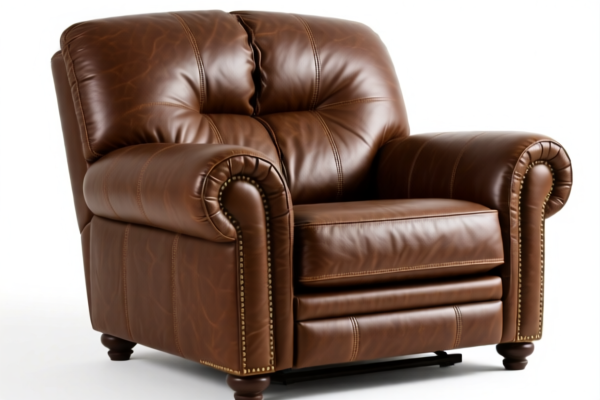
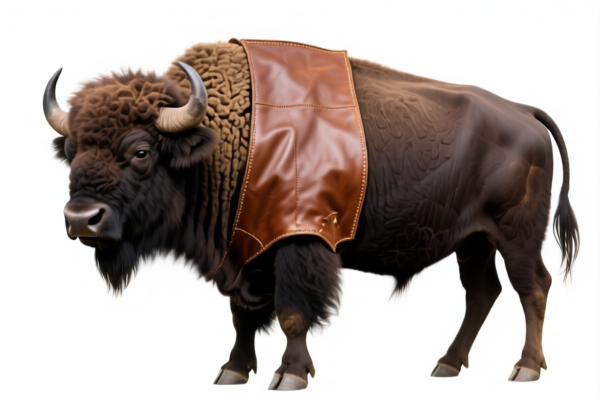
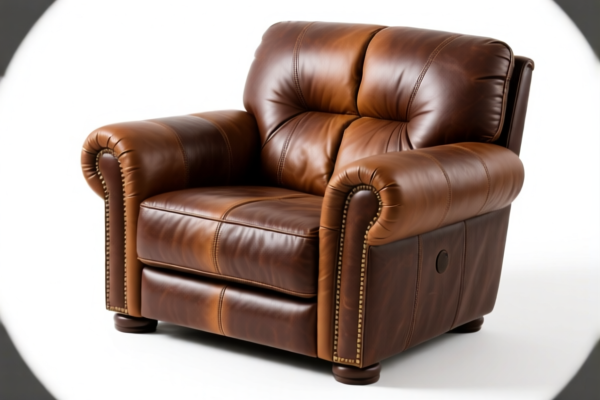
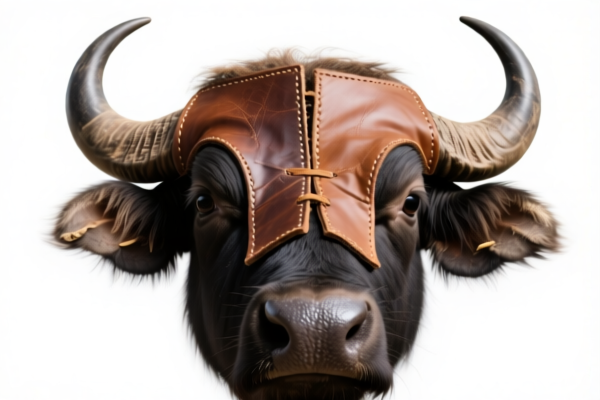
AI分析
🐂 Buffalo Split Leather for Furniture: The Hidden Tax Trap & Classification Guide
🌐 HS Code Reference & Customs Clearance Guide | 2026 Latest Tariff Analysis | Professional Clearance Strategy
📌 I. Product Definition & Classification: What is "Buffalo Split Leather"?
Buffalo Split Leather is a type of leather derived from buffalo hides. Unlike "Full Grain" or "Top Grain" leather (which come from the top layer of the hide), Split Leather is created by splitting the hide horizontally.
In the context of Furniture, this material is highly prized for its durability, texture, and cost-effectiveness. However, in international trade, its classification depends critically on two factors: 1. Processing State: Is it "Raw" (uncrustled/vegetable-tanned) or "Finished" (crustled/chrome-tanned/colored)? 2. Form: Is it in Whole Hides or cut into pieces?
⚠️ Critical Distinction for Furniture: - If the leather is unfinished/uncrustled (raw state, often used for DIY or further processing), it falls under Chapter 41 (Raw Hides). - If the leather is finished/crustled (ready for upholstery, dyed, treated), it falls under Chapter 41 but different subheadings (e.g., 4107). - Whole Hides vs. Cut Pieces: "Whole Hides" have significantly lower tariffs in some jurisdictions compared to cut pieces.
📦 II. HS Code Classification Details (2026 Latest Tariff Matrix)
Based on the provided data, here are the specific HS Codes for Buffalo Split Leather for Furniture, categorized by their processing state and form.
| HS Code | Product Description | Key Characteristics | Processing State |
|---|---|---|---|
| 4104.41.30.60 | Whole Buffalo Hide, Unfinished | Intact hide, natural grain/split surface, no dyeing/finishing | Unfinished / Raw |
| 4101.20.35.00 | Whole Buffalo Raw Hide | Whole hide, species-specific (Bubalus bubalis), unprocessed | Raw / Unprocessed |
| 4104.11.30.10 | Whole Buffalo Hide, Unfinished | Matched to material & form, no further processing | Unfinished / Raw |
| 4101.50.35.00 | Whole Buffalo Raw Hide | Intact hide, ready for tanning, not yet crustled | Raw / Unprocessed |
| 4107.91.50.00 | Whole Buffalo Hide, Crustled | Finished surface, dyed/treated, ready for furniture use | Crustled / Finished |
🔍 Key Insight: - Codes 4104 and 4101 generally refer to unfinished, raw, or crustled hides in their whole form. - Code 4107 refers to finished/crustled leather, often involving chrome-tanning or specific finishing processes suitable for immediate upholstery use. - All listed codes specify "Whole Hides" (整张). If the split leather is cut into smaller pieces, these specific codes may not apply, potentially leading to higher duties or misclassification.
💰 III. 2026 Latest Tariff Rate Breakdown (US Market Focus)
✅ Applicable Market: United States (US)
✅ Origin: China (CN)
✅ Effective Date: Post-November 2025 (Current Regime)
🎯 1. Codes 4104.41.30.60 & 4104.11.30.10 (Unfinished Whole Buffalo Hides)
These codes apply to unfinished buffalo split hides. They benefit from a lower "Additional Tariff" but still face significant Section 301/122 tariffs.
| Item | Details |
|---|---|
| Base Tariff | 2.4% |
| Additional Tariff | 0.0% |
| Section 122 Tariff | +10.0% |
| Total Tariff Rate | 12.4% |
| Calculation Basis | CIF Value × 12.4% |
| De Minimis Exemption | ❌ Not Applicable (Leather goods are generally excluded from $800 de minimis) |
| Legal Basis | Section 301 / Section 122 / Base Tariff Schedule |
📌 Explanation: - The 0% Additional Tariff makes these codes more attractive than finished leathers in certain contexts. - The 10% Section 122 Tariff is a specific duty often applied to raw materials like hides to protect domestic tanning industries. - Total Impact: 12.4% is moderate compared to finished goods, but volume matters.
🎯 2. Codes 4101.20.35.00 & 4101.50.35.00 (Raw Whole Buffalo Hides)
These codes apply to raw, unprocessed whole buffalo hides. They are subject to the highest tariffs in the provided dataset due to the "Additional Tariff" component.
| Item | Details |
|---|---|
| Base Tariff | 2.4% |
| Additional Tariff | +7.5% |
| Section 122 Tariff | +10.0% |
| Total Tariff Rate | 19.9% |
| Calculation Basis | CIF Value × 19.9% |
| De Minimis Exemption | ❌ Not Applicable |
| Legal Basis | Section 301 / Section 122 / Base Tariff Schedule |
📌 Explanation: - The 7.5% Additional Tariff is likely due to Section 301 duties on specific raw animal products. - Total Impact: 19.9% is significantly higher than the 12.4% for unfinished/4104 codes. This suggests that 4104 codes are more cost-effective if the leather is in an unfinished state.
🎯 3. Code 4107.91.50.00 (Crustled/Finished Whole Buffalo Hides)
This code applies to finished/crustled whole buffalo hides, which are ready for furniture manufacturing. It has a slightly higher base rate but no additional Section 301 tariff.
| Item | Details |
|---|---|
| Base Tariff | 2.8% |
| Additional Tariff | 0.0% |
| Section 122 Tariff | +10.0% |
| Total Tariff Rate | 12.8% |
| Calculation Basis | CIF Value × 12.8% |
| De Minimis Exemption | ❌ Not Applicable |
| Legal Basis | Section 301 / Section 122 / Base Tariff Schedule |
📌 Explanation: - The Base Tariff is slightly higher (2.8% vs 2.4%), but the Additional Tariff is 0%. - Total Impact: 12.8% is very close to the 12.4% for unfinished hides. - Why Choose This? If you are importing finished leather ready for upholstery, you must use this code. You cannot classify finished leather as 4104 (unfinished).
🛠️ IV. Customs Clearance Practical Advice (Risk Mitigation Guide)
✅ 1. Documentation Checklist (Mandatory)
| Document | Required? | Purpose |
|---|---|---|
| Commercial Invoice | ✅ | Must clearly state: "Whole Buffalo Split Leather," "Unfinished/Crustled," "For Furniture Use." |
| Packing List | ✅ | Detail the number of hides, dimensions, and weight. |
| Material Composition Statement | ✅ | Confirm it is 100% Buffalo Hide (not synthetic split). |
| Processing Statement | ✅ | Explicitly state: "Unfinished/Raw" (for 4104/4101) or "Crustled/Finished" (for 4107). |
| Photographs | ✅ | Show the grain side, flesh side, and any markings. Critical for proving "Whole Hide" status. |
| HS Code Pre-Ruling | ✅ | Highly recommended to confirm 4104 vs 4107 classification. |
✅ 2. Classification Strategy & Cost Optimization
| Scenario | Recommended HS Code | Total Tariff | Strategy |
|---|---|---|---|
| Importing Raw, Unfinished Split Hides | 4104.41.30.60 or 4104.11.30.10 | 12.4% | ✅ Best Option. Lower total duty than raw hides (4101). Ensure leather is NOT chrome-tanned or dyed. |
| Importing Raw, Unprocessed Whole Hides | 4101.20.35.00 or 4101.50.35.00 | 19.9% | ⚠️ Higher Cost. Only use if the leather is completely raw (not even crustled). Avoid if possible. |
| Importing Finished/Crustled Split Hides | 4107.91.50.00 | 12.8% | ✅ Standard Option. Must be used for finished leather. Duty is similar to unfinished 4104 codes. |
🔥 Pro Tip: - Do NOT misclassify finished leather (4107) as unfinished (4104). If Customs inspects the goods and finds dye or chemical treatment, you will face penalties, back-tariffs, and delays. - "Whole Hide" is Key: All these codes require the leather to be in whole hide form. If you ship pre-cut pieces, you may be classified under 4106 (Cut Hides), which often has higher tariffs and different regulatory requirements. Always ship as whole hides if targeting these codes.
✅ 3. Common Pitfalls & How to Avoid Them
| Mistake | Consequence | Solution |
|---|---|---|
| Shipment of Cut Pieces | Misclassification under 4106 → Higher tariffs | ✅ Ship as Whole Hides. Cut only after import (if allowed) or use specific cut-hide codes. |
| Vague Description | Customs holds shipment for inspection | ✅ Use precise terms: "Whole Buffalo Split Leather, Crustled, For Furniture." |
| Ignoring Section 122 | Underpayment of duties | ✅ Ensure 10% Section 122 is included in cost calculations for all codes. |
| Confusing Split vs. Full Grain | Wrong duty rate | ✅ Confirm if the leather is Split (lower value) or Full Grain (higher value, different codes). |
🌍 V. Global Market Comparison (Quick Reference)
| Country | Recommended HS Code | Base Tariff | Additional Duties | Notes |
|---|---|---|---|---|
| 🇺🇸 USA | 4104.41.30.60 (Unfinished) | 12.4% | Section 122 (10%) | High scrutiny on "Whole Hide" status. |
| 🇨🇳 China | 4104/4107 | Varies | None | Import duties may differ; check FTAs. |
| 🇪🇺 EU | 4104/4107 | 4% - 6.5% | None | No Section 122 equivalent. |
| 🇯🇵 Japan | 4104/4107 | 5% - 8% | None | Generally low tariffs on raw hides. |
📌 Conclusion: - The US market imposes significant Section 122 tariffs (10%) on all raw/crustled leather imports. - 4104 codes (12.4%) are more cost-effective than 4101 codes (19.9%) for unfinished buffalo split leather. - 4107 codes (12.8%) are the standard for finished leather, with no additional Section 301 tariff.
📌 VI. Final Clearance Tips
- Pre-Ruling is Essential: Apply for an HS Code Pre-Ruling from US Customs and Border Protection (CBP) before shipping. This provides legal certainty on whether your product falls under 4104 (unfinished) or 4107 (finished).
- Sample Submission: Provide a physical sample to your customs broker. They can verify the "crustled" vs. "finished" status, which directly impacts the 0.4% duty difference between 4104 and 4107.
- Packaging Labeling: Ensure all packages are clearly labeled with:
- "Whole Buffalo Hide"
- "Split Leather"
- "Unfinished" or "Crustled" (as applicable)
- "For Furniture Manufacturing"
- Avoid De Minimis: Do not attempt to ship small quantities under the $800 de minimis rule. Leather goods are excluded from this exemption. All shipments will be subject to formal entry and duties.
🎯 VII. Summary: Action Plan for Importers
| Step | Action |
|---|---|
| 1. Confirm State | Is the leather Raw/Unfinished (4104) or Finished/Crustled (4107)? |
| 2. Check Form | Is it Whole Hides (required for these codes) or Cut Pieces? |
| 3. Calculate Cost | Use 12.4% for 4104, 19.9% for 4101, 12.8% for 4107. |
| 4. Document | Prepare invoice, packing list, and processing statement. |
| 5. Pre-Rule | Apply for CBP Pre-Ruling to lock in the HS Code. |
🚀 Bottom Line: For Buffalo Split Leather for Furniture, aiming for HS Code 4104.41.30.60 (12.4% duty) is the most cost-effective strategy IF the leather is unfinished. If the leather is finished, you must use 4107.91.50.00 (12.8% duty). Avoid 4101 codes due to the 19.9% tariff unless the leather is completely raw. Always ensure the product is in whole hide form to qualify for these specific codes.
📌 Disclaimer: This guide is based on the provided data and general trade practices. Tariff rates and HS Code classifications are subject to change. Always consult with a licensed customs broker or legal expert before importing.
✨ Professional Clearance, Precise Classification, Maximum Savings! 💼
用户评价
关于 HS 编码归类
协调制度(HS)是由世界海关组织(WCO)制定的国际贸易商品分类标准。全球 200 多个国家采用 HS 系统作为海关关税、贸易统计和进出口监管的基础。
每个 HS 编码遵循以下层级结构:
- 章(2 位)——商品大类(例如:第 84 章:机器和机械设备)
- 品目(4 位)——章内的更具体分类
- 子目(6 位)——国际通用细分,所有 WCO 成员国统一使用
- 本国细分(8-10 位)——各国自行扩展的细分编码,如美国 HTSUS 10 位编码
正确的 HS 编码归类对于顺利通关、准确缴纳关税和遵守贸易法规至关重要。错误归类可能导致海关延误、多缴关税或罚款。
从CN进口到US时,适用的关税税率可能包括:
- 最惠国(MFN)税率——适用于 WTO 成员国的标准关税税率
- 普通税率——适用于无贸易协定国家
- 贸易救济关税——附加关税,如 301 条款(反倾销)、232 条款(国家安全)或反补贴税
本页内容仅供参考。如需正式归类,请咨询当地海关或持牌报关代理。