Building Polyester Sheets
CN → US| HS编码 | 关税税率 | 原产国 | 目的国 | 文档 |
|---|---|---|---|---|
| 5408312030 | 49.9% | CN | US | 官方文档 |
| 5512110022 | 47.0% | CN | US | 官方文档 |
| 5512110027 | 47.0% | CN | US | 官方文档 |
| 5407510020 | 49.9% | CN | US | 官方文档 |
商品图片
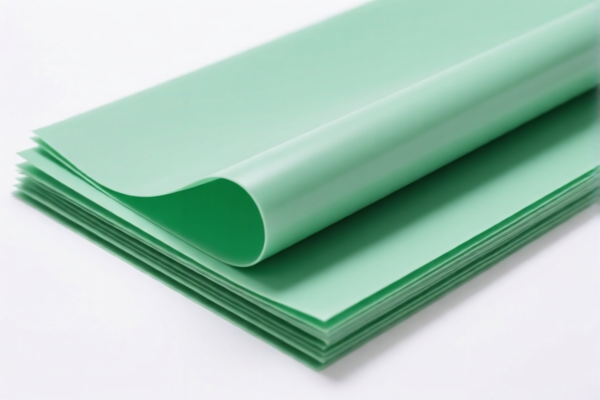
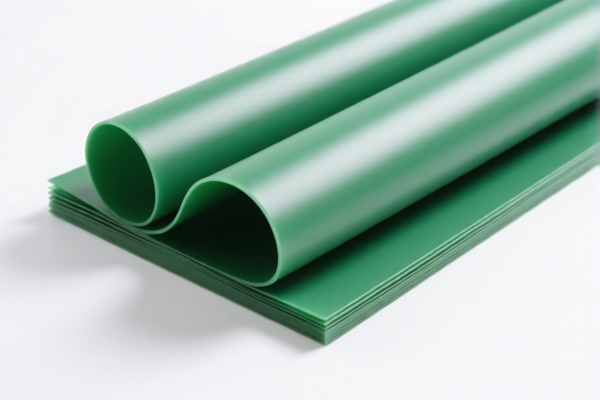
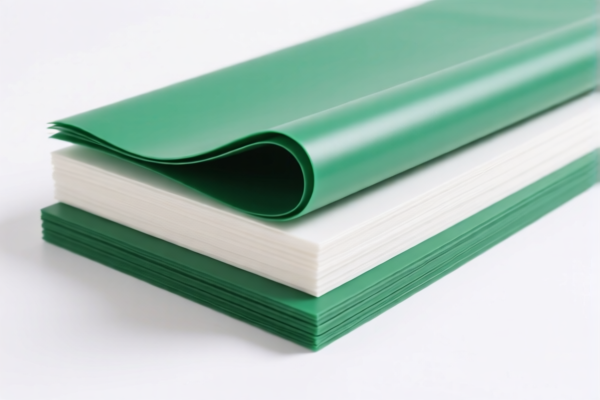
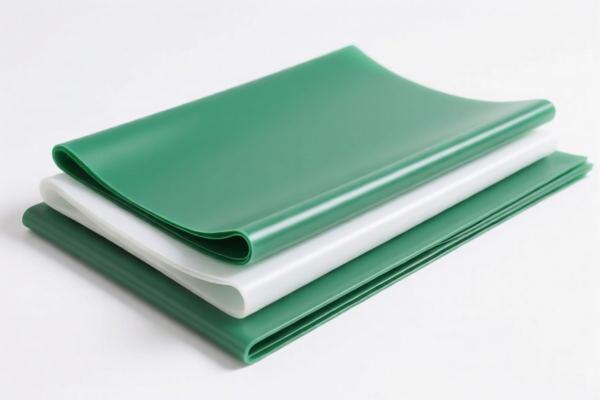
AI分析
🛏️ Polyester Sheets for Bedding (Bedding Fabrics)
🌐 HS Code Reference & Customs Clearance Guide | 2026 Latest Tariff Analysis | Professional Clearance Strategy
📌 I. Product Definition & Classification: Do You Really Understand "Polyester Bedding Fabrics"?
Polyester sheets and bedding fabrics are critical components in the home textile industry. In international trade, they are distinguished primarily by the type of polyester fiber used (Filament vs. Staple) and the weave structure (Plain Weave).
1. Polyester Filament Yarn Fabrics (5407 / 5408 Series):
Made from long, continuous polyester filaments. These fabrics are generally smoother, more lustrous, and often used for high-end sateen or percale weaves. They fall under Chapter 54 (Man-made filaments).
2. Polyester Staple Fiber Fabrics (5512 Series):
Made from short, cut polyester fibers spun into yarn. These fabrics are often more matte, durable, and absorbent (if treated), commonly used for standard flat sheets or fitted sheets. They fall under Chapter 55 (Man-made staple fibers).
⚠️ Key Distinction Point:
- If the fabric is woven from continuous filaments →归入 5408.31.20.30 or 5407.51.00.20
- If the fabric is woven from staple fibers → 归入 5512.11.00.22 or 5512.11.00.27
📦 II. HS Code Classification Details (2026 Latest Tariff Authority Comparison)
| HS Code | Product Description | Application Scenario | Fiber Type | Weave Type |
|---|---|---|---|---|
5408.31.20.30 |
Woven fabrics of polyester filament yarn, plain weave, for bed sheet fabrics | High-end smooth bedding, sateen finish | ✅ Filament (Continuous) | Plain Weave |
5407.51.00.20 |
Woven fabrics of polyester filament yarn, plain weave, for bed sheet fabrics | Similar to above, often distinguished by specific weight/composition nuances | ✅ Filament (Continuous) | Plain Weave |
5512.11.00.22 |
Woven fabrics of polyester staple fibres, plain weave, for bed sheets | Standard durable bedding, matte finish | ✅ Staple (Short) | Plain Weave |
5512.11.00.27 |
Woven fabrics of polyester staple fibres, plain weave, for bed sheets | Standard durable bedding, matte finish | ✅ Staple (Short) | Plain Weave |
🔍 Key Reminder:
- The final digit.30or.20for filament codes and.22or.27for staple codes indicates the specific end-use ("for bed sheets") in the US HTS.
- Misclassifying Filament as Staple (or vice versa) leads to incorrect duty assessments and potential penalties.
- All listed codes are for Plain Weave fabrics specifically designated for Bed Sheets.
💰 III. 2026 Latest Tariff Rate Breakdown (Including Surtaxes & Policy Add-ons)
✅ Applicable Country: United States (US)
✅ Origin: China (CN)
✅ Effective Time: Current rates applicable for imports from China subject to Section 301 and IEEPA measures.
🎯 1. 5408.31.20.30 & 5407.51.00.20 —— Polyester Filament Woven Fabrics (For Bed Sheets)
| Item | Content |
|---|---|
| Base Rate | 14.9% (Ad valorem) |
| Section 301 Surcharge | +25.0% (USITC Footnote associated with Section 301) |
| IEEPA Surcharge | +10.0% (Under International Emergency Economic Powers Act, specifically "122 Section" tariff for certain Chinese textiles) |
| Total Effective Rate | 49.9% |
| Tax Calculation | CIF Value × 49.9% |
| De Minimis Exemption | ❌ Not Applicable (Deny de minimis) |
| Legal Basis Path | Base HTS → USITC:301 → IEEPA:122 |
📌 Explanation:
- "Base Tariff 14.9%": The standard Most Favored Nation (MFN) rate for polyester filament woven fabrics.
- "Section 301 Surcharge 25%": The primary trade war tariff applied to a wide range of Chinese goods.
- "IEEPA 10%": An additional levy under Section 122 of the Trade Act of 1974 (often referred to as the "122 clause tariff"), specifically targeting certain textile imports from China.
- Total 49.9%: This is a very high duty rate. Importers must pre-calculate this cost into their landing price.
🎯 2. 5512.11.00.22 & 5512.11.00.27 —— Polyester Staple Fiber Woven Fabrics (For Bed Sheets)
| Item | Content |
|---|---|
| Base Rate | 12.0% (Ad valorem) |
| Section 301 Surcharge | +25.0% |
| IEEPA Surcharge | +10.0% |
| Total Effective Rate | 47.0% |
| Tax Calculation | CIF Value × 47.0% |
| De Minimis Exemption | ❌ Not Applicable (Deny de minimis) |
| Legal Basis Path | Base HTS → USITC:301 → IEEPA:122 |
📌 Note:
- These codes apply to fabrics made from staple fibers (short-cut polyester).
- The base rate is slightly lower (12.0%) than filament fabrics, but the surcharges remain the same.
- Even with the slight difference, 47.0% is still a prohibitive tariff level for low-margin bedding products.
🛠️ IV. Customs Clearance Practical Advice (Battle-Tested Pitfall Avoidance)
✅ 1. Required Documentation Checklist (Non-negotiable)
| Document | Mandatory? | Description |
|---|---|---|
| ✅ Product Specification Sheet | ✔️ | Must clearly state: Fiber content (100% Polyester), Fiber Type (Filament vs. Staple), Weave (Plain), End-use (Bed Sheets). |
| ✅ Lab Test Report | ✔️ | Third-party lab report confirming fiber composition (critical to distinguish Filament vs. Staple). |
| ✅ Commercial Invoice | ✔️ | Must explicitly state: "Woven Polyester Fabrics for Bed Sheets, Plain Weave." Avoid vague terms like "Textile Material." |
| ✅ Packing List | ✔️ | Detail rolls, dimensions, weight, and HS Code on each roll label if possible. |
| ✅ Origin Certificate | ✔️ | To prove origin is China (to accurately apply surcharges; false origin is fraud). |
✅ 2. Declaration Tips (Key Mantra)
🔥 "Fiber Type Determines Code, End-Use Determines Sub-code, Full Tariff Expected!"
| Scenario | Correct Declaration | Wrong Action | Consequence |
|---|---|---|---|
| Fabric made from continuous filaments | 5408.31.20.30 or 5407.51.00.20 |
Declare as 5512... (Staple) |
❌ Underpayment Risk: If audit reveals it's filament, you pay back the difference + penalties. |
| Fabric made from staple fibers | 5512.11.00.22 or 5512.11.00.27 |
Declare as 5408... (Filament) |
❌ Overpayment Risk: You pay 49.9% instead of 47.0%. (Small difference, but bad practice). |
| Vague Description: "Polyester Fabric" | N/A | Do this | 🚫 Customs Hold: CBP will request lab tests, causing delays and storage fees. |
| End-use not specified | N/A | Do this | 🚫 Wrong Sub-code: You might get a generic code with different duties. |
✅ 3. Special Circumstances Handling
| Situation | Handling Advice |
|---|---|
| Mixed Fiber Content (e.g., Poly-Cotton) | These specific HS codes (5408/5512) are for 100% Polyester. If it's a blend, a different HS code applies with different rates. Be precise! |
| Sample Imports | Even for samples, declare accurately. The "De Minimis" exemption ($800) does not apply to these Chinese textile products due to surcharges and restrictions. |
| Fabric vs. Finished Sheets | These HS codes are for Fabrics (Woven Fabrics). If you import finished bedsheets (sewn), the HS code changes completely (likely Chapter 63). Ensure you are importing fabric, not finished goods. |
🌍 V. Global Market Clearance Comparison (2026 Latest)
| Country/Region | Recommended HS Code | Base Tariff | Surcharges | Total Approx. Rate | Notes |
|---|---|---|---|---|---|
| 🇺🇸 USA | 5408.31.20.30 / 5512.11.00.22 |
12-15% | +35% (301+122) | ~47-50% | High Barrier. Supply chain diversification often needed. |
| 🇨🇳 China | 5407.51.00.20 / 5512.11.00.22 |
~8-10% | None | ~8-10% | Low duty for domestic processing or re-export. |
| 🇪🇺 EU | 5407.51.00.20 / 5512.11.00.22 |
~12% | None | ~12% | Lower barrier than US. No Section 301 equivalent. |
| 🇬🇧 UK | 5407.51.00.20 / 5512.11.00.22 |
~12% | None | ~12% | Post-Brexit tariff schedule similar to EU pre-Brexit. |
| 🇮🇳 India | 5407.51.00.20 / 5512.11.00.22 |
~20% | Anti-dumping (Possible) | ~20%+ | Check for specific anti-dumping duties on polyester filaments. |
📌 Conclusion:
- The US market is extremely expensive for polyester bedding fabrics from China due to the 35-40% surcharges.
- Europe and other markets offer significantly lower tariffs (~12%).
- Many US importers are shifting sourcing to Vietnam, India, or Bangladesh to avoid the 25%+301 tariffs.
📌 VI. Common Errors & Pitfall Guide (Blood-Tears Lessons)
❌ Error 1: Confusing Filament with Staple
👉 Consequence: Wrong HS Code. CBP may classify as generic textile, leading to audit and retroactive duty adjustments.
❌ Error 2: Not specifying "For Bed Sheets"
👉 Consequence: Generic polyester fabric codes may have different duty rates or higher scrutiny for "textile circumvention."
❌ Error 3: Ignoring the IEEPA 122 Clause
👉 Consequence: Many brokers only account for Section 301 (25%). Missing the additional 10% leads to underpayment.
❌ Error 4: Declaring Finished Sheets under Fabric HS Codes
👉 Consequence: Major classification error. Finished sheets (sewn) are Chapter 63. This is fraud if intentional or severe error if not.
✅ Correct Declaration Example:
"Woven Fabrics, 100% Polyester Filament Yarn, Plain Weave, for Use in Making Bed Sheets, Unbleached, Width 60 inches, Roll Packing."
🎯 VII. Conclusion: Precise Classification Saves Money
🎯 Key Takeaways:
🔹 "Filament vs. Staple: Check the Microscope!"
🔹 "301 + IEEPA 122 = ~35% Extra Cost. Budget Accordingly!"
🔹 "Fabric vs. Finished Goods: Don't Mix Chapters 54/55 with Chapter 63!"
📌 Pro Tip:
If you are an importer into the US, consider:
1. Advance Ruling: Request a binding ruling from CBP on the exact fiber classification.
2. Supply Chain Audit: Verify your supplier's fiber test reports annually.
3. Cost-Benefit Analysis: With ~48-50% total tariffs, ensure your margin can sustain US market pricing, or consider transshipment (legally compliant) or sourcing from non-China countries.
📣 Immediate Action:
📞 Consult a Customs Broker: Provide physical samples or detailed lab reports.
📋 Label Correctly: Ensure all fabric rolls are labeled with Fiber Type and End-Use.
🚀 Plan for High Duties: Factor in the 47-50% total tax in your financial models.
✨ Professional Clearance Starts with Accurate Classification!
💼 Your Profit Margin is Protected by Precision!
用户评价
关于 HS 编码归类
协调制度(HS)是由世界海关组织(WCO)制定的国际贸易商品分类标准。全球 200 多个国家采用 HS 系统作为海关关税、贸易统计和进出口监管的基础。
每个 HS 编码遵循以下层级结构:
- 章(2 位)——商品大类(例如:第 84 章:机器和机械设备)
- 品目(4 位)——章内的更具体分类
- 子目(6 位)——国际通用细分,所有 WCO 成员国统一使用
- 本国细分(8-10 位)——各国自行扩展的细分编码,如美国 HTSUS 10 位编码
正确的 HS 编码归类对于顺利通关、准确缴纳关税和遵守贸易法规至关重要。错误归类可能导致海关延误、多缴关税或罚款。
从CN进口到US时,适用的关税税率可能包括:
- 最惠国(MFN)税率——适用于 WTO 成员国的标准关税税率
- 普通税率——适用于无贸易协定国家
- 贸易救济关税——附加关税,如 301 条款(反倾销)、232 条款(国家安全)或反补贴税
本页内容仅供参考。如需正式归类,请咨询当地海关或持牌报关代理。