CANDLE MOULD
CN → US| HS编码 | 关税税率 | 原产国 | 目的国 | 文档 |
|---|---|---|---|---|
| 3926909905 | 22.8% | CN | US | 官方文档 |
| 8480718045 | 38.1% | CN | US | 官方文档 |
| 4016990500 | 20.9% | CN | US | 官方文档 |
| 3926909989 | 22.8% | CN | US | 官方文档 |
| 8480799090 | 38.1% | CN | US | 官方文档 |
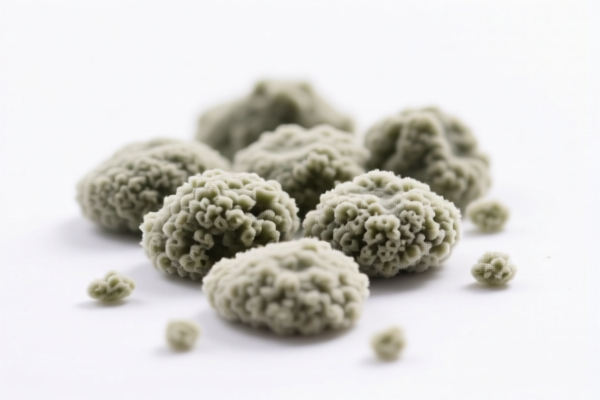
商品图片



AI分析
🕯️ Candle Moulds (Silicone-Based Molds for Candle Making)
🌐 HS Code Reference & Customs Clearance Guide | 2026 Latest Tariff Analysis | Professional Entry Strategy 📌 I. Product Definition & Classification: What Exactly is a "Silicone Candle Mold"?
Silicone candle moulds are essential tools in the candle-making industry. They are typically made from silicone, which is chemically classified either as a plastic/synthetic resin or as a vulcanized rubber/elastomer, depending on the specific manufacturing process and material composition.
In international trade, the classification hinges on two critical factors: 1. Material Nature: Is it primarily treated as a plastic article or a rubber article? 2. Function: Is it used as a tool for manufacturing (a mould) or as a final consumer good?
⚠️ Key Distinction: - If classified as a Plastic Article (General Use): It falls under Chapter 39 (Plastics). Since it is a general-purpose mould not specifically listed elsewhere, it often goes to 3926.90.99. - If classified as a Rubber Article: It falls under Chapter 40 (Rubber). Specificity as a "mould" might place it under 8480 (Moulds for Metal) or general rubber goods 4016. - If classified strictly as a Mould (Industrial Tool): It may fall under 8480 (Moulds for Metal, Glass, etc.), but silicone moulds for candles are often considered "plastic/rubber moulds" which can create ambiguity between Chapters 39, 40, and 84.
📦 II. HS Code Classification Details (2026 Latest Tariff Cross-Reference)
Based on the provided data, here are the five possible HS Code classifications for Silicone Candle Moulds, along with their tax implications.
| HS Code | Product Description & Logic | Total Tax Rate | Tax Breakdown |
|---|---|---|---|
| 3926.90.99.05 | Plastic Article: Silicone (synthetic resin/plastic) classified as a general plastic article. Form: Mold. Fits plastic product attributes. | 22.8% | Base: 5.3% Section 301: 7.5% Section 122: 10% |
| 8480.71.80.45 | Industrial Mold (Plastic/Rubber): Silicone treated as a mold for plastic/rubber. Fits plastic/rubber mold attributes. | 38.1% | Base: 3.1% Section 301: 25.0% Section 122: 10% |
| 4016.99.05.00 | Rubber Article: Silicone (vulcanized rubber/elastomer). Classified as "Other vulcanized rubber articles, not specified elsewhere." | 20.9% | Base: 3.4% Section 301: 7.5% Section 122: 10% |
| 3926.90.99.89 | Plastic Article (General): Silicone (synthetic material) classified as a general plastic article/other plastic goods. | 22.8% | Base: 5.3% Section 301: 7.5% Section 122: 10% |
| 8480.79.90.90 | Industrial Mold (Other): Silicone treated as "Other molds for plastic or rubber." Fits general mold attributes. | 38.1% | Base: 3.1% Section 301: 25.0% Section 122: 10% |
🔍 Critical Analysis: - The Highest Tax (38.1%) applies when the item is classified as a Mold (Chapter 84) under Section 301. This is because molds for plastics/rubbers attract a higher 25% Section 301 tariff. - The Lowest Tax (20.9%) applies if classified as a Rubber Article (4016) with a lower base rate and standard 7.5% Section 301. - The Middle Tax (22.8%) applies if classified as a Plastic Article (3926) with a higher base rate (5.3%) but only 7.5% Section 301.
💰 III. 2026 Latest Tariff Rate Details (Including Surcharges & Policy Add-ons)
✅ Applicable Country: USA (US) ✅ Origin: China (CN) ✅ Effective Time: Current rates applicable as per 2026 data.
🎯 1. 3926.90.99.05 / 3926.90.99.89 — Plastic Articles (General Molds/Parts)
Logic: Treated as general plastic goods rather than specific industrial molds.
| Item | Content |
|---|---|
| Base Duty Rate | 5.3% (Ad Valorem) |
| Section 301 Surcharge | +7.5% |
| Section 122 Surcharge | +10% |
| Total Effective Rate | 22.8% |
| Calculation | CIF Value × 22.8% |
| De Minimis Exemption | ❌ Not Eligible (High tax rates usually exclude small packages from de minimis benefits if duties exceed threshold). |
📌 Explanation: - Base 5.3%: Standard US MFN duty for general plastic articles. - Section 301 7.5%: Part of the List 3/4 trade war tariffs on Chinese goods. - Section 122 10%: Additional duty under Section 122 (often related to national security or specific trade remedies). - Why 22.8%?: This is a moderate tax bracket, significantly lower than the "Industrial Mold" category.
🎯 2. 4016.99.05.00 — Other Vulcanized Rubber Articles
Logic: Silicone is chemically an elastomer; classified under rubber goods.
| Item | Content |
|---|---|
| Base Duty Rate | 3.4% (Ad Valorem) |
| Section 301 Surcharge | +7.5% |
| Section 122 Surcharge | +10% |
| Total Effective Rate | 20.9% |
| Calculation | CIF Value × 20.9% |
| De Minimis Exemption | ❌ Not Eligible |
📌 Explanation: - Base 3.4%: The lowest base duty among the options. - Section 301 7.5%: Same as plastic articles. - Section 122 10%: Same as plastic articles. - Why 20.9%?: This is the Lowest Tax Option. If Customs agrees silicone is "rubber," this is the most cost-effective classification.
🎯 3. 8480.71.80.45 / 8480.79.90.90 — Moulds for Plastic or Rubber
Logic: Explicitly classified as "Moulds" (Chapter 84), triggering higher trade war tariffs.
| Item | Content |
|---|---|
| Base Duty Rate | 3.1% (Ad Valorem) |
| Section 301 Surcharge | +25.0% |
| Section 122 Surcharge | +10% |
| Total Effective Rate | 38.1% |
| Calculation | CIF Value × 38.1% |
| De Minimis Exemption | ❌ Not Eligible |
📌 Explanation: - Base 3.1%: Very low base duty for moulds. - Section 301 25%: CRITICAL! Moulds for plastics/rubbers are subject to the full 25% tariff rate under Section 301 (List 4A/B). - Section 122 10%: Additional 10%. - Why 38.1%?: This is the Highest Tax Option. Avoid this classification unless the product is undeniably an industrial metal/plastic mould for heavy manufacturing, not a consumer silicone cake/candle mold.
🛠️ IV. Customs Clearance Practical Advice (Battle-Tested Pitfall Guide)
✅ 1. Preparation Checklist (Non-Negotiable)
| Document | Required? | Description |
|---|---|---|
| ✅ Product Specifications | ✔️ | Must specify material: "100% Food-Grade Silicone" or "Liquid Silicone Rubber (LSR)." |
| ✅ Composition Proof | ✔️ | MSDS (Material Safety Data Sheet) is crucial to prove it is silicone (rubber/elastomer) vs. hard plastic. |
| ✅ Usage Statement | ✔️ | State clearly: "Used for candle making," NOT "Used for industrial metal casting." |
| ✅ Commercial Invoice | ✔️ | Describe as "Silicone Candle Moulds" or "Silicone Rubber Molds." Avoid vague terms like "Plastic Goods." |
| ✅ Photos | ✔️ | Show flexibility, detail, and any branding. Flexible items support "Rubber" classification. |
| ✅ Packing List | ✔️ | Ensure weight and volume match invoice. |
✅ 2. Classification Strategy (Key Mnemonics)
🔥 "Rubber Wins, Plastic Middle, Mold Loses!"
| Scenario | Recommended HS Code | Reasoning |
|---|---|---|
| Best Case | 4016.99.05.00 | Argue it is a vulcanized rubber/elastomer. Lowest total tax (20.9%). |
| Safe Case | 3926.90.99.05/89 | Argue it is a plastic article. Moderate tax (22.8%). Easier to justify as "synthetic resin." |
| Worst Case | 8480.71.80.45 / 8480.79.90.90 | AVOID. Classified as an Industrial Mold. Highest tax (38.1%) due to 25% Section 301. |
📌 Key Defense: - Silicon candle moulds are not heavy-duty industrial moulds for metal or glass. - They are flexible, consumer-grade items. - Therefore, they should be classified under Chapter 40 (Rubber) or Chapter 39 (Plastics), NOT Chapter 84 (Machinery/Moulds).
✅ 3. Special Circumstances Handling
| Situation | Handling Advice |
|---|---|
| OEM Custom Moulds | Provide design files and client agreement. Emphasize "consumer good" aspect to avoid Chapter 84. |
| Mixed Materials | If the mold has a rigid plastic frame (e.g., for structural support), the classification may shift to plastic (3926). |
| Food-Grade Certification | Provide FDA/LFGB certificates. This supports the "consumer product" narrative, reinforcing Chapter 39/40 over Chapter 84. |
| Small Package (De Minimis) | ⚠️ Warning: Due to high Section 301 and 122 tariffs, small packages may NOT qualify for the $800 de minimis exemption if duties exceed the threshold or if specific restrictions apply. Check current CBP rules for Section 301 goods on de minimis. |
🌍 V. Global Market Comparison (2026 Latest)
| Country/Region | Recommended HS Code | Estimated Duty | Key Certification | Note |
|---|---|---|---|---|
| 🇺🇸 USA | 4016.99.05.00 | 20.9% | FDA, Prop 65 | Lowest US Rate. Avoid 8480. |
| 🇺🇸 USA | 3926.90.99.05 | 22.8% | FDA, Prop 65 | Alternative if rubber classification is rejected. |
| 🇨🇳 China | 3926.90.90 | ~5-10% | N/A | Lower import duties into China. |
| 🇪🇺 EU | 3926.90.97 | ~0-6% | CE, REACH | Generally lower tariffs than US. |
| 🇬🇧 UK | 3926.90.99 | ~0-6% | UKCA | Post-Brexit alignment with EU standards. |
📌 Conclusion: - The USA is the most expensive market for these goods due to Section 301 and Section 122 tariffs. - Proper classification is key: Arguing for Rubber (4016) saves 7.2% compared to Plastic (3926) and 17.2% compared to Mold (8480).
📌 VI. Common Mistakes & Pitfall Guide (Blood Lessons)
❌ Mistake 1: Using "Mould" in the product name without context. 👉 Consequence: Customs may assume Chapter 84 (Industrial Mold) → 38.1% Tax. 👉 Fix: Use "Silicone Candle Making Tool" or "Candle Mould Set" and emphasize flexibility.
❌ Mistake 2: Claiming it is a "Plastic Part" but providing no MSDS. 👉 Consequence: Customs may reject 3926 classification due to lack of material proof. 👉 Fix: Always attach MSDS proving Silicone (Elastomer/Plastic).
❌ Mistake 3: Ignoring Section 122. 👉 Consequence: Underestimating total cost by 10%. 👉 Fix: Factor in 10% Section 122 for all China-origin goods in calculations.
❌ Mistake 4: Assuming De Minimis applies to all small shipments. 👉 Consequence: Package seized at border, duties applied retroactively + penalties. 👉 Fix: Verify current CBP policy on Section 301 goods for de minimis entry. Assume it does NOT apply for safety.
✅ Correct Practice:
"Silicone Candle Moulds, Food-Grade, Flexible, 100% Silicone Rubber, Model XYZ, FDA Compliant"
🎯 VII. Conclusion: Professional Classification Saves Money!
🎯 Remember the Golden Rule:
🔹 "Rubber First, Plastic Second, Mold Avoided!" 🔹 Target: 4016.99.05.00 (20.9%) 🔹 Backup: 3926.90.99.05 (22.8%) 🔹 Avoid: 8480.71.80.45 (38.1%)
📌 Pro Tip: - If your silicone moulds are high-volume B2B sales, consider filing a Binding Ruling Request (BRR) with CBP to lock in the 4016 or 3926 classification. - For small e-commerce shipments, ensure your HS Code is pre-verified as 4016 or 3926 to avoid surprise 38.1% charges at customs.
📣 Immediate Action:
📞 Contact your freight forwarder with the MSDS and Product Photos. 🚀 Request Quote Based on HS Code 4016.99.05.00 or 3926.90.99.05. 📉 Save up to 17% in duties by choosing the right classification!
✨ Smart Customs, Smarter Profits! 💼 Every cent saved in duty is profit added to your bottom line.
用户评价
关于 HS 编码归类
协调制度(HS)是由世界海关组织(WCO)制定的国际贸易商品分类标准。全球 200 多个国家采用 HS 系统作为海关关税、贸易统计和进出口监管的基础。
每个 HS 编码遵循以下层级结构:
- 章(2 位)——商品大类(例如:第 84 章:机器和机械设备)
- 品目(4 位)——章内的更具体分类
- 子目(6 位)——国际通用细分,所有 WCO 成员国统一使用
- 本国细分(8-10 位)——各国自行扩展的细分编码,如美国 HTSUS 10 位编码
正确的 HS 编码归类对于顺利通关、准确缴纳关税和遵守贸易法规至关重要。错误归类可能导致海关延误、多缴关税或罚款。
从CN进口到US时,适用的关税税率可能包括:
- 最惠国(MFN)税率——适用于 WTO 成员国的标准关税税率
- 普通税率——适用于无贸易协定国家
- 贸易救济关税——附加关税,如 301 条款(反倾销)、232 条款(国家安全)或反补贴税
本页内容仅供参考。如需正式归类,请咨询当地海关或持牌报关代理。