CAR BODY TRIM CLIPS
CN → US| HS编码 | 关税税率 | 原产国 | 目的国 | 文档 |
|---|---|---|---|---|
| 7326908688 | 87.9% | CN | US | 官方文档 |
| 7326190080 | 87.9% | CN | US | 官方文档 |
| 3926909989 | 22.8% | CN | US | 官方文档 |
| 8308206000 | 35.0% | CN | US | 官方文档 |
| 3926908500 | 24.0% | CN | US | 官方文档 |
商品图片
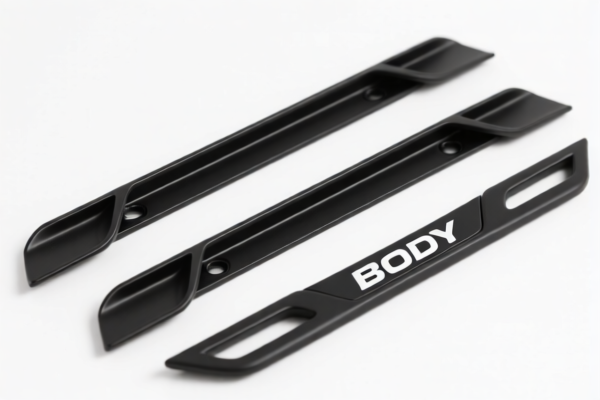
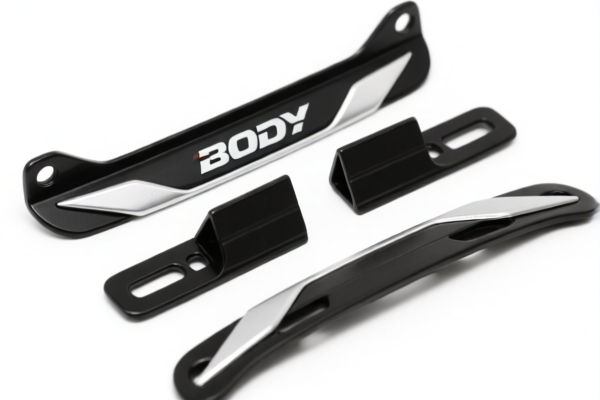


AI分析
🚗 Car Body Trim Clips (Automotive Fasteners)
🌐 HS Code Reference & Customs Clearance Guide | 2026 Latest Tariff Analysis | Professional Clearance Strategy
📌 I. Product Definition & Classification: What Exactly Are "Trim Clips"?
Car body trim clips are critical fastening components used in the automotive industry to secure interior and exterior trim panels (such as door panels, bumpers, fender liners, and dashboard covers) to the vehicle’s chassis or body structure.
In international trade, these small but essential items are classified based on two main factors: 1. Material Composition: Are they made of Plastic or Metal (Steel/Iron)? 2. Functional Role: Are they general-purpose "fasteners/clips" or specific "parts of vehicles"?
⚠️ Key Distinction Point: - Plastic Clips: Typically classified under Chapter 39 (Plastics). They are considered "other articles of plastics." - Metal Clips: Typically classified under Chapter 73 (Articles of Iron/Steel) or Chapter 83 (Base Metal Articles). - Specific vs. General: While some might argue for vehicle-specific parts (Chapter 87), these generic clips are often classified under their material or as general fasteners/clasps unless specifically designed as a unique, non-replaceable integral part of a vehicle model.
📦 II. HS Code Classification Details (2026 Latest Tariff Authority Comparison)
Based on the provided data, there are five potential HS Code categories. The correct classification depends entirely on the material of the clip.
| HS Code | Product Description | Material | Application/Reasoning |
|---|---|---|---|
7326.90.86.88 |
Other articles of iron or steel (General) | Metal (Iron/Steel) | For metal clips that do not fit specific nail/chain categories. Fits "other iron/steel articles." |
7326.19.00.80 |
Other articles of iron or steel (Parts) | Metal (Iron/Steel) | Interpreted as "other" metal parts/fasteners under the general "other" principle for steel articles. |
3926.90.99.89 |
Other plastic articles | Plastic | Most common type. Fits "plastic articles" and "other plastic articles." |
8308.20.60.00 |
Clasps, buckles, and similar fasteners | Metal | Specifically for metal clips acting as "clasps/fasteners" for finished articles (like doors). |
3926.90.85.00 |
Plastic articles, fasteners/clips | Plastic | Specifically for plastic "clamping fasteners" or clips. |
🔍 Key Reminder: - Plastic Dominance: The majority of modern car trim clips are Plastic. If your clips are black, grey, or colored plastic, you are likely looking at
3926codes. - Metal Specificity: If clips are metallic (silver/grey metal), you must choose between7326(General Steel) and8308(Specific Fasteners).8308is often more precise for "clasps/fasteners."
💰 III. 2026 Latest Tariff Rate Breakdown (Including Surcharge Policies)
✅ Applicable Country: USA (US) ✅ Origin: China (CN) ✅ Effective Time: Current Rates (Including Section 301 & Section 232 implications)
🎯 1. 3926.90.99.89 & 3926.90.85.00 —— Plastic Trim Clips
| Item | Content |
|---|---|
| Base Tariff | 5.3% (3926.90.99.89) / 6.5% (3926.90.85.00) |
| Section 301 Surcharge | +7.5% |
| Section 122 Surcharge | +10% (Specific to certain plastic/chapter 39 items under current policy interpretation in source data) |
| Total Tariff Rate | 22.8% (3926.90.99.89) 24.0% ( 3926.90.85.00) |
| Tax Calculation | CIF Value × 22.8% or 24.0% |
| De Minimis Exemption | ❌ No (Denied for Section 301/122 goods) |
📌 Explanation: - Plastic clips are subject to Section 301 tariffs. - The "Section 122" surcharge of 10% mentioned in the data applies to specific plastic articles, significantly raising the cost. - Total Tax ~23-24% is moderate compared to steel clips, making plastic the more cost-effective import category if materials allow.
🎯 2. 7326.90.86.88 & 7326.19.00.80 —— Metal (Steel/Iron) Trim Clips
| Item | Content |
|---|---|
| Base Tariff | 2.9% |
| Section 301 Surcharge | +25.0% |
| Section 122 Surcharge | +10% |
| Section 232 Surcharge (Steel/Aluminum) | +50% |
| Total Tariff Rate | 87.9% |
| Tax Calculation | CIF Value × 87.9% |
| De Minimis Exemption | ❌ No |
📌 Explanation: - Steel clips are hit HARD. The combination of Base (2.9%) + Sec 301 (25%) + Sec 122 (10%) + Sec 232 (50%) results in an astronomical 87.9% total tax. - The Section 232 tariff applies specifically to steel and aluminum products. If your clip is steel, this is the killer clause. - Total Tax ~88% is prohibitively high for most businesses.
🎯 3. 8308.20.60.00 —— Metal Clasps/Fasteners
| Item | Content |
|---|---|
| Base Tariff | 0.0% |
| Section 301 Surcharge | +25.0% |
| Section 122 Surcharge | +10% |
| Total Tariff Rate | 35.0% |
| Tax Calculation | CIF Value × 35.0% |
| De Minimis Exemption | ❌ No |
📌 Explanation: - This code is for "Base metal articles of clasps, buckles...". - It avoids the 50% Section 232 steel tariff because it is classified as a "clasp/fastener" (Chapter 83) rather than general "articles of iron/steel" (Chapter 73). - Total Tax 35% is significantly lower than the 87.9% for other metal codes, but still higher than plastic. - Note: This is only applicable if the clip is strictly defined as a "clasp" and is metal.
🛠️ IV. Customs Clearance Practical Advice (Real-World Pitfall Guide)
✅ 1. Essential Documentation Checklist
| Document | Required? | Description |
|---|---|---|
| ✅ Product Specification Sheet | ✔️ | Must clearly state Material (e.g., "Polypropylene" vs. "Stainless Steel"). This is the #1 determinant for HS Code. |
| ✅ Material Safety Data Sheet (MSDS) | ✔️ | Especially for plastic resins used. |
| ✅ Product Photos | ✔️ | Close-ups showing the locking mechanism. Clearly visible material texture (glossy plastic vs. metallic sheen). |
| ✅ Commercial Invoice | ✔️ | Description should be precise: "Plastic Automotive Trim Clip, Model XYZ" OR "Steel Retaining Clip, Stainless Steel." |
| ✅ Country of Origin Certificate | ✔️ | Critical for determining Section 232/301 applicability. |
✅ 2. Declaration Tips (Key Mnemonics)
🔥 "Check Material First, Avoid Steel Tax, Plastic is Cheaper!"
| Scenario | Correct Declaration | Wrong Action | Result |
|---|---|---|---|
| Black Plastic Clip | 3926.90.99.89 (22.8%) |
Declare as "Part of Car" or Metal | Overpayment or Audit |
| Silver Metal Clip | 8308.20.60.00 (35.0%) |
Declare as 7326... (87.9%) |
Paying extra 52.9% tax! |
| Mixed Shipment (Plastic + Metal) | Split Lines | Lump Sum "Automotive Accessories" | High risk of rejection or full audit |
| OEM Custom Clip | Provide Tooling Drawing | Generic "Clip" | Misclassification risk |
📌 Critical Advice: - If you are importing Metal Clips, try to negotiate with your supplier to use Plastic if structurally possible. The tax difference is ~53-65% (87.9% vs 22.8%). - If you must import Metal, ensure the description matches
8308.20.60.00(Clasps/Fasteners) to avoid the 50% Section 232 steel tariff. Do not use7326codes for metal clips if8308is applicable.
✅ 3. Special Situations
| Situation | Handling Advice |
|---|---|
| Plastic + Metal Pin Hybrid | If the clip is primarily plastic with a small metal insert, it may still be classified as Plastic (3926). Consult a customs broker for "essential character" determination. |
| Pre-1996 Steel Clips | Rare, but if old inventory, check if Section 232 exemptions apply (unlikely for new imports). |
| Origin: Non-China | If clips are from Vietnam, Mexico, or Thailand, Section 301 and Section 232 surcharges may be reduced or waived. Check USMCA (Mexico/Canada) rules. |
🌍 V. Global Market Customs Comparison (2026 Latest)
| Country/Region | Recommended HS Code (Plastic) | Tariff (China Origin) | Tariff (Non-China Origin) | Note |
|---|---|---|---|---|
| 🇺🇸 USA | 3926.90.99.89 / 8308.20.60.00 |
22.8% (Plastic) / 35% (Metal) | Lower/Exempt | High surcharges for China |
| 🇪🇺 EU | 3926.90.97 / 7326.90.98 |
~5-6% (Plastic) | ~5-6% | No Section 301/232 |
| 🇨🇳 China | 3926.90.99 / 7326.90.90 |
~5% (Plastic) | ~5% | Low base tariff |
| 🇯🇵 Japan | 3926.90.90 / 7326.90.90 |
~5-6% (Plastic) | ~5-6% | Stable rates |
📌 Conclusion: - USA is the most expensive market for these goods due to trade wars. - Plastic clips (22.8%) are significantly better than Steel clips (87.9%). - Metal clips can be optimized to 35% (
8308) instead of 87.9% (7326).
📌 VI. Common Errors & Pitfalls (Blood & Tears Lessons)
❌ Error 1: Declaring all car clips as "Automotive Parts" (Chapter 87) 👉 Result: Chapter 87 often has high tariffs or requires strict proof of being "specifically designed" for a vehicle. General clips are better under Chapters 39 or 83. Misdeclaration leads to penalties.
❌ Error 2: Using 7326 for Metal Clips
👉 Result: You pay 87.9% tax. If you use 8308, you pay 35%. You are wasting 52.9% of the product value!
❌ Error 3: Ignoring Material Composition 👉 Result: If you declare "Plastic" but Customs finds "Steel" during inspection, they will reclassify and charge 87.9% + fines + late fees.
❌ Error 4: Mixing Plastic and Metal in One Line Item 👉 Result: Customs may reject the entry or tax the entire line at the highest rate (Steel) for simplicity.
✅ Correct Approach:
- Plastic Clips: "Plastic Trim Retainer Clip, Automotive Interior, Model ABC, HS 3926.90.99.89"
- Metal Clips: "Stainless Steel Locking Clasp, Automotive Trim, Model XYZ, HS 8308.20.60.00"
🎯 VII. Conclusion: Professional Classification Saves Money!
🎯 Remember the Mantra:
🔹 "Plastic Clips: ~23% Tax. Metal Clips via 8308: 35% Tax. Metal Clips via 7326: 88% Tax. Choose Wisely!" 🔹 "Material is King. Declaration is Queen. Accuracy is Wealth."
📌 Pro Tip:
If your clips are Plastic, you are relatively safe at ~23%. If your clips are Metal, verify if
8308.20.60.00applies to avoid the 50% Section 232 tariff. Always get a Binding Ruling from US Customs if your shipment volume is high.
📣 Immediate Action:
📞 Contact your Customs Broker with Material Specs. 📄 Request a Pre-Ruling if importing Metal Clips. 🚀 Optimize your supply chain by shifting to plastic where possible.
✨ Professional Clearance Starts with Accurate Classification! 💼 Your Margin Depends on Your HS Code!
用户评价
关于 HS 编码归类
协调制度(HS)是由世界海关组织(WCO)制定的国际贸易商品分类标准。全球 200 多个国家采用 HS 系统作为海关关税、贸易统计和进出口监管的基础。
每个 HS 编码遵循以下层级结构:
- 章(2 位)——商品大类(例如:第 84 章:机器和机械设备)
- 品目(4 位)——章内的更具体分类
- 子目(6 位)——国际通用细分,所有 WCO 成员国统一使用
- 本国细分(8-10 位)——各国自行扩展的细分编码,如美国 HTSUS 10 位编码
正确的 HS 编码归类对于顺利通关、准确缴纳关税和遵守贸易法规至关重要。错误归类可能导致海关延误、多缴关税或罚款。
从CN进口到US时,适用的关税税率可能包括:
- 最惠国(MFN)税率——适用于 WTO 成员国的标准关税税率
- 普通税率——适用于无贸易协定国家
- 贸易救济关税——附加关税,如 301 条款(反倾销)、232 条款(国家安全)或反补贴税
本页内容仅供参考。如需正式归类,请咨询当地海关或持牌报关代理。