CM Warp Yarn 75 80 Denier 24 Filament
CN → US| HS编码 | 关税税率 | 原产国 | 目的国 | 文档 |
|---|---|---|---|---|
| 5406001040 | 42.5% | CN | US | 官方文档 |
| 5403310020 | 45.0% | CN | US | 官方文档 |
| 5402471020 | 43.0% | CN | US | 官方文档 |
| 5406001090 | 42.5% | CN | US | 官方文档 |
商品图片
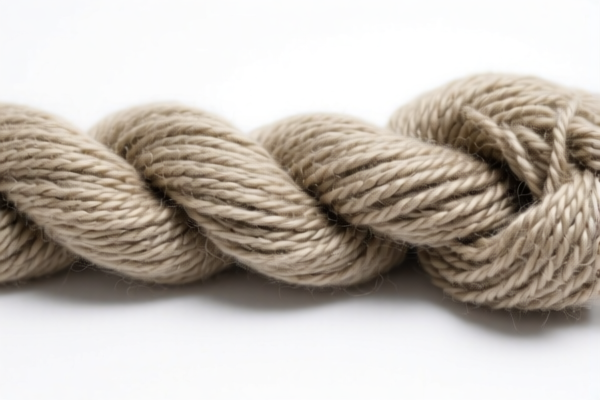
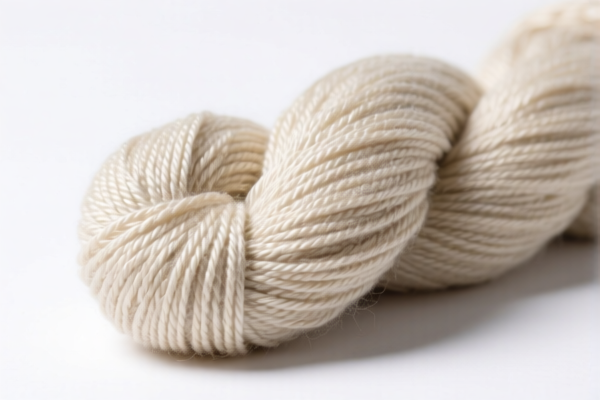
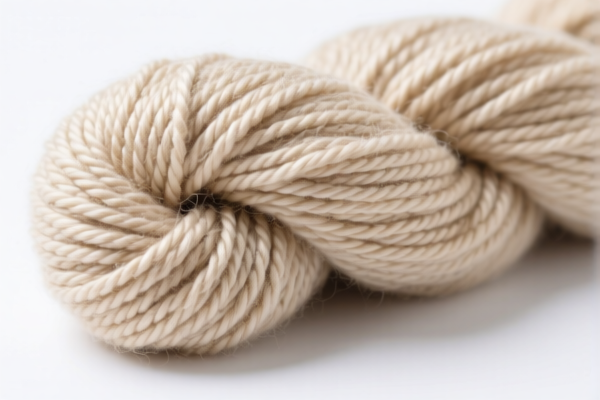
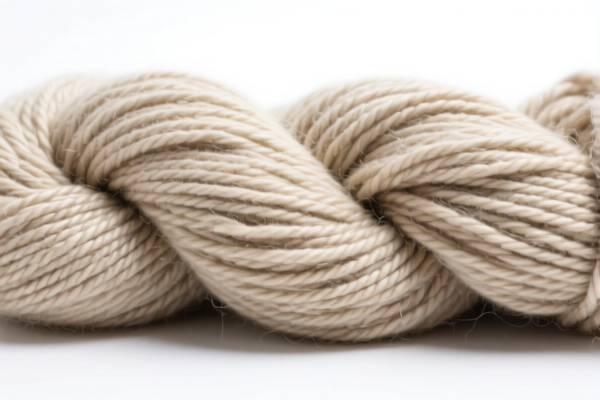
AI分析
🧵 Yarn: CM Warp Yarn (75-80 Denier, 24 Filaments)
🌐 HS Code Reference & Customs Clearance Guide | 2026 Latest Tariff Analysis | Professional Clearance Strategy
📌 I. Product Definition & Classification: Do You Really Understand "Warp Yarn"?
CM Warp Yarn, specifically defined by its denier (75-80D) and filament count (24F), represents a critical raw material in the textile supply chain. In international trade, synthetic filament yarns are classified based on chemical composition, physical form (single vs. multifilament), and processing state (untwisted/twisted).
Key Classification Factors: * Form: "Filament" indicates it is not spun from staple fibers but is continuous, classifying it under Chapter 54 (Man-made filaments). * Specification: "75-80 Denier" defines the thickness, while "24 Filaments" indicates the number of individual filaments comprising the yarn. * Material Inference: Based on common industry standards for warp yarns with these specific denier/filament ratios, the material is inferred to be Polyester (PET) or Nylon (Polyamide). The classification below reflects the tax implications for both Polyester and Nylon variants, as the HS code shifts slightly based on the specific polymer type.
⚠️ Critical Distinction:
- If the material is Polyester: It falls under heading 5402 (Synthetic filament yarn).
- If the material is Nylon/Polyamide: It falls under heading 5403 (Synthetic filament yarn).
- If the material is Other Synthetic (e.g., Acrylic, etc.): It may fall under 5406 (Other synthetic filament yarns).
📦 II. HS Code Classification Details (2026 Latest Tariff Authority)
Based on the provided data, the potential HS codes are divided into three categories: Polyester (5402), Nylon (5403), and Other Synthetic (5406).
| HS Code | Product Description | Inferred Material | Key Characteristics |
|---|---|---|---|
5402.47.10.20 |
Synthetic filament yarn, other than sewing thread (polyester) | Polyester | Matches exact name/classification; multifilament; denier 75-80D |
5403.31.00.20 |
Synthetic filament yarn, other than sewing thread (nylon/polyamide) | Nylon | 24 Filaments (multifilament); fine denier characteristics |
5406.00.10.40 |
Other synthetic filament yarn | Other Synthetics | Long filament shape; inferred as synthetic based on common knowledge |
5406.00.10.90 |
Other synthetic filament yarn (other) | Other Synthetics | Yarn/silk-like attributes; denier/filament match long filament traits |
🔍 Focus Reminder:
- The primary difference lies in the chemical composition. If you know the material is Polyester,5402.47.10.20is the most precise match.
- If it is Nylon,5403.31.00.20applies.
-5406codes are used if the material is a synthetic polymer other than polyester or polyamide (less common for standard warp yarns).
💰 III. 2026 Latest Tariff Rate Breakdown (Including Surcharge & Policy Add-ons)
✅ Applicable Country: United States (US)
✅ Origin: China (CN)
✅ Effective Time: Including imports after November 10, 2025
🎯 1. 5402.47.10.20 —— Polyester Filament Yarn (The Most Precise Match)
| Item | Content |
|---|---|
| Base Rate | 8.0% (Ad Valorem) |
| Section 301 Surcharge | +25.0% (From USITC Footnote 9903.88.01) |
| Section 122 Tariff | +10.0% (Specific to certain Chinese textile imports) |
| Total Rate | 43.0% |
| Tax Calculation | CIF Value × 43% |
| De Minimis Eligibility | ❌ No (Denied) |
| Legal Path | Base Tariff 8% → Section 301 25% → Section 122 10% |
📌 Explanation:
- This is likely the most accurate classification if the yarn is indeed Polyester.
- The total tax burden of 43% is significant.
- The "Section 122" tariff is a specific add-on for certain textile products, distinct from the broader Section 301 tariffs.
🎯 2. 5403.31.00.20 —— Nylon/Polyamide Filament Yarn
| Item | Content |
|---|---|
| Base Rate | 10.0% (Ad Valorem) |
| Section 301 Surcharge | +25.0% (From USITC Footnote 9903.88.01) |
| Section 122 Tariff | +10.0% |
| Total Rate | 45.0% |
| Tax Calculation | CIF Value × 45% |
| De Minimis Eligibility | ❌ No (Denied) |
| Legal Path | Base Tariff 10% → Section 301 25% → Section 122 10% |
📌 Note:
- If your yarn is Nylon (Polyamide), the base rate is higher (10% vs 8% for Polyester).
- The total tax is 45%, which is 2% higher than the Polyester classification.
- "24 Filaments" is a key descriptor here, often linked to fine denier nylon yarns.
🎯 3. 5406.00.10.40 & 5406.00.10.90 —— Other Synthetic Filament Yarns
| Item | Content (For Both 40 and 90) |
|---|---|
| Base Rate | 7.5% (Ad Valorem) |
| Section 301 Surcharge | +25.0% (From USITC Footnote 9903.88.01) |
| Section 122 Tariff | +10.0% |
| Total Rate | 42.5% |
| Tax Calculation | CIF Value × 42.5% |
| De Minimis Eligibility | ❌ No (Denied) |
| Legal Path | Base Tariff 7.5% → Section 301 25% → Section 122 10% |
📌 Caution:
- While the total rate (42.5%) is slightly lower than Polyester (43%) and Nylon (45%), using these codes is risky.
- They are "catch-all" categories for synthetics that are not Polyester or Nylon.
- If your yarn is actually Polyester or Nylon, misclassifying it under 5406 could lead to customs audits, penalties, or back-taxes. Only use this if the material is something like Acrylic, Modacrylic, or other special synthetics.
🛠️ IV. Customs Clearance Practical Advice (Real-World Pitfall Guide)
✅ 1. Required Documentation Checklist (Non-negotiable)
| Document | Must Provide | Description |
|---|---|---|
| ✅ Product Specification Sheet | ✔️ | Must clearly state: Material (e.g., 100% Polyester), Denier (75-80D), Filaments (24F), Type (Warp Yarn) |
| ✅ Material Composition Certificate | ✔️ | Crucial for distinguishing between 5402 (Polyester) and 5403 (Nylon) |
| ✅ Commercial Invoice | ✔️ | Must accurately describe the product as "Synthetic Filament Yarn, XX Denier, XX Filaments" |
| ✅ Packing List | ✔️ | Detail weight, volume, and number of spools/cones |
| ✅ Photos of Product/Labels | ✔️ | Show labels with material composition, brand, and specs |
| ✅ HS Code Pre-Ruling (Optional but Recommended) | ✔️ | Apply to CBP for an official ruling to avoid disputes |
✅ 2. Declaration Tips (Key Mantras)
🔥 “Material is King, Denier & Filaments are Queen, Don’t Guess, Just Verify!”
| Scenario | Correct Declaration | Wrong Practice |
|---|---|---|
| Polyester Yarn | Use 5402.47.10.20 |
Use 5406.00.10.40 → Risk of audit |
| Nylon Yarn | Use 5403.31.00.20 |
Use 5402.47.10.20 → Wrong classification |
| Generic "Yarn" | Specify "Polyester Multifilament Yarn, 75D/24F" | Just say "Yarn" → Likely rejected or penalized |
| Warp Yarn vs. Weft | Clarify if it has specific treatment for warp | Ignore; focus on material and structure |
✅ 3. Special Situation Handling
| Situation | Handling Advice |
|---|---|
| OEM Custom Yarn | Provide order details and design specs; prove material composition |
| Mixed Shipments | If a container has both Polyester and Nylon, they must be declared separately with different HS codes |
| Small Quantity Samples | Even small samples are subject to the same 43-45% tariff if originating from China; no de minimis exemption |
| Change in Material | If the material changes from Polyester to Nylon, the base rate increases, affecting total cost |
🌍 V. Global Market Customs Comparison (2026 Latest)
| Country/Region | Recommended HS Code | Tariff | Certification Requirements | Notes |
|---|---|---|---|---|
| 🇺🇸 United States | 5402.47.10.20 (Polyester) |
43% | None specific | High tariff due to Section 301 & 122 |
| 🇨🇳 China | 5402.47.10.20 |
Low | CCC (if applicable) | Base rate is low; no extra surcharges |
| 🇪🇺 EU | 5402.47.10.20 |
0-6.5% | REACH, CE (if applicable) | Lower tariffs; no US-style surcharges |
| 🇬🇧 UK | 5402.47.10.20 |
0-6.5% | UKCA | Post-Brexit rules apply |
| 🇻🇳 Vietnam | 5402.47.10.20 |
0-5% | No major barriers | Potential for lower tariffs via ASEAN agreements |
📌 Conclusion:
- The United States imposes the highest tax burden (42.5%-45%) on these yarns due to multiple layers of tariffs.
- EU/UK/China have significantly lower duties, making them more competitive for final products using these yarns.
- Strategic Advice: If selling to the US, consider sourcing from non-China origins (e.g., Vietnam, India) to avoid high tariffs, or factor the 43-45% cost into pricing.
📌 VI. Common Mistakes & Pitfall Guide (Lessons from Blood and Tears)
❌ Mistake 1: Using "Yarn" as a generic description without specifying material.
👉 Consequence: Customs may classify it under the highest possible rate or reject the entry.
❌ Mistake 2: Confusing Polyester (5402) with Nylon (5403).
👉 Consequence: A 2% difference in base rate, but more importantly, incorrect data leads to compliance flags.
❌ Mistake 3: Ignoring Section 122 Tariff.
👉 Consequence: Under-declaring tax. The 10% Section 122 is mandatory for many textile imports from China to the US.
❌ Mistake 4: Assuming de minimis applies to small shipments.
👉 Consequence: Section 301 and Section 122 tariffs do not qualify for de minimis exemption (under $800). Even small samples are taxed.
✅ Correct Practice:
"100% Polyester Multifilament Yarn, Warp Yarn, 75-80 Denier, 24 Filaments, Untwisted, Made in China"
🎯 VII. Conclusion: Precision in Classification Saves Money!
🎯 Remember the Mantra:
🔹 "Material First, Denier Second, Filaments Third."
🔹 "Polyester is 43%, Nylon is 45%, Other is 42.5%."
🔹 "No De Minimis for China, Pay Up or Get Caught!"
📌 Pro Tip:
If your yarn is made in Vietnam, India, or Bangladesh, you may qualify for lower or zero tariffs under various trade agreements (e.g., GSP, ASEAN).
Always request a HS Code Pre-Ruling from US CBP if you are unsure about the material classification.
📣 Take Action Now:
📞 Consult a professional customs broker + Provide material test reports + Apply for HS Code Pre-Ruling
🚀 Ensure smooth customs clearance, avoid delays, and optimize your cost structure!
✨ Professional Customs Clearance Starts with Accurate Classification!
💼 Every cent of tax matters; let’s calculate it precisely!
用户评价
关于 HS 编码归类
协调制度(HS)是由世界海关组织(WCO)制定的国际贸易商品分类标准。全球 200 多个国家采用 HS 系统作为海关关税、贸易统计和进出口监管的基础。
每个 HS 编码遵循以下层级结构:
- 章(2 位)——商品大类(例如:第 84 章:机器和机械设备)
- 品目(4 位)——章内的更具体分类
- 子目(6 位)——国际通用细分,所有 WCO 成员国统一使用
- 本国细分(8-10 位)——各国自行扩展的细分编码,如美国 HTSUS 10 位编码
正确的 HS 编码归类对于顺利通关、准确缴纳关税和遵守贸易法规至关重要。错误归类可能导致海关延误、多缴关税或罚款。
从CN进口到US时,适用的关税税率可能包括:
- 最惠国(MFN)税率——适用于 WTO 成员国的标准关税税率
- 普通税率——适用于无贸易协定国家
- 贸易救济关税——附加关税,如 301 条款(反倾销)、232 条款(国家安全)或反补贴税
本页内容仅供参考。如需正式归类,请咨询当地海关或持牌报关代理。