CR Rubber Latex
CN → US商品图片


AI分析
🏭 CR Rubber Latex (Polychloroprene Rubber Latex)
🌐 HS Code Reference & Customs Clearance Guide | 2026 Latest Tariff Analysis | Professional Clearance Strategy
📌 I. Product Definition & Classification: What Exactly is "CR Rubber Latex"?
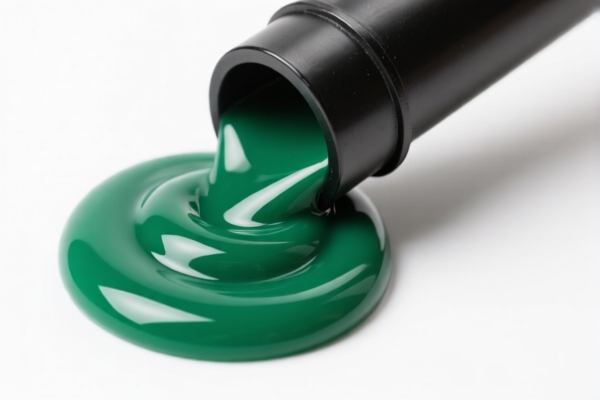
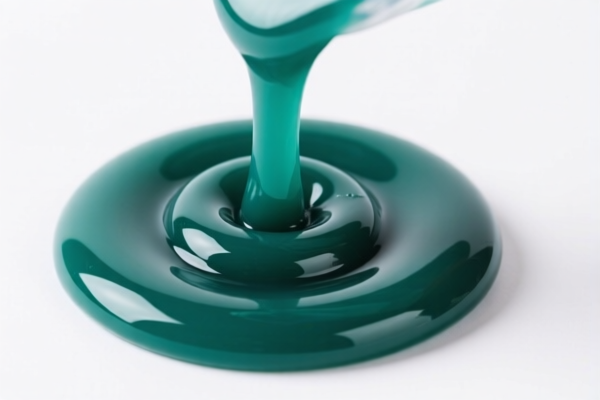
CR Rubber Latex, chemically known as Polychloroprene (PCP) Latex, is a synthetic rubber latex produced via emulsion polymerization of chloroprene monomers. It is distinct from natural rubber latex (NR) and other synthetic latexes (like SBR or NBR).
In international trade, it is categorized based on its physical state and processing level:
- Raw Latex: Liquid form, stabilized with ammonia or other agents, primarily used for dipping goods (gloves, balloons), adhesives, and foam production.
- Consolidated Latex: Higher solid content, often stabilized differently, used in specialized industrial applications.
- Primary Shapes/Articles: If the latex has been coagulated, dried, and formed into blocks, sheets, or granules, it may no longer be considered "latex" under HS Code 4002 but might fall under 4005 (Compound Rubber) or 4008 (Plates/Sheets).
⚠️ Critical Distinction:
- If it is a liquid dispersion intended for further processing → Chapter 40, Heading 4002.
- If it is vulcanized rubber or pre-formed articles (e.g., dipped gloves) → Chapter 40, Heading 4015 (Gloves) or 4016 (Other vulcanized rubber articles).
- Do not confuse with Natural Rubber Latex (4002.19), which has different tariff treatments and quota restrictions in some markets.
📦 II. HS Code Classification Details (2026 Latest Tariff Authority对照)
| HS Code | Product Description | Application Scenario | State |
|---|---|---|---|
| 4002.19.90.00 | Other rubbers (including synthetic rubber and reclaimed rubber) and latex; primary forms; Polychloroprene (CR) Latex | Raw liquid CR latex for adhesives, foam, gloves | ✅ Liquid Latex |
| 4002.20.00.00 | Butadiene-styrene rubber (SBR) latex and carboxylated SBR latex | Not CR – for comparison | Liquid Latex |
| 4002.60.00.00 | Isobutylene-isoprene rubber (butyl rubber) latex | Not CR | Liquid Latex |
| 4002.80.00.00 | Other rubber (including blended rubber) and latex; primary forms | General synthetic rubber latex (if not specifically listed) | Liquid Latex |
| 4005.10.00.00 | Rubber compounds with primary shapes, unvulcanized | CR rubber compounded with fillers, in blocks/sheets | ✅ Solid/Block |
| 4015.11.00.00 | Surgical gloves, check gloves, and other medical gloves, of vulcanized rubber | Finished Article | ❌ Finished Good |
🔍 Key Reminder:
- The most common HS Code for CR Rubber Latex in its raw, liquid form is 4002.19.90.00 (as "Other" synthetic rubber latex).
- Ensure the product description explicitly states "Polychloroprene" or "Chloroprene" to distinguish it from Natural Rubber (4002.19.10) or SBR.
- If the product is dry CR rubber (crumb or block), it may fall under 4002.19.90.00 as well, but verification is needed.
💰 III. 2026 Latest Tariff Rate Breakdown (Including Surcharges & Policy Add-ons)
✅ Applicable Country: United States (US)
✅ Country of Origin: China (CN)
✅ Effective Date: November 10, 2025 onwards (including subsequent imports)
🎯 1. 4002.19.90.00 —— Polychloroprene (CR) Rubber Latex (Primary Forms)
| Item | Content |
|---|---|
| Base Duty Rate | 5.3% (ad valorem) |
| USITC Additional Duty | +7.5% (Section 301 List 4B, Footnote 9903.88.03) |
| IEEPA Additional Duty | +10% (For China/HK products, effective Nov 10, 2025) |
| Total Effective Rate | 22.8% |
| Tax Calculation | CIF Value × 22.8% |
| De Minimis Eligibility | ❌ Not Eligible (deny_de_minimis) |
| Legal Basis Path | IEEPA:9903.01.25 → IEEPA:9903.01.24 → USITC:4002.19.90.00 → FOOTNOTE:9903.88.03 |
📌 Explanation:
- The 5.3% is the standard Most Favored Nation (MFN) rate for "Other rubber latex."
- The 7.5% is the Section 301 tariff on "Other rubber and articles thereof" (List 4B).
- The 10% is the new IEEPA surcharge effective from late 2025.
- Total: 22.8% is a significant cost factor. Must be factored into landed cost calculations.
🎯 2. Comparison: If classified as "Compound Rubber" (4005.10.00.00)
| Item | Content |
|---|---|
| Base Duty Rate | 5.3% |
| USITC Additional Duty | +7.5% |
| IEEPA Additional Duty | +10% |
| Total Effective Rate | 22.8% |
| Note | Same rate structure for primary shapes of synthetic rubber compounds. |
📌 Note:
- If the CR latex is vulcanized (e.g., finished gloves), the HS Code changes to 4015.11.00.00, and the rate may differ.
- Never misdeclare raw latex as finished goods to avoid penalties.
🛠️ IV. Customs Clearance Practical Advice (Battle-Tested Pitfall Avoidance)
✅ 1. Required Documentation Checklist (Mandatory)
| Document | Must Provide | Notes |
|---|---|---|
| ✅ Technical Data Sheet (TDS) | ✔️ | Must specify solid content, pH, stabilizer type, and polymer type (CR/Polychloroprene). |
| ✅ Material Safety Data Sheet (MSDS/SDS) | ✔️ | Required for hazardous material declaration (ammonia content may trigger Hazmat screening). |
| ✅ Commercial Invoice | ✔️ | Clearly state: "Polychloroprene Rubber Latex, Liquid, HS 4002.19.90.00, Not for Food/Medical Use unless certified." |
| ✅ Certificate of Analysis (COA) | ✔️ | Proves composition (e.g., >95% CR, not blended with NR). |
| ✅ Bill of Lading | ✔️ | Ensure weight is net weight of latex, not including packaging if possible. |
| ✅ FDA Registration (If Applicable) | ✔️ | If destined for food-contact or medical use, FDA registration is mandatory. |
✅ 2. Declaration Tips (Key Mantra)
🔥 "Specify CR, Not NR; Liquid State, Not Solid; TDS is King!"
| Scenario | Correct Declaration | Wrong Practice |
|---|---|---|
| Raw CR Latex | 4002.19.90.00 - Polychloroprene Latex |
Misdeclare as Natural Rubber → Higher scrutiny |
| CR Latex for Gloves | 4002.19.90.00 (Raw) or 4015.11.00.00 (Finished) |
Declare finished gloves as raw latex → Fraud |
| Mixed Latex | Declare full composition, e.g., "80% CR, 20% SBR Latex" | Hide blending → Penalties |
| Ammonia-Stabilized | Note ammonia content in SDS | Ignore hazard → Customs Hold |
✅ 3. Special Cases Handling
| Situation | Handling Advice |
|---|---|
| Ammonia Content > 0.1% | May be classified as Hazmat. Ensure proper UN Number labeling (UN 1789 for ammonia solutions, if applicable). |
| Intended for Medical Gloves | Must provide FDA 510(k) exemption or registration. Customs will check FDA compliance. |
| Blended with Natural Rubber | If NR > 50%, may still be classified under NR heading? No, synthetic rubber latex has its own heading. Clarify in TDS. |
| Small Sample Imports | Still subject to 22.8% duty. No de minimis for rubber latex from China. |
🌍 V. Global Market Clearance Comparison (2026 Latest)
| Country/Region | Recommended HS Code | Duty Rate | Certification | Notes |
|---|---|---|---|---|
| 🇺🇸 USA | 4002.19.90.00 |
22.8% | FDA (if medical) | High due to Section 301 + IEEPA |
| 🇨🇳 China | 4002.19.90.00 |
5.0% | N/A | Low duty, easy clearance |
| 🇪🇺 EU | 4002.19.90 |
0% (Most FTAs) | REACH Registration | REACH compliance is critical |
| 🇬🇧 UK | 4002.19.90 |
0% | UK REACH | Post-Brexit rules apply |
| 🇦🇺 Australia | 4002.19.90 |
5.0% | AICIS (Chemical Inventory) | AICIS registration mandatory |
📌 Conclusion:
- USA is the most expensive market due to dual tariffs (Section 301 + IEEPA).
- EU/UK have 0% duty but strict chemical safety regulations (REACH).
- China has low duty but strict environmental controls on latex production exports.
📌 VI. Common Mistakes & Pitfall Guide (Lessons Learned)
❌ Mistake 1: Declaring CR Latex as Natural Rubber Latex (4002.19.10)
👉 Consequence: False declaration → Seizure, fines, and blacklisting. NR has different quotas and restrictions.
❌ Mistake 2: Ignoring Ammonia Hazmat classification
👉 Consequence: Customs detention for unsafe shipping → Demurrage charges & delays.
❌ Mistake 3: Not providing TDS/SDS
👉 Consequence: Customs unable to verify composition → Held for examination → Late delivery.
❌ Mistake 4: Using "Rubber Latex" without specifying Polychloroprene
👉 Consequence: Customs may apply highest duty rate or hold for inspection.
✅ Correct Practice:
"Polychloroprene Rubber Latex, Liquid, 60% Solid Content, Ammonia Stabilized, HS 4002.19.90.00, FDA Compliant (if applicable)"
🎯 VII. Conclusion: Professional Declaration Saves Money!
🎯 Remember the Mantra:
🔹 "CR Latex is 22.8% in USA; No De Minimis!"
🔹 "TDS & SDS are your best friends; Hazmat must be declared!"
🔹 "Specify Polymer Type; Avoid Misclassification Fines!"
📌 Pro Tip:
- If your CR Latex is destined for non-medical, non-food use, ensure the invoice states "For Industrial Use Only" to avoid unnecessary FDA scrutiny.
- For EU/UK, prioritize REACH Registration over duty savings, as non-compliance blocks entry entirely.
📣 Immediate Action:
📞 Contact a Customs Broker + Provide TDS/SDS + Apply for Advance Ruling (if volume is high)
🚀 Ensure Smooth Clearance, Avoid Delays, Protect Margins!
✨ Professional Customs Clearance Starts with Accurate Classification!
💼 Every Percent of Duty Counts!
用户评价
关于 HS 编码归类
协调制度(HS)是由世界海关组织(WCO)制定的国际贸易商品分类标准。全球 200 多个国家采用 HS 系统作为海关关税、贸易统计和进出口监管的基础。
每个 HS 编码遵循以下层级结构:
- 章(2 位)——商品大类(例如:第 84 章:机器和机械设备)
- 品目(4 位)——章内的更具体分类
- 子目(6 位)——国际通用细分,所有 WCO 成员国统一使用
- 本国细分(8-10 位)——各国自行扩展的细分编码,如美国 HTSUS 10 位编码
正确的 HS 编码归类对于顺利通关、准确缴纳关税和遵守贸易法规至关重要。错误归类可能导致海关延误、多缴关税或罚款。
从CN进口到US时,适用的关税税率可能包括:
- 最惠国(MFN)税率——适用于 WTO 成员国的标准关税税率
- 普通税率——适用于无贸易协定国家
- 贸易救济关税——附加关税,如 301 条款(反倾销)、232 条款(国家安全)或反补贴税
本页内容仅供参考。如需正式归类,请咨询当地海关或持牌报关代理。