Cabinet Storage Bag
CN → US| HS编码 | 关税税率 | 原产国 | 目的国 | 文档 |
|---|---|---|---|---|
| 6305330080 | 25.9% | CN | US | 官方文档 |
| 6305390000 | 25.9% | CN | US | 官方文档 |
| 3923210011 | 38.0% | CN | US | 官方文档 |
| 3923210030 | 38.0% | CN | US | 官方文档 |
| 4202923131 | 52.6% | CN | US | 官方文档 |
商品图片
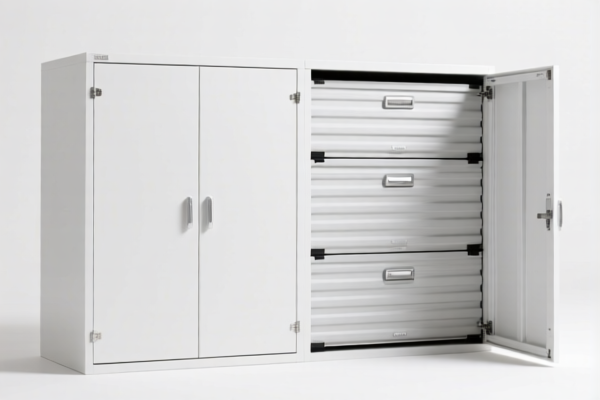
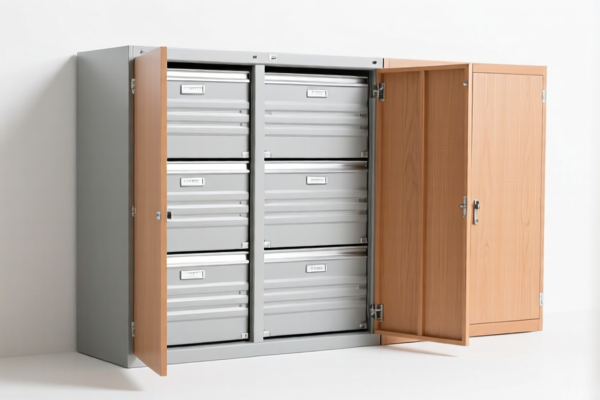
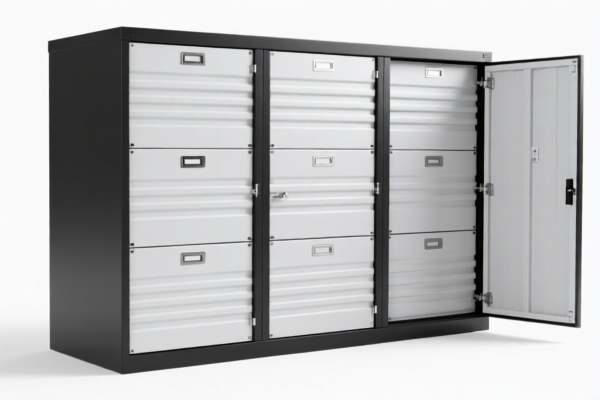
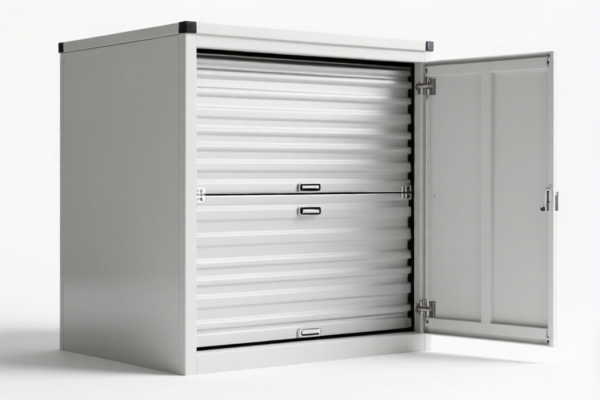
AI分析
🧳 Cabinet Storage Bag (Mold/Tool Organizer)
🌐 HS Code Reference & Customs Clearance Guide | 2026 Latest Tariff Analysis | Professional Classification Strategy 📌 I. Product Definition & Classification: Do You Really Know the "Storage Bag"?
"Cabinet Storage Bag" (often referred to in trade as Mold Storage Bags or Tool Organizers) is a critical logistics component in industrial supply chains. In international trade, these bags are classified differently based on their material composition and physical structure. The key distinction lies between:
Textile-based Bags: Made from synthetic fibers (PE, PP) or non-woven materials, behaving like traditional fabric luggage or sacks. Plastic-based Bags: Made from polyethylene or similar plastics, classified as packaging articles rather than textile goods.
⚠️ Key Distinction Point: - If the material is Synthetic Fiber (PE/PP fabric) or Non-woven: Likely falls under Chapter 63 (Textiles) or Chapter 42 (Articles of Leather/Travel Goods). - If the material is Pure Plastic (Sheet/Sheet-like): Falls under Chapter 39 (Plastics and Articles Thereof). - If it is a Sewn Article made of artificial fiber textiles: Likely falls under Chapter 42 (Travel Goods/Other Articles).
📦 II. HS Code Classification Details (2026 Latest Tariff Authority Comparison)
Based on the provided data, here are the four distinct classifications for "Cabinet Storage Bag" / "Mold Storage Bag":
| HS Code | Product Description | Material/Structure | Typical Use Case |
|--------|--------------------------|------------------------|
| 6305.33.00.80 | Storage Bags, for packaging of goods | Synthetic Fibers (PE or PP woven fabric) | Industrial mold bags, reusable sack-like organizers |
| 6305.39.00.00 | Storage Bags, for packaging of goods (Other) | Non-cotton/non-linen artificial textile materials | Non-woven or mixed-fiber storage bags not covered in 6305.33 |
| 3923.21.00.11 | Articles for conveyance or packing of goods, bags | Plastic (Flexible plastic bags) | Simple plastic storage sacks, single-use or thin-walled plastic bags |
| 3923.21.00.30 | Plastic Bags, for packing/conveyance | Plastic (Form: Bag) | Sturdy plastic bags, reinforced plastic storage packaging |
| 4202.92.31.31 | Travel Goods & Similar Containers (Other) | Artificial Fiber Textile Material | Sewn bag-like containers, structured storage bags, luggage-style organizers |
🔍 Critical Note: - Chapter 39 vs. Chapter 63/42: The primary driver for classification is Material. Plastic sheets = Ch. 39. Woven/Non-woven textiles = Ch. 63. Sewn textile goods = Ch. 42. - Structure Matters: A bag that is "sewn" and used for carrying goods (like a backpack or tote) may fall under Ch. 42, while a simple "bag for packaging" falls under Ch. 63 or 39.
💰 III. 2026 Latest Tariff Rate Breakdown (Including Surcharges & Policy Add-ons)
✅ Applicable Country: United States (US) ✅ Origin: China (CN) ✅ Effective Time: Ongoing (Includes Section 301 & Section 122 Tariffs)
🎯 1. 6305.33.00.80 & 6305.39.00.00 —— Textile Storage Bags (Synthetic/Non-woven)
| Item | Content |
|---|---|
| Base Tariff | 8.4% (Ad Valorem) |
| Section 301 Surcharge | +7.5% (Added Tariff) |
| Section 122 Surcharge | +10% (Specific Tariff for certain textile/apparel items) |
| Total Tariff Rate | 25.9% |
| Tax Calculation | CIF Value × 25.9% |
| De Minimis Exemption? | ❌ NO (Section 321 De Minimis often excludes goods subject to Section 301/122 surcharges if value exceeds thresholds or if specifically denied) |
| Legal Basis Path | HTSUS:6305.33 → Section 301 Footnote → Section 122 Statute |
📌 Explanation: - Base 8.4%: Standard MFN rate for storage bags of synthetic fibers. - 7.5% Section 301: Part of the ongoing trade war tariffs on Chinese textiles and plastic goods. - 10% Section 122: Historically applied to certain textile articles to protect domestic industries. - Total 25.9%: A significant barrier for entry. Must be factored into FOB pricing.
🎯 2. 3923.21.00.11 & 3923.21.00.30 —— Plastic Storage Bags
| Item | Content |
|---|---|
| Base Tariff | 3.0% (Ad Valorem) |
| Section 301 Surcharge | +25.0% (Added Tariff) |
| Section 122 Surcharge | +10% (Specific Tariff) |
| Total Tariff Rate | 38.0% |
| Tax Calculation | CIF Value × 38.0% |
| De Minimis Exemption? | ❌ NO (Plastics are heavily scrutinized under Section 301) |
| Legal Basis Path | HTSUS:3923.21 → Section 301 Footnote 9903.88.01 → Section 122 |
📌 Explanation: - Base 3.0%: Low standard rate for plastic bags. - 25% Section 301: This is the highest surcharge bracket, reflecting aggressive US policy on Chinese plastic imports. - 10% Section 122: Applies to specific plastic packaging items. - Total 38.0%: The most expensive option among the listed HS codes. Avoid if possible unless the product is exclusively plastic and cannot be reclassified.
🎯 3. 4202.92.31.31 —— Sewn Artificial Fiber Bag (Travel Goods Category)
| Item | Content |
|---|---|
| Base Tariff | 17.6% (Ad Valorem) |
| Section 301 Surcharge | +25.0% (Added Tariff) |
| Section 122 Surcharge | +10% (Specific Tariff) |
| Total Tariff Rate | 52.6% |
| Tax Calculation | CIF Value × 52.6% |
| De Minimis Exemption? | ❌ NO (High-risk classification for textile tariffs) |
| Legal Basis Path | HTSUS:4202.92 → Section 301 → Section 122 |
📌 Explanation: - Base 17.6%: Higher base rate for "other articles of apparel/accessories" or "travel goods". - 25% Section 301: Full high-tier surcharge. - 10% Section 122: Applies. - Total 52.6%: Extremely High. This classification is usually reserved for structured bags (like backpacks, duffel bags) made of artificial fibers. If your "storage bag" is just a simple sack, do not use this code. It is the most costly option.
🛠️ IV. Customs Clearance Practical Advice (Battle-Tested Pitfall Guide)
✅ 1. Preparation Checklist (Non-negotiable)
| Document | Required? | Purpose |
|---|---|---|
| ✅ Material Composition Statement | ✔️ | Critical. Must specify if >50% is synthetic fiber (PE/PP) vs. plastic sheet vs. other textiles. Determines Chapter 39 vs. 63. |
| ✅ Product Photos | ✔️ | Show if the bag is "sewn" (suggests Ch. 42) or "heat-sealed/flexible" (suggests Ch. 39/63). |
| ✅ Usage Declaration | ✔️ | Clarify if it is for "packaging" (Ch. 63/39) or "carrying/transport" (Ch. 42). |
| ✅ Commercial Invoice | ✔️ | Clearly state: "Mold Storage Bag, Synthetic Fiber" or "Plastic Storage Bag". Avoid vague terms like "Container". |
| ✅ Packing List | ✔️ | Show weight and dimensions to justify volume vs. weight-based duties. |
✅ 2. Declaration Tips (Key Mnemonic)
🔥 "Material Defines Chapter, Structure Defines Subheading, Name Defines Rate!"
| Scenario | Correct HS Code | Mistake to Avoid |
|---|---|---|
| Bag made of woven PP/PE fabric | 6305.33.00.80 (25.9%) |
Misclassifying as plastic (3923) → 38% penalty + risk |
| Bag made of non-woven fabric | 6305.39.00.00 (25.9%) |
Misclassifying as textile apparel (4202) → 52.6% penalty |
| Bag made of simple plastic film | 3923.21.00.11 or .30 (38.0%) |
No alternative; high tax unavoidable |
| Bag is a structured tote/backpack | 4202.92.31.31 (52.6%) |
Only use if it truly resembles luggage. Simple sacks should NOT use this. |
📌 Strategic Advice: - If your product is woven PP (common for mold bags), aim for
6305.33.00.80. It has the lowest total tax (25.9%) compared to plastic (38%) and structured bags (52.6%). - Avoid4202.92.31.31unless the bag is clearly a "travel good" with zippers, handles, and structured shape. Even then, 52.6% is very high. - Avoid3923.21if the material is not pure plastic sheet/film. If it’s woven or non-woven, it’s not plastic under HTSUS.
✅ 3. Special Considerations
| Situation | Recommendation |
|---|---|
| Mixed Materials | If the bag has plastic windows + fabric body, declare the principal material. If fabric >50%, use Ch. 63. |
| Customs Audit Risk | Section 122 tariffs are frequently audited. Ensure the "Section 122" eligibility is documented (e.g., product type matches historical lists). |
| De Minimis (Section 321) | ⚠️ High Risk: Even if under $800, goods subject to Section 301 or Section 122 may not qualify for De Minimis exemption. Check latest CBP rulings. |
| Re-classification Appeal | If CBP classifies your woven bag as "Plastic" (3923), appeal with material certificates showing fiber structure, not plastic film. |
🌍 V. Global Market Comparison (2026 Update)
| Country/Region | Recommended HS Code | Approx. Total Tariff (China Origin) | Notes |
|---|---|---|---|
| 🇺🇸 USA | 6305.33.00.80 |
25.9% (Lowest of options) | Best option for synthetic fiber bags. |
| 🇺🇸 USA | 3923.21.00.11 |
38.0% | High tax for plastic. |
| 🇺🇸 USA | 4202.92.31.31 |
52.6% | Avoid unless necessary. |
| 🇪🇺 EU | 6305.33.00 |
~0-5% (Check EBA/GSP) | No Section 301/122. Much lower rates. |
| 🇨🇳 China | 6305.33.00 |
~8-10% (Import Duty) | No Section 301. Lower than US. |
| 🇨🇦 Canada | 6305.33.00 |
~5-10% | CUSMA benefits may apply if Canadian origin. |
📌 Conclusion: - USA is the most expensive market due to Section 301 and Section 122. -
6305.33.00.80is the optimal HS code for most industrial "Mold Storage Bags" made of synthetic fiber, offering the lowest total duty among the US options. - Plastic (3923) and Structured (4202) options carry significantly higher tax burdens.
📌 VI. Common Mistakes & Pitfalls (Lessons Learned)
❌ Mistake 1: Calling all bags "Plastic Bags" (3923) regardless of material.
👉 Consequence: If it’s woven PP, it’s textile (6305). Misclassification leads to underpayment of Section 301 if 6305 has lower base but different surcharge structure, or overpayment if customs reclassifies down. Plus, penalties.
❌ Mistake 2: Using 4202.92 for a simple drawstring sack.
👉 Consequence: Customs may accept it, but you pay 52.6% instead of 25.9%. That’s a 26.7% cost increase on the same product.
❌ Mistake 3: Ignoring Section 122 applicability. 👉 Consequence: Some "storage bags" are specifically targeted by Section 122. If you omit it, you face back duties + interest.
✅ Best Practice:
"Storage Bag for Industrial Molds, Woven Polypropylene (PP), Synthetic Fiber, Not Suitable for Luggage." → Use
6305.33.00.80
🎯 VII. Conclusion: Precision Classification Saves Money
🎯 Remember the Mantra:
🔹 "Fiber is Textile (63), Plastic is Plastic (39), Sewn is Luggage (42)." 🔹 "PP Woven = 25.9% | Plastic Film = 38.0% | Structured Bag = 52.6%." 🔹 "Choose 6305.33 to save 12-26% in duties!"
📌 Pro Tip:
If your product is exclusively plastic (3923), consider if a textile liner or alternative material can be used to shift classification to 6305.33. Even a small change in material composition can save 12+ percentage points in US duties.
📞 Action Item: 1. Confirm Material: Is it woven PP/PE? → Use
6305.33.00.80. 2. Confirm Structure: Is it a simple sack? → Avoid4202. 3. Pre-ruling: Consider filing an HTSUS Pre-Ruling with CBP for large shipments to lock in the 25.9% rate.
✨ Professional Clearance Starts with Accurate Classification! 💼 Every Percentage Point Saved is Pure Profit!
用户评价
关于 HS 编码归类
协调制度(HS)是由世界海关组织(WCO)制定的国际贸易商品分类标准。全球 200 多个国家采用 HS 系统作为海关关税、贸易统计和进出口监管的基础。
每个 HS 编码遵循以下层级结构:
- 章(2 位)——商品大类(例如:第 84 章:机器和机械设备)
- 品目(4 位)——章内的更具体分类
- 子目(6 位)——国际通用细分,所有 WCO 成员国统一使用
- 本国细分(8-10 位)——各国自行扩展的细分编码,如美国 HTSUS 10 位编码
正确的 HS 编码归类对于顺利通关、准确缴纳关税和遵守贸易法规至关重要。错误归类可能导致海关延误、多缴关税或罚款。
从CN进口到US时,适用的关税税率可能包括:
- 最惠国(MFN)税率——适用于 WTO 成员国的标准关税税率
- 普通税率——适用于无贸易协定国家
- 贸易救济关税——附加关税,如 301 条款(反倾销)、232 条款(国家安全)或反补贴税
本页内容仅供参考。如需正式归类,请咨询当地海关或持牌报关代理。