Cabinet Telescopic Rod
CN → US| HS编码 | 关税税率 | 原产国 | 目的国 | 文档 |
|---|---|---|---|---|
| 7616995150 | 37.5% | CN | US | 官方文档 |
| 7326908688 | 87.9% | CN | US | 官方文档 |
| 3926301000 | 24.0% | CN | US | 官方文档 |
| 7616995150 | 37.5% | CN | US | 官方文档 |
| 7326908688 | 87.9% | CN | US | 官方文档 |
商品图片
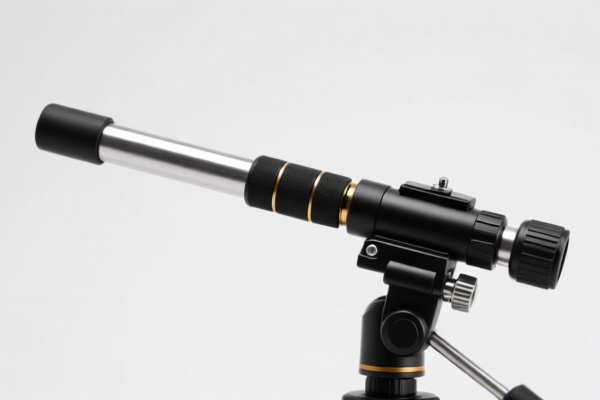
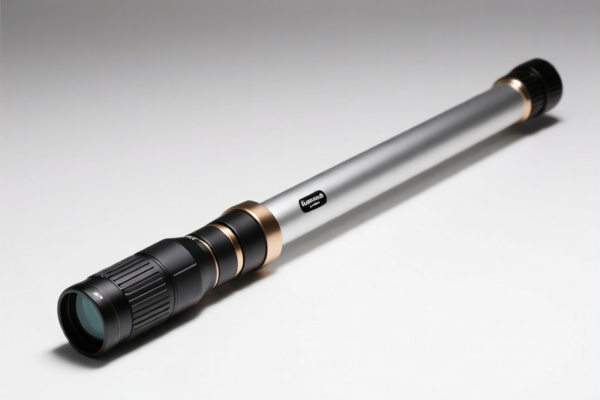
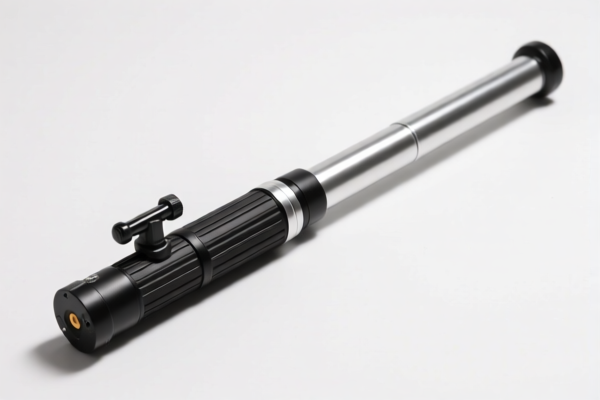
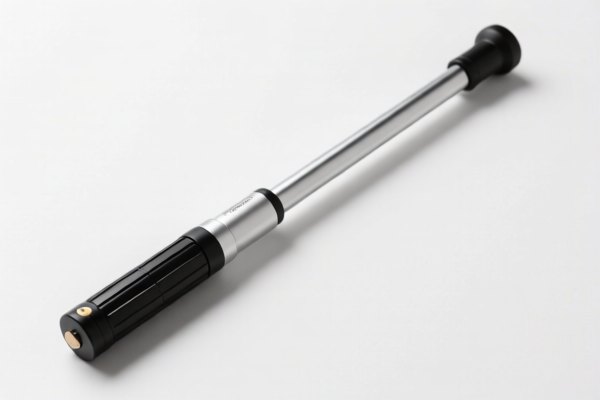
AI分析
🏠 Cabinet Telescopic Rods & Support Structures
🌐 HS Code Reference & Customs Clearance Guide | 2026 Latest Tariff Analysis | Professional Clearance Strategy
📌 I. Product Definition & Classification: What Exactly Are "Cabinet Telescopic Rods"?
Cabinet telescopic rods and support structures are essential hardware components used in furniture, storage systems, and industrial racks. In international trade, their classification depends heavily on material composition and specific function.
There are three primary categories for these items:
- Iron/Steel Supports/Rods: Generic metal frames, brackets, or rods made of ferrous metals.
- Plastic Supports/Adjusters: Furniture aids, plastic brackets, or non-metallic support mechanisms.
- Aluminum Supports/Hanging Parts: Lightweight aluminum brackets, suspension parts, or specific support components for cabinets or racks.
⚠️ Critical Distinction:
- If the item is a generic metal rod/bracket without specific mechanical functionality beyond support → It likely falls under Chapter 73 (Articles of Iron or Steel).
- If the item is primarily plastic and used as a furniture accessory/adjuster → It falls under Chapter 39 (Articles of Plastics).
- If the item is aluminum and specifically designed as a support/hanging part → It falls under Chapter 76 (Articles of Aluminum).
📦 II. HS Code Classification Details (2026 Latest Tariff Authority Comparison)
| HS Code | Product Description | Applicable Scenario | Material |
|---|---|---|---|
7326.90.86.88 |
Other articles of iron or steel (not specified elsewhere) | Generic iron/steel rods, brackets, support frames | 🇨🇳 Iron/Steel |
3926.30.10.00 |
Other articles of plastic for furniture | Plastic supports, adjusters, non-specific plastic aids | 🇨🇳 Plastic |
7616.99.51.50 |
Other articles of aluminum (supports/hanging parts) | Aluminum support components, suspension brackets | 🇨🇳 Aluminum |
🔍 Key Reminder:
- Misclassification Risk: Declaring an aluminum rod as "Iron/Steel" or a plastic bracket as "Metal" can lead to severe penalties.
- Function vs. Material: Even if the rod has a "telescopic" feature, if it is not a complex mechanical device (like a hydraulic lift), it is often classified based on its material and general use as an article rather than as a specific machine part.
💰 III. 2026 Latest Tariff Rate Details (Including Surcharges & Policy Add-ons)
✅ Applicable Country: United States (US)
✅ Origin: China (CN)
✅ Effective Date: Current rates apply including Section 301, Section 232, and IEEPA surcharges.
🎯 1. 7326.90.86.88 —— Other Articles of Iron or Steel
| Item | Content |
|---|---|
| Base Tariff | 2.9% (ad valorem) |
| Section 301 Surcharge (Type A) | +25.0% |
| Section 232 Surcharge (Steel/Aluminum/Copper) | +50.0% |
| Total Tariff Rate | 87.9% |
| Tax Calculation | CIF Value × 87.9% |
| De Minimis Eligibility | ❌ NO (deny_de_minimis) |
| Legal Basis Path | USITC:7326.90.86.88 → Section 301: Footnote 9903.01.25 → Section 232: Footnote 9903.01.24 |
📌 Explanation:
- This is a high-risk category due to the叠加 (stacking) of tariffs.
- Section 301 (25%) applies to almost all Chinese-made steel articles under HTSUS 7326.
- Section 232 (50%) applies specifically to certain steel products. Note: While Section 232 traditionally targets raw steel inputs, customs authorities often apply it to finished steel articles if they fall under specific covered lists or if interpreted broadly as "steel articles." Consult your broker for the latest specific exclusions.
- Total 87.9% makes this item extremely costly to import.
🎯 2. 3926.30.10.00 —— Other Plastic Articles for Furniture
| Item | Content |
|---|---|
| Base Tariff | 6.5% |
| Section 301 Surcharge (Type A) | +7.5% |
| Total Tariff Rate | 24.0% |
| Tax Calculation | CIF Value × 24.0% |
| De Minimis Eligibility | ❌ NO (deny_de_minimis) |
| Legal Basis Path | USITC:3926.30.10.00 → Section 301: Footnote 9903.01.24 |
📌 Note:
- Plastic furniture accessories generally face lower tariffs than steel.
- The 7.5% Section 301 surcharge is relatively moderate compared to steel.
- Ensure the product is primarily plastic (>50% by weight or value) to qualify. If it has significant metal components, customs may reclassify it.
🎯 3. 7616.99.51.50 —— Other Articles of Aluminum
| Item | Content |
|---|---|
| Base Tariff | 2.5% |
| Section 301 Surcharge (Type A) | +25.0% |
| Total Tariff Rate | 37.5% |
| Tax Calculation | CIF Value × 37.5% |
| De Minimis Eligibility | ❌ NO (deny_de_minimis) |
| Legal Basis Path | USITC:7616.99.51.50 → Section 301: Footnote 9903.01.24 |
📌 Note:
- Aluminum articles are subject to Section 301 tariffs.
- Unlike steel, aluminum usually does not face the additional 50% Section 232 tariff on finished articles in the same broad manner, resulting in a lower total rate (37.5% vs 87.9% for steel).
- This makes Aluminum a more tariff-efficient material than Steel for this application, provided it is not considered a "structural steel" equivalent.
🛠️ IV. Customs Clearance Operational Advice (Practical Pitfall Guide)
✅ 1. Required Documentation Checklist (Missing Any May Cause Delays)
| Document | Required | Description |
|---|---|---|
| ✅ Product Specification Sheet | ✔️ | Must detail dimensions, weight, material composition (e.g., "95% Aluminum Alloy 6063"), and function. |
| ✅ Material Certification | ✔️ | Mill certificates for steel/aluminum to prove origin and grade. |
| ✅ Product Photos (Labeled) | ✔️ | Show the telescopic mechanism, end caps, and any branding. |
| ✅ Commercial Invoice | ✔️ | Must clearly state: "Telescopic Support Rod, Material: [Aluminum/Iron/Plastic], For Cabinet Use". Avoid vague terms like "Hardware". |
| ✅ Packing List | ✔️ | Itemize units, gross weight, and net weight. |
| ✅ Customs Bond | ✔️ | Ensure continuous or single-entry bond is active. |
✅ 2. Declaration Tips (Key Mantras)
🔥 "Material Defines Code, Function Supports It, Vague Names Lead to Audits!"
| Scenario | Correct Declaration | Wrong Practice |
|---|---|---|
| Steel Rod/Bracket | 7326.90.86.88 - "Iron/Steel Support Rod" |
Declaring as "Plastic Part" |
| Plastic Adjustable Support | 3926.30.10.00 - "Plastic Furniture Support" |
Declaring as "Metal Hardware" |
| Aluminum Suspension Part | 7616.99.51.50 - "Aluminum Cabinet Support" |
Declaring as "General Hardware" |
| Mixed Material (e.g., Steel Core, Plastic Sleeve) | Classify by essential character (usually the steel core) | Splitting the declaration |
⚠️ Warning:
- Do not use the term "Telescopic" alone in the description, as it may imply a complex mechanical device (Chapter 84) or a specific tool.
- Use "Support Rod," "Bracket," or "Adjuster" to clarify it is a passive structural component.
✅ 3. Special Situations Handling
| Situation | Handling Advice |
|---|---|
| Steel vs. Stainless Steel | If stainless, check Chapter 73 vs 76. Stainless may have different 301 exclusions. Verify HTSUS carefully. |
| Aluminum vs. Steel Weight | If the product is lightweight, argue for Aluminum classification (7616.99.51.50) to save 50% in tariffs compared to steel. |
| Plastic with Metal Inserts | If metal inserts are minimal, argue for Plastic classification (3926.30.10.00). If dominant, it becomes Steel. |
| Pre-Assembly | If rods come assembled with plastic feet, the "essential character" is usually the plastic/furniture aid aspect. |
🌍 V. Global Market Comparison (2026 Latest)
| Country/Region | Recommended HS Code | Est. Tariff (China Origin) | Certification Requirements | Notes |
|---|---|---|---|---|
| 🇺🇸 USA | 7326.90.86.88 |
87.9% (Steel) | None specific | Highest risk due to Section 232/301 stacking. |
| 🇺🇸 USA | 7616.99.51.50 |
37.5% (Aluminum) | None specific | Prefer Aluminum to reduce cost. |
| 🇺🇸 USA | 3926.30.10.00 |
24.0% (Plastic) | None specific | Lowest tariff among the three. |
| 🇪🇺 EU | 7326.90 (Steel) | ~6.5% | REACH | No 301/232 equivalent surcharges. |
| 🇨🇳 China | 7326.90 (Steel) | ~6.5% | CCC (if electrical) | No import duty on reverse exports? Check FTA. |
📌 Conclusion:
- USA Tariff Impact is Severe: Steel items face nearly 90% duty, Aluminum ~37.5%, Plastic ~24%.
- Material Selection is Critical: If possible, switch from Steel to Aluminum or Plastic to drastically reduce landed costs.
- China Origin: Ensure Country of Origin is marked clearly. If sourced from Vietnam/Mexico with sufficient transformation, 301/232 surcharges may not apply.
📌 VI. Common Errors & Pitfall Guide (Lessons Learned)
❌ Error 1: Classifying a Steel telescopic rod under 7326.90.86.88 without accounting for Section 232.
👉 Consequence: Unexpected 87.9% duty at customs, leading to cash flow issues or refused entry.
❌ Error 2: Classifying an Aluminum rod as "Hardware" (generic).
👉 Consequence: Customs may reclassify to 7326 if material is misreported, or assess higher duties due to incorrect description.
❌ Error 3: Declaring as "Plastic" when the core structure is Metal.
👉 Consequence: Fraud allegation, fines, and potential seizure of goods.
❌ Error 4: Ignoring the Section 301 Exclusion Lists.
👉 Consequence: Missing out on potential tariff relief. Check if your specific HTSUS code had exclusions during the relevant year.
✅ Correct Approach:
"Aluminum Telescopic Support Rod, Model XYZ, For Cabinet Use, 500mm Length, Matte Finish."
HS Code:7616.99.51.50
Rate: 37.5%
🎯 VII. Conclusion: Professional Declaration, Save Costs!
🎯 Remember the Mantra:
🔹 "Steel 88%, Aluminum 37%, Plastic 24% – Choose Material Wisely!"
🔹 "Description Must Match Material – Vague Terms Trigger Audits!"
📌 Pro Tip:
- If importing Steel, consider if any Section 301 Exclusions apply to your specific product line.
- If possible, re-engineer to use Aluminum or High-Grade Plastics to save 50%+ in duties.
- Always apply for a Binding Tariff Information (BTI) or Advance Ruling from US Customs (CBP) if the volume is high, to secure a definitive classification.
📣 Immediate Action:
📞 Contact a licensed customs broker
📄 Provide Material Safety Data Sheets (MSDS) and Product Photos
🚀 Optimize your Bill of Lading description to avoid delays!
✨ Precise Classification Starts with Accurate Material Declaration!
💼 Your Bottom Line Depends on the Last Digit of the HS Code!
用户评价
关于 HS 编码归类
协调制度(HS)是由世界海关组织(WCO)制定的国际贸易商品分类标准。全球 200 多个国家采用 HS 系统作为海关关税、贸易统计和进出口监管的基础。
每个 HS 编码遵循以下层级结构:
- 章(2 位)——商品大类(例如:第 84 章:机器和机械设备)
- 品目(4 位)——章内的更具体分类
- 子目(6 位)——国际通用细分,所有 WCO 成员国统一使用
- 本国细分(8-10 位)——各国自行扩展的细分编码,如美国 HTSUS 10 位编码
正确的 HS 编码归类对于顺利通关、准确缴纳关税和遵守贸易法规至关重要。错误归类可能导致海关延误、多缴关税或罚款。
从CN进口到US时,适用的关税税率可能包括:
- 最惠国(MFN)税率——适用于 WTO 成员国的标准关税税率
- 普通税率——适用于无贸易协定国家
- 贸易救济关税——附加关税,如 301 条款(反倾销)、232 条款(国家安全)或反补贴税
本页内容仅供参考。如需正式归类,请咨询当地海关或持牌报关代理。