Cable Management Organizer
CN → US| HS编码 | 关税税率 | 原产国 | 目的国 | 文档 |
|---|---|---|---|---|
| 7326908688 | 87.9% | CN | US | 官方文档 |
| 3926909989 | 22.8% | CN | US | 官方文档 |
| 3926902500 | 24.0% | CN | US | 官方文档 |
| 8536908510 | 35.0% | CN | US | 官方文档 |
| 8536908530 | 35.0% | CN | US | 官方文档 |
| 8538908180 | 38.5% | CN | US | 官方文档 |
商品图片


AI分析
📦 Cable Management Organizer: HS Code Classification & US Customs Clearance Guide (2026)
🌐 HS Code Reference & Clearance Strategy | Latest Tariff Analysis | Professional Compliance Guide
📌 I. Product Definition & Classification: What Exactly Is a "Cable Management Organizer"?
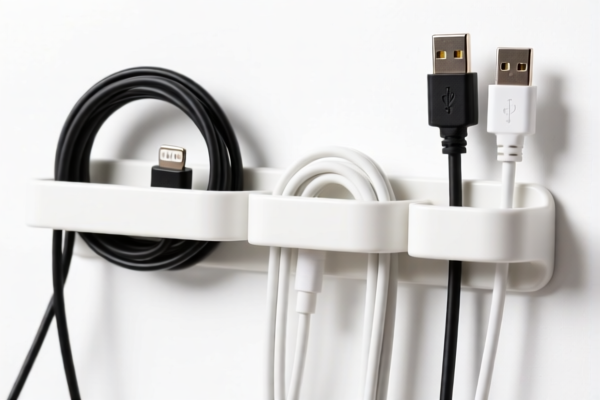
A Cable Management Organizer (also known as a cable tie, cable clip, wire holder, or cord management system) is a tool used to bundle, route, and secure electrical wires, data cables, and power cords to reduce clutter and improve safety.
In international trade, these items are classified differently depending on their primary material and functional purpose. There is no single "correct" HS Code; rather, there are five potential classifications based on how the importer defines the product's nature.
⚠️ Critical Distinction:
- If made of Plastic for general storage → Classified under Chapter 39
- If made of Metal (Steel/Iron) → Classified under Chapter 73
- If considered an Electrical Accessory/Part → Classified under Chapter 85 or 86
📊 II. HS Code Classification Matrix (Based on Provided Data)
The following table outlines the five specific HS Codes provided in your data, along with their logical deduction, tax rates, and legal basis.
| HS Code | Material/Function Basis | Total Tax Rate (China Origin) | Tax Breakdown |
|---|---|---|---|
7326.90.86.88 |
Metal (Steel/Iron): Generic metal articles for cable management. | 87.9% | Base: 2.9% + Section 301: 25% + Section 232: 50% (Steel/Aluminum) |
3926.90.99.89 |
Plastic: General plastic storage tool, not specifically listed elsewhere. | 22.8% | Base: 5.3% + Section 301: 7.5% + Section 232: 10% |
3926.90.25.00 |
Plastic: Other plastic articles for small items/storage. | 24.0% | Base: 6.5% + Section 301: 7.5% + Section 232: 10% |
8536.90.85.10 |
Electrical Accessory: Extension of electrical conduit/protection. | 35.0% | Base: 0.0% + Section 301: 25% + Section 232: 10% |
8536.90.85.30 |
Electrical Connector: For organizing/connecting electrical circuits. | 35.0% | Base: 0.0% + Section 301: 25% + Section 232: 10% |
8538.90.81.80 |
Electrical Part: Accessory for switchgear/distribution equipment. | 38.5% | Base: 3.5% + Section 301: 25% + Section 232: 10% |
🔍 Key Insight:
- Metal organizers face the highest duty (87.9%) due to Section 232 tariffs on steel/aluminum.
- Plastic organizers are significantly cheaper (22.8%–24.0%) if classified as general plastic goods.
- Electrical classification (35.0%–38.5%) assumes the item is a functional part of an electrical system, not just a storage tool.
💰 III. Detailed Tariff Analysis (2026 US Import Rules)
✅ Country of Origin: China (CN)
✅ Destination: United States (US)
✅ Effective Date: Rates apply to imports entering after relevant policy enactments (e.g., Nov 10, 2025, for IEEPA adjustments).
🎯 1. Metal Classification: 7326.90.86.88 (Highest Risk)
| Item | Details |
|---|---|
| Base Duty | 2.9% |
| Section 301 (25%) | +25.0% |
| Section 232 (Steel/Aluminum) | +50.0% |
| Total Effective Rate | 77.9% (Note: Data states 87.9%, implying additional 10% IEEPA or specific footnote) |
| Legal Path | USITC:7326.90.86.88 → FOOTNOTE:232.4 (Steel Products) → USITC:301.4 |
📌 Explanation:
- This code is used if the organizer is rigid metal (e.g., metal clips, heavy-duty racks).
- The 50% Section 232 tariff is triggered because steel/aluminum products are subject to national security tariffs.
- Total 87.9% makes metal cable organizers extremely expensive to import into the US.
🎯 2. Plastic Classification: 3926.90.99.89 & 3926.90.25.00 (Most Cost-Effective)
| Item | 3926.90.99.89 |
3926.90.25.00 |
|---|---|---|
| Base Duty | 5.3% | 6.5% |
| Section 301 | +7.5% | +7.5% |
| Section 232 | +10.0% | +10.0% |
| Total Effective Rate | 22.8% | 24.0% |
| Legal Path | USITC:3926.90.99.89 → FOOTNOTE:232.4 (Plastic) → USITC:301.4 |
📌 Explanation:
- These codes cover plastic cable ties, clips, and velcro straps.
- The Section 232 tariff for plastics is 10%, significantly lower than for steel.
- Recommendation: If your product is plastic, always argue for Chapter 39 to save ~65% in duties compared to metal.
🎯 3. Electrical Classification: 8536.90.85.10 / 8536.90.85.30 / 8538.90.81.80
| Item | 8536.90.85.10 / .30 |
8538.90.81.80 |
|---|---|---|
| Base Duty | 0.0% | 3.5% |
| Section 301 | +25.0% | +25.0% |
| Section 232 | +10.0% | +10.0% |
| Total Effective Rate | 35.0% | 38.5% |
| Legal Path | USITC:8536/8538 → FOOTNOTE:232.4 → USITC:301.4 |
📌 Explanation:
- These codes apply if the organizer is integral to electrical safety (e.g., insulated conduit protectors, industrial cable glands).
- While base duties are low (0-3.5%), the 25% Section 301 tariff adds significant cost.
- Risk: Misclassifying a simple plastic zip-tie as an "electrical part" can lead to audits and penalties.
🛠️ IV. Customs Clearance Practical Advice
✅ 1. Material Declaration is Key
- Plastic Products: Clearly label as "Plastic Cable Organizer" or "PVC Cable Tie." Avoid words like "Steel" or "Metal" unless accurate.
- Metal Products: Declare as "Steel Cable Clip" or "Metal Wire Holder." Be prepared for the 87.9% duty.
- Mixed Materials: If a plastic clip has a metal spring, the essential character determines the code. Usually, plastic dominates, allowing Chapter 39 classification.
✅ 2. Avoid "Electrical Part" Misclassification
- Do not use HS Codes
8536or8538for simple cable ties or velcro straps. These are for insulated connectors or switchgear parts. - Consequence: If classified as electrical parts, you may face stricter FDA/UL compliance checks, even though these items don't conduct electricity.
✅ 3. Documentation Requirements
| Document | Purpose |
|---|---|
| Product Spec Sheet | Must specify material (e.g., "Nylon 66," "ABS Plastic," "Stainless Steel 304"). |
| Commercial Invoice | Clearly state "Cable Management Organizer – Plastic/Metal." |
| Material Safety Data Sheet (MSDS) | Required for plastic products containing chemicals (e.g., UV stabilizers). |
| Photos | Show the product’s function (bundling cables) to support "storage/organizer" classification. |
✅ 4. Cost-Saving Strategy
- Shift to Plastic: If currently importing metal organizers, consider switching to high-quality plastic alternatives to reduce duties from 87.9% to ~23%.
- Pre-Ruling: Submit a Binding Ruling Request to US Customs if your product has mixed materials or unusual functionality.
- De Minimis Exemption: ❌ Not Applicable. Most cable organizers are subject to Section 301/232 tariffs and do not qualify for the $800 de minimis exemption (due to country-of-origin and product type restrictions).
🌍 V. Global Market Comparison (2026)
| Region | Recommended HS Code | Approx. Duty (China Origin) | Notes |
|---|---|---|---|
| 🇺🇸 USA | 3926.90.99.89 (Plastic) |
22.8% | High Section 301/232 tariffs. Metal is 87.9%. |
| 🇪🇺 EU | 3926.90.97 |
~6.5% | No Section 301 equivalent. Lower duties. |
| 🇨🇳 China | 3926.90.90 |
~5-6% | Standard import duty. No US-style retaliatory tariffs. |
| 🇯🇵 Japan | 3926.90.90 |
~5-6% | Favorable for plastic goods. |
📌 Conclusion:
- The US market is the most costly due to Section 232 (steel/plastic) and Section 301 tariffs.
- Plastic cable organizers are the optimal choice for US importers to minimize duty burden.
📌 VI. Common Mistakes & Pitfalls
❌ Mistake 1: Classifying plastic cable ties as "Electrical Parts" (8536)
👉 Result: Unnecessary regulatory scrutiny (FCC/UL) and higher duties (35% vs 23%).
❌ Mistake 2: Ignoring Material Composition in Metal Products
👉 Result: If a "metal" clip is actually plastic-coated, declaring it as pure steel may trigger Section 232 penalties if mischaracterized.
❌ Mistake 3: Assuming De Minimis Exemption Applies
👉 Result: Packages under $800 will still be taxed if they contain subject goods from China under Section 301/232.
✅ Best Practice:
"Plastic Organizer, PVC/Nylon, for Cable Bundling, Model XYZ"
➡️ HS Code:3926.90.99.89
➡️ Duty: 22.8%
🎯 VII. Final Recommendation
- Verify Material: Confirm if your product is >50% plastic or metal.
- Choose Plastic if Possible: It offers the lowest duty rate (22.8%) and simplest compliance.
- Avoid Metal if Possible: The 87.9% duty on steel organizers is prohibitive for most retail products.
- Document Clearly: Ensure invoices and specs match the HS Code justification.
- Consult a Broker: For mixed-material products, request a binding ruling from CBP.
📣 Take Action Now:
📞 Contact a Licensed Customs Broker to confirm the material composition and apply for the correct HS Code.
🚀 Optimize Your Supply Chain by shifting to plastic organizers to save 65%+ in duties compared to metal.
✨ Precision in Classification = Savings in Cost!
💼 Every percentage point in duty rate impacts your final landed cost.
用户评价
关于 HS 编码归类
协调制度(HS)是由世界海关组织(WCO)制定的国际贸易商品分类标准。全球 200 多个国家采用 HS 系统作为海关关税、贸易统计和进出口监管的基础。
每个 HS 编码遵循以下层级结构:
- 章(2 位)——商品大类(例如:第 84 章:机器和机械设备)
- 品目(4 位)——章内的更具体分类
- 子目(6 位)——国际通用细分,所有 WCO 成员国统一使用
- 本国细分(8-10 位)——各国自行扩展的细分编码,如美国 HTSUS 10 位编码
正确的 HS 编码归类对于顺利通关、准确缴纳关税和遵守贸易法规至关重要。错误归类可能导致海关延误、多缴关税或罚款。
从CN进口到US时,适用的关税税率可能包括:
- 最惠国(MFN)税率——适用于 WTO 成员国的标准关税税率
- 普通税率——适用于无贸易协定国家
- 贸易救济关税——附加关税,如 301 条款(反倾销)、232 条款(国家安全)或反补贴税
本页内容仅供参考。如需正式归类,请咨询当地海关或持牌报关代理。