Car Battery Charger
CN → US| HS编码 | 关税税率 | 原产国 | 目的国 | 文档 |
|---|---|---|---|---|
| 8543709860 | 37.6% | CN | US | 官方文档 |
| 8543706000 | 35.0% | CN | US | 官方文档 |
| 8504409550 | 35.0% | CN | US | 官方文档 |
| 8507100090 | 38.5% | CN | US | 官方文档 |
| 8507100060 | 38.5% | CN | US | 官方文档 |
商品图片
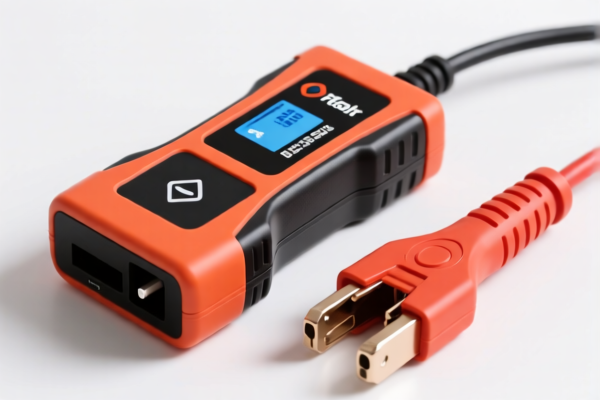
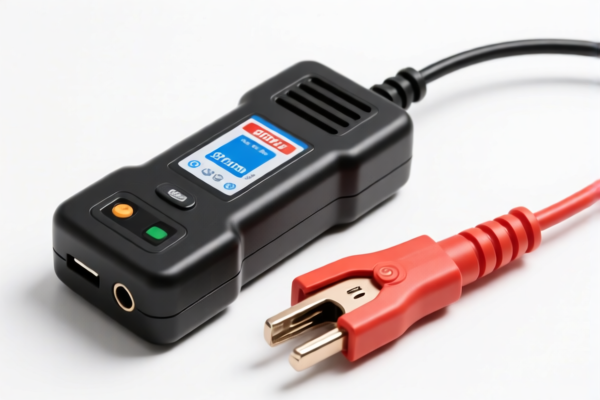
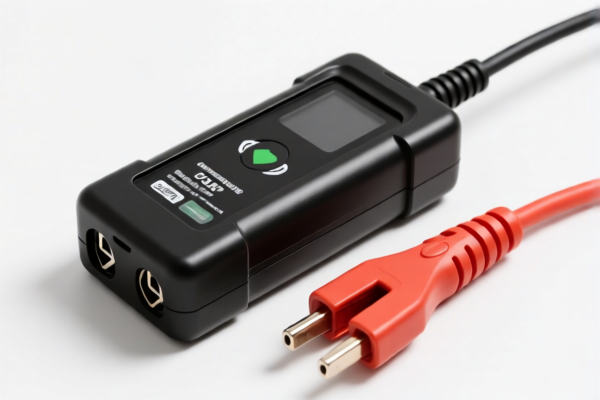

AI分析
🔋 Car Battery Charger & Car Battery Classification Guide (2026 Update)
🌐 HS Code Reference & Customs Clearance Strategy | Professional Classification for Auto Accessories
📌 1. Product Definition & Core Distinction: Charger vs. Battery
In international trade, "Car Battery Charger" and "Car Battery" are two distinct categories with completely different HS Codes, materials, and tax implications. Confusing them can lead to severe customs delays, audits, or penalty fines.
⚠️ Key Distinction:
- Car Battery Charger: An external device that converts AC to DC to charge a battery. It is an electronic/mechanical device with circuits, metal/plastic casing, and ports. → HS 8543 / 8504
- Car Battery: The energy storage unit itself (Lead-Acid/AGM). It is a chemical/electrochemical device containing lead plates and acid. → HS 8507
📦 2. HS Code Classification Breakdown (2026 Latest Tariff Schedule)
Below are the precise classifications based on product function, material, and application. All rates assume Origin: China importing into the US.
🔌 Part A: Car Battery Chargers (Electronic/Mechanical Devices)
| HS Code | Product Description | Classification Logic | Tax Rate |
|---|---|---|---|
8543.70.98.60 |
Other Electrical Machines/Devices (Independent Function) |
Classified as an electrical apparatus with independent function. Material: Electronic components + Metal/Plastic casing. Fits the "Other machines/appliances" category. | 37.6% |
8543.70.60.00 |
Other Electrical Appliances (Connected to Specific Equipment) |
Classified as an appliance for connecting to specific equipment. Material: Metal & Plastic components. Fits the "兜底" (catch-all) attribute for other machines/appliances. | 35.0% |
8504.40.95.50 |
Rectifiers (AC to DC Conversion) |
Classified specifically as a rectifying device. Function: Converts AC power to DC power. Material: Electronic components + Metal casing. Fits "Other rectifiers" under Chapter 85. | 35.0% |
🔋 Part B: Car Batteries (Energy Storage Units)
| HS Code | Product Description | Classification Logic | Tax Rate |
|---|---|---|---|
8507.10.00.90 |
Lead-Acid Batteries (For Starting Piston Engines) |
Classified as batteries used for starting piston internal combustion engines. Material: Lead. Fits the application scenario for lead-acid automotive batteries. | 38.5% |
8507.10.00.60 |
Lead-Acid Batteries (12V/Weight Spec) |
Classified based on usage (engine starting) and attributes (battery type). Inferred as 12V/weight-spec lead-acid batteries. | 38.5% |
🔍 Critical Note:
- Chargers are taxed as machines/electrical equipment (Chapter 85, 8543/8504).
- Batteries are taxed as electrochemical energy storage (Chapter 85, 8507).
- Never mix these in one shipment under one HS Code unless you have very specific bulk packaging rules approved by customs.
💰 3. Detailed Tax Breakdown (2026 Latest Rates)
✅ Applicable Country: United States (US)
✅ Origin: China (CN)
✅ Effective Date: Post-November 10, 2025 (Including subsequent imports)
🎯 A. For Car Battery Chargers
Option 1: 8543.70.98.60 (Independent Device)
| Item | Detail |
|---|---|
| Base Tariff | 2.6% |
| Section 301 Tariff | +25.0% |
| Section 122 Tariff | +10.0% |
| Total Rate | 37.6% |
| Calculation | CIF Value × 37.6% |
| De Minimis Exemption | ❌ Not Eligible (High tariffs block $800 exemption) |
| Legal Basis | Base Rate → Section 301 Footnote → Section 122 |
Option 2: 8543.70.60.00 (Specific Equipment Connection)
| Item | Detail |
|---|---|
| Base Tariff | 0.0% |
| Section 301 Tariff | +25.0% |
| Section 122 Tariff | +10.0% |
| Total Rate | 35.0% |
| Calculation | CIF Value × 35.0% |
| De Minimis Exemption | ❌ Not Eligible |
Option 3: 8504.40.95.50 (Rectifier)
| Item | Detail |
|---|---|
| Base Tariff | 0.0% |
| Section 301 Tariff | +25.0% |
| Section 122 Tariff | +10.0% |
| Total Rate | 35.0% |
| Calculation | CIF Value × 35.0% |
| De Minimis Exemption | ❌ Not Eligible |
📌 Explanation:
- "Section 301 (25%)": Added duty under US Trade Law Section 301 targeting Chinese goods.
- "Section 122 (10%)": Additional duty under the International Emergency Economic Powers Act (IEEPA) or specific trade remedies (Note: Section 122 is often a specific trade remedy code applied in this context).
- "Base Tariff": Varies slightly between 0% and 2.6% depending on the precise sub-heading of "Electrical Machines" or "Rectifiers."
🎯 B. For Car Batteries
Option 1 & 2: 8507.10.00.90 / 8507.10.00.60 (Lead-Acid)
| Item | Detail |
|---|---|
| Base Tariff | 3.5% |
| Section 301 Tariff | +25.0% |
| Section 122 Tariff | +10.0% |
| Total Rate | 38.5% |
| Calculation | CIF Value × 38.5% |
| De Minimis Exemption | ❌ Not Eligible |
📌 Note:
- Lead-acid batteries are heavily regulated due to environmental concerns (hazardous material).
- Both sub-codes (60and90) result in the same total tax rate of 38.5%. The difference lies in specific size/weight specifications not detailed here, but tax impact is identical.
🛠️ 4. Customs Clearance Operational Advice (Avoid Pitfalls)
✅ 1. Required Documentation Checklist
| Document | Mandatory? | Description |
|---|---|---|
| ✅ Product Specification Sheet | ✔️ | Must include: Input/Output Voltage, Current, Power (Watts), Frequency (Hz). |
| ✅ Circuit Diagram / Internal Structure | ✔️ | Crucial for 8504 (Rectifier) vs. 8543 (Other Device) classification. |
| ✅ Product Photos (With Nameplate) | ✔️ | Show model number, brand, input/output ports, and certification marks. |
| ✅ Third-Party Test Reports | ✔️ | FCC (EMC/RF), UL/ETL (Safety), RoHS. Essential for electronics. |
| ✅ Commercial Invoice | ✔️ | Clearly state "Car Battery Charger" or "Lead-Acid Automotive Battery". |
| ✅ MSDS (Material Safety Data Sheet) | ✔️ | Mandatory for Batteries (8507). Required for hazardous material handling. |
| ✅ Packing List | ✔️ | Detail net/gross weight, dimensions, and number of units. |
✅ 2. Declaration Tips (Key Mantras)
🔥 "Function Defines Code, Material Defines Sub-Code, Name Must Be Precise!"
| Scenario | Correct Declaration | Incorrect Practice | Risk |
|---|---|---|---|
| Charger | "Electric Battery Charger, 12V/24V DC Output, AC Input" | Vague term "Auto Accessory" | Misclassification → Audit |
| Battery | "Lead-Acid Battery, 12V, 45Ah, For Starting Engines" | Vague term "Auto Part" | Hazardous material violation |
| Mixed Shipment | Separate Lines: Line 1: Charger, Line 2: Battery | Mixed in one line | Customs rejection / Delay |
✅ 3. Special Handling
| Situation | Advice |
|---|---|
| OEM Chargers | Provide customer PO + Design specs. Avoid "White Label" confusion. |
| Lithium vs. Lead | Note: This guide focuses on Lead-Acid (8507) and Electronic Chargers (8543/8504). If you ship Lithium batteries, they fall under 8507.30 and have stricter dangerous goods regulations. |
| Battery Disposal | Chargers contain hazardous components (capacitors). Batteries are recyclable. Ensure eco-compliance in destination country. |
🌍 5. Global Market Comparison (2026)
| Market | Recommended HS Code (Charger) | Recommended HS Code (Battery) | Notes |
|---|---|---|---|
| 🇺🇸 USA | 8543.70.98.60 / 8504.40.95.50 |
8507.10.00.90 |
High tariffs (35-38.5%). Dangerous goods rules apply to batteries. |
| 🇨🇳 China | 8504.40 / 8543.70 |
8507.10 |
Import duties may vary; CCC certification required for chargers. |
| 🇪🇺 EU | 8504.40 / 8543.70 |
8507.10 |
CE Marking + WEEE Directive (Recycling) mandatory. No Section 301/122 tariffs. |
| 🇬🇧 UK | 8504.40 / 8543.70 |
8507.10 |
UKCA Marking required post-Brexit. |
📌 Conclusion:
- US Market: Most expensive due to Section 301 + Section 122 tariffs. Must budget ~35-38% tax.
- EU/UK: Lower base tariffs but strict Environmental/Safety Certifications (CE/UKCA).
- Batteries: Always require MSDS and proper Hazardous Goods labeling (UN 3022/3090 for Li-ion, though here we discuss Lead-AcidUN 2794).
📌 6. Common Errors & Pitfalls (Blood Lessons)
❌ Error 1: Declaring a Charger as a "Toy" or "General Machine" to avoid taxes.
👉 Consequence: Customs reclassification → Back taxes + Penalty.
❌ Error 2: Shipping Lead-Acid Batteries without MSDS or proper Hazmat Labeling.
👉 Consequence: Shipment detained, destroyed, or fined. Air freight may be banned.
❌ Error 3: Confusing "Battery Charger" with "Battery".
👉 Consequence: Wrong duty rate applied (35% vs 38.5%), leading to underpayment or overpayment disputes.
✅ Correct Action:
"Car Battery Charger, Model XYZ, 12V DC Output, 10A Current, FCC Certified, HS 8504.40.95.50"
"Lead-Acid Car Battery, 12V 50Ah, For Automotive Starting, UN 2794, HS 8507.10.00.90"
🎯 7. Final Recommendation: Professional Declaration Saves Money!
🎯 Remember the Rules:
🔹 "Charger = Electronics (8543/8504)"
🔹 "Battery = Chemical (8507)"
🔹 "US Tariffs = High (35-38.5%)"
🔹 "Hazmat Docs = Mandatory for Batteries"
📌 Pro Tip:
If you are importing large volumes, consider applying for a Tariff Classification Ruling (Preliminary Ruling) from US Customs (CBP) to confirm if your specific charger design falls under 8504 (Rectifier) or 8543 (Other), as the base tax differs (0% vs 2.6%). This small difference adds up on large shipments.
📣 Immediate Action:
📞 Contact your freight forwarder to verify hazardous material handling for batteries.
🔍 Ensure FCC/UL certificates are valid and attached to the commercial invoice for chargers.
📝 Double-check HS Codes before booking shipping.
✨ Precise Classification is the First Step to Profitable Trade!
💼 Don't let customs hold-ups kill your margin!
用户评价
关于 HS 编码归类
协调制度(HS)是由世界海关组织(WCO)制定的国际贸易商品分类标准。全球 200 多个国家采用 HS 系统作为海关关税、贸易统计和进出口监管的基础。
每个 HS 编码遵循以下层级结构:
- 章(2 位)——商品大类(例如:第 84 章:机器和机械设备)
- 品目(4 位)——章内的更具体分类
- 子目(6 位)——国际通用细分,所有 WCO 成员国统一使用
- 本国细分(8-10 位)——各国自行扩展的细分编码,如美国 HTSUS 10 位编码
正确的 HS 编码归类对于顺利通关、准确缴纳关税和遵守贸易法规至关重要。错误归类可能导致海关延误、多缴关税或罚款。
从CN进口到US时,适用的关税税率可能包括:
- 最惠国(MFN)税率——适用于 WTO 成员国的标准关税税率
- 普通税率——适用于无贸易协定国家
- 贸易救济关税——附加关税,如 301 条款(反倾销)、232 条款(国家安全)或反补贴税
本页内容仅供参考。如需正式归类,请咨询当地海关或持牌报关代理。