Car Exhaust Tail Pipe Accessories
CN → US| HS编码 | 关税税率 | 原产国 | 目的国 | 文档 |
|---|---|---|---|---|
| 7307995045 | 89.3% | CN | US | 官方文档 |
| 7307933040 | 91.2% | CN | US | 官方文档 |
| 8708925000 | 37.5% | CN | US | 官方文档 |
| 8708925000 | 37.5% | CN | US | 官方文档 |
商品图片
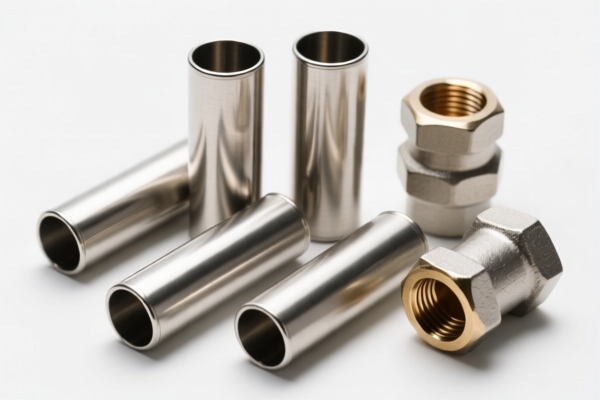
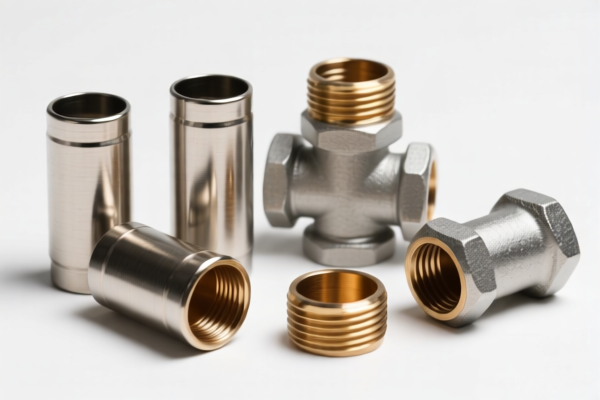
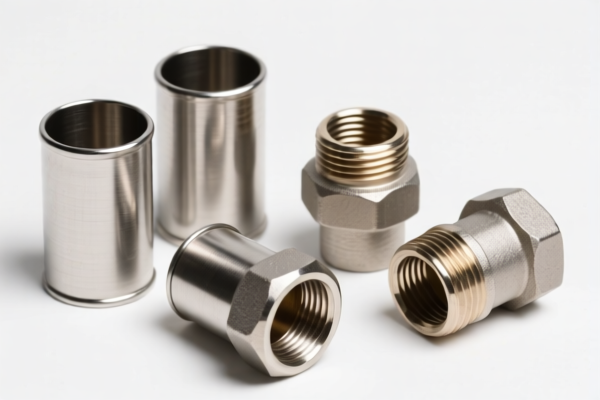
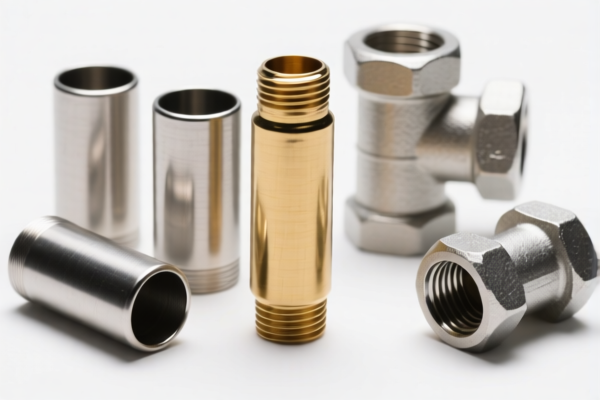
AI分析
🚗 Car Exhaust Tail Pipe Accessories (汽车排气管配件)
🌐 HS Code Reference & Customs Clearance Guide | 2026 Latest Tariff Analysis | Professional Clearance Strategy
📌 I. Product Definition & Classification: Do You Really Understand "Exhaust Pipes"?
Car exhaust tail pipes are critical components of the automotive emission control system. In international trade, they are often misclassified, leading to massive tax discrepancies. The key to classification lies in distinguishing between "Steel/iron tubes/accessories" (General Metal Goods) and "Vehicle Parts" (Automotive Specifics).
⚠️ Critical Distinction Point:
- If classified as "Iron/Non-alloy Steel Tubes/Accessories" → It falls under Chapter 73 (General Metal Products).
- If classified as "Parts and Accessories of Motor Vehicles" → It falls under Chapter 87 (Automotive Specifics).
- Why it matters: The tariff rates differ significantly (approx. 89% vs. 37.5%). Misclassification can lead to severe financial loss or customs penalties.
📦 II. HS Code Classification Details (2026 Latest Tariff Authority Comparison)
Based on the provided data, there are two main classification pathways for Car Exhaust Tail Pipes.
| HS Code | Product Description | Classification Logic | Total Tax Rate |
|---|---|---|---|
7307.99.50.45 |
Car Exhaust Pipe, classified as Iron or Non-Alloy Steel Tubular Fittings | Classified based on Material (Steel/Iron) rather than end-use. Treated as general metal accessories. | 89.3% |
7307.93.30.40 |
Car Exhaust Pipe, classified as Iron or Non-Alloy Steel Tubular Fittings | Another sub-category for steel fittings, often based on specific shape/connection type. | 91.2% |
8708.92.50.00 |
Car Exhaust Pipe, classified as Parts and Accessories of Motor Vehicles | Classified based on Function & Form. Directly matches the part's use in a vehicle. | 37.5% |
8708.92.50.00 |
Car Exhaust Pipe, directly corresponding to the Exhaust System Classification | Specifically identified as a vehicle spare part (exhaust system component). | 37.5% |
🔍 Key Reminder:
-8708.92.50.00is the preferred classification for most finished exhaust pipes intended for direct installation on vehicles, as it offers a significantly lower tax burden (37.5% vs. ~89%).
-7307codes treat the exhaust pipe merely as a "steel tube accessory," ignoring its specific automotive function, resulting in much higher tariffs.
- Do not split shipments: If you ship complete exhaust systems, declare them as vehicle parts (8708). If you ship raw steel tubes that could be used for exhausts but are not yet formed, they might fall under7307.
💰 III. 2026 Latest Tariff Rate Details (Including Additional Taxes & Policy Surcharges)
✅ Applicable Country: United States (US)
✅ Origin: China (CN)
✅ Effective Date: 2025/2026 (Current Trade War Policies)
🎯 1. 7307.99.50.45 & 7307.93.30.40 —— Iron/Non-Alloy Steel Tubular Fittings
| Item | Content |
|---|---|
| Base Tariff | 4.3% (for .50.45) / 6.2% (for .30.40) |
| Section 301 Additional Tariff | +25.0% |
| Section 122 Tariff (Steel/Aluminum/Copper) | +50% (Specifically applied to steel products) |
| Total Effective Tax Rate | 89.3% - 91.2% |
| Tax Calculation | CIF Value × 89.3%~91.2% |
| De Minimis Exemption? | ❌ NO (High tariff rates eliminate de minimis benefits) |
| Legal Basis Path | Section 301: 25% → Section 122/Steel: 50% → HTSUS: 7307 |
📌 Explanation:
- This category is heavily penalized due to two layers of additional tariffs:
1. 25% Section 301 Tariff: General tariff on Chinese goods.
2. 50% Section 122/Steel Tariff: Specific surcharge on steel, aluminum, and copper products imported into the US.
- Result: Even with a low base duty, the total cost exceeds 89%. This makes importing "steel tubes" as exhaust pipes economically unviable unless you have a specific tariff engineering strategy.
🎯 2. 8708.92.50.00 —— Parts and Accessories of Motor Vehicles
| Item | Content |
|---|---|
| Base Tariff | 2.5% |
| Section 301 Additional Tariff | +25.0% |
| Section 122 Tariff (Steel/Aluminum/Copper) | Not Applied (Auto parts are often exempt from the specific "steel tube" surcharge when classified as finished auto parts) |
| Total Effective Tax Rate | 37.5% |
| Tax Calculation | CIF Value × 37.5% |
| De Minimis Exemption? | ❌ NO (Still high enough to require formal entry) |
| Legal Basis Path | Section 301: 25% → HTSUS: 8708.92 |
📌 Explanation:
- This category benefits from a much lower base rate (2.5%) and avoids the 50% steel surcharge.
- It only incurs the 25% Section 301 tariff.
- Total: 37.5%. This is less than half the cost of the7307classification.
- Why is it cheaper? Customs views8708as a finished automotive component, not just a raw steel accessory. The value-added nature of the part reduces the "steel content" scrutiny under Section 122.
🛠️ IV. Customs Clearance Practical Advice (Battle-Tested Pitfall Avoidance)
✅ 1. Documentation Checklist (Missing Items Will Cause Delays)
| Document | Must Provide | Explanation |
|---|---|---|
| ✅ Product Specifications | ✔️ | Must clearly state: "Exhaust Pipe for [Make/Model/Year]" |
| ✅ Technical Drawings | ✔️ | Show flanges, bends, weld points, and material type (Stainless Steel vs. Mild Steel) |
| ✅ Product Photos (Labeled) | ✔️ | Clear images of the part, including part numbers and any branding |
| ✅ Commercial Invoice | ✔️ | Describe as: "Exhaust Tail Pipe for Passenger Car, Model XYZ" |
| ✅ Packing List | ✔️ | Detail weights and dimensions; ensure no loose steel pipes are declared separately |
| ✅ HS Code Pre-Ruling | ✔️ | Highly recommended to lock in 8708.92.50.00 |
✅ 2. Declaration Strategy (Key Mantra)
🔥 “Declare as Auto Part, Not Steel Tube! Save 50% Tax!”
| Scenario | Correct Declaration | Wrong Declaration | Consequence |
|---|---|---|---|
| Finished Exhaust Pipe | 8708.92.50.00 (Auto Part) |
7307.99.50.45 (Steel Tube) |
Pay ~89% instead of ~37.5% |
| Raw Steel Pipe (No Shape) | 7307... (Correct) |
8708... (Incorrect) |
Customs reclassification → Penalty + Back Tax |
| Exhaust System Assembly | 8708.92.50.00 |
Split into "Pipe" + "Muffler" | Risk of partial misclassification |
📌 Critical Tip:
- Ensure your invoice does NOT use vague terms like "Steel Pipe" or "Metal Tubing."
- Use precise terms: "Exhaust System Component," "Tail Pipe Assembly," or "Muffler Pipe for [Vehicle Model]."
- If the pipe is specifically shaped, welded, and has mounting points, it is definitely an auto part (8708).
✅ 3. Special Case Handling
| Scenario | Handling Advice |
|---|---|
| OEM Custom Pipes | Provide the OEM part number and vehicle fitment guide. This strongly supports 8708 classification. |
| Universal Fit Pipes | Still likely 8708 if they are clearly designed for automotive exhaust systems, but provide detailed diagrams showing exhaust system integration. |
| Stainless Steel vs. Mild Steel | Material type does not change the HS code path here. Both 7307 and 8708 apply to steel. The key is function, not material. |
| Parts Kit (Pipe + Gaskets + Bolts) | Declare as a set under 8708.92.50.00. Do not separate the gaskets into a different category to avoid scrutiny. |
🌍 V. Global Market Comparison (2026 Latest)
| Country/Region | Recommended HS Code | Estimated Total Tax | Certification Requirements | Notes |
|---|---|---|---|---|
| 🇺🇸 USA | 8708.92.50.00 |
37.5% | EPA (if new car part), CARB (if CA) | Avoid 7307 to save ~50% tax |
| 🇨🇳 China | 8708.92.50.00 |
~5% | CCC (if applicable) | Lower base duty, no Section 301 |
| 🇪🇺 EU | 8708.92.90 |
~4.5% | E-Mark (if complete system) | No steel surcharge |
| 🇲🇽 Mexico | 8708.92.50 |
~0-5% (NAFTA/USMCA) | Provenance Certificate | Free trade benefits possible |
📌 Conclusion:
- USA is the most critical market for this classification decision.
- China-origin exhaust pipes face a 37.5% total tariff if correctly classified as auto parts.
- Misclassification as steel tubes results in ~90% tariff, making the product uncompetitive.
📌 VI. Common Mistakes & Pitfall Guide (Blood & Tears Lessons)
❌ Mistake 1: Describing the item on the invoice as "Stainless Steel Pipe"
👉 Consequence: Customs officer assumes it's a raw material → Classifies under 7307 → 89% Tax!
👉 Fix: Use "Exhaust Tail Pipe for 2020 Toyota Camry"
❌ Mistake 2: Shipping the pipe in a box with no vehicle reference
👉 Consequence: Customs cannot verify it's an auto part → Reverts to 7307
👉 Fix: Include a spec sheet or photo showing the vehicle application.
❌ Mistake 3: Trying to split the shipment (e.g., Pipe + separate flanges) to lower value
👉 Consequence: Customs views this as a single article of commerce → Reassesses total value under highest tariff rate
👉 Fix: Declare as a single unit if functionally one assembly.
✅ Correct Approach:
"Stainless Steel Exhaust Tail Pipe, Formed for [Make/Model], Part #12345, EPA Compliant (if applicable)"
🎯 VII. Conclusion: Professional Declaration, Save Cost, Ensure Smooth Clearance!
🎯 Remember the Mantra:
🔹 "Auto Part, Not Steel Tube! 37.5% vs 89%!"
🔹 "HS Code is Life, Tax Rate is Death!"
📌 Pro Tip:
If your exhaust pipes are not from China (e.g., from Vietnam, Mexico, or Thailand), you may be exempt from Section 301 and Section 122 tariffs, reducing the total tax to just the base rate (~2.5%).
👉 Strongly recommend applying for an Advance Ruling (CBP Ruling) before shipping to officially lock in the 8708.92.50.00 classification and avoid disputes.
📣 Take Action Now:
📞 Contact a professional customs broker + Provide Product Photos + Request HS Code Pre-Ruling
🚀 Let your exhaust pipes clear smoothly, save thousands in taxes, and maximize your profit!
✨ Professional Customs Clearance Starts with Accurate Classification!
💼 Every Cent of Cost Deserves Precise Calculation!
用户评价
关于 HS 编码归类
协调制度(HS)是由世界海关组织(WCO)制定的国际贸易商品分类标准。全球 200 多个国家采用 HS 系统作为海关关税、贸易统计和进出口监管的基础。
每个 HS 编码遵循以下层级结构:
- 章(2 位)——商品大类(例如:第 84 章:机器和机械设备)
- 品目(4 位)——章内的更具体分类
- 子目(6 位)——国际通用细分,所有 WCO 成员国统一使用
- 本国细分(8-10 位)——各国自行扩展的细分编码,如美国 HTSUS 10 位编码
正确的 HS 编码归类对于顺利通关、准确缴纳关税和遵守贸易法规至关重要。错误归类可能导致海关延误、多缴关税或罚款。
从CN进口到US时,适用的关税税率可能包括:
- 最惠国(MFN)税率——适用于 WTO 成员国的标准关税税率
- 普通税率——适用于无贸易协定国家
- 贸易救济关税——附加关税,如 301 条款(反倾销)、232 条款(国家安全)或反补贴税
本页内容仅供参考。如需正式归类,请咨询当地海关或持牌报关代理。