Car Noise Detector
CN → US| HS编码 | 关税税率 | 原产国 | 目的国 | 文档 |
|---|---|---|---|---|
| 9031499000 | 35.0% | CN | US | 官方文档 |
| 9027894560 | 35.0% | CN | US | 官方文档 |
| 8543908885 | 85.0% | CN | US | 官方文档 |
| 9031808085 | 10.0% | CN | US | 官方文档 |
| 8543906800 | 35.0% | CN | US | 官方文档 |
商品图片
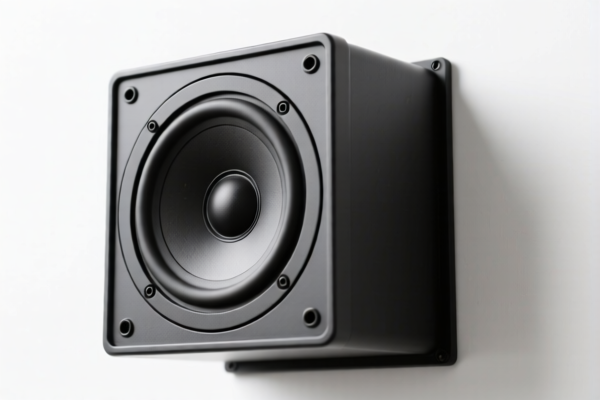
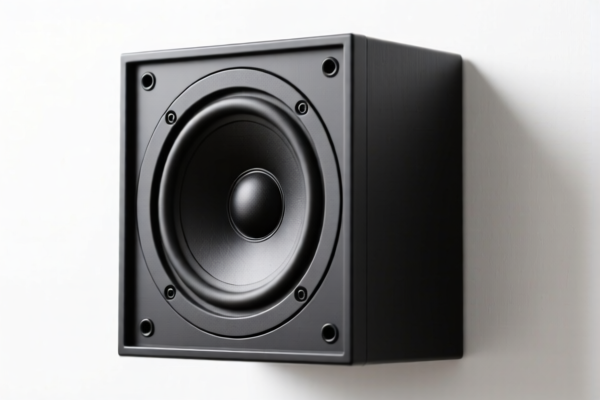
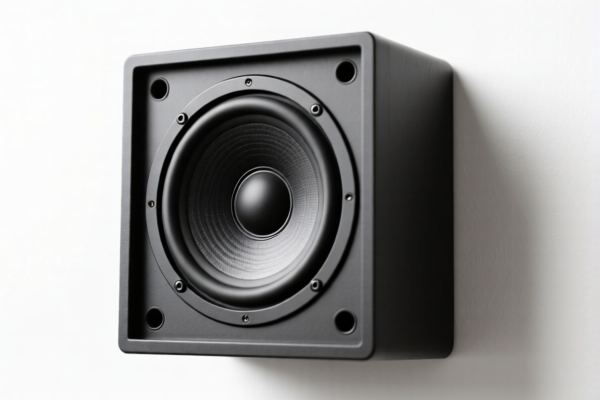
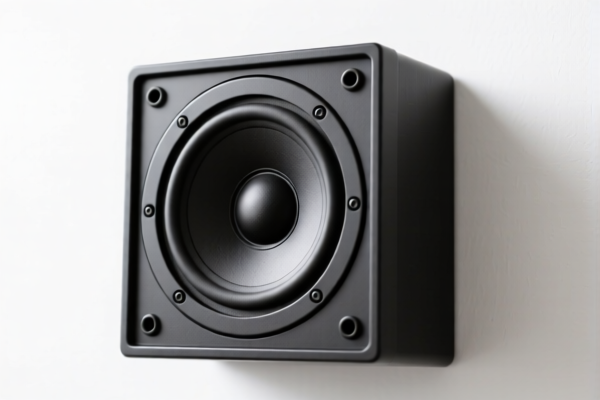
AI分析
🚗 Car Noise Detector (Automotive Acoustic Measurement Instrument)
🌐 HS Code Reference & Customs Clearance Guide | 2024/2025 Latest Tariff Analysis | Professional Compliance Strategy
📌 I. Product Definition & Classification: What is a "Car Noise Detector"?
A Car Noise Detector (also known as an acoustic emission tester or NVH measurement tool) is a device used to measure sound pressure levels, frequency spectra, and noise intensity within automotive environments. It is critical for quality control in manufacturing, emission compliance testing, and automotive diagnostics.
In international trade, these devices fall into two primary categories based on their technical architecture: 1. Optical/Acoustic Measuring Instruments: Devices designed specifically for precise physical measurement of noise parameters. 2. Independent Electrical Apparatus: Devices with specific functional circuits that do not fit strictly into standard "measurement instrument" definitions due to their specialized electronic components.
⚠️ Key Classification Distinction:
- If the device is a dedicated measuring instrument (calibrated for sound level/frequency), it typically falls under Chapter 90 (Optical, Photographic, Cinematographic, Measuring, Checking, Precision, Medical or Surgical Instruments).
- If the device is viewed as a general electrical appliance/component with independent function but no specific "measurement" legal definition in Chapter 90, it may fall under Chapter 85 (Electrical Machinery and Equipment).
- Misclassification Risk: Declaring a measurement device as a generic "electrical part" can lead to massive tariff spikes due to US Section 301 and IEEPA sanctions.
📦 II. HS Code Classification Details (Source Data Analysis)
Based on the provided data, there are 5 potential HS Codes for Car Noise Detectors. Each has a drastically different tax implication.
| HS Code | Product Description & Logic | Tax Rate (Total) | Tax Composition |
|---|---|---|---|
| 9031.80.80.85 | Other Measuring/Checking Instruments Logic: Fits the category of "Other measuring or checking instruments" without material conflict. |
10.0% | Base: 0% Sec 301: 0% IEEPA: 10% |
| 9031.49.90.00 | Other Optical/Acoustic Instruments Logic: Falls under "Optical instruments and devices" or acoustics. |
35.0% | Base: 0% Sec 301: 25% IEEPA: 10% |
| 9027.89.45.60 | Physical Analysis Instruments Logic: Classified under "Physical and chemical analyzing instruments" (sound analysis). |
35.0% | Base: 0% Sec 301: 25% IEEPA: 10% |
| 8543.90.88.85 | Independent Electrical Apparatus Logic: Classified as an electrical device with independent function. Note: Higher tax due to broader classification. |
85.0% | Base: 0% Sec 301: 25% IEEPA: 10% Steel/Al/Cu Add-on: +50% |
| 8543.90.68.00 | Circuit Components/Parts Logic: Viewed as containing core circuit components, classified as an electrical device part. |
35.0% | Base: 0% Sec 301: 25% IEEPA: 10% |
🔍 Critical Insight:
- HS Code 9031.80.80.85 offers the lowest total tax rate (10%). This is the optimal classification if the device can be legally argued as a standard "measuring instrument."
- HS Code 8543.90.88.85 carries a catastrophic tax rate (85%). This is often applied if the device is misclassified as a generic electrical part or if it contains specific metals (steel, aluminum, copper) triggering additional tariffs.
- Codes 9031.49.90.00, 9027.89.45.60, and 8543.90.68.00 all sit at 35%, a middle-ground risk.
💰 III. 2025/2026 Tariff Rate Breakdown (Detailed Analysis)
✅ Applicable Country: USA (US)
✅ Origin: China (CN)
✅ Applicable Laws:
- USITC Section 301: +25% (for specific HS codes)
- IEEPA (Executive Order 14032): +10% (for Chinese-origin goods, effective Nov 2025)
- Additional Metal Tariffs: +50% (specifically for steel/aluminum/copper products under certain electrical classifications)
🎯 1. Best Case: 9031.80.80.85 (Recommended)
| Item | Detail |
|---|---|
| Product Type | Other Measuring/Checking Instruments |
| Base Duty | 0% |
| Section 301 Tariff | 0% (Exempt or not applicable to this specific subheading) |
| IEEPA Tariff | 10% |
| Total Tax Rate | 10% |
| Calculation | CIF Value × 10% |
| De Minimis Eligibility | ❌ No (Subject to strict scrutiny) |
| Legal Path | USITC:9031.80.80.85 → IEEPA:9903.01.24 |
📌 Why it's better:
- This classification avoids the 25% Section 301 tariff.
- Total cost is minimized to just the 10% IEEPA surcharge.
- Strategy: Ensure your product manual and marketing clearly state "Noise Level Measuring Instrument" and reference calibration standards (e.g., IEC 61672).
🎯 2. Medium Risk: 9031.49.90.00 & 9027.89.45.60
| Item | Detail |
|---|---|
| Product Type | Optical/Acoustic Instruments OR Physical Analysis Instruments |
| Base Duty | 0% |
| Section 301 Tariff | 25% |
| IEEPA Tariff | 10% |
| Total Tax Rate | 35% |
| Calculation | CIF Value × 35% |
| Legal Path | USITC:9031.49.90.00 → Section 301:9903.88.01 → IEEPA:9903.01.24 |
📌 Risk Factor:
- Customs may argue that a "noise detector" is a specialized physical analysis tool (9027) or general optical/acoustic device (9031.49) rather than a general measuring instrument.
- The 25% add-on is significant.
🎯 3. Worst Case: 8543.90.88.85 (AVOID AT ALL COSTS)
| Item | Detail |
|---|---|
| Product Type | Independent Electrical Apparatus |
| Base Duty | 0% |
| Section 301 Tariff | 25% |
| IEEPA Tariff | 10% |
| Metal Add-on Tariff | 50% (If containing steel/aluminum/copper) |
| Total Tax Rate | 85% |
| Calculation | CIF Value × 85% |
| Legal Path | USITC:8543.90.88.85 → Section 301 → IEEPA → Metal Tariff |
🚨 Why it's dangerous:
- This code treats the device as a generic electrical box.
- The 50% metal surcharge is the killer. Even if the main body is plastic, internal components or structural frames containing steel/aluminum can trigger this.
- Result: Your profit margin will be wiped out.
🎯 4. Medium Risk: 8543.90.68.00
| Item | Detail |
|---|---|
| Product Type | Electrical Device/Circuit Component |
| Base Duty | 0% |
| Section 301 Tariff | 25% |
| IEEPA Tariff | 10% |
| Total Tax Rate | 35% |
| Calculation | CIF Value × 35% |
| Legal Path | USITC:8543.90.68.00 → Section 301 → IEEPA |
📌 Note: Similar to 9031.49.90.00, but classified under electrical parts. Less risky than 8543.90.88.85, but still expensive.
🛠️ IV. Customs Clearance Practical Advice (Avoiding Pitfalls)
✅ 1. Documentation Checklist (Mandatory)
| Document | Requirement | Purpose |
|---|---|---|
| Product Specification Sheet | Must explicitly state "Noise Level Measurement" and "Compliance with IEC/ISO Standards" | Proves it is a Measuring Instrument (9031) not a generic electrical appliance. |
| Circuit Diagram/Block Diagram | Show signal processing path: Mic → Amp → A/D Converter → Display/Output | Demonstrates analytical function, supporting 9027 or 9031. |
| Commercial Invoice | Description: "Acoustic Noise Measuring Instrument, Model XYZ" | DO NOT use "Sound Detector," "Alarm," or "Electrical Component." |
| Certificate of Origin | Standard Form A or Enterprise Certificate | For IEEPA tracking. |
| Photos | Clear shot of device showing scale, ports, and display | Visual proof of its form factor as an instrument. |
✅ 2. Declaration Strategy (Key Tips)
🔥 Golden Rule:
"Emphasize Measurement, Downplay Electronics."
| Scenario | Recommended HS Code | Description Wording |
|---|---|---|
| High-End Lab Device | 9031.80.80.85 |
"Precision Acoustic Noise Analyzer for Automotive NVH Testing" |
| Standard Sound Level Meter | 9031.49.90.00 |
"Handheld Sound Level Meter, Class 1, IEC 61672 Compliant" |
| Generic "Beep" Detector | 8543.90.68.00 |
Use only if it lacks calibration features |
| Device with Steel Frame | AVOID 8543.90.88.85 |
If you must use 8543, ensure the steel component value is minimal or argue it's incidental. |
✅ 3. Special Considerations for US Customs
- IEEPA Exemptions:
- Check if your product qualifies for any IEEPA (Section 1702 of NDAA 2019) exclusions. As of 2025, many electronic measuring devices are NOT exempt. Assume the 10% will apply.
- Section 301 Exclusions:
- Some specific HS codes under 9031 may have temporary exclusions. Verify current USITC exclusion lists before shipping.
- Metal Content Warning:
- For
8543.90.88.85, customs will scrutinize the Bill of Materials (BOM). If the housing is aluminum or the internal chassis is steel, the 50% surcharge is highly likely. Prefer 9031 codes to avoid this entirely.
- For
🌍 V. Global Market Comparison (2025/2026)
| Market | Recommended HS Code | Est. Total Duty | Key Requirement |
|---|---|---|---|
| 🇺🇸 USA | 9031.80.80.85 |
10% | Accurate description as "Measuring Instrument" |
| 🇪🇺 EU | 9031.80.95 |
~0-2% | CE Marking, RoHS Compliance |
| 🇨🇳 China | 9031.80.90 |
0-5% | CCC Certification (if applicable) |
| 🇬🇧 UK | 9031.80.95 |
0% | UKCA Marking |
📌 Conclusion:
The USA is the most complex market due to Section 301 and IEEPA.
- Optimal Strategy: Classify under 9031.80.80.85 (10% tax).
- Fallback Strategy: If 9031.80 is rejected, use 9031.49.90.00 (35% tax).
- Avoid: 8543.90.88.85 (85% tax) unless the product is definitively not a measuring instrument (e.g., a simple noise alarm).
📌 VI. Common Mistakes & How to Avoid Them
❌ Mistake 1: Calling the product "Sound Detector" or "Noise Alarm"
👉 Result: Customs classifies it as an electrical alarm (Chapter 85), leading to 35% or 85% tax.
✅ Fix: Use "Noise Measuring Instrument" or "Acoustic Analyzer."
❌ Mistake 2: Ignoring the "Metal Add-on" for electrical codes
👉 Result: Surprise 50% tariff on 8543.90.88.85.
✅ Fix: Use plastic housings or ensure the product is classified under Chapter 90.
❌ Mistake 3: Not providing calibration certificates
👉 Result: Customs doubts it's a "precision instrument" and downgrades it.
✅ Fix: Attach a calibration report from an accredited lab.
🎯 VII. Conclusion: Strategic Recommendation
🎯 Final Verdict:
For a Car Noise Detector, the goal is to maximize the "Measurement" attribute and minimize the "Electrical Component" attribute.
-
Priority 1: Classify as
9031.80.80.85.- Tax: 10%
- Why: It is the legal "Other Measuring Instrument" category.
- Action: Highlight calibration, accuracy, and measurement standards in your invoice.
-
Priority 2: Classify as
9031.49.90.00or9027.89.45.60.- Tax: 35%
- Why: If
9031.80is challenged, these are the next best scientific instrument categories.
-
Avoid:
8543.90.88.85.- Tax: 85%
- Why: Highest risk, includes metal surcharges, and is technically inaccurate for a specialized measuring tool.
🚀 Pro Tip:
Apply for a Binding Tariff Information (BTI) or US CBP Ruling before the first shipment. A pre-ruling from US Customs will lock in your HS Code and protect you from audits for 5 years.
✨ Precise Classification Saves Money.
💼 Don't let an 85% tariff destroy your margin. Choose 10%.
用户评价
关于 HS 编码归类
协调制度(HS)是由世界海关组织(WCO)制定的国际贸易商品分类标准。全球 200 多个国家采用 HS 系统作为海关关税、贸易统计和进出口监管的基础。
每个 HS 编码遵循以下层级结构:
- 章(2 位)——商品大类(例如:第 84 章:机器和机械设备)
- 品目(4 位)——章内的更具体分类
- 子目(6 位)——国际通用细分,所有 WCO 成员国统一使用
- 本国细分(8-10 位)——各国自行扩展的细分编码,如美国 HTSUS 10 位编码
正确的 HS 编码归类对于顺利通关、准确缴纳关税和遵守贸易法规至关重要。错误归类可能导致海关延误、多缴关税或罚款。
从CN进口到US时,适用的关税税率可能包括:
- 最惠国(MFN)税率——适用于 WTO 成员国的标准关税税率
- 普通税率——适用于无贸易协定国家
- 贸易救济关税——附加关税,如 301 条款(反倾销)、232 条款(国家安全)或反补贴税
本页内容仅供参考。如需正式归类,请咨询当地海关或持牌报关代理。