Carboxylated Styrene Butadiene Rubber Sheet
CN → US商品图片
AI分析
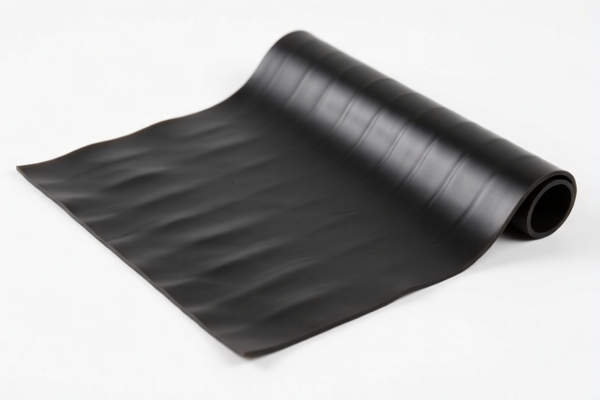
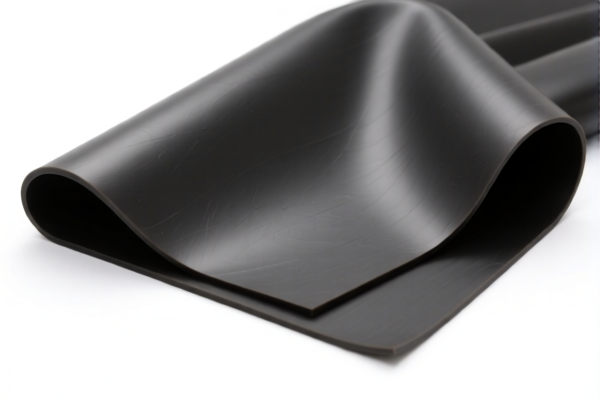
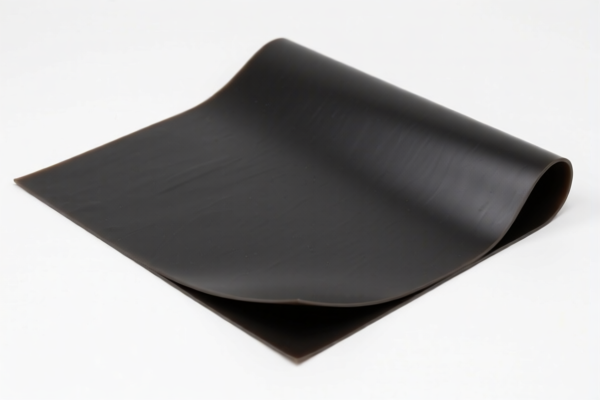
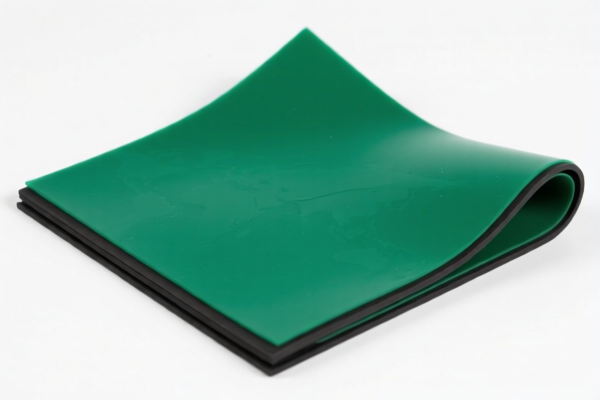
🧪 Carboxylated Styrene Butadiene Rubber (XSBR/XNBR) Sheet
🌐 HS Code Reference & Customs Clearance Guide | 2026 Latest Tariff Analysis | Professional-Level Compliance Strategy
📌 I. Product Definition & Classification: Do You Really Know "Carboxylated Rubber"?
Carboxylated Styrene Butadiene Rubber (often referred to as XSBR or XNBR Sheet) is an advanced synthetic rubber material. It is produced by modifying standard Styrene-Butadiene Rubber (SBR) or Nitrile Butadiene Rubber (NBR) with carboxyl groups (-COOH). This modification significantly enhances its properties, including:
- Adhesion: Superior bonding to metals, fabrics, and other rubbers.
- Oil & Fuel Resistance: Better resistance than standard SBR.
- Abrasion Resistance: Excellent durability for industrial applications.
- Heat Resistance: Improved thermal stability.
In international trade, these sheets are classified based on their state (raw material vs. semi-finished goods) and specific chemical composition. The key distinction lies in whether the product is considered a "primary form" (raw rubber) or a "semi-manufactured article."
⚠️ Key Distinction Point:
- If the rubber is in raw, unvulcanized form (soft, pliable, not yet hardened into a final functional part) → Generally classified under 4002.
- If the rubber is vulcanized (hardened, set shape) or prepared specifically for a machine part → It may fall under 4016 or even a specific machinery part code depending on the final use.
- Sheet Form: Usually implies a flat, unvulcanized or lightly processed state for further manufacturing.
📦 II. HS Code Classification Details (2026 Latest Tariff Authority Comparison)
| HS Code | Product Description | Application Scenario | State of Material |
|---|---|---|---|
4002.20.00.00 |
Styrene-Butadiene Rubber (SBR) and Carboxylated Styrene-Butadiene Rubber (XSBR) in primary forms | Raw rubber sheets, granules, or latex for further processing | ✅ Raw/Primary |
4002.39.00.00 |
Other styrene-butadiene rubber and other diene-unit synthetic rubber (including carboxylated) in primary forms | Specific blends, custom XSBR compounds not falling under 4002.20 | ✅ Raw/Primary |
4016.93.00.00 |
Other articles of vulcanized rubber other than hard rubber | Vulcanized rubber sheets, gaskets, seals, mats | ✅ Vulcanized/Fixed |
4016.99.00.00 |
Other articles of vulcanized rubber other than hard rubber (N.E.C.) | Miscellaneous vulcanized rubber parts | ✅ Vulcanized/Fixed |
3901.10.00.00 |
Incorrect Classification - Ethylene Polymers | ❌ Do not confuse with plastic sheets | ❌ Wrong |
🔍 Critical Reminder:
- Carboxylated SBR (XSBR) is explicitly listed under 4002.20.00.00 if it is in primary form (raw sheet).
- If the sheet is vulcanized (heat-treated to become permanent and rigid/flexible but set), it moves to 4016.93.00.00.
- Most industrial "XSBR Sheets" sold for further processing are raw/unvulcanized, thus 4002.20.00.00 is the most common code.
- Misclassification from 4002 to 4016 can lead to duty discrepancies and customs delays.
💰 III. 2026 Latest Tariff Rate Details (Including Surtaxes & Policy Add-ons)
✅ Applicable Country: United States (US)
✅ Country of Origin: China (CN)
✅ Effective Date: November 10, 2025 onwards (including subsequent imports)
🎯 1. 4002.20.00.00 —— Carboxylated Styrene-Butadiene Rubber (Raw Sheet)
| Item | Content |
|---|---|
| Base Duty Rate | 0% (ad valorem) |
| USITC Surcharge | +25% (Derived from USITC Footnote 9903.01.24) |
| IEEPA Surcharge | +10% (Applied to Chinese/HK products, effective Nov 10, 2025) |
| Total Effective Rate | 35% |
| Tax Calculation | CIF Value × 35% |
| De Minimis Exemption | ❌ Not Eligible (deny_de_minimis) |
| Legal Pathway | IEEPA:9903.01.24 → USITC:4002.20.00.00 → FOOTNOTE:9903.01.24 |
📌 Explanation:
- The "25% USITC Surcharge" is part of the Section 301 tariffs on specific Chinese goods.
- The "10% IEEPA Surcharge" is a separate national security/emergency economic power tariff applied to Chinese imports.
- Total 35% is significant. While the base duty is 0%, the surcharges make it expensive.
- Note: Some specific XSBR products might have been removed from certain lists in recent years, but as of 2026, most synthetic rubber compounds from China remain subject to these surcharges. Check the latest USITC exclusions list.
🎯 2. 4016.93.00.00 —— Vulcanized Rubber Sheets (If Applicable)
| Item | Content |
|---|---|
| Base Duty Rate | 4.2% (Standard MFN Rate) |
| USITC Surcharge | +25% |
| IEEPA Surcharge | +10% |
| Total Effective Rate | 39.2% |
| Tax Calculation | CIF Value × 39.2% |
| De Minimis Exemption | ❌ Not Eligible |
| Legal Pathway | IEEPA:9903.01.24 → USITC:4016.93.00.00 |
📌 Note:
- If your sheet is vulcanized, the base duty is higher (4.2% vs 0%), leading to a higher total tax.
- Always confirm if the sheet is raw (unvulcanized) or vulcanized. Raw is cheaper in base duty, but both attract surcharges.
🛠️ IV. Customs Clearance Practical Advice (Real-World Pitfall Avoidance)
✅ 1. Document Checklist (Mandatory)
| Document | Required | Description |
|---|---|---|
| ✅ Material Safety Data Sheet (MSDS) | ✔️ | Proves chemical composition, confirms no hazardous restrictions. |
| ✅ Technical Data Sheet (TDS) | ✔️ | Specifies whether the sheet is raw/unvulcanized or vulcanized. Crucial for HS Code selection. |
| ✅ Commercial Invoice | ✔️ | Must clearly state: "Carboxylated Styrene Butadiene Rubber Sheet, Unvulcanized, Raw Form" |
| ✅ Certificate of Origin (CO) | ✔️ | Mandatory for proving Chinese origin (to apply correct surcharges). |
| ✅ Packing List | ✔️ | Net weight and gross weight must be accurate for duty calculation. |
| ✅ Test Report | ✔️ | ASTM D2000 or equivalent, showing chemical composition (SBR/XSBR blend). |
✅ 2. Declaration Tips (Key Mnemonic)
🔥 "Raw Sheet = 4002, Vulcanized = 4016, Declare State, Avoid Fines!"
| Scenario | Correct Declaration | Wrong Practice |
|---|---|---|
| Raw, soft, pliable sheet | 4002.20.00.00 "Unvulcanized XSBR Sheet" |
Declaring as 4016 → Unnecessary higher base duty |
| Hardened, set-shape sheet | 4016.93.00.00 "Vulcanized Rubber Sheet" |
Declaring as 4002 → Misclassification, penalty risk |
| Mixed with plastic | Check composition >50% rubber | Misdeclaring as plastic (39) → High compliance risk |
| Small samples for testing | Still declare accurately | Using de minimis ($800) → Deny de minimis for rubber |
✅ 3. Special Handling Cases
| Situation | Handling Advice |
|---|---|
| OEM Custom Compounds | Provide detailed formula sheets to prove it is XSBR, not generic SBR, if claiming specific sub-headings. |
| Re-Export | If imported for immediate re-export, consider Duty Drawback programs, but surcharges are rarely refundable. |
| Antidumping (AD)/Countervailing Duty (CVD) | Check if specific Chinese XSBR plants are on the AD/CVD list. Some SBR/XSBR producers face additional duties. |
| Environmental Regulations | Ensure no restricted substances (e.g., PAHs) exceed EU/US limits. Provide RoHS/REACH compliance if needed. |
🌍 V. Global Customs Clearance Comparison (2026 Latest)
| Country/Region | Recommended HS Code | Tariff (China Origin) | Certification Requirements | Notes |
|---|---|---|---|---|
| 🇺🇸 USA | 4002.20.00.00 |
35% (0% base + 25% + 10%) | None specific for rubber, but MSDS required | High surcharges; check AD/CVD list |
| 🇪🇺 EU | 4002.20.00 |
4.2% (Standard MFN) | REACH Registration | No Section 301-style surcharges |
| 🇨🇳 China | 4002.20.00 |
0% | CCC (if for specific end-use) | Import duty may be 0-5% |
| 🇬🇧 UK | 4002.20.00 |
4.0% | UKCA (if finished goods) | Post-Brexit tariffs apply |
| 🇲🇽 Mexico | 4002.20.00 |
0% (under USMCA if qualifying) | NOM Certifications | Check USMCA rules of origin |
📌 Conclusion:
- USA imposes the highest effective duty due to IEEPA + USITC surcharges.
- EU and UK have standard MFN rates (~4.2%) and no political surcharges.
- China itself often has low or zero import duties on raw rubber materials.
📌 VI. Common Errors & Pitfall Guide (Lessons Learned)
❌ Error 1: Declaring Vulcanized sheets as Raw Rubber (4002)
👉 Consequence: Customs may reject the entry, demand reclassification to 4016 (higher base duty), and impose penalties.
❌ Error 2: Ignoring AD/CVD Measures
👉 Consequence: Many Chinese SBR/XSBR producers are subject to Antidumping Duties (e.g., 10-50%+). If you miss this, you will face retroactive duties + interest.
❌ Error 3: Vague Description "Rubber Sheet"
👉 Consequence: Customs cannot determine if it is XSBR, NBR, or EPDM. Leads to examination delays and potential misclassification.
❌ Error 4: Assuming De Minimis Applies
👉 Consequence: Rubber products from China are not eligible for the $800 de minimis exemption. Small shipments will still be taxed and inspected.
✅ Correct Practice:
"Carboxylated Styrene Butadiene Rubber (XSBR) Sheet, Unvulcanized, Raw Form, ASTM D2000 Grade, Model XYZ, No PAHs, MSDS Attached"
🎯 VII. Conclusion: Precise Classification Saves Costs!
🎯 Remember the Mnemonic:
🔹 "Raw = 4002, Vulc = 4016, Check AD/CVD, Surcharges Kill!"
🔹 "HS Code determines duty, State of Matter is Key, AD/CVD can be Double Tax!"
📌 Pro Tip:
If your XSBR sheets are intended for use in tires, belts, or hoses, consider if they are considered "parts of machinery" under Chapter 84 or 85 after processing. However, the sheet itself remains a Chapter 40 good.
For US imports, verify the specific producer against the USITC AD/CVD database before shipping to avoid surprise liabilities.
📣 Immediate Action:
📞 Contact a licensed customs broker + Provide TDS/MSDS + Verify AD/CVD Status for your Supplier
🚀 Ensure your XSBR Sheets clear customs smoothly, avoid penalties, and optimize your landed cost!
✨ Professional Clearance Starts with Accurate Classification!
💼 Your Margins Depend on Precise Tariff Calculation!
用户评价
关于 HS 编码归类
协调制度(HS)是由世界海关组织(WCO)制定的国际贸易商品分类标准。全球 200 多个国家采用 HS 系统作为海关关税、贸易统计和进出口监管的基础。
每个 HS 编码遵循以下层级结构:
- 章(2 位)——商品大类(例如:第 84 章:机器和机械设备)
- 品目(4 位)——章内的更具体分类
- 子目(6 位)——国际通用细分,所有 WCO 成员国统一使用
- 本国细分(8-10 位)——各国自行扩展的细分编码,如美国 HTSUS 10 位编码
正确的 HS 编码归类对于顺利通关、准确缴纳关税和遵守贸易法规至关重要。错误归类可能导致海关延误、多缴关税或罚款。
从CN进口到US时,适用的关税税率可能包括:
- 最惠国(MFN)税率——适用于 WTO 成员国的标准关税税率
- 普通税率——适用于无贸易协定国家
- 贸易救济关税——附加关税,如 301 条款(反倾销)、232 条款(国家安全)或反补贴税
本页内容仅供参考。如需正式归类,请咨询当地海关或持牌报关代理。