Carpet Protector Pad
CN → US| HS编码 | 关税税率 | 原产国 | 目的国 | 文档 |
|---|---|---|---|---|
| 6304910170 | 23.3% | CN | US | 官方文档 |
| 4016990500 | 20.9% | CN | US | 官方文档 |
| 3926909950 | 22.8% | CN | US | 官方文档 |
| 3926909989 | 22.8% | CN | US | 官方文档 |
| 4016996050 | 37.5% | CN | US | 官方文档 |
商品图片
AI分析
🛡️ Carpet Protector Pad (Furniture Protection Mat)
🌐 HS Code Reference & Customs Clearance Guide | 2026 Latest Tariff Analysis | Professional Compliance Strategy
📌 I. Product Definition: What is a "Carpet Protector Pad"?
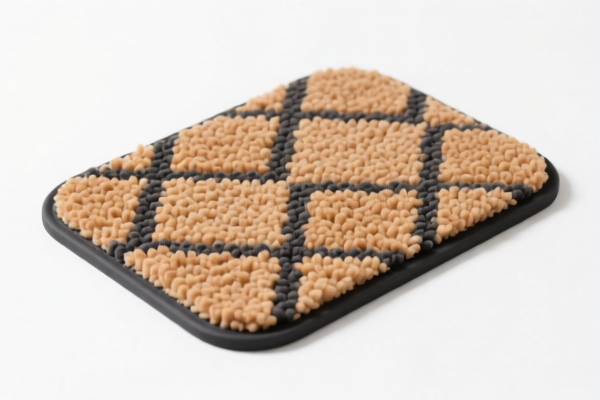
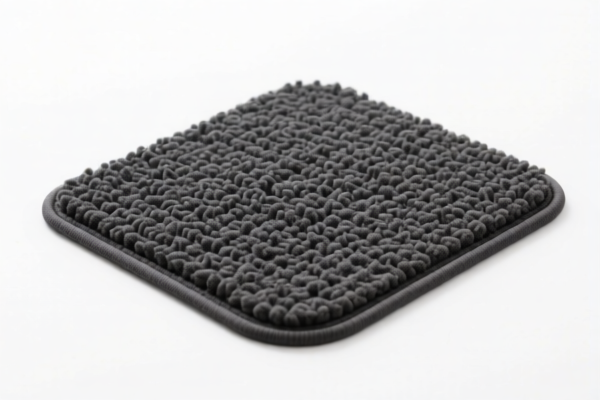
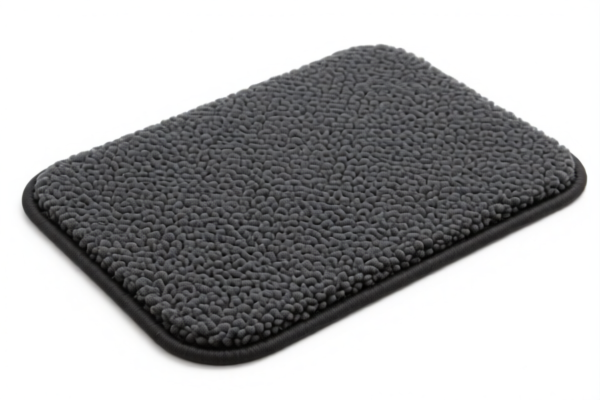
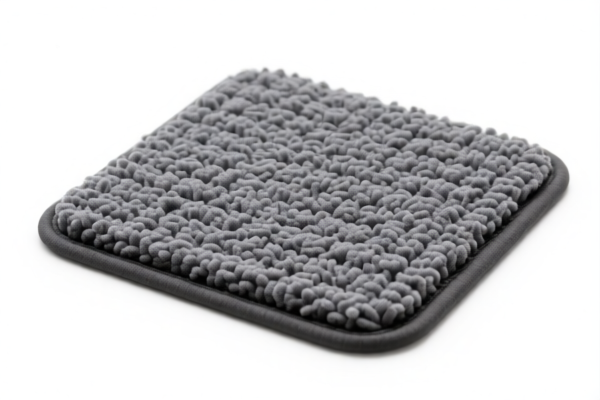
Carpet protector pads are essential accessories in the furniture and home décor industry. They are placed under furniture legs to prevent floor damage, reduce noise, and stabilize items. In international trade, these products are often ambiguous due to varying materials (rubber, plastic, fabric, etc.) and functions (grip, cushion, floor protection).
Classification Ambiguity:
Because the primary material determines the HS Code, these pads fall into different categories depending on whether they are primarily textile-based, rubber-based, or plastic-based.
⚠️ Key Distinction:
- Fabric/Fiber-based pads: Often classified under Chapter 63 (Other made-up textile articles).
- Rubber-based pads: Classified under Chapter 40 (Articles of vulcanized rubber).
- Plastic-based pads: Classified under Chapter 39 (Articles of plastics).
📦 II. HS Code Classification Matrix (Based on Provided Data)
| HS Code | Material/Functional Basis | Summary from Data | Total Tax Rate |
|---|---|---|---|
6304.91.01.70 |
Textile/Fabric | Judged as furniture decoration/supplies; fits "other textile furniture articles" (catch-all). | 23.3% |
4016.99.05.00 |
Rubber | Rational inference of material based on use; pads are often rubber/plastic, fitting "vulcanized rubber articles" (catch-all). | 20.9% |
3926.90.99.50 |
Plastic (Functional Match) | Matches usage with medical positioning or transport pads; high functional consistency. | 22.8% |
3926.90.99.89 |
Plastic (Material Inference) | Common sense inference: synthetic materials like plastic/rubber; fits "articles of other materials" (catch-all). | 22.8% |
4016.99.60.50 |
Rubber (High Surcharge) | Inferred as rubber based on functional attributes; fits "other vulcanized rubber articles." | 37.5% |
🔍 Critical Note:
- The total tax rates vary significantly (20.9% – 37.5%) due to the inclusion of Section 301 (Additional Duties) and Section 122 Duties. - The specific HS Code depends heavily on the primary material composition declared by the manufacturer.
💰 III. Detailed Tax Breakdown (2026 Latest Tariff Rules)
✅ Applicable Country: United States (US)
✅ Origin: China (CN)
✅ Tax Structure: Base Tariff + Section 301 (7.5%) + Section 122 (10%)
🎯 1. 6304.91.01.70 – Textile Furniture Accessories
| Item | Detail |
|---|---|
| Base Tariff | 5.8% |
| Section 301 Duty | +7.5% |
| Section 122 Duty | +10% |
| Total Rate | 23.3% |
| Legal Path | HTS:6304.91.01.70 → SEC301:7.5% → SEC122:10% |
📌 Explanation:
- Classified under "Other made-up furnishings of textiles."
- Subject to all three tariff layers.
- Risk: If customs determines the pad is primarily rubber (not textile), this classification may be challenged, leading to reclassification to Chapter 40 or 39.
🎯 2. 4016.99.05.00 – Rubber Articles (Other)
| Item | Detail |
|---|---|
| Base Tariff | 3.4% |
| Section 301 Duty | +7.5% |
| Section 122 Duty | +10% |
| Total Rate | 20.9% |
| Legal Path | HTS:4016.99.05.00 → SEC301:7.5% → SEC122:10% |
📌 Explanation:
- This is the lowest total tax rate among the provided options.
- Suitable for pads made primarily of vulcanized rubber or rubber blends.
- Tip: If your product is rubber-heavy, this is the most cost-effective classification.
🎯 3. 3926.90.99.50 – Plastic Articles (Functional Match)
| Item | Detail |
|---|---|
| Base Tariff | 5.3% |
| Section 301 Duty | +7.5% |
| Section 122 Duty | +10% |
| Total Rate | 22.8% |
| Legal Path | HTS:3926.90.99.50 → SEC301:7.5% → SEC122:10% |
📌 Explanation:
- Justified by functional similarity to medical or transport positioning pads.
- Requires strong documentation proving the plastic composition and specific functional use.
- Risk: Customs may scrutinize the "medical/transport" justification if the product is clearly a standard furniture pad.
🎯 4. 3926.90.99.89 – Plastic Articles (Catch-All)
| Item | Detail |
|---|---|
| Base Tariff | 5.3% |
| Section 301 Duty | +7.5% |
| Section 122 Duty | +10% |
| Total Rate | 22.8% |
| Legal Path | HTS:3926.90.99.89 → SEC301:7.5% → SEC122:10% |
📌 Explanation:
- A general "catch-all" for plastic articles not specified elsewhere.
- Relies on common-sense material inference (plastic/rubber synthetics).
- Advantage: Broad applicability for mixed-material plastic pads.
🎯 5. 4016.99.60.50 – Rubber Articles (High Surcharge)
| Item | Detail |
|---|---|
| Base Tariff | 2.5% |
| Section 301 Duty | +25.0% |
| Section 122 Duty | +10% |
| Total Rate | 37.5% |
| Legal Path | HTS:4016.99.60.50 → SEC301:25% → SEC122:10% |
📌 Explanation:
- Highest tax rate in the dataset.
- The Section 301 duty is 25% (likely due to specific sub-category restrictions or outdated footnote application).
- Avoid unless your product fits this specific sub-heading perfectly and cannot be reclassified to4016.99.05.00.
🛠️ IV. Customs Clearance Practical Advice
✅ 1. Documentation Checklist (Non-Negotiable)
| Document | Requirement | Purpose |
|---|---|---|
| Product Specification Sheet | ✔️ Must detail material composition (e.g., "100% Vulcanized Rubber" or "Polyethylene Foam"). | Critical for correct HS Code determination. |
| Material Composition Test Report | ✔️ Third-party lab report confirming % of rubber vs. plastic vs. textile. | Prevents misclassification disputes. |
| Commercial Invoice | ✔️ Clear description: "Furniture Floor Protector Pad, Material: [X], Color: [Y]." | Avoids vague descriptions like "Home Accessory." |
| Product Photos | ✔️ Top, side, and close-up shots of material texture. | Visual proof of material type. |
| Usage Description | ✔️ "Used under chair legs to protect carpet and reduce noise." | Supports functional justification (especially for 3926.90.99.50). |
✅ 2. Classification Strategy (How to Save Money)
| Scenario | Recommended HS Code | Strategy |
|---|---|---|
| Mostly Rubber | 4016.99.05.00 |
Best Choice: Lowest total tax (20.9%). Ensure rubber content is dominant. |
| Mostly Plastic | 3926.90.99.89 |
Safe Choice: Standard plastic articles tax (22.8%). Easier to justify than functional match. |
| Mostly Fabric | 6304.91.01.70 |
Moderate Tax: 23.3%. Ensure no significant rubber/plastic backing that would shift classification to Ch. 39/40. |
| Mixed Materials | Evaluate Dominant Material | If materials are equal, customs may use the "essential character" test. Prefer Rubber or Plastic if you can argue functional dominance. |
| Avoid | 4016.99.60.50 |
Too Expensive: 37.5% total tax. Only use if legally required by specific sub-heading rules. |
🔥 Pro Tip:
- Do NOT split shipments to use lower-rate codes if the product is single-purpose. CBP (Customs and Border Protection) will consolidate and assess higher duties.
- Request a Binding Tariff Ruling from CBP if you are importing large volumes. This provides legal certainty for your chosen HS Code.
✅ 3. Common Pitfalls & Avoidance
| Mistake | Consequence | Solution |
|---|---|---|
| Mislabeling Material | Claiming "Plastic" when it's 60% Rubber → Reclassified to Ch. 40 + Penalties. | Provide accurate material test reports. |
| Vague Description | "Home Decor Item" → Customs assigns highest general duty. | Use specific terms: "Vulcanized Rubber Furniture Pad." |
| Ignoring Section 122 | Forgetting the 10% surcharge → Underpayment → Hold. | Always calculate Total Tax = Base + 301 + 122. |
| Using High-Surcharge Code | Using 4016.99.60.50 (37.5%) when 4016.99.05.00 (20.9%) applies. |
Double-check sub-heading notes for duty rate differences. |
🌍 V. Global Market Comparison (Quick Reference)
| Market | Typical HS Code for Rubber Pads | Base Duty | US Special Duties (301+122) | Total Impact |
|---|---|---|---|---|
| 🇺🇸 USA | 4016.99.05.00 |
3.4% | +17.5% (7.5% + 10%) | 20.9% |
| 🇨🇳 China | 4016.99.00.00 |
15% | N/A | 15% |
| 🇪🇺 EU | 4016.93.00 |
0-4.5% | N/A | 0-4.5% |
| 🇬🇧 UK | 4016.93.00 |
0-5% | N/A | 0-5% |
📌 Insight:
- The US market is the most expensive due to Section 301 and Section 122 duties.
- EU and UK have significantly lower duties for rubber/plastic articles, making them more attractive for export if supply chain allows.
📌 VI. Final Recommendations & Action Items
🎯 Step-by-Step Clearance Plan
- Identify Primary Material:
- Is it >50% Rubber? → Target
4016.99.05.00. - Is it >50% Plastic? → Target
3926.90.99.89. -
Is it >50% Textile? → Target
6304.91.01.70. -
Calculate Landed Cost:
- Include CIF Value + Total Duty (20.9%–23.3%) + Fees.
-
Avoid
4016.99.60.50unless necessary. -
Prepare Documentation:
- Ensure invoice matches HS Code description.
-
Attach material composition certificate.
-
Consult Broker:
- If material is mixed, ask your customs broker for a pre-filing opinion.
🎯 Conclusion: Precision Pays Off
🎯 Remember:
🔹 "Material is King, Description is Queen."
🔹 "Rubber Pad? Aim for 20.9%, not 37.5%!"
🔹 "Plastic? Use 22.8% Catch-All, not generic errors."
📌 Pro Tip:
If you are unsure about the material composition, conduct a lab test before shipping. A $200 test report can save thousands in misclassification penalties and duties.
📣 Take Action Now:
📞 Contact your customs broker with the material spec sheet.
📄 Apply for a Binding Ruling if your annual volume exceeds $100,000.
🚀 Optimize your HS Code to secure the 20.9% rate where possible.
✨ Smart Classification = Lower Costs + Faster Clearance
💼 Your Profit Margin Depends on the Digit.
用户评价
关于 HS 编码归类
协调制度(HS)是由世界海关组织(WCO)制定的国际贸易商品分类标准。全球 200 多个国家采用 HS 系统作为海关关税、贸易统计和进出口监管的基础。
每个 HS 编码遵循以下层级结构:
- 章(2 位)——商品大类(例如:第 84 章:机器和机械设备)
- 品目(4 位)——章内的更具体分类
- 子目(6 位)——国际通用细分,所有 WCO 成员国统一使用
- 本国细分(8-10 位)——各国自行扩展的细分编码,如美国 HTSUS 10 位编码
正确的 HS 编码归类对于顺利通关、准确缴纳关税和遵守贸易法规至关重要。错误归类可能导致海关延误、多缴关税或罚款。
从CN进口到US时,适用的关税税率可能包括:
- 最惠国(MFN)税率——适用于 WTO 成员国的标准关税税率
- 普通税率——适用于无贸易协定国家
- 贸易救济关税——附加关税,如 301 条款(反倾销)、232 条款(国家安全)或反补贴税
本页内容仅供参考。如需正式归类,请咨询当地海关或持牌报关代理。