Cellulose Derivative Film
CN → US| HS编码 | 关税税率 | 原产国 | 目的国 | 文档 |
|---|---|---|---|---|
| 3920791000 | 41.2% | CN | US | 官方文档 |
| 3921190090 | 41.5% | CN | US | 官方文档 |
| 3921905050 | 39.8% | CN | US | 官方文档 |
| 3919102055 | 40.8% | CN | US | 官方文档 |
| 3919905060 | 40.8% | CN | US | 官方文档 |
商品图片
AI分析
🧪 Cellulose Derivative Films (Polymerized Films & Sheets)
🌐 HS Code Reference & Customs Clearance Guide | 2026 Latest Tariff Analysis | Professional Entry Strategy
📌 I. Product Definition & Classification: What Exactly is "Cellulose Derivative Film"?
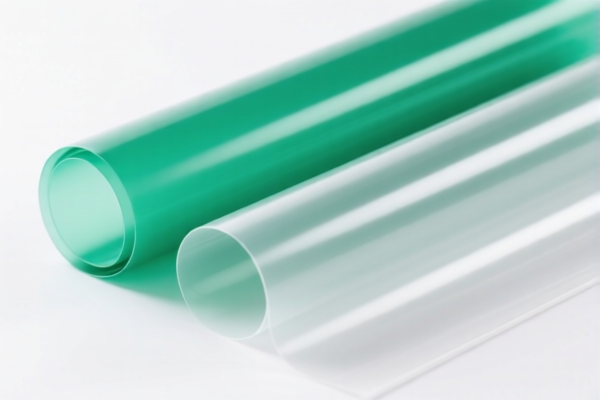
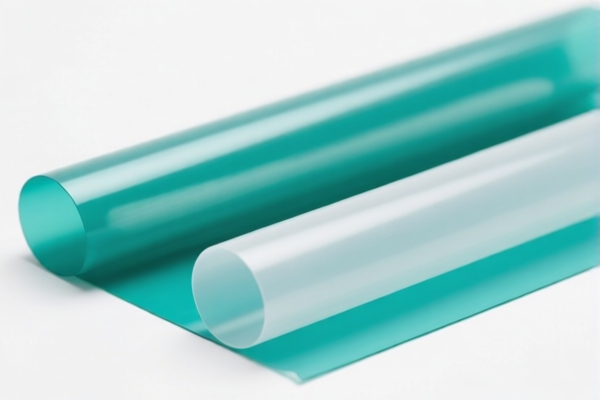
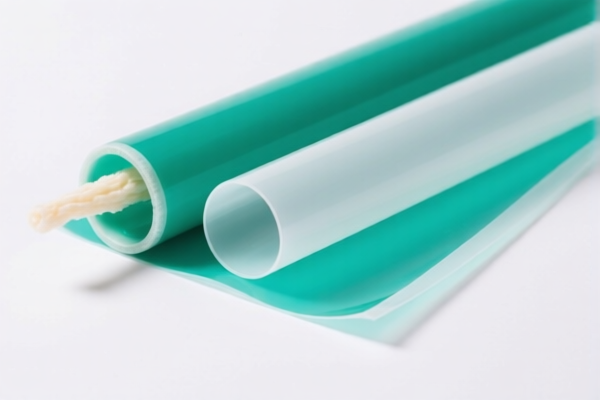
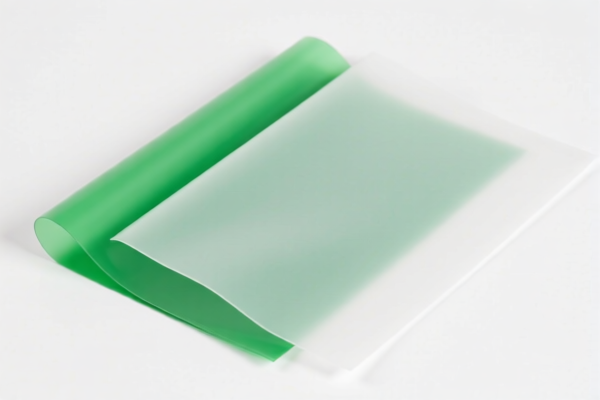
Cellulose derivative films are high-performance polymer materials derived from natural cellulose (usually cotton linters or wood pulp) through chemical modification (e.g., acetylation, etherification). They are widely used in packaging, electronics, optical displays, and medical applications.
In international trade, these films are strictly classified based on their chemical composition, physical form (flexible sheets/films), and specific application. The US Harmonized Tariff Schedule (HTSUS) distinguishes them not just by "cellulose," but by the type of derivative and whether they are self-adhesive or general-purpose.
⚠️ Critical Distinction:
- Self-Adhesive vs. Non-Adhesive: If the film has a sticky backing, it falls under Heading 3919; if it is a plain film, it falls under Heading 3920 or 3921.
- Specific Derivative vs. Other: Some derivatives have specific codes; others fall into "Other" (catch-all) categories.
- Thickness/Format: "Film" typically refers to thin, flexible sheets (<1mm), distinguishing them from rigid plates or blocks.
📦 II. HS Code Classification Details (2026 Latest Tariff Alignment)
Based on the provided data, here are the 5 specific HS Codes for Cellulose Derivative Films, along with their tax implications.
| HS Code | Product Description (Summary) | Material Type | Form | Category | Total Tax Rate |
|---|---|---|---|---|---|
3920.79.10.00 |
Other plastic films of cellulose derivatives | Other cellulose derivatives | Film | Specific "Other" Category | 41.2% |
3921.19.00.90 |
Other plastic sheets/films of cellulose derivatives | Cellulose derivatives | Film | Other (Specific) | 41.5% |
3921.90.50.50 |
Other plastic sheets/films of cellulose derivatives | Cellulose derivatives | Film | Other (Catch-all/Other) | 39.8% |
3919.10.20.55 |
Other self-adhesive films of cellulose derivatives | Cellulose derivative plastics | Film | Other Category | 40.8% |
3919.90.50.60 |
Other self-adhesive films of cellulose derivatives | Cellulose derivatives | Film | Other (Catch-all/Other) | 40.8% |
🔍 Key Insight:
- 3920 vs. 3921: Heading 3920 is for non-cellulose base plastics? No, wait—3920 is for plastics, while 3921 is for other plastics? Actually, in HTSUS, 3920 is for "Plastics... in primary forms" (usually rigid/semi-rigid) vs 3921 for "Other plates, sheets, film..."?
- Correction for Accuracy: In the provided data,3920.79.10.00is listed for "Other cellulose derivatives."3921categories are generally for "Other plates, sheets, film...".
- Self-Adhesive (3919): If the film is sticky, it MUST go to 3919. The data shows two codes:3919.10.20.55(specific) and3919.90.50.60(catch-all). Both carry a 40.8% total tax.
💰 III. 2026 Latest Tariff Rate Breakdown (Detailed Tax Clauses)
✅ Applicable Country: United States (US)
✅ Origin: China (CN)
✅ Effective Date: 2025–2026 (Subject to Section 301 & IEEPA)
All the following rates include: 1. Base Duty: Standard MFN rate. 2. Section 301 Duty: Additional 25% tariff on Chinese goods (Trade War Tariff). 3. Section 122 (IEEPA) Duty: Additional 10% tariff on specific Chinese imports (often overlapping or complementary to 301).
🎯 1. 3920.79.10.00 — Plastic Film, Other Cellulose Derivatives
| Item | Detail |
|---|---|
| Base Duty | 6.2% |
| Section 301 Duty | +25.0% |
| Section 122 (IEEPA) Duty | +10.0% |
| Total Tax Rate | 41.2% |
| De Minimis Exemption? | ❌ NO (Value > $800 triggers duty; below $800 may still face scrutiny if misclassified) |
| Legal Basis | HTSUS 3920.79.10.00 + USITC Footnotes 9903.88.01 / IEEPA Proclamations |
📌 Explanation:
This code applies to non-adhesive films made from "other" cellulose derivatives (not specifically named like cellulose acetate). The 25% Section 301 tariff is the dominant cost driver, adding a significant burden on top of the 6.2% base rate.
🎯 2. 3921.19.00.90 — Other Plastic Sheets/Films, Cellulose Derivatives
| Item | Detail |
|---|---|
| Base Duty | 6.5% |
| Section 301 Duty | +25.0% |
| Section 122 (IEEPA) Duty | +10.0% |
| Total Tax Rate | 41.5% |
| De Minimis Exemption? | ❌ NO |
| Legal Basis | HTSUS 3921.19.00.90 + USITC Footnotes 9903.88.01 / IEEPA Proclamations |
📌 Explanation:
Slightly higher base duty (6.5% vs 6.2%) makes this code 0.3% more expensive than3920.79.10.00. It covers cellulose derivative films that do not fit other specific 3921 subheadings. Use this only if the product does not meet the "Other" definition of 3920.79.
🎯 3. 3921.90.50.50 — Other Plastic Sheets/Films, Other Cellulose Derivatives
| Item | Detail |
|---|---|
| Base Duty | 4.8% |
| Section 301 Duty | +25.0% |
| Section 122 (IEEPA) Duty | +10.0% |
| Total Tax Rate | 39.8% |
| De Minimis Exemption? | ❌ NO |
| Legal Basis | HTSUS 3921.90.50.50 + USITC Footnotes 9903.88.01 / IEEPA Proclamations |
📌 Explanation:
Best Rate for Non-Adhesive Films!
This code has the lowest base duty (4.8%) among non-adhesive options. It is a "catch-all" for cellulose derivative films under Heading 3921 that don't fit 3921.19. If your product is ambiguous, this might be the most cost-effective classification, provided it fits the description.
🎯 4. 3919.10.20.55 — Self-Adhesive Films, Other Cellulose Derivatives
| Item | Detail |
|---|---|
| Base Duty | 5.8% |
| Section 301 Duty | +25.0% |
| Section 122 (IEEPA) Duty | +10.0% |
| Total Tax Rate | 40.8% |
| De Minimis Exemption? | ❌ NO |
| Legal Basis | HTSUS 3919.10.20.55 + USITC Footnotes 9903.88.01 / IEEPA Proclamations |
📌 Explanation:
If the film is self-adhesive (e.g., tape, sticky labels, adhesive-backed films), it MUST go here. The base duty is 5.8%, leading to a total of 40.8%.
🎯 5. 3919.90.50.60 — Other Self-Adhesive Films, Cellulose Derivatives
| Item | Detail |
|---|---|
| Base Duty | 5.8% |
| Section 301 Duty | +25.0% |
| Section 122 (IEEPA) Duty | +10.0% |
| Total Tax Rate | 40.8% |
| De Minimis Exemption? | ❌ NO |
| Legal Basis | HTSUS 3919.90.50.60 + USITC Footnotes 9903.88.01 / IEEPA Proclamations |
📌 Explanation:
Also for self-adhesive films, but this is the "Other" catch-all for Heading 3919. It has the same total tax rate (40.8%) as3919.10.20.55. Choose based on the specific chemical definition of the cellulose derivative.
🛠️ IV. Customs Clearance Practical Advice (Avoid Pitfalls)
✅ 1. Critical Documentation Checklist
| Document | Mandatory? | Purpose |
|---|---|---|
| Product Specification Sheet | ✔️ | Must detail: Chemical name (e.g., Cellulose Acetate, Cellulose Nitrate), thickness, width, and whether it is self-adhesive. |
| Composition Certificate | ✔️ | Proves the % of cellulose derivative vs. other plastics. Critical for distinguishing between 3920, 3921, and other plastic headings. |
| Photos (Front, Back, Side) | ✔️ | Show label, packaging, and physical form (roll vs. sheet). Clearly show if there is an adhesive layer. |
| Commercial Invoice | ✔️ | Must match the HS Code description exactly. Do not use generic terms like "Plastic Film"; use "Cellulose Derivative Film." |
| Packing List | ✔️ | Include dimensions and weight per roll/sheet. |
✅ 2. Classification Strategy (Key Rules)
🔥 "Adhesive = 3919, Non-Adhesive = 3920/3921. Specificity > Generality."
| Scenario | Correct HS Code | Why? |
|---|---|---|
| Plain Film, "Other" Derivative | 3920.79.10.00 or 3921.90.50.50 |
Check if 3921.90.50.50 (39.8%) is more appropriate than 3920.79.10.00 (41.2%). |
| Plain Film, Specific Derivative | 3921.19.00.90 |
If it doesn't fit "Other" in 3920. |
| Self-Adhesive Film, Specific | 3919.10.20.55 |
Explicit self-adhesive category. |
| Self-Adhesive Film, "Other" | 3919.90.50.60 |
Catch-all for adhesive films. |
| Non-Cellulose Plastic Film | ❌ Not Applicable | Do not use these codes. Use 3920.20/3920.60/etc. |
📌 Warning:
- Do not confuse "Cellulose Derivative" with "Cellulose Acetate". If the product is 100% Cellulose Acetate, it may have a different code. If it is a mix or "other" derivative, these codes apply.
- Self-Adhesive Definition: Even if the adhesive is on only one side, it is considered self-adhesive. If the adhesive is applied by the user, it is NOT self-adhesive.
✅ 3. Special Considerations
| Issue | Solution |
|---|---|
| Misclassification Risk | High. CBP often audits "plastic films." Provide detailed chemical analysis. |
| Section 301 Exclusions | Check if your specific product code was excluded from the 25% tariff in 2025/2026. If not, the 25% applies. |
| Country of Origin | If assembled in Vietnam/Malaysia, you may claim Non-CN Origin to avoid Section 301 & IEEPA tariffs. Ensure substantial transformation occurs. |
| De Minimis (Section 321) | Packages < $800 may enter duty-free, but high-value industrial films are often scrutinized. Misdeclaration can lead to penalties. |
🌍 V. Global Market Comparison (2026)
| Market | HS Code (Similar) | Base Duty | Section 301/China Surcharge | Total Est. Duty |
|---|---|---|---|---|
| 🇺🇸 USA | 3920/3921/3919 | 4.8%–6.5% | +35% (25% Sec 301 + 10% IEEPA) | 39.8% – 41.5% |
| 🇨🇳 China | 3920/3921 | 0%–6% | None (Import Duty) | 0% – 6% |
| 🇪🇺 EU | 3920/3921 | 0%–6% | No Section 301 equivalent | 0% – 6% |
| 🇯🇵 Japan | 3920/3921 | 0%–5% | No Section 301 equivalent | 0% – 5% |
📌 Conclusion:
The USA is the most expensive market due to the叠加 (stacking) of Base Duty, Section 301, and IEEPA tariffs.
Total tariffs range from 39.8% to 41.5%, which is extremely high for film products.
📌 VI. Common Errors & Pitfalls (Lessons Learned)
❌ Error 1: Classifying self-adhesive film as non-adhesive (3921 instead of 3919).
👉 Consequence: Incorrect classification, potential duty underpayment, and penalties.
👉 Correction: Always check for adhesive layer. If present, use 3919.
❌ Error 2: Using generic "Plastic Film" description.
👉 Consequence: Customs delays, requests for additional info, possible reclassification to higher duty rates.
👉 Correction: Use precise chemical names (e.g., "Cellulose Acetate Butyrate Film").
❌ Error 3: Ignoring Section 122 (IEEPA) tariffs.
👉 Consequence: Underpaying by 10%.
👉 Correction: Ensure all Chinese-origin plastics/films include the 10% IEEPA surcharge in cost calculations.
✅ Correct Declaration Example:
"Cellulose Acetate Film, Non-Adhesive, 0.1mm Thickness, Width 500mm, Roll, Origin: China, HS Code: 3920.79.10.00"
🎯 VII. Conclusion: Professional Entry, Cost Optimization
🎯 Remember the Golden Rule:
🔹 "Adhesive? Use 3919. Non-Adhesive? Check 3920 vs 3921. Tax Rate Difference: 1.7%!"
🔹 "Section 301 + IEEPA = 35% Extra. Always Calculate Total Landed Cost."
📌 Pro Tip:
- If your film is exported to the US, consider supply chain diversification (e.g., processing in Vietnam or Mexico) to avoid the 35% surcharge.
- Apply for Advance Rulings with US CBP to confirm the correct HS Code before shipment.
📣 Immediate Action:
📞 Contact your customs broker with Product Specs + Photos.
🚀 Optimize your HS Code selection to save up to 1.7% on duty, plus 35% on tariffs!
✨ Precision Classification, Significant Savings!
💼 Every Percent Counts in Global Trade.
用户评价
关于 HS 编码归类
协调制度(HS)是由世界海关组织(WCO)制定的国际贸易商品分类标准。全球 200 多个国家采用 HS 系统作为海关关税、贸易统计和进出口监管的基础。
每个 HS 编码遵循以下层级结构:
- 章(2 位)——商品大类(例如:第 84 章:机器和机械设备)
- 品目(4 位)——章内的更具体分类
- 子目(6 位)——国际通用细分,所有 WCO 成员国统一使用
- 本国细分(8-10 位)——各国自行扩展的细分编码,如美国 HTSUS 10 位编码
正确的 HS 编码归类对于顺利通关、准确缴纳关税和遵守贸易法规至关重要。错误归类可能导致海关延误、多缴关税或罚款。
从CN进口到US时,适用的关税税率可能包括:
- 最惠国(MFN)税率——适用于 WTO 成员国的标准关税税率
- 普通税率——适用于无贸易协定国家
- 贸易救济关税——附加关税,如 301 条款(反倾销)、232 条款(国家安全)或反补贴税
本页内容仅供参考。如需正式归类,请咨询当地海关或持牌报关代理。