Cellulose Pulp Wet Process
CN → US| HS编码 | 关税税率 | 原产国 | 目的国 | 文档 |
|---|---|---|---|---|
| 4706920100 | 35.0% | CN | US | 官方文档 |
| 4706930100 | 35.0% | CN | US | 官方文档 |
| 4703110000 | 35.0% | CN | US | 官方文档 |
| 4703190000 | 35.0% | CN | US | 官方文档 |
| 4706920100 | 35.0% | CN | US | 官方文档 |
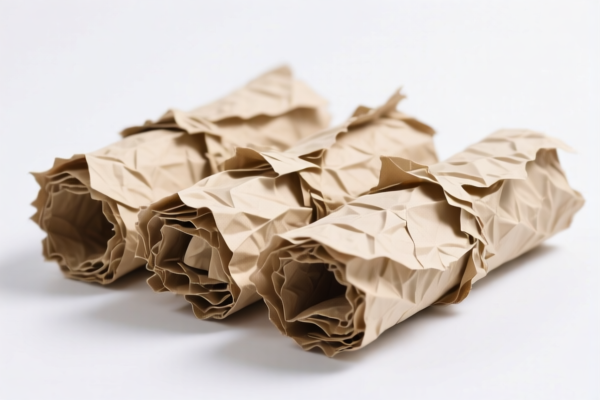
商品图片



AI分析
🌿 Cellulose Pulp (Wet Process) | Chemical Wood Pulp & Fiber Preparations
🌐 HS Code Reference & Customs Clearance Guide | 2024/2025 Tariff Analysis | Professional Clearance Strategy
📌 I. Product Definition & Classification: What is "Wet Process Cellulose Pulp"?
Cellulose pulp is the fundamental raw material for paper, cardboard, and packaging manufacturing. The "Wet Process" refers to the production method where wood chips or fibers are chemically or mechanically digested in a liquid medium (water), resulting in a slurry or paste that is subsequently washed, screened, and refined.
In international trade, this product is strictly classified based on: 1. Raw Material Source: Wood (chemical/mechanical) vs. Non-wood (cellulose fibers). 2. Chemical Nature: Dissolving grade (for textiles/filters) vs. Non-dissolving grade (for paper). 3. State: Dry (bales) vs. Wet (slurry/paste).
⚠️ Key Distinction Point:
- If the product is Chemical Wood Pulp (unbleached or bleached), it falls under Heading 4703.
- If the product is Cellulose Fiber Pulp derived from non-wood sources or mixed waste, it falls under Heading 4706.
- Do not confuse "Wet Process" with mechanical grinding; while mechanical pulps exist, the specific HS codes provided below highlight Chemical Pulp and Fiber Pulp characteristics.
📦 II. HS Code Classification Details (Latest Tariff Schedule)
| HS Code | Product Description | Applicable Scenario | Chemical vs. Mechanical |
|---|---|---|---|
4703.11.00.00 |
Chemical Wood Pulp, Unbleached | Sulfite or Kraft process; raw wood chips converted to chemical pulp; wet state or dried bales. | ✅ Chemical |
4703.19.00.00 |
Other Chemical Wood Pulp (Non-Dissolving) | Bleached or semi-bleached wood pulp not intended for dissolving purposes; matches non-dissolving grade attributes. | ✅ Chemical |
4706.92.01.00 |
Cellulose Fiber Pulp, Chemical | Pulp made from cellulose materials (non-wood or recycled); fits the classification features of chemical pulp. | ✅ Chemical (Fiber) |
4706.93.01.00 |
Other Pulp, Mixed Process | Cellulose pulp using wet processes combining mechanical and chemical methods; complex production pathway. | ⚖️ Hybrid/Mechano-Chemical |
🔍 Important Note:
-4703Codes: Specifically for Wood-based chemical pulp. If the raw material is wood, use these codes.
-4706Codes: Specifically for Non-wood or Mixed cellulose materials. If the source is bamboo, bagasse, or recycled fiber (without clear recycling history), use these codes.
- "Wet Process" Clarification: The summary emphasizes that the "wet process" is a production category. Whether it fits 4703 or 4706 depends entirely on the material composition (Wood vs. Other Cellulose).
💰 III. 2024/2025 Tariff Rate Detailed Breakdown (含附加税、政策附加)
✅ Applicable Country: United States (US)
✅ Origin: China (CN)
✅ Effective Time: Ongoing (Section 301 & IEEPA measures)
🎯 1. 4703.11.00.00 & 4703.19.00.00 — Chemical Wood Pulp
| Item | Content |
|---|---|
| Base Tariff Rate | 0% (ad valorem) |
| Section 301 Additional Tariff | +25% (Added by USITC for Chinese origin) |
| Section 122 / IEEPA Additional Tariff | +10% (Specific trade remedy measures often applied in conjunction) |
| Total Effective Rate | 35.0% |
| Tax Calculation | CIF Value × 35% |
| De Minimis Exemption | ❌ NOT Eligible (Section 301 goods are strictly excluded from Section 321 de minimis benefits) |
| Legal Basis Path | HTSUS:4703.xx → Section 301 Footnote → IEEPA/Trade Remedy Footnote |
📌 Explanation:
- Chemical wood pulp is a critical industrial raw material for paper and packaging.
- The 25% Section 301 tariff is standard for most Chinese-origin goods in this category.
- The additional 10% may refer to specific enforcement clauses or overlapping trade remedies (often cited as "122 clause" in internal compliance tools).
- Total 35% is a significant cost factor, requiring careful margin analysis.
🎯 2. 4706.92.01.00 & 4706.93.01.00 — Cellulose Fiber Pulp (Non-Wood/Mixed)
| Item | Content |
|---|---|
| Base Tariff Rate | 0% (ad valorem) |
| Section 301 Additional Tariff | +25% (Applied to all listed Chinese-origin pulp products) |
| Section 122 / IEEPA Additional Tariff | +10% |
| Total Effective Rate | 35.0% |
| Tax Calculation | CIF Value × 35% |
| De Minimis Exemption | ❌ NOT Eligible |
| Legal Basis Path | HTSUS:4706.xx → Section 301 Footnote → IEEPA/Trade Remedy Footnote |
📌 Note:
- Even though the material is not wood, Cellulose Pulp remains a targeted category for trade remedies.
- The tax structure is identical to wood pulp in this context.
- Ensure the "Wet Process" description is accurate in documentation to avoid misclassification penalties.
🛠️ IV. Customs Clearance Practical Advice (Risk Avoidance Guide)
✅ 1. Document Checklist (Essential)
| Document | Mandatory? | Description |
|---|---|---|
| ✅ Product Specification Sheet | ✔️ | Must specify: Raw Material Source (Wood/Bamboo/Recycled), Process Type (Kraft/Sulfite/Cooked), Bleaching Status, Consistency (%) if wet. |
| ✅ Bill of Lading / Packing List | ✔️ | Clearly state "Cellulose Pulp" or "Wood Pulp." Avoid vague terms like "Fiber" or "Material." |
| ✅ Commercial Invoice | ✔️ | Must match HS Code. Declare value in USD. Note "Chinese Origin." |
| ✅ Certificate of Origin (CO) | ✔️ | Critical for verifying origin. If claiming exemptions elsewhere, this is key. |
| ✅ Safety Data Sheet (SDS) | ✔️ | Pulp is generally low risk, but if chemicals were used in processing, disclose residues. |
✅ 2. Declaration Tips (Key Mantra)
🔥 “Material Source Defines Code, Process Defines Nature, Origin Defines Tax!”
| Scenario | Correct Declaration | Incorrect Practice |
|---|---|---|
| Wood Pulp (Chemical) | Use 4703.xx |
Mislabeling as "Bamboo Pulp" to avoid tax → Audit Risk |
| Non-Wood Pulp | Use 4706.xx |
Labeling as "Wood Pulp" → Misclassification Penalty |
| Wet Slurry vs. Dry Bales | Specify "Wet" or "Dry" in description | Vague "Pulp" → Customs Inspection Delay |
| Recycled Pulp | If no clear recycling history, 4706.92 |
Claiming "Recycled" without proof → Valuation Issues |
✅ 3. Special Case Handling
| Situation | Handling Advice |
|---|---|
| Mixed Raw Materials | If pulp is a blend of wood and non-wood, the principal character determines the code. Provide a detailed breakdown of percentages. |
| Wet vs. Dry State | "Wet Process" products may be exported as slurry (high moisture) or dried bales (low moisture). Ensure the weight declared matches the actual shipped weight (net vs. gross). |
| Pre-Ruling Request | Given the 35% total tax, apply for an Advance Ruling from US Customs (CBP) if the product composition is complex. This reduces dispute risks. |
🌍 V. Global Market Comparison (2024/2025)
| Country/Region | Recommended HS Code | Tariff (China Origin) | Certification | Remarks |
|---|---|---|---|---|
| 🇺🇸 USA | 4703.11/19 or 4706.92/93 |
35% (Base 0% + 25% Sec 301 + 10% Other) | None Specific | High Tariff. Major market for packaging. |
| 🇨🇳 China | 4703 or 4706 |
0% - 5% (Import Duty) | N/A | Import Hub. Most cellulose pulp is imported here. |
| 🇪🇺 EU | 4703 or 4706 |
0% - 6.5% | CE (if downstream product) | No Section 301 equivalent, but anti-dumping may apply. |
| 🇯🇵 Japan | 4703 or 4706 |
0% - 1.5% | FSC (Voluntary) | High quality standards. |
📌 Conclusion:
- The US market is the most expensive for Chinese-origin cellulose pulp due to the 35% cumulative tariff.
- Supply Chain Strategy: Many manufacturers source pulp from non-China origins (e.g., Brazil, Canada) for US export to mitigate costs.
- If importing into China, tariffs are low, making China the global hub for pulp trading and value-added paper production.
📌 VI. Common Errors & Pitfalls (Lessons Learned)
❌ Error 1: Confusing Chemical Pulp with Mechanical Pulp
👉 Consequence: Mechanical pulp falls under 4704, which may have different duty rates. Misclassification leads to underpayment penalties.
❌ Error 2: Ignoring the 10% Additional Clause
👉 Consequence: Declaring only the 25% Section 301 tariff. Customs will assess the additional 10%, resulting in back taxes and interest.
❌ Error 3: Vague Description: "Pulp for Paper"
👉 Consequence: CBP may detain the shipment for classification review. Always specify "Chemical Wood Pulp, Unbleached" or "Cellulose Fiber Pulp."
❌ Error 4: Assuming De Minimis Exemption for Pulp
👉 Consequence: Pulp is bulk industrial material. De minimis ($800) does not apply to Section 301 goods. Full declaration required.
✅ Correct Practice:
"Chemical Wood Pulp, Unbleached, Kraft Process, 2700 Bales, 50kg each, Origin: China, HS: 4703.11.00.00"
🎯 VII. Conclusion: Precision in Classification Saves Money
🎯 Remember the Mantra:
🔹 "Wood Pulp = 4703, Non-Wood = 4706."
🔹 "35% Total Tax: 0% Base + 25% Sec 301 + 10% Other."
🔹 "Wet Process is a method, not a code. Material Source is Key."
📌 Pro Tip:
If your cellulose pulp is destined for the US market, calculate the Total Landed Cost including the 35% duty. Consider supply chain diversification (e.g., sourcing from South America) if margins are thin.
For domestic or non-US markets, leverage the low/no tariff advantages of Chinese pulp production.
📣 Immediate Action:
📞 Consult a Licensed Customs Broker: Provide SDS and Product Specs.
🚀 Apply for Pre-Ruling: If the product composition is unique, secure a CBP ruling to avoid post-import audits.
✨ Professional Clearance Starts with Accurate Classification!
💼 Your Profit Margin Depends on Correct HS Codes and Tariff Compliance!
用户评价
关于 HS 编码归类
协调制度(HS)是由世界海关组织(WCO)制定的国际贸易商品分类标准。全球 200 多个国家采用 HS 系统作为海关关税、贸易统计和进出口监管的基础。
每个 HS 编码遵循以下层级结构:
- 章(2 位)——商品大类(例如:第 84 章:机器和机械设备)
- 品目(4 位)——章内的更具体分类
- 子目(6 位)——国际通用细分,所有 WCO 成员国统一使用
- 本国细分(8-10 位)——各国自行扩展的细分编码,如美国 HTSUS 10 位编码
正确的 HS 编码归类对于顺利通关、准确缴纳关税和遵守贸易法规至关重要。错误归类可能导致海关延误、多缴关税或罚款。
从CN进口到US时,适用的关税税率可能包括:
- 最惠国(MFN)税率——适用于 WTO 成员国的标准关税税率
- 普通税率——适用于无贸易协定国家
- 贸易救济关税——附加关税,如 301 条款(反倾销)、232 条款(国家安全)或反补贴税
本页内容仅供参考。如需正式归类,请咨询当地海关或持牌报关代理。