Charcoal Briquettes
CN → US| HS编码 | 关税税率 | 原产国 | 目的国 | 文档 |
|---|---|---|---|---|
| 2701200000 | 35.0% | CN | US | 官方文档 |
| 2701190050 | 35.0% | CN | US | 官方文档 |
| 4402900100 | 35.0% | CN | US | 官方文档 |
| 4402200000 | 35.0% | CN | US | 官方文档 |
商品图片
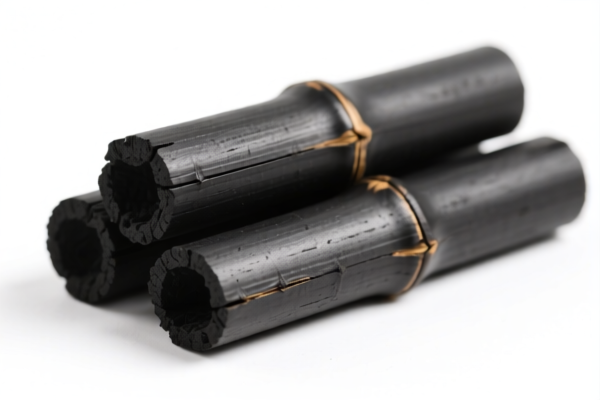
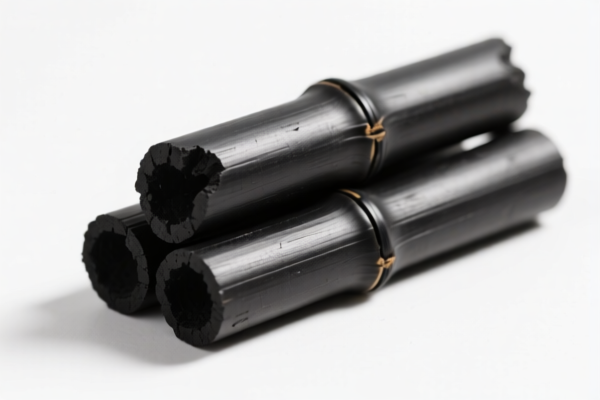
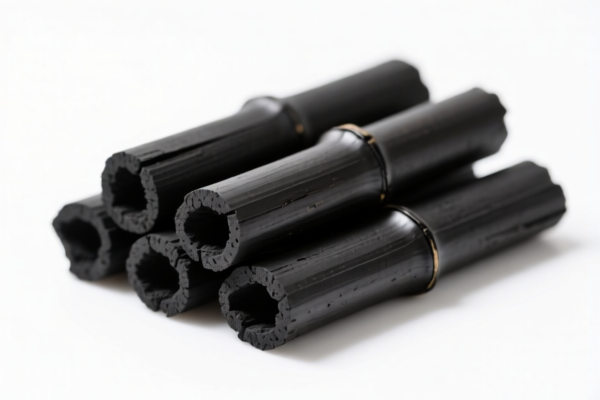
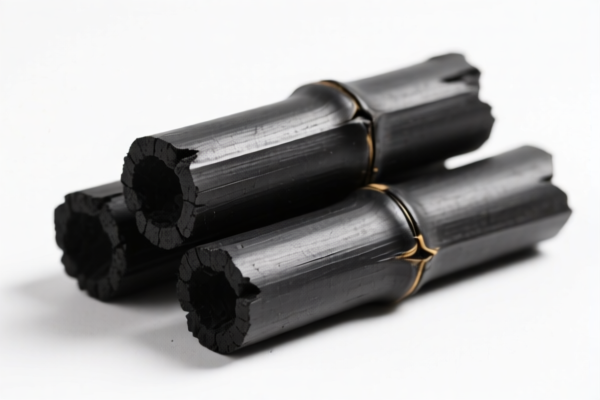
AI分析
🔥 Charcoal Briquettes (碳化木炭块)
🌐 HS Code Reference & Customs Clearance Guide | 2026 Latest Tariff Analysis | Professional Entry Strategy for US Imports
📌 Part 1: Product Definition & Classification: Do You Really Understand "Charcoal Briquettes"?
Charcoal briquettes are processed carbonaceous solid fuels, typically made from biomass (such as wood) that has been subjected to pyrolysis (carbonization) and then formed into specific shapes (blocks, pellets, or logs) for combustion. In international trade, the classification is critical because it determines whether the product is treated as a mineral fuel (Coal/Carbon) or a wood product.
The data provided highlights a complex classification scenario where four different HS Codes apply based on subtle differences in material origin, physical form, and manufacturing process. All listed codes under the current data trigger identical tax structures due to trade policies.
⚠️ Key Distinction Point:
- If the charcoal is derived from wood and shaped, it may fall under Chapter 44 (Wood and Articles of Wood) or Chapter 27 (Mineral Fuels) depending on the extent of carbonization and binding agents. - The provided data indicates that for these specific briquettes, all potential classifications carry a high tariff burden due to Section 301 and IEEPA measures against Chinese origin goods.
📦 Part 2: HS Code Classification Details (Based on Provided Data)
| HS Code | Product Description | Key Characteristics | Material/State |
|---|---|---|---|
2701.20.00.00 |
Carbonized Briquettes (Coal/Carbon Category) | Classified under mineral fuels; material treated as carbonaceous solid fuel. | Mineral/Carbon-based |
2701.19.00.50 |
Carbonized Briquettes (Fitted Coal/Carbide Category) | Fits the description of coal/carbonates; solid fuel form. | Coal/Carbide-based |
4402.90.01.00 |
Carbonized Briquettes (Wood Charcoal, Pressed Blocks) | Material is wood charcoal; form is pressed blocks/briquettes. | Wood-based (Carbonized) |
4402.20.00.00 |
Wood Charcoal Blocks | Material is wood charcoal; shape is block. | Wood-based |
🔍 Critical Observation:
- Despite the difference in material origin (Wood vs. Mineral/Carbon), all four HS Codes share the exact same tax profile in the provided dataset. - There is no tax advantage in choosing one over the other based on the current data. The total duty is fixed at 35.0% for all options.
💰 Part 3: 2026 Latest Tariff Rate Breakdown (Including Surcharges)
✅ Applicable Country: United States (US)
✅ Country of Origin: China (CN) (Implied by the specific tariff structure: Base 0% + Section 301 25% + Section 122 10%)
✅ Effective Date: Current data reflects the post-2024/2025 trade policy landscape.
🎯 1. All Listed HS Codes (2701.20.00.00, 2701.19.00.50, 4402.90.01.00, 4402.20.00.00)
| Item | Content |
|---|---|
| Base Tariff Rate | 0.0% (Ad Valorem) |
| Section 301 Surcharge (122 Clause) | +25.0% (Additional Tariff) |
| Section 301 Surcharge (Additional 10%) | +10.0% (Specific to certain carbon/charcoal products under recent expansions) |
| Total Effective Tax Rate | 35.0% |
| Tax Calculation | CIF Value × 35% |
| De Minimis Eligibility | ❌ NOT Eligible (Section 301 and 122 tariffs generally override de minimis exemptions for China-origin goods) |
| Legal Basis Path | HTSUS:2701/4402 → USITC:301 → IEEPA:9903 |
📌 Explanation:
- The 0% base rate suggests these products are not subject to standard Most Favored Nation (MFN) duties. - The 25% rate comes from the Trade Act of 1974, Section 301, targeting Chinese imports. - The additional 10% is often linked to specific enforcement clauses (referred to as "122 Clause" in the data) targeting carbon-related fuels or specific industrial goods. - Total 35% is a significant cost driver. Importers must calculate this into the landed cost immediately.
🛠️ Part 4: Customs Clearance Practical Advice (Pitfall Avoidance Guide)
✅ 1. Documentation Checklist (Non-negotiable)
| Document | Must Provide | Purpose |
|---|---|---|
| ✅ Product Specification Sheet | ✔️ | Must specify: Material (Wood/Peat/Coal), Carbonization Temperature, Binding Agents, Shape (Briquette/Block). |
| ✅ Material Safety Data Sheet (MSDS) | ✔️ | For transport safety (flammability class). |
| ✅ Commercial Invoice | ✔️ | Clearly state "Carbonized Wood Briquettes" or "Charcoal for BBQ/Fireplace". Avoid vague terms like "Fuel". |
| ✅ Bill of Lading / Air Waybill | ✔️ | Verify weight and volume match the invoice exactly. |
| ✅ Certificate of Origin (CO) | ✔️ | To prove country of origin. If from Vietnam/Thailand, check for exemption eligibility (but data implies Chinese origin handling). |
✅ 2. Classification Strategy (Key Mnemonics)
🔥 "Material Defines Code, But Tax is Uniform!"
| Scenario | Recommended HS Code | Note |
|---|---|---|
| Wood-based Charcoal Blocks | 4402.90.01.00 or 4402.20.00.00 |
Most common for BBQ briquettes. Ensure it is clearly "Wood Charcoal" not "Coal". |
| Mineral Carbon Briquettes | 2701.20.00.00 |
If made from coal dust or non-wood biomass heavily processed to mimic coal. |
| Mixed/Uncertain Origin | Consult Customs Broker | Misclassification can lead to penalties. The tax is the same, but the legal risk differs. |
📌 Warning:
- Do not claim "De Minimis" (Section 321) for shipments valued under $800 if the HS Code is subject to Section 301/122 duties. CBP is increasingly rejecting these for Chinese-origin charcoal. - Ensure the description matches the HS Code. If you declare4402(Wood), but the lab test shows high ash content from mineral coal, you may face reclassification and penalties.
✅ 3. Special Circumstances
| Situation | Handling Advice |
|---|---|
| OEM Custom Shapes | Provide design drawings. The shape (block, hexagonal, pillow) does not change the HS code, but must be accurately described. |
| Packaged for Retail vs. Bulk | Same HS Code, but packaging details (cardboard vs. plastic) affect ad valorem basis if not declared correctly. |
| Origin from Non-China Countries | If the briquettes are made from wood in Vietnam or Indonesia, the 25%/10% surcharges may not apply. Crucial: Verify the wood source vs. processing location. |
🌍 Part 5: Global Market Comparison (2026 Context)
| Country/Region | Recommended HS Code | Estimated Duty (China Origin) | Certification Requirements | Notes |
|---|---|---|---|---|
| 🇺🇸 USA | 4402.20.00.00 or 2701.20.00.00 |
35% (0% Base + 25% + 10%) | None specific for fuel, but MSDS required | High duty barrier. |
| 🇨🇳 China | 4402.10.00 (Import) |
0% - 5% | N/A | Domestic production is low-cost. |
| 🇪🇺 EU | 4402.00.00 |
0% (Generally) | CE (if consumer packaging) | Carbon tax (ETS) may apply indirectly. |
| 🇬🇧 UK | 4402.00.00 |
0% | UKCA Marking | Post-Brexit rules may vary. |
📌 Conclusion:
- The USA is the only market among major economies with these specific high tariffs on Chinese-origin charcoal/carbon products. - Importers must factoring in the 35% tariff into their pricing model.
📌 Part 6: Common Mistakes & Pitfalls (Lessons Learned)
❌ Mistake 1: Declaring as "General Cargo" to avoid scrutiny.
👉 Consequence: Customs seizure, fines, and potential ban on future imports. Charcoal is a regulated fuel.
❌ Mistake 2: Ignoring the "122 Clause" 10% surcharge.
👉 Consequence: Underpayment of duties. The base rate is 0%, but the additional 35% is mandatory.
❌ Mistake 3: Confusing "Charcoal" (Wood) with "Coke" (Coal).
👉 Consequence: Misclassification. While the tax is the same in this data, the legal requirements for environmental compliance differ.
✅ Correct Approach:
"Wood Charcoal Briquettes, Carbonized, Block Form, for Fuel Use"
🎯 Part 7: Conclusion: Professional Classification, Cost Control, and Compliance!
🎯 Remember the Key Takeaways:
🔹 "HS Code Matters for Legal Compliance, But Tax is Uniform Here!"
🔹 "35% is the Real Cost, Not 0%!"
🔹 "Document Everything: Material, Process, and Origin!"
📌 Pro Tip:
If you are importing from China, consider Supply Chain Diversification to countries like Vietnam, Brazil, or Indonesia where Section 301/122 tariffs do not apply. This can reduce your duty from 35% to 0%~5%, saving significant margins.
📣 Immediate Action:
📞 Consult a Licensed Customs Broker to verify the specific wood origin vs. processing location.
🚀 Apply for a Binding Tariff Information (BTI) or Advance Ruling if importing large volumes to mitigate risk.
✨ Professional Clearance Starts with Accurate Classification!
💼 Every Percent Saved is Pure Profit!
用户评价
关于 HS 编码归类
协调制度(HS)是由世界海关组织(WCO)制定的国际贸易商品分类标准。全球 200 多个国家采用 HS 系统作为海关关税、贸易统计和进出口监管的基础。
每个 HS 编码遵循以下层级结构:
- 章(2 位)——商品大类(例如:第 84 章:机器和机械设备)
- 品目(4 位)——章内的更具体分类
- 子目(6 位)——国际通用细分,所有 WCO 成员国统一使用
- 本国细分(8-10 位)——各国自行扩展的细分编码,如美国 HTSUS 10 位编码
正确的 HS 编码归类对于顺利通关、准确缴纳关税和遵守贸易法规至关重要。错误归类可能导致海关延误、多缴关税或罚款。
从CN进口到US时,适用的关税税率可能包括:
- 最惠国(MFN)税率——适用于 WTO 成员国的标准关税税率
- 普通税率——适用于无贸易协定国家
- 贸易救济关税——附加关税,如 301 条款(反倾销)、232 条款(国家安全)或反补贴税
本页内容仅供参考。如需正式归类,请咨询当地海关或持牌报关代理。