Charcoal or Charcoal from Vegetable Origin
CN → US| HS编码 | 关税税率 | 原产国 | 目的国 | 文档 |
|---|---|---|---|---|
| 4402200000 | 35.0% | CN | US | 官方文档 |
| 4402100000 | 35.0% | CN | US | 官方文档 |
商品图片
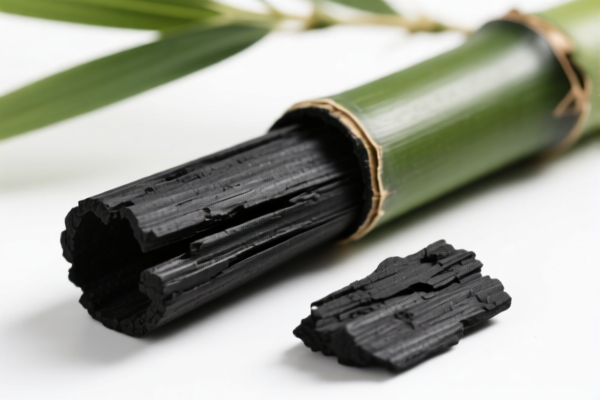
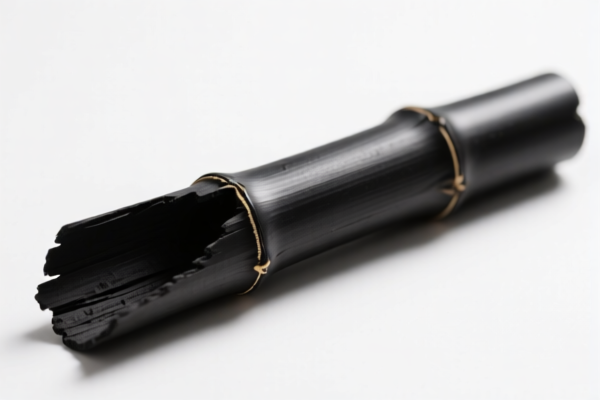
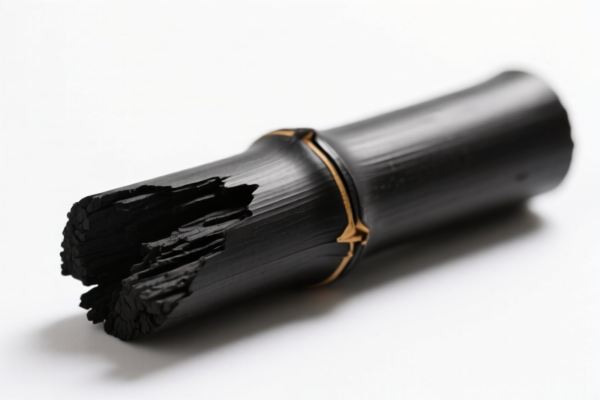
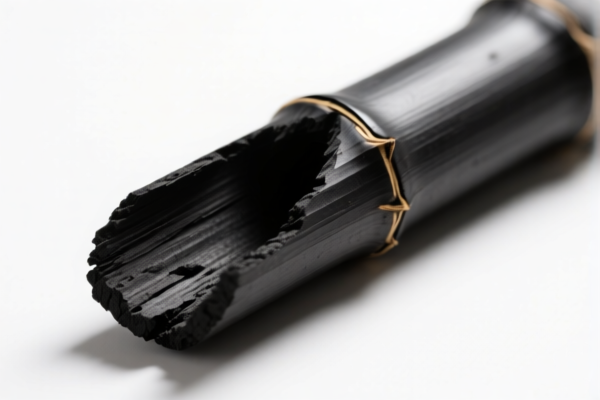
AI分析
🌲 Wood Charcoal (Vegetable Origin) – Shell, Nut & Bamboo | The Ultimate Import Guide for 2026
🌐 HS Code Reference & Customs Clearance Guide | 2026 Latest Tariff Breakdown | Professional Entry Strategy
📌 I. Product Definition & Classification: What Exactly Is "Vegetable Charcoal"?
Wood charcoal, technically classified under HS Chapter 44, is carbonized vegetable material. Despite the name "wood," it broadly encompasses charcoal derived from any vegetable source, including shell, nut, and bamboo.
In international trade, it is strictly categorized by its raw material origin:
1. Shell or Nut Charcoal: Produced from coconut shells, olive stones, apricot pits, etc. High density, low ash, preferred for high-temperature cooking and filtration. 2. Bamboo Charcoal: Produced from seasoned bamboo stalks. Known for its porous structure, used for air purification, humidifier fillers, and traditional BBQ.
⚠️ Critical Distinction:
- Whether agglomerated (pressed into briquettes) or loose, if the source is shell/nut → 4402.20.00.00
- If the source is bamboo → 4402.10.00.00
- Note: "Agglomerated" does not change the HS code if the base material remains charcoal; it simply describes the physical form.
📦 II. HS Code Classification Details (2026 Latest Harmonized System)
| HS Code | Product Description | Raw Material Source | Physical Form |
|---|---|---|---|
4402.20.00.00 |
Wood Charcoal (incl. shell or nut charcoal), whether or not agglomerated: Of shell or nut | Coconut shells, olive pits, apricot stones, etc. | Loose, Briquettes, or Agglomerated |
4402.10.00.00 |
Wood Charcoal (including shell or nut charcoal), whether or not agglomerated: Of bamboo | Bamboo stems | Loose, Briquettes, or Agglomerated |
🔍 Key Insight:
- The HS Code is determined strictly by the botanical origin, not by the shape or whether it is powdered/briquetted.
- "Agglomerated" charcoal made from coconut shells still falls under4402.20.00.00, not a different code for "prepared charcoal."
💰 III. 2026 Tariff Rate Breakdown (Including Additional Duties)
✅ Applicable Region: United States (US)
✅ Country of Origin: China (CN)
✅ Effective Date: Current rates as per 2026 trade policies
🎯 1. 4402.20.00.00 – Charcoal of Shell or Nut
| Item | Content |
|---|---|
| Base Duty (MFN) | 0.0% |
| Section 301 Additional Duty | +25.0% |
| Total Tax Rate | 25.0% |
| Tax Calculation | CIF Value × 25.0% |
| De Minimis Eligibility | ❌ Not Applicable for commercial imports under this code |
| Legal Reference Path | HTSUS:4402.20.00.00 → USITC Footnote 9903.88.01 (Section 301 List 3/4) |
📌 Explanation:
- The base tariff for wood charcoal is historically 0%, making it duty-free under normal MFN conditions.
- However, due to ongoing trade tensions, these specific charcoal codes are subject to a 25% additional tariff under Section 301.
- Total Cost Impact: Importers must budget for a 25% tax burden on top of the CIF value.
🎯 2. 4402.10.00.00 – Charcoal of Bamboo
| Item | Content |
|---|---|
| Base Duty (MFN) | 0.0% |
| Section 301 Additional Duty | +25.0% |
| Total Tax Rate | 25.0% |
| Tax Calculation | CIF Value × 25.0% |
| De Minimis Eligibility | ❌ Not Applicable for commercial imports under this code |
| Legal Reference Path | HTSUS:4402.10.00.00 → USITC Footnote 9903.88.01 (Section 301 List 3/4) |
📌 Note:
- Bamboo charcoal, despite being a fast-growing resource, is treated equally with shell/nut charcoal regarding tariffs.
- Both codes carry the exact same 25% total tax rate. Do not attempt to misclassify bamboo as "other vegetable material" to avoid duty; customs will reject this.
🛠️ IV. Customs Clearance Practical Advice (Avoid Pitfalls)
✅ 1. Required Documentation Checklist
| Document | Mandatory? | Description |
|---|---|---|
| ✅ Commercial Invoice | ✔️ | Must clearly state "Wood Charcoal, Source: Coconut Shell" or "Bamboo" |
| ✅ Packing List | ✔️ | Detail gross/net weight. Charcoal is lightweight but bulky; ensure volume accuracy |
| ✅ Certificate of Origin (CO) | ✔️ | Crucial for proving non-China origin if seeking exemptions (if available) |
| ✅ Fumigation Certificate | ✔️ | Mandatory for wood/bamboo products to prevent pest introduction (ISPM 15) |
| ✅ Material Declaration | ✔️ | Explicitly confirm "Vegetable Origin" to distinguish from fossil carbon (anthracite/coke) |
✅ 2. Classification Strategy & Common Mistakes
| Scenario | Correct HS Code | Wrong HS Code | Consequence |
|---|---|---|---|
| Coconut Shell Charcoal Briquettes | 4402.20.00.00 |
2701.12 (Coal/Coke) |
Misclassification: 2701 has different tax rules and environmental restrictions |
| Bamboo Charcoal for Air Purification | 4402.10.00.00 |
3802 (Activated Carbon) |
Risk: Activated carbon (3802) is chemically treated; raw charcoal is 4402. Mislabeling leads to detention |
| Mixed Packaging (Shell + Bamboo) | Classify by Primary Content | Split declaration | If mixed, customs may assess the higher duty or reject the entry if origin is unclear |
🔥 "Rule of Thumb":
"Raw or Agglomerated? Always 4402. Source Matters: Shell/Nut = .20, Bamboo = .10. Base 0%, Add 25%."
✅ 3. Special Handling Tips
| Situation | Recommendation |
|---|---|
| Agglomerated Charcoal | Provide a flowchart showing the binding agent (e.g., starch) is <10% by weight. If >10%, it may be classified as "Prepared Food" or "Other," changing the HS code. |
| Fumigation | Bamboo and shell charcoal are susceptible to mold and pests. Ensure the fumigation certificate is issued before shipping. Without it, goods will be destroyed or re-exported. |
| Dust Control | Charcoal generates significant dust. Use sealed, lined cartons. Customs may inspect for soil/pest contamination. |
🌍 V. Global Market Comparison (2026)
| Country/Region | Recommended HS Code | Base Duty | Additional Duty (China Origin) | Total Est. Duty | Notes |
|---|---|---|---|---|---|
| 🇺🇸 USA | 4402.20.00.00 / 4402.10.00.00 |
0.0% | +25.0% | 25.0% | Strict Section 301 enforcement |
| 🇨🇳 China | 4402.20.00.00 / 4402.10.00.00 |
5.0% | 0% | 5.0% | Domestic production friendly |
| 🇪🇺 EU | 4402 |
0.0% | 0% | 0.0% | No additional tariffs; EUDR compliance may apply |
| 🇬🇧 UK | 4402 |
0.0% | 0% | 0.0% | Post-Brexit rules generally favorable |
📌 Conclusion:
- The USA is the only major market imposing a 25% surcharge on these vegetable charcoals from China.
- EU/UK remain duty-free but require strict Deforestation Regulation (EUDR) compliance for wood/bamboo products.
📌 VI. Common Errors & Pitfalls (Lessons Learned)
❌ Error 1: Classifying as "Activated Carbon" (3802)
👉 Consequence: Activated carbon requires different chemical safety data (MSDS) and has different tax rates. Misclassification causes delays and fines.
👉 Fix: Only use 3802 if the charcoal has been chemically activated and processed for filtration. Raw BBQ charcoal is 4402.
❌ Error 2: Ignoring Fumigation
👉 Consequence: Port of entry refusal. Bamboo often carries beetle eggs.
👉 Fix: Insist on phytosanitary certificate and fumigation proof.
❌ Error 3: Vague Description "Charcoal"
👉 Consequence: Customs cannot determine the 8-digit subheading.
👉 Fix: Use "Wood Charcoal, Coconut Shell, Agglomerated, for BBQ" or "Bamboo Charcoal, Raw, for Air Purification."
🎯 VII. Conclusion: Smart Importing, Cost Control
🎯 Remember the Key Formula:
🔹 "Base Rate 0% + Section 301 25% = 25% Total."
🔹 "Shell/Nut → .20 | Bamboo → .10. Don't Mix Up the Source."
📌 Pro Tip:
If your charcoal is sourced from Vietnam, Indonesia, or Thailand, check for Free Trade Agreements (FTAs) with the US (e.g., CPTPP, ASEAN-US discussions). You may avoid the 25% Section 301 duty if proper Rules of Origin are met.
📣 Immediate Action:
📞 Verify Fumigation Status before booking cargo.
📄 Ensure Invoice Clearly States Botanical Origin (Shell vs. Bamboo).
💼 Budget for 25% Total Duty for US Imports from China.
✨ Professional Customs Clearance Starts with Precise Classification!
💼 Every Percent of Tax Saved is Pure Profit!
用户评价
关于 HS 编码归类
协调制度(HS)是由世界海关组织(WCO)制定的国际贸易商品分类标准。全球 200 多个国家采用 HS 系统作为海关关税、贸易统计和进出口监管的基础。
每个 HS 编码遵循以下层级结构:
- 章(2 位)——商品大类(例如:第 84 章:机器和机械设备)
- 品目(4 位)——章内的更具体分类
- 子目(6 位)——国际通用细分,所有 WCO 成员国统一使用
- 本国细分(8-10 位)——各国自行扩展的细分编码,如美国 HTSUS 10 位编码
正确的 HS 编码归类对于顺利通关、准确缴纳关税和遵守贸易法规至关重要。错误归类可能导致海关延误、多缴关税或罚款。
从CN进口到US时,适用的关税税率可能包括:
- 最惠国(MFN)税率——适用于 WTO 成员国的标准关税税率
- 普通税率——适用于无贸易协定国家
- 贸易救济关税——附加关税,如 301 条款(反倾销)、232 条款(国家安全)或反补贴税
本页内容仅供参考。如需正式归类,请咨询当地海关或持牌报关代理。