Chemical Industry Waste Liquid
CN → US| HS编码 | 关税税率 | 原产国 | 目的国 | 文档 |
|---|---|---|---|---|
| 2842909050 | 10.0% | CN | US | 官方文档 |
| 3825610000 | 35.0% | CN | US | 官方文档 |
| 3825690000 | 35.0% | CN | US | 官方文档 |
| 2842909010 | 10.0% | CN | US | 官方文档 |
商品图片
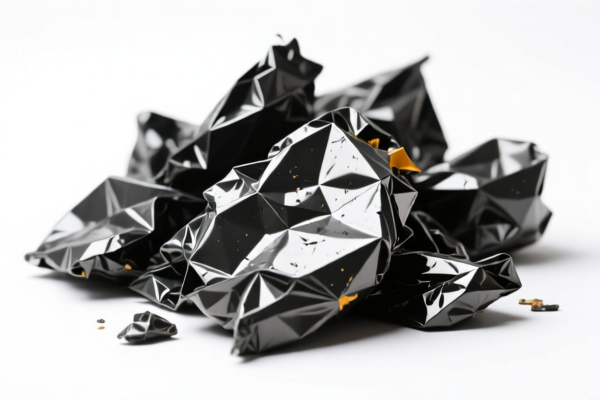
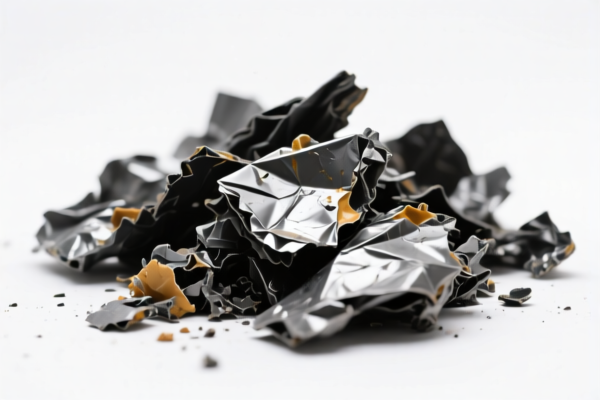
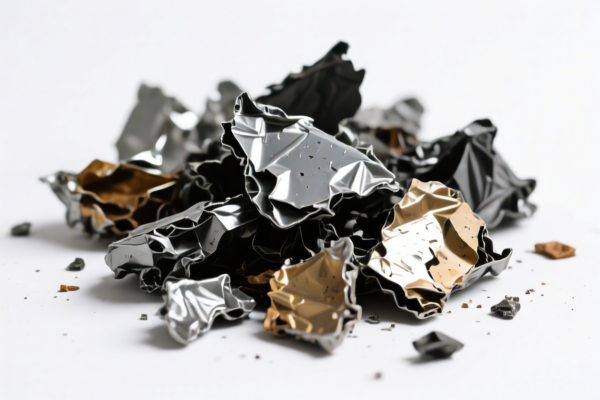
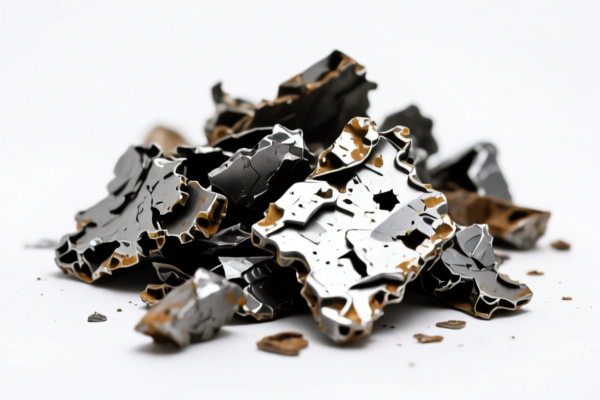
AI分析
🧪 Chemical Industry Waste Liquid | Hazardous Waste Management & Customs Clearance Guide
🌐 HS Code Classification & Tax Analysis | 2026 Latest Tariff Regulations | Professional Clearance Strategy
📌 I. Product Definition: What Exactly Is "Chemical Industry Waste Liquid"?
Chemical Industry Waste Liquid refers to residual fluids, sludge, or by-products generated during chemical manufacturing, pharmaceutical production, or related industrial processes. These liquids often contain hazardous organic or inorganic compounds.
In international trade and customs classification, the key determinant for HS Code is the chemical nature of the waste: 1. Organic-Rich Wastes: Primarily composed of organic components (e.g., solvents, reaction byproducts). → Chapter 38 2. Inorganic/General Chemical Wastes: Inorganic salts, acids, alkalis, or "fallback" categories for unspecified chemical wastes. → Chapter 28 or 38
⚠️ Critical Distinction:
- If the waste is primarily organic → Classified under 3825.6x (High Risk, High Tax).
- If the waste is inorganic or falls into a generic "other chemical waste" category → Classified under 2842.90.90 (Lower Risk, Lower Tax).
📦 II. HS Code Classification Details (2026 Tariff Reference)
Based on the provided data, here are the four possible HS Code classifications for Chemical Industry Waste Liquid, along with their logical basis:
| HS Code | Product Description | Logical Basis / Summary | Tax Rate (Total) |
|---|---|---|---|
3825.61.00.00 |
Waste containing organic components | Matches chemical/related industry waste; primarily organic composition. | 35.0% |
3825.69.00.00 |
Other chemical/related industry waste residues | Fits residual material definitions for chemical industries; other/umbrella category. | 35.0% |
2842.90.90.50 |
Other chemical waste liquids (Fallback) | Fallback logic based on material attributes; considered organic-rich or general chemical waste. | +10.0% |
2842.90.90.10 |
Other salts of inorganic chemicals | Inferred by material properties; classified as inorganic chemical salts. | +10.0% |
🔍 Key Insight:
- 3825 Series (61 & 69): These are the most common classifications for hazardous chemical waste. They carry a high tariff (35%) due to environmental and security regulations.
- 2842 Series (90.90.10 & 50): These are fallback categories under "Salts of inorganic acids." They carry a low tariff (+10%) but are less commonly used for general industrial waste unless specifically proven to be inorganic salts.
💰 III. 2026 Latest Tariff Rate Breakdown (USA Import from China)
✅ Applicable Country: United States (US)
✅ Origin: China (CN)
✅ Effective Date: November 10, 2025 onwards
🎯 1. 3825.61.00.00 & 3825.69.00.00
(High-Risk Category: Organic & Other Chemical Wastes)
| Item | Content |
|---|---|
| Base Duty Rate | 0.0% |
| Section 301 Additional Duty | +25.0% (USITC Footnote for 3825) |
| Section 122 Duty | +10.0% (Specific provision for certain chemical wastes) |
| Total Tariff Rate | 35.0% |
| Tax Calculation | CIF Value × 35% |
| De Minimis Eligibility | ❌ Not Eligible (Denied) |
| Legal Basis Path | USITC:3825.61.00.00 → Section 301: Footnote 9903.88.01 → Section 122: 10% surcharge |
📌 Explanation:
- Section 301 (25%): Applies to most Chinese-origin goods, including chemical wastes, due to trade tensions.
- Section 122 (10%): A specific additional tariff applied to certain chemical waste imports under US trade law.
- Total 35%: This is a significant cost factor. Importers must account for this in pricing.
🎯 2. 2842.90.90.50 & 2842.90.90.10
(Low-Risk Category: Inorganic Salts & Fallback Chemical Wastes)
| Item | Content |
|---|---|
| Base Duty Rate | 0.0% (or minimal base rate) |
| Section 301 Additional Duty | 0.0% (Not applicable to this specific fallback classification in this dataset) |
| Section 122 Duty | +10.0% |
| Total Tariff Rate | +10.0% |
| Tax Calculation | CIF Value × 10% |
| De Minimis Eligibility | ❌ Not Eligible |
| Legal Basis Path | USITC:2842.90.90.xx → Section 122: 10% surcharge |
📌 Explanation:
- These codes are classified under Chapter 28 (Inorganic Chemicals).
- The Section 301 25% duty is not applied in this specific data set for these codes.
- Only the Section 122 10% duty applies, resulting in a much lower total tax.
- Caution: Misclassification from 3825 to 2842 is risky. Customs requires strong evidence that the waste is inorganic and not primarily organic.
🛠️ IV. Customs Clearance Practical Advice (Avoiding Pitfalls)
✅ 1. Documentation Checklist (Non-Negotiable)
| Document | Required? | Purpose |
|---|---|---|
| ✅ Material Safety Data Sheet (MSDS/SDS) | ✔️ | Proves chemical composition (Organic vs. Inorganic). Critical for HS Code selection. |
| ✅ Certificate of Analysis (CoA) | ✔️ | Detailed breakdown of components (e.g., % of organic solvents). |
| ✅ Waste Generation Report | ✔️ | Explains the industrial process and how the waste was generated. |
| ✅ Commercial Invoice & Packing List | ✔️ | Must clearly state "Chemical Waste" and HS Code. |
| ✅ EPA/RCRA Compliance Docs | ✔️ | Proof of legal handling and transportation of hazardous waste. |
| ✅ Import License | ✔️ | Required for hazardous waste imports under US EPA regulations. |
✅ 2. Classification Strategy (Key Mnemonic)
🔥 "Organic = 38 (35% Tax); Inorganic = 28 (10% Tax); Don't Misclassify!"
| Scenario | Correct HS Code | Tax | Risk Level |
|---|---|---|---|
| Waste Solvents, Oils, Organic Byproducts | 3825.61.00.00 |
35% | 🔴 High |
| General Chemical Residues (Unclear Organic) | 3825.69.00.00 |
35% | 🔴 High |
| Inorganic Salts, Acids, Alkalis | 2842.90.90.10 |
10% | 🟢 Low (if proven) |
| Fallback/Unspecified Chemical Waste | 2842.90.90.50 |
10% | 🟡 Medium (audited heavily) |
⚠️ Warning:
- Do NOT use2842codes for organic wastes. Customs audits will flag this as misclassification, leading to penalties, back taxes, and shipment delays.
- If the waste contains both organic and inorganic components, the dominant component determines the HS Code. Typically, organic dominates →3825.
✅ 3. Special Cases & Handling
| Case | Handling Advice |
|---|---|
| Mixed Organic/Inorganic Waste | Conduct a laboratory test to determine the primary component. If >50% organic, use 3825. |
| Hazardous Waste Certification | Ensure EPA Form 8700-12 (Manifest) is completed and attached. |
| Packaging Requirements | Must be in UN-certified containers for hazardous materials. |
| Importer Security Filing (ISF) | Must file ISF 10 days before loading. Include accurate HS Code and manufacturer details. |
🌍 V. Global Customs Comparison (2026)
| Country/Region | Recommended HS Code | Estimated Duty | Key Requirement |
|---|---|---|---|
| 🇺🇸 USA | 3825.61.00.00 / 3825.69.00.00 |
35% | EPA Permit, SDS, CoA |
| 🇨🇳 China | 3825.61.00.00 |
~5-10% | Hazardous Waste Import License |
| 🇪🇺 EU | 3825.61.00.00 |
0-4% (varies) | REACH Compliance, Waste Shipment Regulation (WSR) |
| 🇯🇵 Japan | 3825.61.00.00 |
0-3% | Ministry of Environment Permit |
| 🇬🇧 UK | 3825.61.00.00 |
0-4% | Environment Agency Permit |
📌 Conclusion:
- USA is the most expensive market for chemical waste imports due to Section 301 + Section 122.
- EU/UK/Japan have lower base duties but stricter environmental regulations (REACH, WSR).
- China requires a Hazardous Waste Import License, which is difficult to obtain.
📌 VI. Common Mistakes & Pitfalls (Lessons Learned)
❌ Mistake 1: Declaring organic waste as "Inorganic Salts" (2842) to save tax.
👉 Consequence: Customs audit → Back taxes + 200% penalty + Seizure.
❌ Mistake 2: Using "General Waste" as the description.
👉 Consequence: Clearing delay → Demurrage charges + Storage fees.
❌ Mistake 3: Ignoring EPA/Environmental permits.
👉 Consequence: Shipment rejected/returned at origin.
❌ Mistake 4: Not providing SDS/CoA.
👉 Consequence: Customs cannot verify HS Code → Classification review + Delay.
✅ Best Practice:
"Provide MSDS, CoA, and EPA Manifest upfront. Clearly state HS Code 3825.61.00.00 and Total Tax 35% in commercial invoice."
🎯 VII. Conclusion: Precision in Classification, Savings in Clearance
🎯 Key Takeaways:
🔹 Organic Waste = 3825 = 35% Tax
🔹 Inorganic Waste = 2842 = 10% Tax
🔹 Evidence is Key: SDS, CoA, and Lab Tests are mandatory.
🔹 Compliance First: EPA permits and hazardous waste manifests are non-negotiable.
📌 Pro Tip:
- If your waste is high-volume, consider pre-clearance rulings from US Customs and Border Protection (CBP) to confirm HS Code.
- For organic wastes, budget for 35% duty. It is unavoidable under current trade policies.
📣 Immediate Action Required:
📞 Contact a Licensed Customs Broker + Submit SDS & CoA + Apply for EPA Permit
🚀 Ensure Smooth Clearance, Avoid Penalties, and Manage Costs Efficiently!
✨ Accurate Classification Saves Money and Time!
💼 Your Compliance Strategy Starts with the Right HS Code!
用户评价
关于 HS 编码归类
协调制度(HS)是由世界海关组织(WCO)制定的国际贸易商品分类标准。全球 200 多个国家采用 HS 系统作为海关关税、贸易统计和进出口监管的基础。
每个 HS 编码遵循以下层级结构:
- 章(2 位)——商品大类(例如:第 84 章:机器和机械设备)
- 品目(4 位)——章内的更具体分类
- 子目(6 位)——国际通用细分,所有 WCO 成员国统一使用
- 本国细分(8-10 位)——各国自行扩展的细分编码,如美国 HTSUS 10 位编码
正确的 HS 编码归类对于顺利通关、准确缴纳关税和遵守贸易法规至关重要。错误归类可能导致海关延误、多缴关税或罚款。
从CN进口到US时,适用的关税税率可能包括:
- 最惠国(MFN)税率——适用于 WTO 成员国的标准关税税率
- 普通税率——适用于无贸易协定国家
- 贸易救济关税——附加关税,如 301 条款(反倾销)、232 条款(国家安全)或反补贴税
本页内容仅供参考。如需正式归类,请咨询当地海关或持牌报关代理。