Chiffon Scarf
CN → US| HS编码 | 关税税率 | 原产国 | 目的国 | 文档 |
|---|---|---|---|---|
| 6117104000 | 19.0% | CN | US | 官方文档 |
| 6214102000 | 21.4% | CN | US | 官方文档 |
| 5007200085 | 35.0% | CN | US | 官方文档 |
| 6214101000 | 18.7% | CN | US | 官方文档 |
| 6117106020 | 27.0% | CN | US | 官方文档 |
商品图片
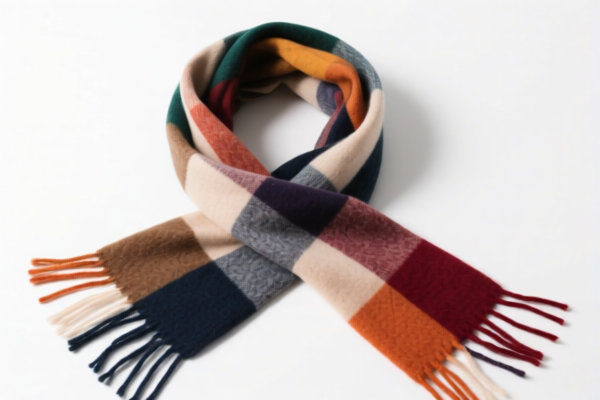
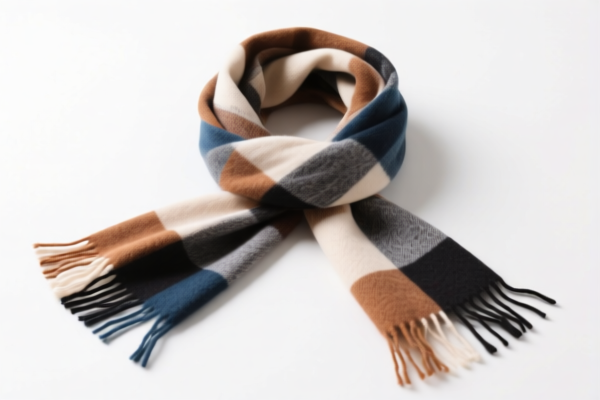
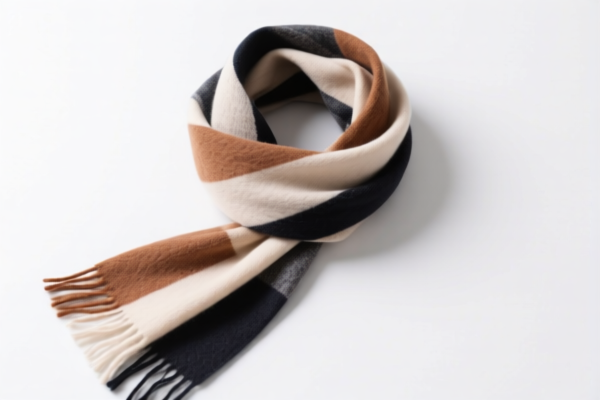
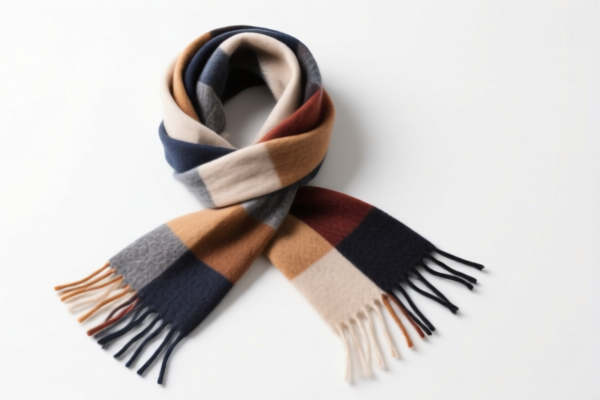
AI分析
🧣 Chiffon Scarf (Silk Chiffon / Knitted Accessories)
🌐 HS Code Reference & Customs Clearance Guide | 2026 Latest Tariff Analysis | Professional Strategy for Silk Scarves
📌 1. Product Definition & Classification: Do You Really Understand "Chiffon Scarves"?
Chiffon scarves, particularly those made of silk, are versatile fashion accessories used in office, leisure, and formal settings. In international trade, they are classified differently based on manufacturing method (knitted vs. woven) and material composition.
Woven Silk Scarves (Woven): Made from silk fabric (chiffon, satin, etc.) that is cut and sewn. These fall under Chapter 62 (Articles of Apparel and Clothing Accessories, Not Knitted or Crocheted). Knitted/Crocheted Scarves: Made from silk yarn via knitting or crocheting. These fall under Chapter 61 (Knitted or Crocheted Clothing and Accessories).
⚠️ Key Classification Point:
- If the scarf is woven (standard chiffon) → It generally falls under HS 6214. - If the scarf is knitted/crocheted → It falls under HS 6117. - If the item is considered just fabric (not made into a scarf shape) → It falls under HS 5007 (though this is rare for finished scarves).
📦 2. HS Code Classification Details (Based on Provided Data)
| HS Code | Product Description | Applicable Scenario | Tax Rate |
|---|---|---|---|
6214.10.10.00 |
Silk Scarf, high silk content, shape conforms to scarf standards | Woven silk chiffon, standard finished scarf | 18.7% |
6214.10.20.00 |
Silk Scarf, material and form fully meet classification requirements | Woven silk, fully compliant with Chapter 62 norms | 21.4% |
6117.10.40.00 |
Silk Scarf, Knitted or Crocheted Accessory | Knitted/crocheted silk scarf | 19.0% |
6117.10.60.20 |
Silk Scarf, Knitted/Crocheted Apparel Accessory | Knitted/crocheted, specific accessory subtype | 27.0% |
5007.20.00.85 |
Silk Scarf, Material is Silk, Form is Fabric | Note: Classified as Fabric rather than made-up scarf; applies if not fully finished as a garment accessory | 35.0% |
🔍 Key Reminder:
- Woven vs. Knitted is Critical: Misclassifying a knitted scarf as woven (or vice versa) can lead to significant tax differences (e.g., 19.0% vs. 21.4% or 18.7%). - Finished Good vs. Fabric: If the scarf is fully manufactured (hemmed, printed, shaped), it should not be classified as fabric (5007.20.00.85). Doing so attracts a much higher tax rate (35.0%) due to stricter duties on silk fabric imports compared to finished accessories.
💰 3. 2026 Latest Tariff Rate Breakdown (Including Surcharge & Policy Add-ons)
✅ Applicable Country: United States (US)
✅ Origin: China (CN)
✅ Effective Date: 2025/2026 (Current Trade Policies)
🎯 1. 6214.10.10.00 & 6214.10.20.00 — Woven Silk Scarves
| Item | Content |
|---|---|
| Base Duty Rate | 3.9% (for .20) / 1.2% (for .10) |
| Section 301 Surcharge | +7.5% (Standard Trade War Tariff) |
| Section 122 Tariff | +10% (Specific US Trade Measure) |
| Total Tax Rate | 21.4% (.20) / 18.7% (.10) |
| Tax Calculation | CIF Value × Total Tax Rate |
| De Minimis Eligibility | ❌ No (Deny De Minimis for China Origin Goods under current rules) |
| Legal Basis Path | HTSUS:6214.10 → Section 301: Footnote 9903.88.01 → Section 122: IEEPA |
📌 Explanation:
- The 7.5% surcharge is part of the ongoing Section 301 tariffs on Chinese goods. - The 10% is the Section 122 tariff, often applied to specific textile/accessory categories or under specific trade enforcement actions. - Base duties vary:.10.00has a lower base (1.2%) than.20.00(3.9%), making the former slightly cheaper despite similar product descriptions.
🎯 2. 6117.10.40.00 & 6117.10.60.20 — Knitted/Crocheted Silk Scarves
| Item | Content |
|---|---|
| Base Duty Rate | 1.5% (.40) / 9.5% (.60.20) |
| Section 301 Surcharge | +7.5% |
| Section 122 Tariff | +10% |
| Total Tax Rate | 19.0% (.40) / 27.0% (.60.20) |
| Tax Calculation | CIF Value × Total Tax Rate |
| De Minimis Eligibility | ❌ No |
| Legal Basis Path | HTSUS:6117.10 → Section 301 → Section 122 |
📌 Explanation:
- Knitted scarves (.40) benefit from a very low base duty (1.5%), resulting in a 19.0% total. - Knitted accessories (.60.20) have a much higher base duty (9.5%), pushing the total to 27.0%. Ensure your product description matches.40if possible (e.g., "Scarves, knitted" vs. general "Accessories").
🎯 3. 5007.20.00.85 — Silk Fabric (Non-Made-Up)
| Item | Content |
|---|---|
| Base Duty Rate | 0.0% |
| Section 301 Surcharge | +25.0% (Higher surcharge for fabric category) |
| Section 122 Tariff | +10% |
| Total Tax Rate | 35.0% |
| Tax Calculation | CIF Value × 35.0% |
| De Minimis Eligibility | ❌ No |
| Legal Basis Path | HTSUS:5007.20 → Section 301 (Higher Footnote) → Section 122 |
📌 Warning:
- This classification applies only if the item is not considered a "made-up" scarf. - The 25% surcharge is significantly higher than the 7.5% applied to finished scarves. - Do not use this code for finished scarves unless you are intentionally declaring them as raw fabric (which is risky and may trigger customs audits for misclassification).
🛠️ 4. Customs Clearance Practical Advice (Pitfall Avoidance Guide)
✅ 1. Documentation Checklist (Must-Haves)
| Document | Required | Notes |
|---|---|---|
| ✅ Commercial Invoice | ✔️ | Clearly state: "Silk Chiffon Scarf, Woven/Knitted, 100% Silk" |
| ✅ Product Description | ✔️ | Must specify Manufacturing Method (Knitted vs. Woven) |
| ✅ Material Composition | ✔️ | e.g., "100% Mulberry Silk" |
| ✅ Product Photos | ✔️ | Show texture, hemming, and any tags to prove it's a finished good |
| ✅ Care Label | ✔️ | Proof of finished accessory status (helps avoid 5007 classification) |
| ✅ Packing List | ✔️ | Detail quantities, weights, and packaging |
✅ 2. Declaration Tips (Key Mantras)
🔥 “Knit vs. Woven, Get It Right! Don’t Declare Fabric for Scarves!”
| Scenario | Correct Declaration | Wrong Approach |
|---|---|---|
| Woven Chiffon Scarf | 6214.10.10.00 or .20.00 |
Declare as 6117 (Knitted) → Risk of Audit |
| Knitted Silk Scarf | 6117.10.40.00 |
Declare as 6214 (Woven) → Tax Discrepancy |
| Finished Scarf | 6214 or 6117 |
Declare as 5007 (Fabric) → 35% Tax! |
| Mixed Material | Check Silk Content % | Declare as "Synthetic" → Misclassification Penalty |
✅ 3. Special Cases
| Situation | Handling Advice |
|---|---|
| Silk Blend Scarf | If silk content < 70%, it may fall under different subheadings (e.g., wool or synthetic blends). Ensure silk is the primary fiber. |
| Printed/Patterned | Specify "Printed Silk Scarf" in description. Patterns do not change HS code but help identify the item. |
| Gift Sets | If scarves are packed with other items (e.g., gloves), declare separately or as a set. Ensure the scarf is the principal item if claiming a specific rate. |
| Drop-Shipping | Ensure the supplier’s invoice matches your declaration. Discrepancies between "Knitted" on invoice and "Woven" in declaration cause delays. |
🌍 5. Global Market Comparison (2026)
| Country/Region | Recommended HS Code | Est. Duty (China Origin) | Notes |
|---|---|---|---|
| 🇺🇸 USA | 6214.10.10.00 / 6117.10.40.00 |
18.7% - 19.0% | Includes 301 & 122 tariffs. De Minimis exempt. |
| 🇨🇳 China | 6214.10.10.00 |
~8-10% | Lower base duty, no 301 tariffs. |
| 🇪🇺 EU | 6214.10.10.00 |
12% | No 301 equivalent, but standard EU duty applies. |
| 🇬🇧 UK | 6214.10.10.00 |
12% | Post-Brexit tariffs similar to EU. |
| 🇯🇵 Japan | 6214.10.10.00 |
15% | No major surcharges. |
📌 Conclusion:
- The USA has the most complex tariff structure due to Section 301 (7.5%) and Section 122 (10%). - Total tax burden in the US is ~19-27%, significantly higher than other major markets. - Optimization Tip: Ensure your scarf is classified under.10.00(for woven) or.40.00(for knitted) to minimize base duties.
📌 6. Common Errors & Pitfalls (Lessons Learned)
❌ Error 1: Declaring a knitted scarf as woven (6117 → 6214)
👉 Consequence: Potential audit, back-taxes, or penalty if the difference in base duty is flagged.
❌ Error 2: Declaring a finished scarf as fabric (6214 → 5007)
👉 Consequence: 35% Tax! Instead of ~19%. This is a costly mistake.
❌ Error 3: Vague Description: "Silk Scarf"
👉 Consequence: Customs may assign the highest applicable rate or request additional info, causing delays.
❌ Error 4: Ignoring Section 122
👉 Consequence: Under-declaring taxes. Always include the 10% surcharge in cost calculations for US imports.
✅ Correct Practice:
"Silk Chiffon Scarf, Woven, 100% Silk, 90x90cm, Printed, Finished Goods"
🎯 7. Conclusion: Precision in Classification Saves Money
🎯 Remember the Mantra:
🔹 "Knit is 61, Woven is 62. Don’t call a scarf fabric, or you’ll pay 35%!"
🔹 "Check the Base: .10 is cheaper than .20. Choose wisely."
📌 Pro Tip:
- For US Imports, always budget for ~19-27% total duty.
- Request Advance Rulings from CBP if you have unique scarf types (e.g., mixed materials, unconventional shapes).
- Keep sample photos and tech packs ready to prove "Finished Good" status.
📣 Action Required:
📞 Consult with a licensed customs broker.
📄 Verify the Knitted vs. Woven status with your manufacturer.
📊 Calculate landed cost including 301 + 122 tariffs.
✨ Professional Customs Clearance Starts with Accurate Classification!
💼 Every percentage point matters in your profit margin!
用户评价
关于 HS 编码归类
协调制度(HS)是由世界海关组织(WCO)制定的国际贸易商品分类标准。全球 200 多个国家采用 HS 系统作为海关关税、贸易统计和进出口监管的基础。
每个 HS 编码遵循以下层级结构:
- 章(2 位)——商品大类(例如:第 84 章:机器和机械设备)
- 品目(4 位)——章内的更具体分类
- 子目(6 位)——国际通用细分,所有 WCO 成员国统一使用
- 本国细分(8-10 位)——各国自行扩展的细分编码,如美国 HTSUS 10 位编码
正确的 HS 编码归类对于顺利通关、准确缴纳关税和遵守贸易法规至关重要。错误归类可能导致海关延误、多缴关税或罚款。
从CN进口到US时,适用的关税税率可能包括:
- 最惠国(MFN)税率——适用于 WTO 成员国的标准关税税率
- 普通税率——适用于无贸易协定国家
- 贸易救济关税——附加关税,如 301 条款(反倾销)、232 条款(国家安全)或反补贴税
本页内容仅供参考。如需正式归类,请咨询当地海关或持牌报关代理。