Cleaned PET Plastic Waste
CN → US商品图片
AI分析
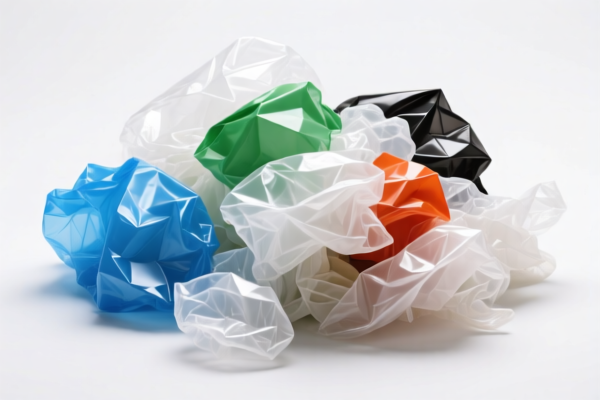
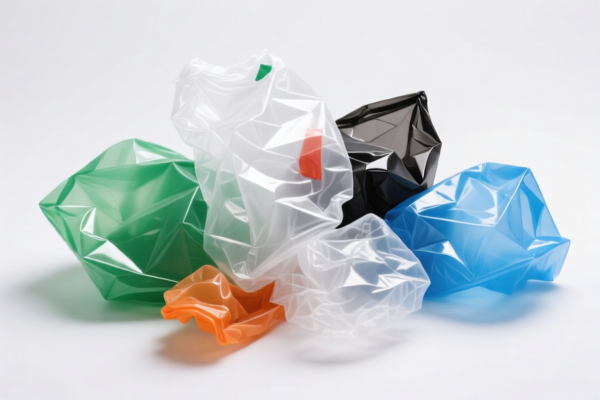
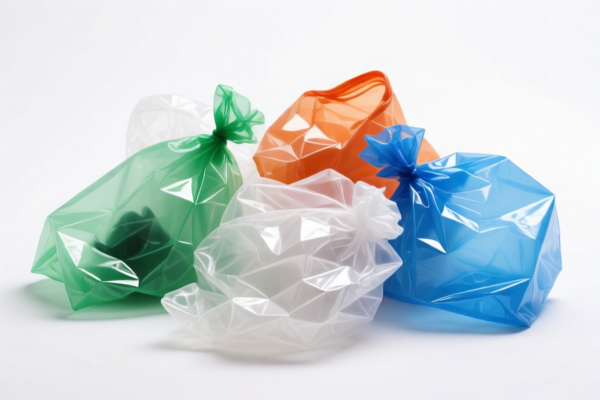
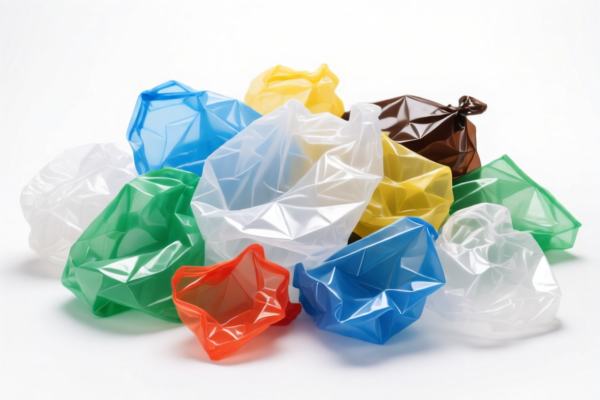
♻️ Cleaned PET Plastic Waste (Polyethylene Terephthalate)
🌐 HS Code Reference & Clearance Guide | 2026 Latest Tariff Analysis | Professional Customs Strategy
📌 I. Product Definition & Classification: What is "Cleaned PET Waste"?
"Cleaned PET Plastic Waste" refers to post-consumer or pre-consumer polyethylene terephthalate (PET) plastic that has been collected, sorted, washed, and processed into flakes, fragments, or bales, but has not been chemically recyled into raw polymer.
In international trade, the critical distinction lies in the state of processing: 1. Cleaned PET Flakes/Waste (Scrap): Material that is physically cleaned but retains its original polymer structure. This is classified as waste/scrap. 2. Recycled PET Resin/Chips (Regranulated): Material that has been melted and reformed. If it is in the form of primary shapes (like chips, granules, or powders) suitable for remelting, it may be classified as new plastic material.
⚠️ Key Distinction Point:
- If the material is bales of flakes, shredded waste, or cleaned fragments intended for further recycling or reprocessing → It is Waste/Scrap (3915or3902).
- If the material is pellets, granules, or chips resulting from industrial reprocessing (melted and extruded) → It may be classified as Virgin/Secondary Resin (3902.10).
- Crucial Note: In many jurisdictions (especially China, EU, USA), "Cleaned PET Waste" is strictly regulated. Misclassification as "new plastic" can lead to severe penalties for illegal waste trafficking.
📦 II. HS Code Classification Details (2026 Latest Tariff Alignment)
| HS Code | Product Description | Application Scenario | Physical State |
|---|---|---|---|
3915.20.00.00 |
Waste, parings and scrap, of polyethylene terephthalate (PET) | Cleaned PET flakes, bales, shredded waste from post-consumer bottles | ✅ Waste/Scrap |
3902.10.00.00 |
Polyethylene terephthalate (PET), in primary forms | Recycled PET chips/pellets (secondary resin) | ⚠️ Reformed/Resin |
3915.10.00.00 |
Waste, parings and scrap, of polyethylene (PE) | Exclude: Only if PET is mixed with PE (common contamination issue) | ❌ Wrong Material |
3915.90.00.00 |
Waste, parings and scrap, of other plastics | If PET is contaminated with non-PET materials (non-separable) | ⚠️ Contaminated |
🔍 Key Reminder:
- The most common HS Code for Cleaned PET Plastic Waste is3915.20.00.00.
- Ensure the product is free from hazardous contaminants (oil, chemicals, non-plastic residues). If heavily contaminated, it may be classified as general plastic waste (3915.90) or even municipal solid waste, which is often banned from import.
- Do not use3902.10.00.00unless the material has been industrially reprocessed into primary shapes (pellets) and is sold as a chemical feedstock, not as scrap.
💰 III. 2026 Latest Tariff Rate Breakdown (Including Additional Duties)
✅ Applicable Country: United States (US)
✅ Origin: China (CN)
✅ Effective Date: From November 10, 2025 (including subsequent imports)
🎯 1. 3915.20.00.00 —— Waste, Parings and Scrap, of PET
| Item | Content |
|---|---|
| Base Rate | 0% (ad valorem) |
| USITC Additional Duty | +25% (Under USITC Footnote 9903.88.01 / Section 301) |
| IEEPA Additional Duty | +10% (For China/HK products, from Nov 10, 2025) |
| Total Tariff Rate | 35% |
| Tax Calculation | CIF Value × 35% |
| De Minimis Eligibility | ❌ Not Eligible (deny_de_minimis) |
| Legal Basis Path | IEEPA:9903.01.25 → IEEPA:9903.01.24 → USITC:3915.20.00.00 → FOOTNOTE:9903.88.01 |
📌 Explanation:
- "USITC 25%" is from Section 301 of the Trade Act.
- "IEEPA 10%" is the emergency additional tariff on Chinese goods.
- Total 35%: This is a high tariff. However, compared to electronic goods, it is moderate. The real cost driver is often non-tariff barriers (import bans, environmental checks).
⚠️ Critical Regulatory Note: US Import Bans on Plastic Waste
While the tariff is 35%, the U.S. EPA and Customs and Border Protection (CBP) strictly enforce the Solid Waste Export Import Restrictions. - Cleaned PET Waste may be denied entry if it is deemed "mixed plastic waste" or if it lacks proper recycling facility contracts. - Since 2021, the U.S. has banned most plastic waste imports. Only "cleaned, sorted, and ready for recycling" PET flakes might be admitted, subject to strict EPA review. - Recommendation: Obtain a Recycling Facility Contract and ensure the material meets ISO 15270 standards for plastic waste before shipping.
🛠️ IV. Customs Clearance Practical Advice (Pitfall Avoidance Guide)
✅ 1. Required Documentation Checklist (Mandatory)
| Document | Must Provide | Description |
|---|---|---|
| ✅ Commercial Invoice | ✔️ | Clearly state "Cleaned PET Flakes, HS Code 3915.20.00.00" |
| ✅ Packing List | ✔️ | Detail bale weight, quantity, and packaging type |
| ✅ Certificate of Origin | ✔️ | To prove origin (China) and calculate tariffs |
| ✅ Environmental Permit/EPA Approval | ✔️ | CRITICAL: Proof that the waste is clean and destined for a licensed recycler |
| ✅ Recycling Facility Contract | ✔️ | Contract with US-based recycler accepting the material |
| ✅ Product Specification Sheet | ✔️ | Include purity %, moisture content, and contamination levels |
| ✅ Inspection Certificate | ✔️ | From SGS, BV, or Intertek confirming "Cleaned" status and no hazardous waste |
✅ 2. Declaration Tips (Key Mnemonic)
🔥 "Clean & Sorted, No Contamination, EPA Permit, Declare 3915!"
| Scenario | Correct Declaration | Wrong Practice |
|---|---|---|
| Cleaned PET flakes from bottles | 3915.20.00.00 |
Misdeclare as 3902.10 (New Resin) → Fraud Risk |
| Mixed Plastic Waste (PE+PET) | 3915.90.00.00 |
Try to separate → High risk of rejection |
| Contaminated PET (Oil/Chemicals) | Banned from Import | Attempt to declare as clean → Seizure & Fine |
| Recycled PET Pellets (Regranulated) | 3902.10.00.00 |
Declare as waste → Overpay tariff, delay |
✅ 3. Special Cases Handling
| Situation | Handling Advice |
|---|---|
| OEM/Contract Recycling | Provide contract between exporter and US recycler to prove legitimate purpose |
| Mixed Bales | If PE/PET are mixed, declare as 3915.90. High risk of EPA rejection |
| Food-Grade PET Waste | Provide FDA compliance documents if intended for food-contact recycling |
| Small Shipments (< $800) | Not Eligible for De Minimis. Must file formal entry |
🌍 V. Global Market Clearance Comparison (2026 Latest)
| Country/Region | Recommended HS Code | Tariff | Certification Requirements | Notes |
|---|---|---|---|---|
| 🇺🇸 USA | 3915.20.00.00 |
35% (China) | EPA Permit + Recycling Contract | Strict import bans on unsorted waste |
| 🇨🇳 China | 3915.20.00.00 |
0-5% | CCC (if recycled products) | Banned most plastic waste imports since 2021 |
| 🇪🇺 EU | 3915.20 |
0-6.5% | EPR Registration + Waste Shipment Regulation | Strict Basel Convention compliance |
| 🇦🇺 Australia | 3915.20 |
5% | EPA NSW/VIC Approval | High scrutiny on waste imports |
| 🇯🇵 Japan | 3915.20 |
0-2% | Ministry of Environment Permit | Strict purity requirements |
📌 Conclusion:
- USA: Tariff is 35%, but Non-Tariff Barriers (NTBs) are the bigger hurdle. EPA approval is key.
- EU: Follows Basel Convention strictly. Must prove waste is destined for recycling, not dumping.
- China: Import Ban. Do not attempt to export cleaned PET waste to China unless it is reprocessed into primary forms (pellets) and meets specific standards.
📌 VI. Common Errors & Pitfall Guide (Lessons from the Field)
❌ Error 1: Declaring "Cleaned PET Waste" as "New PET Resin" (3902.10)
👉 Consequence: Customs Fraud. Seizure, fines, and potential criminal charges.
❌ Error 2: Shipping "Mixed Plastic Waste" without EPA Approval
👉 Consequence: Rejection & Return. You bear all shipping and disposal costs.
❌ Error 3: Ignoring Moisture Content
👉 Consequence: If moisture > 1-2%, customs may reclassify as "mixed waste" or reject for quality issues.
❌ Error 4: Using "Plastic Scrap" as a Generic Description
👉 Consequence: Customs may request detailed analysis, causing delays. Always specify "PET".
✅ Correct Practice:
"Cleaned PET Flakes, Post-Consumer, Sorted, Purity >99%, Moisture <2%, HS Code 3915.20.00.00, EPA Permit #XXXX, Destination: [Licensed Recycler Name]"
🎯 VII. Conclusion: Professional Clearance, Cost-Effective & Compliant!
🎯 Remember the Mnemonic:
🔹 "Clean PET, Code 3915, EPA Permit Required!"
🔹 "35% Tariff for China, but Ban is Bigger Threat!"
🔹 "Never Mix Waste, Never Lie on Invoice!"
📌 Pro Tip:
If you are exporting from Vietnam, Thailand, or Malaysia, ensure the PET is not considered Chinese origin for tariff purposes. However, EPA approval is still required regardless of origin.
Recommendation: Obtain an Advance Ruling from CBP and EPA pre-approval before shipping large volumes.
📣 Immediate Action:
📞 Contact your US-based recycling partner to secure a Waste Shipment Notice and EPA Permit.
🚀 Ensure your supplier provides ** SGS Inspection Report confirming cleanliness.
🔹 Let your PET waste pass smoothly, legally, and profitably!**
✨ Professional Customs, Starting with Precise Classification!
💼 Every Ton of Waste, Accounted For!
用户评价
关于 HS 编码归类
协调制度(HS)是由世界海关组织(WCO)制定的国际贸易商品分类标准。全球 200 多个国家采用 HS 系统作为海关关税、贸易统计和进出口监管的基础。
每个 HS 编码遵循以下层级结构:
- 章(2 位)——商品大类(例如:第 84 章:机器和机械设备)
- 品目(4 位)——章内的更具体分类
- 子目(6 位)——国际通用细分,所有 WCO 成员国统一使用
- 本国细分(8-10 位)——各国自行扩展的细分编码,如美国 HTSUS 10 位编码
正确的 HS 编码归类对于顺利通关、准确缴纳关税和遵守贸易法规至关重要。错误归类可能导致海关延误、多缴关税或罚款。
从CN进口到US时,适用的关税税率可能包括:
- 最惠国(MFN)税率——适用于 WTO 成员国的标准关税税率
- 普通税率——适用于无贸易协定国家
- 贸易救济关税——附加关税,如 301 条款(反倾销)、232 条款(国家安全)或反补贴税
本页内容仅供参考。如需正式归类,请咨询当地海关或持牌报关代理。