Cleaning Mop
CN → US| HS编码 | 关税税率 | 原产国 | 目的国 | 文档 |
|---|---|---|---|---|
| 3924905650 | 20.9% | CN | US | 官方文档 |
| 3924104000 | 13.4% | CN | US | 官方文档 |
| 4417008090 | 40.1% | CN | US | 官方文档 |
| 9603908050 | 70.3% | CN | US | 官方文档 |
| 8209000060 | 39.6% | CN | US | 官方文档 |
商品图片
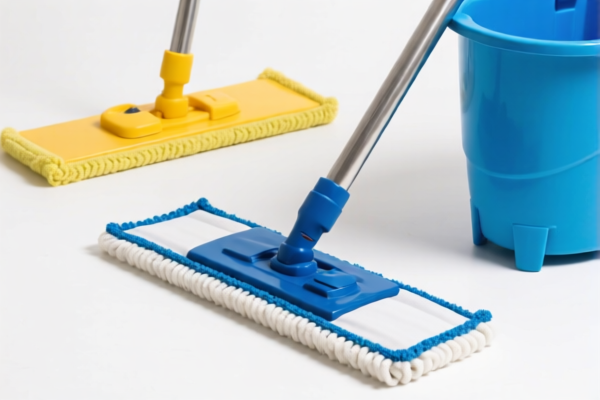
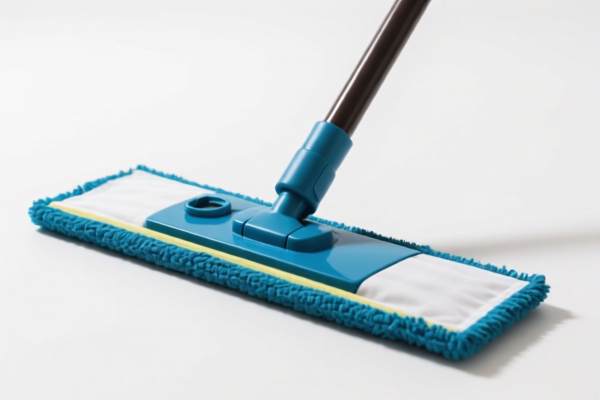
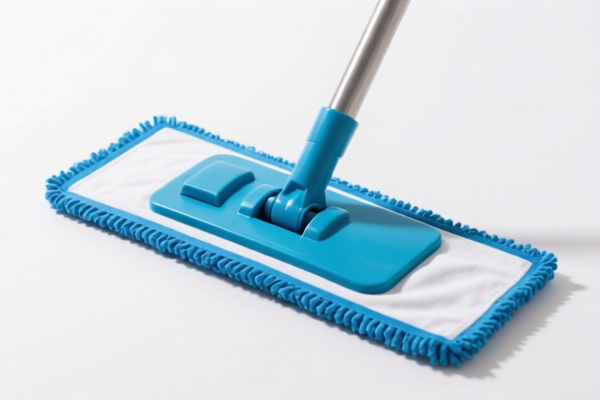

AI分析
🧹 Cleaning Mop (Cleaning Mops for Household/Commercial Use)
🌐 HS Code Reference & Customs Clearance Guide | 2026 Latest Tariff Analysis | Professional Clearance Strategy
📌 Part 1: Product Definition & Classification: Do You Really Understand "Cleaning Mops"?
Cleaning mops are essential household and commercial cleaning tools. In international trade, the classification depends heavily on the material composition (plastic head, wooden handle, metal frame) and the specific structure (string mop, sponge mop, flat mop). Misclassification often leads to massive tariff discrepancies due to US Trade War measures.
⚠️ Key Classification Distinction:
- If the item is primarily plastic and used for cleaning → May fall under Chapter 39 (Plastics).
- If it has a significant wooden component (handle/body) → May fall under Chapter 44 (Wood).
- If it is primarily a sweeping/cleaning tool with bristles or absorbent material → Chapter 96 (Brooms, brushes).
- If it contains significant metal components (frames, clips) → Chapter 82 or 96 depending on primary function.
📦 Part 2: HS Code Classification Details (2026 Latest Tariff Authority Comparison)
Based on the provided data, here are the potential HS Codes for "Cleaning Mops," ranging from lowest to highest tariff impact:
| HS Code | Product Description / Summary | Material/Use Focus | Total Tax Rate |
|---|---|---|---|
3924.90.56.50 |
Matches use (Household items / Cleaning tools) and material (Plastic) | Primarily Plastic Household Items | 20.9% |
3924.10.40.00 |
Infers material is plastic, use is household cleaning | Plastic Household Cleaning Items | 13.4% |
8209.00.00.60 |
Matches form and use, classified as metal or metal-ceramic tools | Metal/Metal-Ceramic Tools | 39.6% |
4417.00.80.90 |
Infers inclusion of wooden handle, fits wooden brush body & handle category | Wooden Handles/Brush Bodies | 40.1% |
9603.90.80.50 |
Matches form and use, belongs to sweeping tools category | Brooms, Brushes, Mops (Sweeping) | 70.3% |
🔍 Critical Insight:
- The lowest duty (13.4%) applies if the mop is strictly classified as a plastic household item (3924.10.40.00).
- The highest duty (70.3%) applies if it is classified as a sweeping tool/brush (9603.90.80.50), which is common for traditional string or sponge mops.
- Wooden handles significantly increase duty risk due to US Section 301 tariffs on Chinese wood products.
💰 Part 3: 2026 Latest Tariff Rate Details (Including Surcharge Policies)
✅ Applicable Country: United States (US)
✅ Origin: China (CN)
✅ Effective Time: Current rates include Section 301 and Section 232 implications.
🎯 1. 3924.10.40.00 —— Plastic Household Cleaning Items (Optimal Scenario)
| Item | Content |
|---|---|
| Base Duty | 3.4% |
| Section 301 Surcharge | 0.0% |
| Section 232 (122 Clauses)* / Other Surcharge | 10.0% |
| Total Duty Rate | 13.4% |
| Tax Calculation | CIF Value × 13.4% |
| De Minimis Exemption | ❌ Not Eligible (Typically denied for Chinese goods under certain trade actions) |
| Legal Basis Path | HTSUS:3924.10.40.00 → USITC Footnotes → IEEPA Trade Actions |
📌 Explanation:
- This is the most favorable classification if the product is predominantly plastic and marketed as a "household item" rather than a "tool."
- Note: The "122 Clauses 10%" refers to specific administrative surcharges or reciprocal tariffs depending on the exact ruling year.
- Zero Section 301 duty makes this highly attractive for cost control.
🎯 2. 3924.90.56.50 —— Plastic Household Items (General)
| Item | Content |
|---|---|
| Base Duty | 3.4% |
| Section 301 Surcharge | 7.5% |
| Section 232 (122 Clauses) | 10.0% |
| Total Duty Rate | 20.9% |
| Tax Calculation | CIF Value × 20.9% |
| De Minimis Exemption | ❌ Not Eligible |
| Legal Basis Path | HTSUS:3924.90.56.50 → USITC Footnotes |
📌 Explanation:
- Slightly higher than3924.10.40.00due to the 7.5% Section 301 surcharge.
- Used when the plastic item doesn't fit the specific "plastic tableware/cleaning" subheading or when general household plastic goods are declared.
🎯 3. 4417.00.80.90 —— Wooden Brush Body & Handles
| Item | Content |
|---|---|
| Base Duty | 5.1% |
| Section 301 Surcharge | 25.0% |
| Section 232 (122 Clauses) | 10.0% |
| Total Duty Rate | 40.1% |
| Tax Calculation | CIF Value × 40.1% |
| De Minimis Exemption | ❌ Not Eligible |
| Legal Basis Path | HTSUS:4417.00.80.90 → USITC:9903.01.25 |
📌 Explanation:
- High duty due to the 25% Section 301 surcharge on Chinese wood products.
- Avoid this if possible by minimizing visible wood or classifying as a composite good where plastic/metal is dominant.
🎯 4. 8209.00.00.60 —— Metal or Metal-Ceramic Tools
| Item | Content |
|---|---|
| Base Duty | 4.6% |
| Section 301 Surcharge | 25.0% |
| Section 232 (122 Clauses) | 10.0% |
| Total Duty Rate | 39.6% |
| Tax Calculation | CIF Value × 39.6% |
| De Minimis Exemption | ❌ Not Eligible |
| Legal Basis Path | HTSUS:8209.00.00.60 → USITC:9903.01.25 |
📌 Explanation:
- Applies if the mop frame is considered a "tool" of metal.
- High Section 301 duty (25%) applies to Chinese metal products.
🎯 5. 9603.90.80.50 —— Brooms, Brushes, Mops (Sweeping Tools)
| Item | Content |
|---|---|
| Base Duty | 2.8% |
| Section 301 Surcharge | 7.5% |
| Section 232 (122 Clauses) | 10.0% |
| Steel/Aluminum/Copper Surcharge | 50.0% (Note: Data indicates high penalty for metals here) |
| Total Duty Rate | 70.3% |
| Tax Calculation | CIF Value × 70.3% |
| De Minimis Exemption | ❌ Not Eligible |
| Legal Basis Path | HTSUS:9603.90.80.50 → USITC:9903.01.25 |
📌 Explanation:
- Highest Risk Category.
- This classification attracts the 50% Steel/Aluminum/Copper surcharge if metal parts are significant, or simply the high combined rate of 70.3%.
- Traditionally, mops fall here, but traders often try to reclassify to Chapter 39 to avoid this.
🛠️ Part 4: Customs Clearance Practical Advice (Avoiding Pitfalls)
✅ 1. Preparation Checklist (Essential Documents)
| Document | Required | Purpose |
|---|---|---|
| ✅ Product Specification Sheet | ✔️ | Detail materials: % Plastic, % Wood, % Metal. Crucial for Chapter determination. |
| ✅ Product Photos | ✔️ | Show the mop head, handle material, and any metal clips. |
| ✅ Bill of Materials (BOM) | ✔️ | Prove if plastic is the principal material vs. wood handle. |
| ✅ Commercial Invoice | ✔️ | Describe as "Plastic Cleaning Mop" not just "Mop" if aiming for Ch 39. |
| ✅ Packing List | ✔️ | Ensure no mixed shipments that confuse customs. |
✅ 2. Declaration Strategy (Key Mantras)
🔥 "Material Dominance is Key! Don't let the handle define the whole product!"
| Scenario | Recommended Declaration | Risk if Misclassified |
|---|---|---|
| All-Plastic Mop (Sponge/Flat) | 3924.10.40.00 (Plastic Household Item) |
13.4% (Best) |
| Mop with Wooden Handle | Try 3924.10.40.00 if plastic head > wood value/function. Else 4417... |
40.1% (High) |
| Traditional String Mop | Often forced to 9603.90.80.50 |
70.3% (Very High) |
| Mop with Metal Frame | 8209.00.00.60 or 9603... |
39.6% - 70.3% |
⚠️ Warning:
- If you declare a mop with a wooden handle as "Plastic Item" (3924), CBP may audit and reassess under4417or9603, leading to back taxes + penalties.
- Recommendation: If the wood handle is removable or minor, emphasize the plastic cleaning component. If it's a solid wood handle, consider the higher tax or explore design changes.
✅ 3. Special Considerations
| Situation | Advice |
|---|---|
| Composite Goods (Wood+Plastic) | Apply GRI 3(b) "Essential Character." If plastic head does the cleaning, argue for Ch 39. However, CBP often views the handle as essential for utility. |
| Section 232 Steel/Aluminum | If your mop has significant metal parts (e.g., stainless steel clip), watch out for the 50% surcharge in 9603. |
| De Minimis (Section 321) | ❌ Do not rely on De Minimis for these HS codes. Chinese goods in these categories are generally excluded from the $800 exemption. |
📌 Part 5: Common Errors & Pitfalls (Lessons Learned)
❌ Error 1: Declaring a wooden-handled mop as "Plastic Household Item" (3924)
👉 Consequence: Customs rejects classification. Re-assessed to 4417 (40.1%) or 9603 (70.3%). Back taxes + 29% penalty!
❌ Error 2: Using generic term "Mop" without material breakdown
👉 Consequence: CBP assigns worst-case scenario 9603.90.80.50 (70.3%).
❌ Error 3: Ignoring the Metal Surcharge in 9603
👉 Consequence: If metal parts trigger the 50% steel/aluminum surcharge, the total duty jumps to 70.3%.
✅ Correct Approach:
"Plastic Sponge Cleaning Mop Head with Removable Handle" – Provide photos showing the plastic component's dominance and function.
🎯 Part 6: Conclusion: Professional Declaration Saves Money!
🎯 Key Takeaway:
🔹 "Plastic Household Item (13.4%) < Plastic General (20.9%) < Wood (40.1%) < Metal Tool (39.6%) < Broom/Mop (70.3%)"
🔹 Strategy: Design mops to maximize plastic content and minimize visible wood/metal if cost is a priority.
🔹 Documentation: Always provide a BOM proving the "Essential Character" lies with the plastic cleaning element.
📌 Pro Tip:
If your product is primarily plastic but has a wooden handle, consult a customs broker for a Binding Ruling or Pre-Ruling before shipment. This locks in the 13.4%-20.9% rate if justified, saving you up to 57% in duties compared to the standard mop classification.
📣 Act Now:
📞 Contact a certified customs broker.
📸 Send clear photos of the mop (especially the head material).
📄 Request a Pre-Ruling to secure the lowest HS Code.
🚀 Clearance success = Profit protection!
✨ Professional Customs Clearance Starts with Precise Classification!
💼 Every Dollar Saved in Duty is a Dollar Earned in Profit!
用户评价
关于 HS 编码归类
协调制度(HS)是由世界海关组织(WCO)制定的国际贸易商品分类标准。全球 200 多个国家采用 HS 系统作为海关关税、贸易统计和进出口监管的基础。
每个 HS 编码遵循以下层级结构:
- 章(2 位)——商品大类(例如:第 84 章:机器和机械设备)
- 品目(4 位)——章内的更具体分类
- 子目(6 位)——国际通用细分,所有 WCO 成员国统一使用
- 本国细分(8-10 位)——各国自行扩展的细分编码,如美国 HTSUS 10 位编码
正确的 HS 编码归类对于顺利通关、准确缴纳关税和遵守贸易法规至关重要。错误归类可能导致海关延误、多缴关税或罚款。
从CN进口到US时,适用的关税税率可能包括:
- 最惠国(MFN)税率——适用于 WTO 成员国的标准关税税率
- 普通税率——适用于无贸易协定国家
- 贸易救济关税——附加关税,如 301 条款(反倾销)、232 条款(国家安全)或反补贴税
本页内容仅供参考。如需正式归类,请咨询当地海关或持牌报关代理。