Cloth Napkin
CN → US| HS编码 | 关税税率 | 原产国 | 目的国 | 文档 |
|---|---|---|---|---|
| 6307909882 | 24.5% | CN | US | 官方文档 |
| 6302512000 | 22.3% | CN | US | 官方文档 |
| 6302511000 | 16.1% | CN | US | 官方文档 |
| 6307908940 | 17.0% | CN | US | 官方文档 |
| 6302511000 | 16.1% | CN | US | 官方文档 |
商品图片
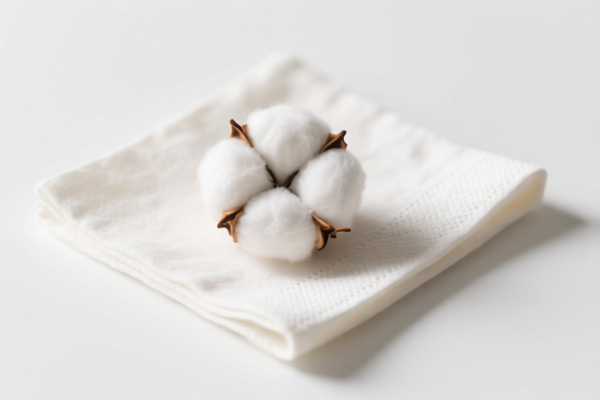
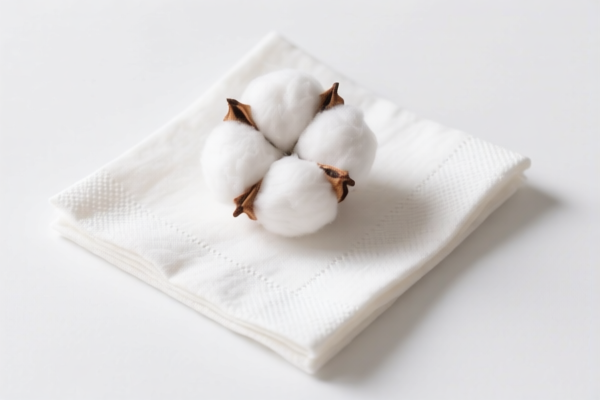
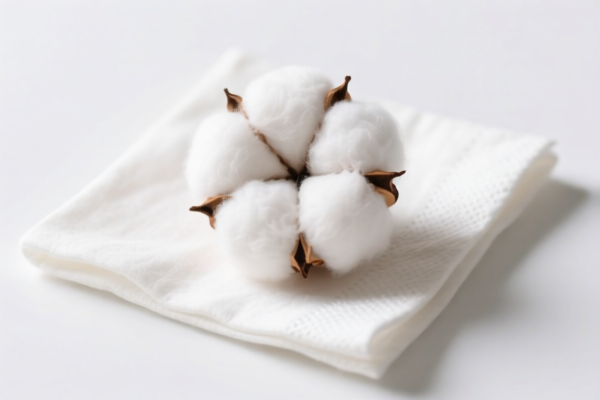
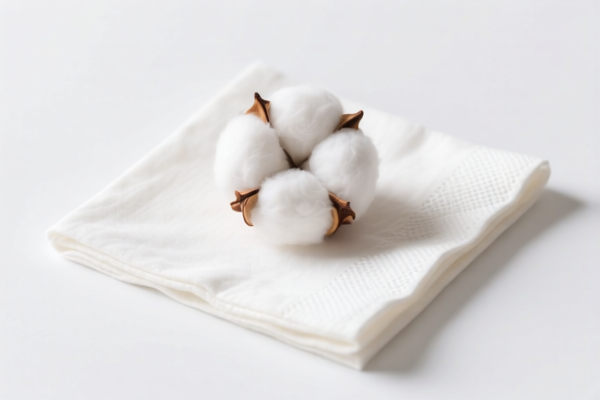
AI分析
🧺 Cloth Napkins (Textile Dining Accessories)
🌐 HS Code Reference & Customs Clearance Guide | 2026 Tariff Breakdown | Strategic Classification Strategy
📌 I. Product Definition & Classification: What Exactly is a "Cloth Napkin"?
In international trade, Cloth Napkins are categorized based on their material composition and specific usage. While often confused, they fall into distinct chapters of the Harmonized System:
1. Table Linens (Chapter 63.02):
Napkins made of textile materials (e.g., cotton, linen, synthetic) specifically designed for table setting. These are classified under 63.02 ("Table, kitchen, toilet, or travel linen").
Key Distinction: If the item is primarily identified as a "napkin" for dining, it belongs here.
2. Other Made-up Textile Articles (Chapter 63.07):
Articles made of textile materials that do not fall under specific categories like clothing, table linen, or bedding. This includes "general purpose" textile cloths or items where the primary character is not clearly "table linen."
Key Distinction: If the classification is ambiguous or if it’s a "general cloth" rather than a specifically shaped napkin, it may fall here, often attracting higher tariffs due to less favorable trade treatment.
⚠️ Critical Classification Point:
- If it is explicitly a cotton napkin intended for table use → 6302.51.xxxx (Best Tariff Rate).
- If it is a general cotton cloth or ambiguous textile product → 6307.90.xxxx (Higher Tariff Risk).
📦 II. HS Code Classification Matrix (2026 Latest Tariff Schedule)
Based on the provided data, here is the detailed breakdown for Cotton Cloth Napkins:
| HS Code | Product Description | Classification Logic | Total Tax Rate (US Import from CN) |
|---|---|---|---|
6302.51.10.00 |
Cotton Napkins, Table Linen Material: Cotton; Use: Napkin; Fits "Table Linen" category. |
✅ Optimal Classification Explicitly covers "Table, kitchen... linen" made of cotton. |
16.1% |
6302.51.20.00 |
Cotton Napkins, Specific Sub-heading Material: Cotton; Use: Napkin; Fully consistent classification. |
✅ Acceptable Classification Same chapter as above, but slightly different sub-subheading. |
22.3% |
6307.90.89.40 |
Other Made-up Cotton Textiles Material: Cotton; Use: Napkin; Classified under "Other articles." |
⚠️ Higher Risk Classified as "Other" rather than "Table Linen." Misses out on lower base tariff. |
17.0% |
6307.90.98.82 |
Other Textile Finishings/Articles Material: Cotton; Classification: "Other made-up articles." |
❌ Highest Risk Broadest "Other" category. Highest base tariff + full附加 taxes. |
24.5% |
🔍 Key Insight:
The difference between 16.1% and 24.5% is 8.4 percentage points.
Misclassifying a simple cotton napkin as a "general textile article" instead of "table linen" can significantly increase customs duties.
💰 III. 2026 Tariff Rate Breakdown (Detailed Tax Components)
✅ Applicable Country: United States (US)
✅ Origin: China (CN)
✅ Effective Date: 2025/2026 Import Cycle
🎯 1. 6302.51.10.00 — Best Rate: Cotton Table Linen (Napkins)
| Component | Rate | Explanation |
|---|---|---|
| Basic Duty (MFN) | 6.1% | Standard Most Favored Nation rate for cotton table linen. |
| Section 301 (Add. Tariff) | 0.0% | Zero! Certain table linens may be exempt or have lower rates under current lists. |
| Section 122 (China Tariff) | 10.0% | Specific additional tariff applied to certain Chinese textile imports. |
| Total Effective Rate | 16.1% | (6.1% + 0% + 10%) |
| De Minimis Eligibility | ❌ No | Section 321 de minimis is not applicable for these codes due to Section 122/301 restrictions. |
📌 Why this is the best:
The 0% Section 301 rate for this specific subheading is a significant advantage. It avoids the 25% tariff that plagues many other textile categories.
🎯 2. 6302.51.20.00 — Alternative Table Linen Code
| Component | Rate | Explanation |
|---|---|---|
| Basic Duty (MFN) | 4.8% | Slightly lower basic rate than 6302.51.10. |
| Section 301 (Add. Tariff) | 7.5% | Note: Some data suggests 7.5% Section 301 applies here (conflict with 0% in 6302.51.10). |
| Section 122 (China Tariff) | 10.0% | Applies uniformly to Chinese textile imports. |
| Total Effective Rate | 22.3% | (4.8% + 7.5% + 10%) |
⚠️ Caution:
While the basic duty is lower (4.8% vs 6.1%), the 7.5% Section 301 tariff makes this code more expensive than6302.51.10.00. Always verify the latest USITC Section 301 list for this specific subheading.
🎯 3. 6307.90.89.40 — Other Textile Articles (Higher Risk)
| Component | Rate | Explanation |
|---|---|---|
| Basic Duty (MFN) | 7.0% | Higher basic rate for "Other" textile articles. |
| Section 301 (Add. Tariff) | 0.0% | No Section 301 applied (or lower than 25%). |
| Section 122 (China Tariff) | 10.0% | Applies. |
| Total Effective Rate | 17.0% | (7.0% + 0% + 10%) |
📌 Analysis:
This rate is higher than6302.51.10.00(16.1%) but lower than6302.51.20.00(22.3%). It serves as a middle ground if the product doesn't perfectly fit "table linen" but isn't a general "finishing."
🎯 4. 6307.90.98.82 — Worst Rate: General Textile Article
| Component | Rate | Explanation |
|---|---|---|
| Basic Duty (MFN) | 7.0% | Standard for "Other." |
| Section 301 (Add. Tariff) | 7.5% | Significant Add-on. |
| Section 122 (China Tariff) | 10.0% | Applies. |
| Total Effective Rate | 24.5% | (7.0% + 7.5% + 10%) |
❌ Why avoid this?
This code attracts both the Section 301 (7.5%) and Section 122 (10%) tariffs on top of a higher basic rate. It is the most expensive classification for cotton napkins.
🛠️ IV. Customs Clearance Practical Advice
✅ 1. Documentation Checklist
| Document | Required? | Notes |
|---|---|---|
| ✅ Commercial Invoice | ✔️ | Must clearly state "Cotton Cloth Napkins" and "Table Linen." Avoid vague terms like "Cotton Cloths." |
| ✅ Packing List | ✔️ | Detail quantity and weight. |
| ✅ Product Composition Label | ✔️ | Must specify 100% Cotton (or blend %). Mislabeling material leads to reclassification. |
| ✅ Usage Declaration | ✔️ | Confirm use is for "Table Setting/Dining." This supports classification under 63.02. |
| ✅ Fiber Content Statement | ✔️ | FTC-compliant label info. |
✅ 2. Classification Strategy (The "Napkin Test")
| Scenario | Recommended HS Code | Why? |
|---|---|---|
| 100% Cotton Napkins, Dyed/Printed | 6302.51.10.00 |
Lowest Tax (16.1%). Fits "Table Linen" perfectly. |
| Cotton Napkins with Embroidery | 6302.51.10.00 |
Still considered table linen if embroidery doesn't change primary character. |
| Polyester/Cotton Blend Napkins | Check Material | If cotton >50%, may still qualify for 63.02. If synthetic >50%, move to 63.02.52/53 (different rates). |
| General Cotton Towels/Cloths | 6307.90.xxxx |
If not shaped/used specifically as napkins, it falls to "Other." |
✅ 3. Common Pitfalls & How to Avoid Them
❌ Mistake 1: Classifying as 6307.90.98.82 (24.5%) when it qualifies as 6302.51.10.00 (16.1%).
👉 Fix: Ensure your invoice description explicitly says "Napkins" and "Table Linen." Provide photos showing the item’s use in a dining context.
❌ Mistake 2: Claiming De Minimis (Section 321) for small shipments.
👉 Fix: Section 122 tariffs often block de minimis relief. Do not assume $800 shipments are tax-free. Verify current CBP guidance on Section 122 and de minimis.
❌ Mistake 3: Ignoring Section 122 Tariffs.
👉 Fix: Section 122 applies to all Chinese-origin textiles in these categories. Budget for this 10% cost regardless of HS Code choice.
🌍 V. Global Market Comparison (2026)
| Market | Recommended HS Code | Estimated Duty (CN Origin) | Notes |
|---|---|---|---|
| 🇺🇸 USA | 6302.51.10.00 |
16.1% | Includes Section 122 (10%). Section 301 may be 0%. |
| 🇨🇳 China (Export) | N/A | 0% | China exports without tariff. |
| 🇪🇺 EU | 6302.51.00 |
~12% | No Section 301/122. Standard EU tariff. |
| 🇬🇧 UK | 6302.51.00 |
~12% | Post-Brexit tariff structure similar to EU. |
| 🇨🇦 Canada | 6302.51.00 |
~12% | USMCA does not apply to China-origin goods. |
📌 Conclusion:
The US market is the most complex due to Section 122 and Section 301. Always aim for6302.51.10.00to minimize costs.
📌 VI. Final Recommendation
- Classify as
6302.51.10.00: This is the lowest tax rate (16.1%) and is the most defensible classification for cotton napkins. - Document Clearly: Use the term "Cotton Table Linen" and "Napkins" in all shipping documents.
- Avoid
6307.90.98.82: This code carries the highest tax (24.5%) and should only be used if the product is not clearly a napkin/table linen. - Budget for Section 122: The 10% tariff is mandatory for Chinese-origin textiles.
🎯 Pro Tip:
"If it’s a napkin, call it a napkin. If it’s cotton, say it’s cotton. Let the 16.1% rate work for you, not the 24.5% penalty."
📢 Action Required:
- Verify Material: Ensure 100% cotton label matches declaration.
- Submit Pre-Ruling: If uncertain, apply for a US Customs Pre-Ruling to lock in the 16.1% rate.
- Check Supplier Origin: Ensure Certificate of Origin states China.
✨ Accurate Classification = Lower Duties = Higher Profit Margins!
用户评价
关于 HS 编码归类
协调制度(HS)是由世界海关组织(WCO)制定的国际贸易商品分类标准。全球 200 多个国家采用 HS 系统作为海关关税、贸易统计和进出口监管的基础。
每个 HS 编码遵循以下层级结构:
- 章(2 位)——商品大类(例如:第 84 章:机器和机械设备)
- 品目(4 位)——章内的更具体分类
- 子目(6 位)——国际通用细分,所有 WCO 成员国统一使用
- 本国细分(8-10 位)——各国自行扩展的细分编码,如美国 HTSUS 10 位编码
正确的 HS 编码归类对于顺利通关、准确缴纳关税和遵守贸易法规至关重要。错误归类可能导致海关延误、多缴关税或罚款。
从CN进口到US时,适用的关税税率可能包括:
- 最惠国(MFN)税率——适用于 WTO 成员国的标准关税税率
- 普通税率——适用于无贸易协定国家
- 贸易救济关税——附加关税,如 301 条款(反倾销)、232 条款(国家安全)或反补贴税
本页内容仅供参考。如需正式归类,请咨询当地海关或持牌报关代理。