Coated Paper Gasket
CN → US| HS编码 | 关税税率 | 原产国 | 目的国 | 文档 |
|---|---|---|---|---|
| 4823906000 | 35.0% | CN | US | 官方文档 |
| 3926904510 | 38.5% | CN | US | 官方文档 |
| 4823908000 | 35.0% | CN | US | 官方文档 |
| 8487900040 | 38.9% | CN | US | 官方文档 |
| 8487900080 | 88.9% | CN | US | 官方文档 |
商品图片
AI分析
📄 Coated Paper Gasket (Padded Gaskets & Seals)
🌐 HS Code Reference & Customs Clearance Guide | 2026 Latest Tariff Analysis | Professional Clearance Strategy
📌 I. Product Definition & Classification: Do You Really Understand "Coated Paper Gasket"?
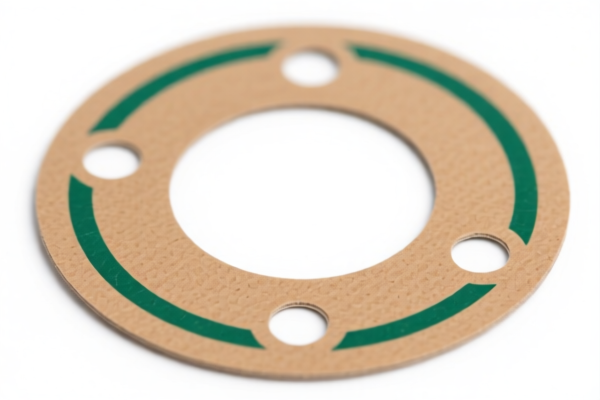
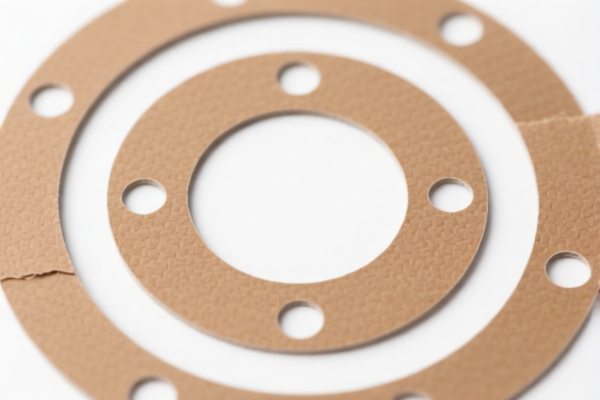
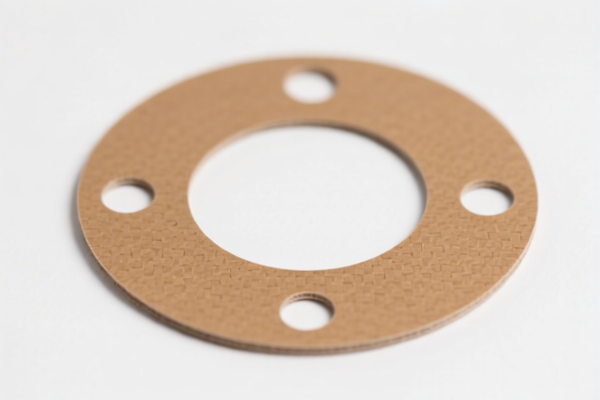
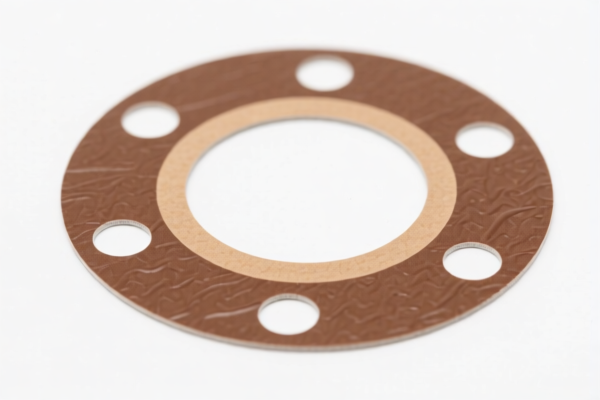
A Coated Paper Gasket is a mechanical seal used to prevent leakage between two mating surfaces. While the core material is paper (cellulose), it is typically impregnated, coated, or laminated with resins, rubber, or synthetic materials to enhance durability, oil resistance, and compressibility.
In international trade, the classification depends heavily on: 1. Primary Material: Is it predominantly paper or plastic/rubber? 2. Form/Use: Is it a general mechanical part (HS 8487) or a specific sealing item (HS 4823/3926)? 3. US Tariff Context: With high additional tariffs on Chinese goods, selecting the correct HS code within the permissible range is critical for cost control.
⚠️ Key Distinction:
- If primarily Paper-based (even if coated): Falls under Chapter 48 (Paper/Paperboard).
- If primarily Plastic/Rubber-based: Falls under Chapter 39 (Plastics) or Chapter 40 (Rubber).
- If considered a General Mechanical Part: Falls under HS 8487.
📦 II. HS Code Classification Details (2026 Latest Tariff Authority Comparison)
Based on the provided data, here are the five most likely HS Code classifications for "Coated Paper Gaskets," along with their tax implications.
| HS Code | Product Description & Logic | Applicable Scenario | Total Tax Rate (China Origin) |
|---|---|---|---|
4823.90.60.00 |
Paper Gaskets/Seals: Matches paper material and gasket form. Classified under "Gaskets, washers, and other seals of paper or paperboard." | Standard coated paper gaskets where paper is the primary constituent. | 35.0% |
3926.90.45.10 |
Plastic Seals: Form matches gasket; material judged as paper but categorized under plastics due to coating/lamination processes. | Gaskets heavily coated or laminated with plastic/resin, making them technically "plastic products." | 38.5% |
4823.90.80.00 |
Other Paper Articles: Name contains "paper," form is gasket. Classified under "Other articles of paper" for gaskets/seals. | General paper-based gaskets not specifically listed in subheading .60. | 35.0% |
8487.90.00.40 |
Mechanical Parts: Classified as a non-metallic mechanical part. Does not conflict with specific metal/electrical requirements. | Gaskets used as generic spare parts for machinery, regardless of specific sealing material hierarchy. | 38.9% |
8487.90.00.80 |
Other Mechanical Parts: Non-electrical component, not specifically defined as oil seals. | Broad category for mechanical parts; high tariff due to less specific classification. | 88.9% |
🔍 Critical Warning:
- Avoid8487.90.00.80: The tax rate is 88.9% due to additional steel/aluminum/copper penalties potentially applying if misclassified.
- Preferred Codes:4823.90.60.00and4823.90.80.00offer the lowest effective rates (35.0%) for paper-based products.
- Risk Code:3926.90.45.10(38.5%) is acceptable if the product is heavily plastic-coated, but requires strict proof of material composition.
💰 III. 2026 Latest Tariff Rate Breakdown (Including Surcharges & Policy Add-ons)
✅ Applicable Country: United States (US)
✅ Country of Origin: China (CN)
✅ Effective Date: Post-November 10, 2025 (including subsequent imports)
🎯 1. 4823.90.60.00 & 4823.90.80.00 —— Paper Gaskets/Seals (Lowest Tax Option)
| Item | Content |
|---|---|
| Base Duty Rate | 0% (ad valorem) |
| Section 301 Duty (USITC) | +25% (Additional Tariff for Chinese Goods) |
| IEEPA Duty | +10% (Targeting China/HK Products, effective from Nov 10, 2025) |
| Total Tax Rate | 35.0% |
| Tax Calculation | CIF Value × 35% |
| De Minimis Exemption | ❌ Not Eligible (deny_de_minimis) |
| Legal Basis Path | IEEPA:9903.01.25 → USITC:4823.90.60.00 → FOOTNOTE:301 |
📌 Explanation:
- "USITC 25%": From Section 301 of the Trade Act of 1974.
- "IEEPA 10%": From the International Emergency Economic Powers Act, imposing an additional 10% on Chinese imports.
- Total 35%: This is the most cost-effective classification for paper-based gaskets.
🎯 2. 3926.90.45.10 —— Plastic Gaskets (Medium Tax Option)
| Item | Content |
|---|---|
| Base Duty Rate | 3.5% |
| Section 301 Duty (USITC) | +25% |
| IEEPA Duty | +10% |
| Total Tax Rate | 38.5% |
| Tax Calculation | CIF Value × 38.5% |
| De Minimis Exemption | ❌ Not Eligible |
| Legal Basis Path | IEEPA:9903.01.24 → USITC:3926.90.45.10 |
📌 Note:
- Slightly higher than paper codes due to the 3.5% base duty.
- Only use if the product is primarily plastic with a paper backing, not vice versa.
🎯 3. 8487.90.00.40 —— Mechanical Parts (High Tax Option)
| Item | Content |
|---|---|
| Base Duty Rate | 3.9% |
| Section 301 Duty (USITC) | +25% |
| IEEPA Duty | +10% |
| Total Tax Rate | 38.9% |
| Tax Calculation | CIF Value × 38.9% |
| De Minimis Exemption | ❌ Not Eligible |
📌 Note:
- Higher base duty (3.9%) makes it less competitive than paper codes.
- Acceptable if the gasket is considered a generic mechanical spare part with no specific "gasket" classification in Chapter 48/39.
🎯 4. 8487.90.00.80 —— Other Mechanical Parts (Highest Tax Risk!)
| Item | Content |
|---|---|
| Base Duty Rate | 3.9% |
| Section 301 Duty (USITC) | +25% |
| IEEPA Duty | +10% |
| Steel/Aluminum/Copper Surcharge | +50% (If misclassified or deemed metal-containing) |
| Total Tax Rate | 88.9% |
| Tax Calculation | CIF Value × 88.9% |
| De Minimis Exemption | ❌ Not Eligible |
⚠️ Critical Warning:
- DO NOT USE unless absolutely necessary.
- The 50% additional surcharge for metal/non-compliant items can push taxes to nearly 90%.
- Paper gaskets should never be classified here if Chapter 48 codes are available.
🛠️ IV. Customs Clearance Practical Advice (Real-World Pitfall Guide)
✅ 1. Required Documentation Checklist
| Document | Mandatory? | Explanation |
|---|---|---|
| ✅ Product Spec Sheet | ✔️ | Must state material composition (e.g., "90% Paper, 10% Resin Coating"). |
| ✅ Material Certificate | ✔️ | Proves primary material is paper, not plastic or rubber. |
| ✅ Product Photos | ✔️ | Clear images of the gasket, showing texture and any coatings. |
| ✅ Commercial Invoice | ✔️ | Describe as "Coated Paper Gaskets, Model XYZ" – DO NOT use generic "Mechanical Parts." |
| ✅ Packing List | ✔️ | Consistent with invoice. |
| ✅ Certificate of Origin | ✔️ | Required to verify China origin and apply correct tariffs. |
✅ 2. Declaration Tips (Key Mantras)
🔥 "Paper First, Plastic Second, Mechanical Last! Avoid the 89% Trap!"
| Scenario | Correct HS Code | Mistake to Avoid |
|---|---|---|
| Standard Coated Paper Gasket | 4823.90.60.00 (35%) |
Misclassifying as Plastic (3926) → +3.5% base duty. |
| Heavily Plastic-Laminated Gasket | 3926.90.45.10 (38.5%) |
Misclassifying as Paper → Customs may reassess and penalize. |
| Generic Spare Part | 8487.90.00.40 (38.9%) |
Using 8487.90.00.80 → 88.9% Tax! |
| Gasket with Metal Ring | Check specific rules | If metal ring is structural, may require different classification. |
✅ 3. Special Handling Cases
| Case | Recommendation |
|---|---|
| OEM Custom Gaskets | Provide customer drawings showing material layers. Avoid ambiguous terms like "Rubber-like." |
| Gaskets with Adhesive Backing | Still Classifiable under 4823 if paper is the main body. Declare "Pressure-sensitive adhesive coated paper gasket." |
| High-Temp Paper Gaskets | Ensure spec sheet highlights "Asbestos-free" if applicable, to meet US environmental standards. |
| Bulk Rolls vs. Cut Shapes | Both can be 4823.90.60.00 if described as "cut to shape for sealing." |
🌍 V. Global Market Comparison (2026 Latest)
| Country/Region | Recommended HS Code | Tariff (China Origin) | Certification | Notes |
|---|---|---|---|---|
| 🇺🇸 USA | 4823.90.60.00 |
35% (Lowest) | None specific | Avoid 8487.90.00.80 at all costs. |
| 🇨🇳 China | 4823.90.60.00 |
5% | CCC (if applicable) | Low tax, easy clearance. |
| 🇪🇺 EU | 4823.90.90 |
0-6% | REACH (Chemicals) | No Section 301/IEEPA penalties. |
| 🇦🇺 Australia | 4823.90.90 |
5% | None | Moderate duty. |
| 🇯🇵 Japan | 4823.90.90 |
0-3% | PSE (if electrical) | Very favorable for paper goods. |
📌 Conclusion:
- USA has the highest barriers due to Section 301 + IEEPA.
- Paper-based classification (4823) is the strategic choice for US imports to minimize tariff impact.
- Avoid8487.90.00.80as it results in 88.9% tax, eroding all profit margins.
📌 VI. Common Errors & Pitfalls (Lessons Learned)
❌ Error 1: Classifying as 8487.90.00.80 because it's a "mechanical part."
👉 Consequence: 88.9% Tax! A 54% overpayment compared to correct paper classification.
❌ Error 2: Calling it "Rubber Gasket" when it's paper.
👉 Consequence: Misdeclaration, potential fines, and reclassification to higher tax brackets.
❌ Error 3: Ignoring the "Coated" aspect.
👉 Consequence: If coating is >50% by weight, customs may shift classification to 3926 (Plastics), increasing tax from 35% to 38.5%.
❌ Error 4: Failing to provide material composition.
👉 Consequence: Customs will assign a default code with higher tax or delay shipment.
✅ Correct Practice:
"Coated Paper Gaskets, Non-Asbestos, Resin-Impregnated, Model XYZ, Made in China"
🎯 VII. Conclusion: Professional Declaration, Cost Savings, Efficiency!
🎯 Remember the Mantra:
🔹 "Paper First, 35% Tax! Plastic Second, 38.5%! Mechanical Last, 89% Trap!"
🔹 "HS Code Decides Fate, 35% vs 89% is a Huge Gap! Declare Accurately, Save Thousands!"
📌 Pro Tip:
If your gaskets are coated with significant plastic content, consider whether 3926.90.45.10 (38.5%) is more accurate. However, 4823.90.60.00 (35%) remains the best-case scenario for paper-heavy products.
Apply for a Pre-Ruling (Advance Ruling) with US CBP if your product is on the borderline between Paper and Plastic.
📣 Immediate Action:
📞 Contact your customs broker with material specs and photos.
🚀 Choose4823.90.60.00for maximum savings.
💼 Every 1% of tax matters in a 35% regime!
✨ Professional Clearance Starts with Accurate Classification!
💼 Your Cost Per Unit Deserves Precision!
用户评价
关于 HS 编码归类
协调制度(HS)是由世界海关组织(WCO)制定的国际贸易商品分类标准。全球 200 多个国家采用 HS 系统作为海关关税、贸易统计和进出口监管的基础。
每个 HS 编码遵循以下层级结构:
- 章(2 位)——商品大类(例如:第 84 章:机器和机械设备)
- 品目(4 位)——章内的更具体分类
- 子目(6 位)——国际通用细分,所有 WCO 成员国统一使用
- 本国细分(8-10 位)——各国自行扩展的细分编码,如美国 HTSUS 10 位编码
正确的 HS 编码归类对于顺利通关、准确缴纳关税和遵守贸易法规至关重要。错误归类可能导致海关延误、多缴关税或罚款。
从CN进口到US时,适用的关税税率可能包括:
- 最惠国(MFN)税率——适用于 WTO 成员国的标准关税税率
- 普通税率——适用于无贸易协定国家
- 贸易救济关税——附加关税,如 301 条款(反倾销)、232 条款(国家安全)或反补贴税
本页内容仅供参考。如需正式归类,请咨询当地海关或持牌报关代理。