Cocoa Shells
CN → US| HS编码 | 关税税率 | 原产国 | 目的国 | 文档 |
|---|---|---|---|---|
| 1801000000 | 0.0% | CN | US | 官方文档 |
| 2303000000 | 0.0% | CN | US | 官方文档 |
商品图片
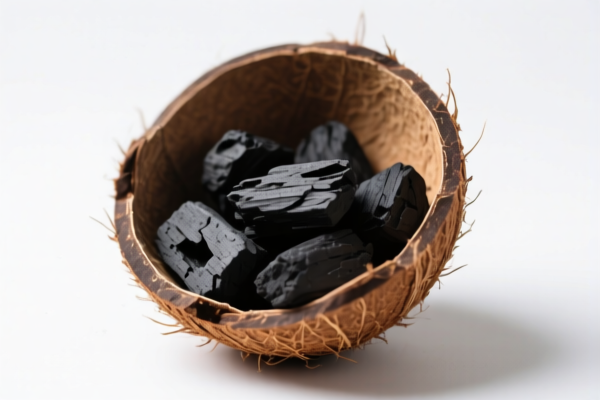
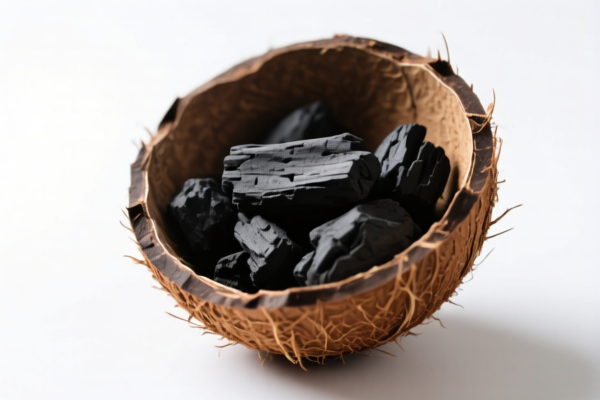
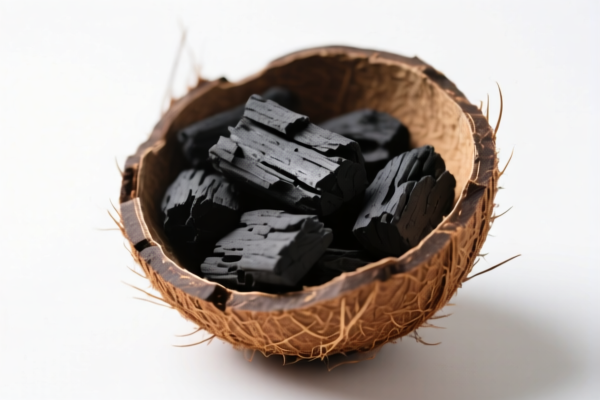
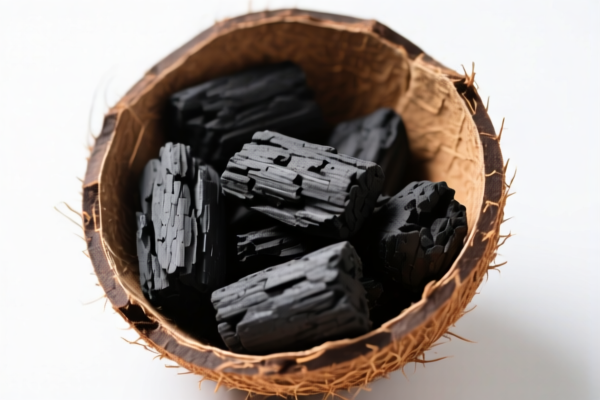
AI分析
🍫 Cocoa Shells (Cocoa By-Product)
🌐 HS Code Reference & Customs Clearance Guide | 2026 Latest Tariff Structure | Professional Clearance Strategy
📌 1. Product Definition: What Exactly Are "Cocoa Shells"?
Cocoa shells are the hard, brittle outer husks or skins that remain after cocoa beans are roasted, cracked, and winnowed to separate the nibs. They are a significant by-product of the chocolate manufacturing industry.
In international trade, they are primarily classified in two ways depending on their state and intended use: 1. Raw By-Product: The shells themselves, often used as compost, biomass fuel, or in the extraction of cocoa butter residues. 2. Extracted Material: Shells processed to extract specific compounds (though less common in basic trade, usually falls under chemical extracts if processed).
⚠️ Key Distinction:
- If sold as dry, unprocessed husks for agricultural/commercial use → HS 1805.00.10 / 1805.00.90 (Cocoa Shells)
- If sold as Cocoa Butter extracted from these shells → HS 1513.11 / 1513.19
- If sold as Cocoa Powder (processed nibs) → HS 1806.31 / 1806.90Note: HS Code 1805 is specifically dedicated to "Cocoa shells and husks, whether or not roasted."
📦 2. HS Code Classification Details (2026 Tariff Alignment)
| HS Code | Product Description | Usage Scenario | Processing Level |
|---|---|---|---|
1805.00.10.00 |
Cocoa shells and husks, whether or not roasted | Raw by-product from chocolate factories; used for biomass, compost, or further extraction | ✅ Minimal (Roasted/Unroasted) |
1805.00.90.00 |
Other (unspecified) cocoa shells and husks | Bulk agricultural waste; non-standard packaging or mixed lots | ✅ Minimal |
1806.90.00.00 |
Chocolate and other food preparations containing cocoa | If shells are processed into final edible products (rare for shells alone) | ✅ Highly Processed |
1513.11.00.00 |
Cocoa butter, frozen | If the primary goal is butter extraction from shells (different commodity) | ✅ Extracted |
1513.19.00.00 |
Cocoa butter, other | Unfrozen cocoa butter | ✅ Extracted |
🔍 Critical Note:
- HS 1805 is the exclusive code for "Cocoa Shells and Husks." Do not misclassify as raw cocoa beans (1801) or cocoa powder (1806).
- If the shells are contaminated with foreign matter (soil, plastic), customs may reclassify under Chapter 12 (Oil Seeds) or Chapter 38 (Residual Products), leading to higher duties or rejection.
- Roasted vs. Unroasted: Both are covered under1805.00, but specify in documentation. Roasted shells may have different fumigation requirements.
💰 3. 2026 Latest Tariff Rate Details (USA Market Focus)
✅ Applicable Country: United States (US)
✅ Origin: China (CN) (Assuming Chinese origin for this example; adjust if from Côte d'Ivoire, etc.)
✅ Effective Date: 2026 Tariff Schedule
🎯 1. 1805.00.10.00 – Cocoa Shells and Husks, Whether or Not Roasted
| Item | Content |
|---|---|
| Base Rate (MFN) | 0% (Ad Valorem) – Generally duty-free for agricultural by-products |
| USITC Surcharge (Section 301) | +25% (Under USITC Footnote 9903.88.01 or specific 301 list) |
| IEEPA Surcharge | +10% (China/origin-specific, effective Nov 10, 2025) |
| Total Tariff Rate | 35% |
| Calculation Basis | CIF Value × 35% |
| De Minimis Eligibility | ❌ No (Deny De Minimis for Chapter 18 goods from China) |
| Legal Path | IEEPA:9903.01.24 → USITC:1805.00.10.00 → FOOTNOTE:9903.88.01 |
📌 Explanation:
- Although cocoa shells are a by-product, Section 301 tariffs apply to most Chinese-origin agricultural processing goods.
- The 35% total rate is significant for low-value bulk goods, making cost management critical.
- De Minimis (Section 321) does NOT apply, meaning even small parcels must go through formal customs entry.
🎯 2. 1805.00.90.00 – Other Cocoa Shells and Husks
| Item | Content |
|---|---|
| Base Rate | 0% |
| USITC Surcharge | +25% |
| IEEPA Surcharge | +10% |
| Total Rate | 35% |
| De Minimis | ❌ No |
| Legal Path | Same as above |
📌 Note: Identical tariff treatment to
1805.00.10.
🛠️ 4. Customs Clearance Practical Advice (Avoid Pitfalls)
✅ 1. Required Documentation Checklist
| Document | Mandatory? | Notes |
|---|---|---|
| ✅ Commercial Invoice | ✔️ | Must clearly state "Cocoa Shells/Husks" and HS 1805.00.10.00** |
| ✅ Packing List | ✔️ | Detail weight, volume, and packaging type (e.g., jute bags, bulk containers) |
| ✅ Bill of Lading/Air Waybill | ✔️ | Ensure "Clean On Board" status |
| ✅ Phytosanitary Certificate | ✔️ | Critical! Cocoa shells are plant material. May require fumigation or pest-free certification |
| ✅ Certificate of Origin | ✔️ | To claim MFN rate (though 0% base rate) and verify origin for surcharges |
| ✅ Processing/Usage Statement | ✔️ | Declare end-use (e.g., "for biomass fuel," "for composting") to avoid misclassification |
✅ 2. Declaration Tips (Key Rules)
🔥 "Declare as By-Product, Not Food. Specify Roasted Status. Avoid Ambiguity."
| Scenario | Correct Declaration | Wrong Practice |
|---|---|---|
| Raw Shells | "Cocoa Shells, Unroasted, for Biomass Fuel" | "Cocoa Powder" → Triggers food safety checks |
| Roasted Shells | "Roasted Cocoa Shells, for Compost" | "Cocoa Beans" → Wrong HS Code (1801) |
| Mixed Packaging | Declare as single commodity "Cocoa Shells" | Split into "husks" and "nibs" → Misclassification |
| Contaminated Goods | Disclose contamination if present | Hide it → Risk of quarantine/rejection |
✅ 3. Special Handling & Regulations
| Condition | Recommendation |
|---|---|
| Pest Control | Cocoa shells can harbor insects (e.g., cocoa pod borer). Fumigation Certificate is often required by USDA-APHIS. |
| Moisture Content | Ensure moisture is below 12-15% to prevent mold during transit. High moisture may lead to reclassification as "waste" (2309.90) with different rules. |
| End-Use Verification | If claiming agricultural exemption, provide proof of end-use (e.g., contract for biomass plant). |
| Sanitary & Phytosanitary (SPS) Measures | Be prepared for physical inspection at US ports of entry. |
🌍 5. Global Market Comparison (2026)
| Country/Region | Recommended HS Code | Tariff Rate | Certification | Notes |
|---|---|---|---|---|
| 🇺🇸 USA | 1805.00.10.00 |
35% (Total) | Phytosanitary + USDA | High surcharge; strict SPS |
| 🇨🇳 China | 1805.00.10.00 |
5% | No special | Low base rate; good for recycling |
| 🇪🇺 EU | 1805.00.00.00 |
0% | No special | Duty-free; strict REACH compliance if processed |
| 🇦🇺 Australia | 1805.00.00.00 |
5% | Biosecurity Check | Strict biosecurity; may require treatment |
| 🇯🇵 Japan | 1805.00.00.00 |
3.5% | No special | Moderate tariff; good market for biomass |
📌 Conclusion:
- USA is the most expensive market due to Section 301 + IEEPA surcharges.
- EU and Australia offer better tariff structures but have strict biosecurity/phytosanitary requirements.
- China offers a balanced option for recycling industries.
📌 6. Common Mistakes & Pitfalls (Lessons Learned)
❌ Mistake 1: Classifying Cocoa Shells as Cocoa Powder (1806)
👉 Consequence: Incorrect HS Code → Potential reclassification + penalty + food safety delays.
❌ Mistake 2: Omitting Phytosanitary Certificate
👉 Consequence: Goods held at port → Quarantine fees → Possible destruction if infested.
❌ Mistake 3: Declaring as "Waste" without proof
👉 Consequence: May fall under Chapter 38 or 23, leading to higher duties or environmental compliance issues.
❌ Mistake 4: Not specifying "Roasted vs. Unroasted"
👉 Consequence: Customs may request clarification → Delays → Storage fees.
✅ Correct Practice:
"Roasted Cocoa Shells, Bulk Jute Bags, HS 1805.00.10.00, Fumigated, For Biomass Fuel Use, Certificate of Origin: CN"
🎯 7. Conclusion: Smart Clearance for Cocoa Shells
🎯 Key Takeaway:
🔹 "Cocoa Shells = HS 1805. Not Food. Not Beans."
🔹 "35% Total Duty in USA. Phytosanitary is a Must."
🔹 "De Minimis Does Not Apply. Formal Entry Required."
📌 Pro Tip:
If exporting to the USA, consider Value-Added Processing (e.g., extracting residual cocoa butter or converting to specialized biochar) to potentially shift to a different HS Code with lower duties or different regulatory treatment.
For bulk exports, ensure moisture control and fumigation are handled by certified providers to avoid port rejections.
📣 Action Items:
📞 Contact a Licensed Customs Broker to verify current phytosanitary requirements.
📄 Prepare Phytosanitary Certificate before shipment.
📊 Calculate Total Landed Cost including 35% tariff for US shipments.
🚀 Ensure Clean, Dry, Fumigated Goods for smooth clearance.
✨ Professional Clearance Starts with Accurate Classification!
💼 Every Ton of Cocoa Shells is a Value Chain Opportunity!
用户评价
关于 HS 编码归类
协调制度(HS)是由世界海关组织(WCO)制定的国际贸易商品分类标准。全球 200 多个国家采用 HS 系统作为海关关税、贸易统计和进出口监管的基础。
每个 HS 编码遵循以下层级结构:
- 章(2 位)——商品大类(例如:第 84 章:机器和机械设备)
- 品目(4 位)——章内的更具体分类
- 子目(6 位)——国际通用细分,所有 WCO 成员国统一使用
- 本国细分(8-10 位)——各国自行扩展的细分编码,如美国 HTSUS 10 位编码
正确的 HS 编码归类对于顺利通关、准确缴纳关税和遵守贸易法规至关重要。错误归类可能导致海关延误、多缴关税或罚款。
从CN进口到US时,适用的关税税率可能包括:
- 最惠国(MFN)税率——适用于 WTO 成员国的标准关税税率
- 普通税率——适用于无贸易协定国家
- 贸易救济关税——附加关税,如 301 条款(反倾销)、232 条款(国家安全)或反补贴税
本页内容仅供参考。如需正式归类,请咨询当地海关或持牌报关代理。