Cold Chain Food Delivery Bag
CN → US| HS编码 | 关税税率 | 原产国 | 目的国 | 文档 |
|---|---|---|---|---|
| 3923290000 | 38.0% | CN | US | 官方文档 |
| 6307909891 | 24.5% | CN | US | 官方文档 |
| 4202920809 | 42.0% | CN | US | 官方文档 |
| 4202920807 | 42.0% | CN | US | 官方文档 |
| 6307909884 | 24.5% | CN | US | 官方文档 |
| 3923210095 | 38.0% | CN | US | 官方文档 |
商品图片
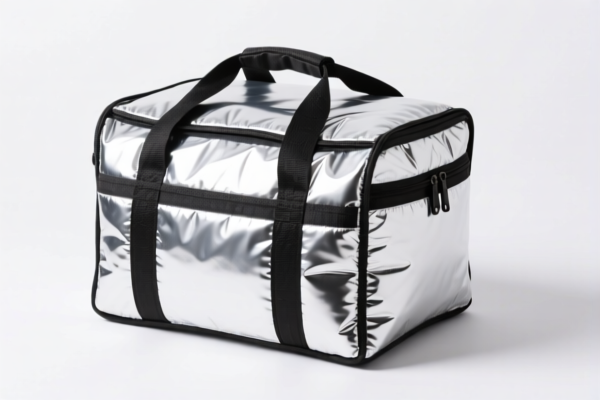
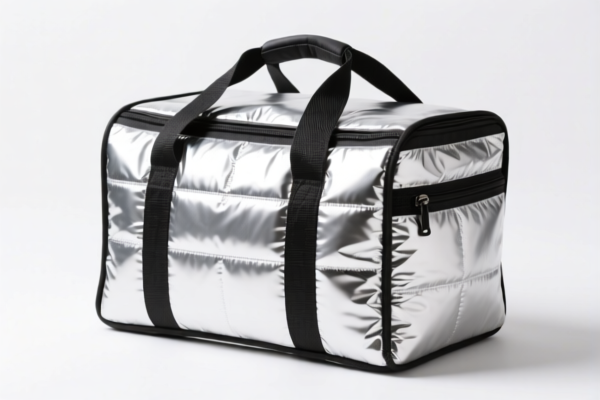
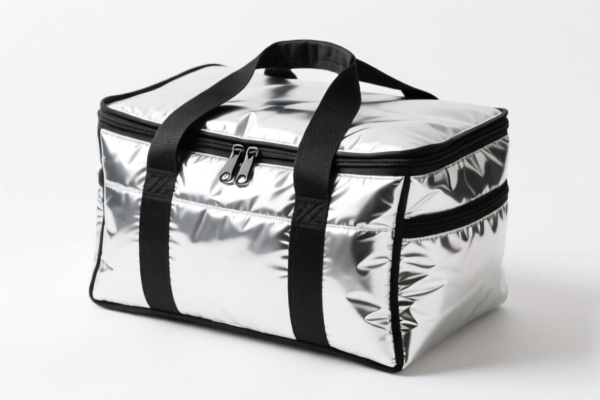
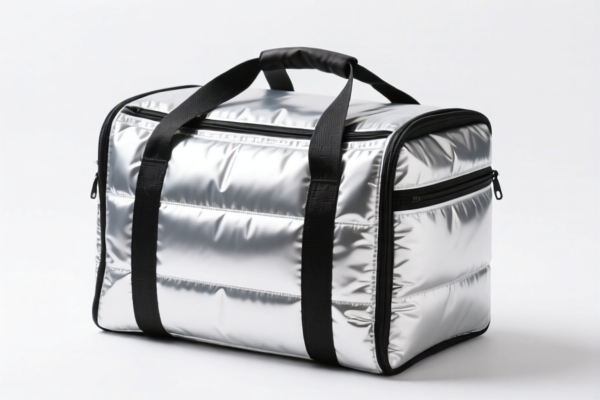
AI分析
❄️ Cold Chain Food Delivery Bag (Insulated Lunch Bags)
🌐 HS Code Reference & Customs Clearance Guide | 2026 Latest Tariff Analysis | Professional Strategy for US Imports
📌 I. Product Definition & Classification: What Exactly is a "Cold Chain Bag"?
A "Cold Chain Food Delivery Bag" (often called an insulated lunch bag, thermal bag, or food cooler bag) is a portable container designed to maintain the temperature of perishable goods (food, medicine, biological samples) during transport.
In international trade, the classification depends heavily on two factors:
1. The Outer Surface Material: Is it plastic, textile, or a composite?
2. The Form: Is it a simple flexible pouch (sack/bag) or a structured garment-like item?
⚠️ Key Classification Distinction:
- If the bag is made primarily of plastic sheeting or looks like a large plastic sack → Chapter 39 (Plastics)
- If the bag has an outer surface made of textiles/fabrics (even if lined with plastic) → Chapter 42 (Articles of Leather; Travel Goods)
- If the bag is a finished accessory made of mixed materials but doesn't fit the "sack" definition → Chapter 63 (Other Made-Up Articles)
📦 II. HS Code Classification Details (2026 Authoritative Mapping)
Below are the five specific HS Codes derived from your data, each reflecting a different material/form combination.
| HS Code | Product Description Summary | Material/Form Characteristics | Why It Fits This Code |
|---|---|---|---|
| 3923.29.00.00 | Plastic Sacks/Bags | Outer surface: Plastic (e.g., polyethylene films). Shape: Flexible sack/bag. | Matches "Plastic goods for transport/packaging." If the bag is essentially a thick plastic liner or pouch without textile reinforcement on the exterior, it falls here. |
| 6307.90.98.91 | Other Made-Up Articles | Material: Plastic or composite. Form: Finished bag. | Used for specific "other" insulated bags that don't fit the strict "textile" definition of Ch 42 or the pure "plastic sack" definition of Ch 39. Often applies to specific composite structures. |
| 4202.92.08.09 | Travel/Similar Articles (Textile Outer) | Outer Surface: Textile materials. | If the exterior fabric is cloth (nylon, polyester, canvas), even if insulated inside, it is classified under Travel Goods/Other Articles of Leather. High tax burden due to "Other" category. |
| 4202.92.08.07 | Insulated Food Bags (Textile Outer) | Outer Surface: Artificial fibers/textiles. Use: Insulated food bags. | A specific subset of 4202.92 targeting bags where the outer is textile and the primary function is insulation for food. Matches the "Insulated" descriptor precisely. |
| 6307.90.98.84 | Other Made-Up Textile/Plastic Articles | Material: Plastic or Artificial Fibers. Form: Bag. | A catch-all for made-up articles that are neither purely plastic sacks nor standard textile goods. Often used for bags with complex laminates or non-standard constructions. |
🔍 Critical Note on "Outer Surface":
Customs authorities (especially US CBP) look at the exterior material to determine Chapter 42 vs. Chapter 39/63.
- Visible Textile Outside? → Likely 4202.
- Visible Plastic Outside? → Likely 3923 or 6307.
💰 III. 2026 Tariff Rate Breakdown (Detailed Tax Clauses)
✅ Applicable Country: United States (US)
✅ Origin: China (CN)
✅ 生效时间: Rates apply to imports from China, including Section 301 (Trade Act) and IEEPA surcharges.
The total tax burden varies significantly based on the HS Code selected. Below is the detailed breakdown based on your provided data.
🎯 1. Category A: Plastic-Based Bags (HS 3923.21 / 3923.29)
Applies to: 3923.29.00.00 & 3923.21.00.95
| Tax Component | Rate | Source/Clause |
|---|---|---|
| Basic Duty (MFN) | 3.0% | General Schedule (GS1) Base Rate |
| Section 301 Surcharge | 25.0% | Trade Act of 1974, Section 301 (List 4A/4C) |
| Section 122 / IEEPA Surcharge | 10.0% | Executive Order/IEEPA Prohibition |
| Total Effective Tax Rate | 38.0% | Sum of all components |
📌 Interpretation:
- These bags are classified as "Plastic Packagings."
- The 25% Section 301 tariff is the major cost driver.
- The 10% IEEPA/122 clause adds further cost.
- Warning: If the bag is made of PVC or PE films, ensure it is not misclassified as a "garment" to avoid higher textile duties, but also note that plastic classification still carries heavy tariffs.
🎯 2. Category B: Composite/Other Made-Up Articles (HS 6307.90)
Applies to: 6307.90.98.91 & 6307.90.98.84
| Tax Component | Rate | Source/Clause |
|---|---|---|
| Basic Duty (MFN) | 7.0% | General Schedule (GS1) Base Rate |
| Section 301 Surcharge | 7.5% | Trade Act of 1974, Section 301 (List 4B) |
| Section 122 / IEEPA Surcharge | 10.0% | Executive Order/IEEPA Prohibition |
| Total Effective Tax Rate | 24.5% | Sum of all components |
📌 Interpretation:
- This is the most tax-efficient classification for many insulated bags if they can be argued as "Other Made-Up Articles" rather than plastic sacks or textile goods.
- The Base Rate (7%) is higher than plastic (3%), but the Section 301 rate (7.5%) is significantly lower than the 25% for plastics.
- Strategy: If the bag has a complex laminate structure (e.g., aluminum foil layer + plastic + fabric), argue for 6307.90 to save 13.5% in total taxes compared to the plastic classification.
🎯 3. Category C: Textile Outer Bags (HS 4202.92)
Applies to: 4202.92.08.09 & 4202.92.08.07
| Tax Component | Rate | Source/Clause |
|---|---|---|
| Basic Duty (MFN) | 7.0% | General Schedule (GS1) Base Rate |
| Section 301 Surcharge | 25.0% | Trade Act of 1974, Section 301 (Textiles/Apparel) |
| Section 122 / IEEPA Surcharge | 10.0% | Executive Order/IEEPA Prohibition |
| Total Effective Tax Rate | 42.0% | Sum of all components |
📌 Interpretation:
- This is the most expensive classification.
- Even though the base rate is 7%, the 25% Section 301 surcharge applies because it falls under textile/leather goods subject to full retaliatory tariffs.
- Avoid this classification unless the bag is clearly a "travel accessory" (like a briefcase or handbag) rather than a pure delivery/cooling bag. If it's a simple insulated pouch, the 6307 or 3923 options are financially superior.
🛠️ IV. Customs Clearance Practical Advice (Risk Mitigation)
✅ 1. Documentation Checklist (Must-Haves)
| Document | Requirement | Reason |
|---|---|---|
| Commercial Invoice | Must clearly state: "Insulated Food Delivery Bag," Material Composition (e.g., "Outer: Nylon, Inner: PE Foam"), and Function. | Prevents misclassification by customs officers who may assume "Textile" if they see fabric. |
| Product Photos | High-res images of the exterior and interior lining. | Crucial for proving whether the "Outer Surface" is textile (Ch 42) or plastic (Ch 39/63). |
| Bill of Materials (BOM) | Detail layers: E.g., "Outer: Polyester 600D; Middle: EPE Foam; Inner: Aluminum Foil." | Supports classification under 6307.90 (composite/made-up) rather than simple plastic/textile. |
| Structure Diagram | Show that the bag is not "garment-like" (no zippers for wearing, no handles for shoulder carrying if possible). | Differentiates from "Travel Goods" (4202) if you want to argue for lower-tax categories. |
✅ 2. Declaration Tips (Key Mnemonics)
🔥 "Outer Material Defines Chapter; Lining Defines Function; Composite Wins Tax!"
| Scenario | Recommended HS Code | Tax Rate | Risk Level |
|---|---|---|---|
| Plain Plastic Tote | 3923.29.00.00 |
38.0% | Low (Standard) |
| Fabric-Outside, Plastic-Inside | 4202.92.08.07 |
42.0% | High (Avoid if possible) |
| Complex Laminate (Alu/PE/Fab) | 6307.90.98.91 |
24.5% | Medium (Best Value) |
| Generic Insulated Pouch | 6307.90.98.84 |
24.5% | Low-Medium |
💡 Strategic Insight:
If your bag has any textile element, customs may push for 4202 (42% tax). To mitigate this:
1. Argue that the textile is merely a "reinforcement" and the primary material is plastic/composite → Aim for 6307 (24.5%).
2. Ensure the bag is not shaped like a handbag or briefcase.
3. Use the term "Insulated Packaging Bag" rather than "Insulated Tote Bag" in descriptions.
✅ 3. Special Case Handling
| Situation | Handling Advice |
|---|---|
| Bag contains Ice Packs | Declare ice packs separately or as accessories. Do not let them affect the HS code of the bag. |
| Custom Logo Printing | Does not change HS code, but ensure invoice value reflects the bag + printing service accurately. |
| Origin: Vietnam/Mexico | CRITICAL: If you produce these bags in Vietnam or Mexico, you may qualify for IEEPA Exemptions or lower Section 301 rates. Ensure Country of Origin is correctly marked on the product and packaging. |
🌍 V. Global Market Comparison (2026 Snapshot)
| Market | Recommended HS Code | Est. Total Tax (China Origin) | Notes |
|---|---|---|---|
| 🇺🇸 USA | 6307.90.98.91 |
24.5% | Best balance of clarity and cost. Avoid 4202 (42%). |
| 🇪🇺 EU | 6307.90 |
~12-16% | No Section 301. Focus on material composition (textile vs plastic). |
| 🇨🇳 China (Import) | 6307.90 |
~7-10% | Lower base duties, no retaliatory tariffs. |
| 🇨🇦 Canada | 6307.90 |
~12-17% | Similar to EU, focus on composite nature. |
📌 Conclusion for US Importers:
The 17.5% difference between the 24.5% and 42.0% tax rates is massive.
Do NOT simply declare "Insulated Bag."
DO provide detailed material breakdowns to justify 6307.90.98.91 or 3923.29.00.00.
📌 VI. Common Mistakes & Pitfalls (Blood & Tears)
❌ Mistake 1: Declaring a Fabric-Exterior bag as Plastic (3923).
👉 Consequence: Customs may downgrade to Textile (4202), applying 42% tax + penalties for misdeclaration.
❌ Mistake 2: Ignoring the 10% IEEPA/Section 122 surcharge.
👉 Consequence: Underpayment of duties. Even if Section 301 is 25%, the extra 10% is mandatory for Chinese goods.
❌ Mistake 3: Using "Handbag" or "Briefcase" in the product name.
👉 Consequence: Guaranteed classification under 4202 (42% tax). Use "Delivery Bag," "Cooler," or "Packaging Pouch."
✅ Correct Practice:
"Insulated Food Delivery Bag, Made of Laminated Plastic/Foil/Textile Composite, for Cold Chain Transport, Model XYZ, No Wearing Straps"
🎯 VII. Conclusion: Smart Classification Saves Money
🎯 Remember the Golden Rule:
🔹 "Textile Outside = 42% (Bad)"
🔹 "Plastic Sack = 38% (Okay)"
🔹 "Composite Made-Up = 24.5% (Best)"
📌 Action Item:
- Review your bag's outer material.
- If it's fabric, try to argue for 6307.90 based on composite structure.
- If it's plastic, use 3923.29.
- Always account for the 25% Section 301 + 10% IEEPA surcharges.
📣 Immediate Action:
📞 Consult a licensed customs broker to apply for an Advance Ruling (Pre-classification) if the material composition is ambiguous.
🚀 Optimize your supply chain: Consider shifting production to Vietnam/Mexico if US market share is high, to bypass Chinese tariffs entirely.
✨ Professional Clearance Starts with Precise Classification!
💼 Every 1% of tax saved is pure profit!
用户评价
关于 HS 编码归类
协调制度(HS)是由世界海关组织(WCO)制定的国际贸易商品分类标准。全球 200 多个国家采用 HS 系统作为海关关税、贸易统计和进出口监管的基础。
每个 HS 编码遵循以下层级结构:
- 章(2 位)——商品大类(例如:第 84 章:机器和机械设备)
- 品目(4 位)——章内的更具体分类
- 子目(6 位)——国际通用细分,所有 WCO 成员国统一使用
- 本国细分(8-10 位)——各国自行扩展的细分编码,如美国 HTSUS 10 位编码
正确的 HS 编码归类对于顺利通关、准确缴纳关税和遵守贸易法规至关重要。错误归类可能导致海关延误、多缴关税或罚款。
从CN进口到US时,适用的关税税率可能包括:
- 最惠国(MFN)税率——适用于 WTO 成员国的标准关税税率
- 普通税率——适用于无贸易协定国家
- 贸易救济关税——附加关税,如 301 条款(反倾销)、232 条款(国家安全)或反补贴税
本页内容仅供参考。如需正式归类,请咨询当地海关或持牌报关代理。