Color Emulsion for Photosensitive Paper
CN → US| HS编码 | 关税税率 | 原产国 | 目的国 | 文档 |
|---|---|---|---|---|
| 4810131140 | 35.0% | CN | US | 官方文档 |
| 4810141140 | 35.0% | CN | US | 官方文档 |
| 3204192040 | 41.5% | CN | US | 官方文档 |
| 3204192090 | 41.5% | CN | US | 官方文档 |
商品图片
AI分析
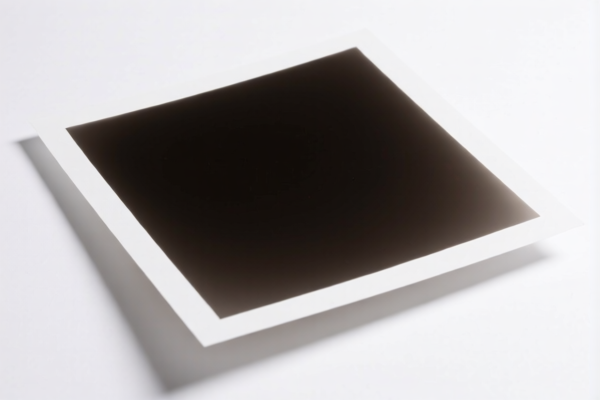
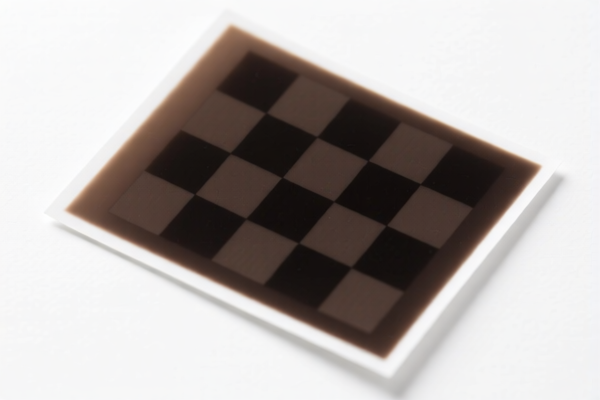
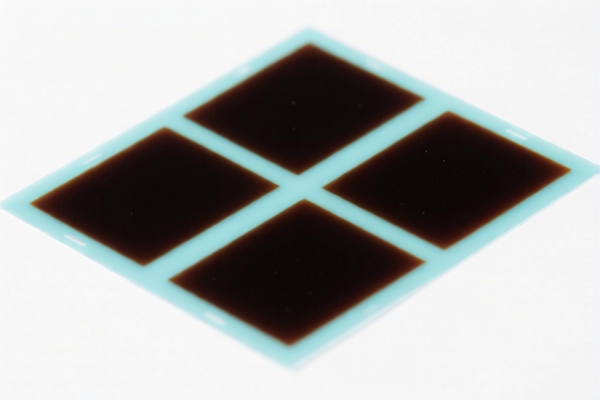
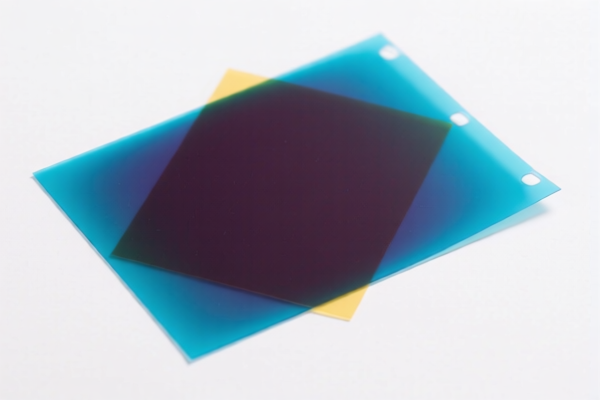
📸 Color Emulsion for Photosensitive Paper
🌐 HS Code Reference & Customs Clearance Guide | 2026 Latest Tariff Analysis | Professional Entry Strategies
📌 I. Product Definition & Classification: Do You Truly Understand "Color Emulsion"?
"Color Emulsion" in the context of photosensitive paper refers to a specialized light-sensitive material prepared by dispersing silver halides (typically silver bromide, chloride, or iodide) and sensitizing dyes in a gelatin or synthetic binder medium. It is primarily coated onto paper substrates to create photographic prints.
In international trade, this product is critically divided into two distinct categories based on its state and application:
- Sensitized Paper (The Finished Media): The emulsion is already coated onto paper, rolls, or sheets, ready for immediate photographic use. These are classified under Chapter 48 (Paper and Paperboard).
- Chemical Colorants/Dyes (The Raw Material): Pure synthetic organic coloring matters or solvent dyes used in the manufacturing process but not yet coated onto paper. These are classified under Chapter 32 (Tanning or Dyeing Extracts; Dyes and Pigments).
⚠️ Key Distinction Point:
- If the product is paper coated with light-sensitive emulsion (ready for printing) → It belongs to HS Code 4810 (Paper/Paperboard).
- If the product is pure dye/colorant (powder, liquid, or paste) used to make the emulsion → It belongs to HS Code 3204 (Synthetic Organic Coloring Matter).
📦 II. HS Code Classification Details (2026 Latest Tariff Authority Comparison)
Based on the provided data, the classification depends on whether the item is the final photosensitive paper or the dye component.
Category A: Photosensitive Paper (Coated Paper)
These items are "Paper and paperboard, coated... with inorganic substances... for writing, printing or other graphic purposes."
| HS Code | Product Description | Application Scenario | State |
|---|---|---|---|
| 4810.13.11.40 | Basic paper to be sensitized for use in photography (in rolls, >15 cm width, ≤150 g/m²) | Unsensitized base paper intended to be coated later; or specific low-weight rolls used in industrial photo processes. | Rolls |
| 4810.14.11.40 | Basic paper to be sensitized for use in photography (sheets, ≤435mm × ≤297mm) | Standard size (like A4/Letter) unsensitized or sensitized sheets. | Sheets |
🔍 Note on Description: The data explicitly lists "Basic paper to be sensitized for use in photography" under these codes. This implies the HS Code covers the paper substrate designated for photographic emulsion coating. If the emulsion is already applied, it still falls under the "graphic purposes" chapter, but the specific subheading depends on weight and form (roll vs. sheet).
Category B: Synthetic Colorants (For Emulsion Manufacturing)
These items are "Synthetic organic coloring matter... for use as fluorescent brightening agents or luminophores."
| HS Code | Product Description | Application Scenario | Chemical Nature |
|---|---|---|---|
| 3204.19.20.40 | Solvent dyes: Solvent yellow 163 | Specific yellow dye used in color photographic emulsions. | Solvent Dye |
| 3204.19.20.90 | Solvent dyes: Other (including mixtures) | Other synthetic organic colorants used in emulsion preparation. | Solvent Dye / Mixture |
📌 Critical Insight:
- "Color Emulsion" as a raw chemical ingredient is likely classified as 3204.19.20.40 (if it is specifically Solvent Yellow 163, a common sensitizing dye) or 3204.19.20.90 (if it is another solvent dye).
- If the user is importing finished photosensitive paper, they must use 4810.13.11.40 or 4810.14.11.40, NOT the 3204 codes.
- Confusion Risk: Importing "emulsion" without specifying if it's coated on paper or pure dye leads to misclassification.
💰 III. 2026 Latest Tariff Rate Details (Including Additional Taxes & Policy Surcharges)
✅ Applicable Country: United States (US)
✅ Origin: China (CN)
✅ Effective Date: Current rates apply as per 2026 guidelines.
🎯 1. 4810.13.11.40 — Basic Paper for Photography (Rolls, ≤150 g/m²)
| Item | Content |
|---|---|
| Base Tariff Rate | 0.0% |
| Additional Tariff (Section 301) | 0.0% |
| Total Tariff Rate | 0.0% |
| Tax Calculation | CIF Value × 0.0% = $0 |
| De Minimis Exemption Eligibility | ❌ Not Applicable (This is a goods declaration, not a package exemption case) |
| Legal Basis | HTSUS 4810.13.11.40 |
📌 Explanation:
- This specific subclass of photographic paper has a zero tariff rate.
- Even with Section 301 surcharges, this item is exempt or has a 0% add-on, making it highly cost-effective to import.
- No additional taxes are applied.
🎯 2. 4810.14.11.40 — Basic Paper for Photography (Sheets, Standard Size)
| Item | Content |
|---|---|
| Base Tariff Rate | 0.0% |
| Additional Tariff (Section 301) | +25.0% |
| Total Tariff Rate | 25.0% |
| Tax Calculation | CIF Value × 25.0% |
| De Minimis Exemption Eligibility | ❌ Not Applicable |
| Legal Basis | HTSUS 4810.14.11.40 → Section 301 Footnote |
📌 Explanation:
- While the base rate is 0%, this specific sheet format incurs a 25% additional tariff.
- This is a significant cost difference compared to rolls.
- Why the difference? Roll formats are often considered more industrial/intermediate, while standard sheets may be classified differently under trade remedies.
🎯 3. 3204.19.20.40 — Solvent Dyes (Solvent Yellow 163)
| Item | Content |
|---|---|
| Base Tariff Rate | 6.5% |
| Additional Tariff (Section 301) | +25.0% |
| Total Tariff Rate | 31.5% |
| Tax Calculation | CIF Value × 31.5% |
| De Minimis Exemption Eligibility | ❌ Not Applicable |
| Legal Basis | HTSUS 3204.19.20.40 → Section 301 Footnote |
📌 Explanation:
- If you are importing the pure dye (Solvent Yellow 163), the cost is high.
- Base rate (6.5%) + 301 Surcharge (25%) = 31.5%.
- This is a chemical intermediate, not the final paper product.
🎯 4. 3204.19.20.90 — Other Solvent Dyes (Mixed/Other)
| Item | Content |
|---|---|
| Base Tariff Rate | 6.5% |
| Additional Tariff (Section 301) | +25.0% |
| Total Tariff Rate | 31.5% |
| Tax Calculation | CIF Value × 31.5% |
| De Minimis Exemption Eligibility | ❌ Not Applicable |
| Legal Basis | HTSUS 3204.19.20.90 → Section 301 Footnote |
📌 Explanation:
- Any other solvent dye not specifically listed as Yellow 163 falls here.
- Same high tax burden as above (31.5%).
🛠️ IV. Customs Clearance Practical Advice (Battle-Tested Pitfall Avoidance Guide)
✅ 1. Required Documentation Checklist (Non-Negotiable)
| Document | Must Provide | Explanation |
|---|---|---|
| ✅ Product Specification Sheet | ✔️ | Must clearly state: "Is this coated paper or pure dye?" |
| ✅ Composition Analysis | ✔️ | If dye: % of Solvent Yellow 163 vs. other dyes. If paper: Weight (g/m²), width, coating type (Kaolin/clay). |
| ✅ Product Photos | ✔️ | Show packaging, labeling, and the product itself (roll vs. sheet). |
| ✅ Commercial Invoice | ✔️ | Must use precise terminology: e.g., "Photographic Paper, Sensitized" vs. "Synthetic Solvent Dye, Yellow 163." |
| ✅ MSDS (Material Safety Data Sheet) | ✔️ | Required for chemical dyes (Chapter 32) due to hazardous transport classifications. |
✅ 2. Declaration Tips (Key Mantras)
🔥 "Form Determines Code: Paper is 4810, Dye is 3204!"
| Scenario | Correct Declaration | Incorrect Practice |
|---|---|---|
| Importing Finished Photo Paper | HS 4810.13.11.40 or 4810.14.11.40 |
Declaring as "Chemicals" → High Tax (31.5%) |
| Importing Solvent Dye for Emulsion | HS 3204.19.20.40 or 3204.19.20.90 |
Declaring as "Paper" → Wrong Chapter, Delay/Seizure |
| Unsensitized Paper (Base Roll) | HS 4810.13.11.40 (If ≤150g/m²) |
Declaring as "Textile" or "Other Paper" |
| Mixed Dye Powder | HS 3204.19.20.90 |
Assuming it's Yellow 163 without proof |
✅ 3. Special Case Handling
| Situation | Handling Advice |
|---|---|
| "Color Emulsion" in Liquid Form (Uncoated) | This is NOT paper. It is likely a chemical mixture. Classify under 3204 or 3207 (depending on binder). Do NOT use 4810. |
| "Color Emulsion" on Paper (Ready to Print) | This is Paper. Classify under 4810. Ensure the weight (g/m²) is declared to qualify for the 0% or 25% bracket. |
| Solvent Yellow 163 Specificity | If you know it is specifically Solvent Yellow 163, use 3204.19.20.40. If it is a mixture or unknown, use 3204.19.20.90. Both are taxed at 31.5%. |
| Importing Unsensitized Base Paper | If the paper is not yet coated with silver halides but is "basic paper to be sensitized," it still qualifies for 4810.13.11.40 if it meets the size/weight criteria. |
🌍 V. Global Market Comparison (2026 Latest)
| Country/Region | Recommended HS Code | Tariff Rate (China Origin) | Certification Requirements | Notes |
|---|---|---|---|---|
| 🇺🇸 USA | 4810.13.11.40 (Paper) |
0.0% (Rolls) 25.0% (Sheets) |
None specific for paper; MSDS for dyes | Huge tax saving for rolls vs. sheets |
| 🇺🇸 USA | 3204.19.20.x0 (Dyes) |
31.5% | MSDS, DOT shipping papers | High duty on chemical inputs |
| 🇨🇳 China | 4810.13.11.40 |
~5-10% | CCC (if applicable) | Lower entry barrier |
| 🇪🇺 EU | 4810.13.11.40 |
0-2% | REACH Registration | Strict chemical registration for dyes |
| 🇯🇵 Japan | 4810.13.11.40 |
3-5% | FSC (if wood pulp) | Standard duties apply |
📌 Conclusion:
- For finished paper products, the US offers 0% duty for rolls (≤150g/m²), which is a massive advantage over sheets (25%).
- For chemical dyes, the US imposes a heavy 31.5% burden.
- Strategy: If possible, import unsensitized base paper in rolls and coat domestically (if feasible), or ensure you are importing rolls, not sheets, to save 25% on paper.
📌 VI. Common Errors & Pitfall Guide (Lessons Learned the Hard Way)
❌ Mistake 1: Declaring "Color Emulsion" as Chemicals when it is Coated Paper
👉 Consequence: Tax jumps from 0% to 31.5% (if misclassified as dye) OR Customs holds it for "Wrong Chapter."
❌ Mistake 2: Declaring Photosensitive Paper as Ordinary Paper without mentioning "Graphic Purposes"
👉 Consequence: May be audited for misdeclaration. The description "for writing, printing or other graphic purposes" is key to Chapter 48.
❌ Mistake 3: Ignoring the Weight (g/m²) specification
👉 Consequence: If paper is >150g/m², it may fall into a different subheading with higher tariffs or different regulations. The 0% rate is strictly for ≤150g/m².
❌ Mistake 4: Confusing Solvent Dyes with Water-Soluble Dyes
👉 Consequence: Solvent dyes (3204.19) have specific 301 surcharges. Water-soluble dyes (3204.11/13) might have different rates. Precision in chemical type is vital.
✅ Correct Action:
"Photographic Paper, Roll, Width >15cm, Weight 140g/m², Sensitized for Photography, Model XYZ"
vs.
"Solvent Dye, Yellow 163, Pure Chemical, for Industrial Emulsion Use, CAS No. XXXX"
🎯 VII. Conclusion: Precision Classification Saves Millions!
🎯 Remember the Mantras:
🔹 "Paper is 4810, Dye is 3204, Mix them up and pay extra!"
🔹 "Rolls are Free (0%), Sheets Cost 25%, Dyes Cost 31.5%!"
🔹 "Check the Weight: 150g/m² is the Magic Threshold!"
📌 Pro Tip:
If your "Color Emulsion" is a pre-coated liquid not yet on paper, you are importing a chemical. Classify under 3204 and prepare for 31.5% tax.
If you are importing the paper itself, classify under 4810 and aim for the 0% roll rate by ensuring width >15cm and weight ≤150g/m².
📣 Immediate Action:
📞 Verify Product Form: Is it Liquid/Dye (3204) or Paper (4810)?
📞 Check Weight & Size: For paper, ensure ≤150g/m² and >15cm width for 0% duty.
🚀 Apply for Advance Ruling: If unsure, file a Binding Tariff Information (BTI) request with US Customs (CBP) to lock in the correct HS Code before shipment.
✨ Professional clearance starts with precise classification!
💼 Your profit margin depends on the decimal point in the HS Code!
用户评价
关于 HS 编码归类
协调制度(HS)是由世界海关组织(WCO)制定的国际贸易商品分类标准。全球 200 多个国家采用 HS 系统作为海关关税、贸易统计和进出口监管的基础。
每个 HS 编码遵循以下层级结构:
- 章(2 位)——商品大类(例如:第 84 章:机器和机械设备)
- 品目(4 位)——章内的更具体分类
- 子目(6 位)——国际通用细分,所有 WCO 成员国统一使用
- 本国细分(8-10 位)——各国自行扩展的细分编码,如美国 HTSUS 10 位编码
正确的 HS 编码归类对于顺利通关、准确缴纳关税和遵守贸易法规至关重要。错误归类可能导致海关延误、多缴关税或罚款。
从CN进口到US时,适用的关税税率可能包括:
- 最惠国(MFN)税率——适用于 WTO 成员国的标准关税税率
- 普通税率——适用于无贸易协定国家
- 贸易救济关税——附加关税,如 301 条款(反倾销)、232 条款(国家安全)或反补贴税
本页内容仅供参考。如需正式归类,请咨询当地海关或持牌报关代理。