Color Negative Film Emulsion Raw Materials
CN → US| HS编码 | 关税税率 | 原产国 | 目的国 | 文档 |
|---|---|---|---|---|
| 3707906000 | 35.0% | CN | US | 官方文档 |
| 3808594000 | 40.0% | CN | US | 官方文档 |
| 3822190080 | 10.0% | CN | US | 官方文档 |
| 3822190030 | 10.0% | CN | US | 官方文档 |
| 3808945095 | 40.0% | CN | US | 官方文档 |
商品图片
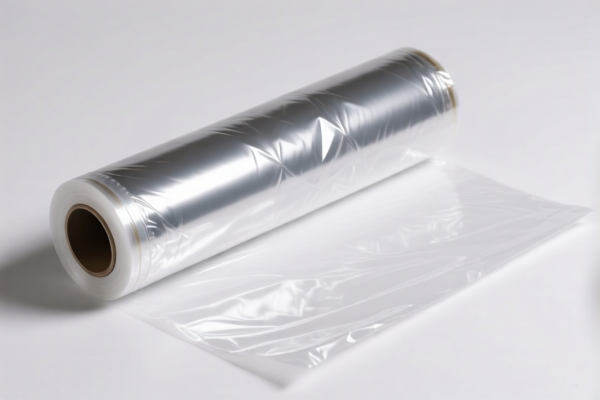
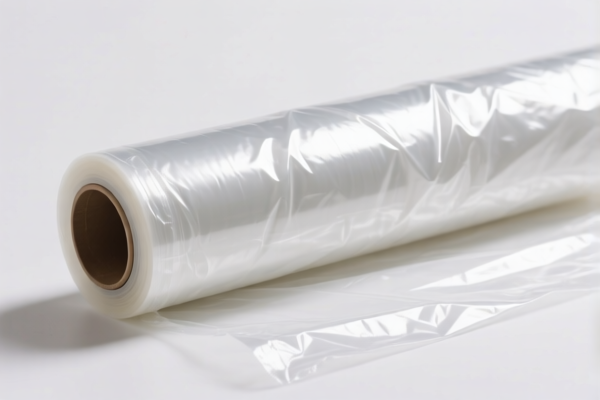
AI分析
🎞️ Color Negative Film Emulsion Raw Materials
🌐 HS Code Reference & Customs Clearance Guide | 2026 Latest Tariff Analysis | Professional Clearance Strategy
📌 I. Product Definition and Classification: Do You Really Understand "Film Emulsion"?
Color Negative Film Emulsion is a complex chemical mixture primarily used in the manufacturing of photographic film. It consists of light-sensitive silver halide crystals suspended in a gelatin matrix, along with color couplers, sensitizers, and other additives. In international trade, its classification depends heavily on its primary function and chemical composition.
The data provides four potential HS Code classifications, ranging from specialized photographic chemicals to general disinfectants and laboratory reagents. The key to accurate classification lies in distinguishing whether the product is explicitly for photographic use or if it falls under broader chemical/biocide categories.
⚠️ Key Distinction Points:
- If the emulsion is specifically formulated for photographic imaging (containing silver halides for image formation) → Chapter 37 applies.
- If the emulsion is primarily a disinfectant/sterilizer in liquid form, without photographic intent → Chapter 38 applies.
- If it is a diagnostic or laboratory reagent (e.g., for testing biological samples) → Chapter 38 applies.
📦 II. HS Code Classification Details (2026 Latest Tariff Authority Comparison)
Based on the provided data, here are the four possible HS Codes, their matching logic, and tax implications for imports from China to the US.
| HS Code | Product Description | Matching Logic & Summary | Total Tax Rate |
|---|---|---|---|
3707.90.60.00 |
Photographic Chemical Preparations | Match Basis: The product contains "Negative Film" (implied by name) and "Emulsion." It fits the material and use requirements for photographic chemicals (not elsewhere specified). | 35.0% |
3808.59.40.00 |
Insecticides, Rodenticides, Fungicides, Herbicidess, Biocides for Protecting Wood, Paints or Other Coatings, Disinfectants | Match Basis: Matches the use (Biocide/Sterilizer) and form (Emulsion/Preparation). No material conflict. | 40.0% |
3822.19.00.80 |
Diagnostic or Laboratory Reagents | Match Basis: The name "Emulsion" indicates a liquid chemical form. "Biocide" fits the chemical reagent category under "Other" non-solid, non-specific antigen/antiserum liquid reagents. | 10.0% |
3822.19.00.30 |
Diagnostic or Laboratory Reagents | Match Basis: Categorized as "Diagnostic or Laboratory Reagents." Inferentially, functional components (biocide/emulsion) fit the substance attributes of "containing antigens or antisera" (other chemical reagents), with no material conflict. | 10.0% |
3808.94.50.95 |
Other Pesticides, Insecticides, Rodenticides, Fungicides, Herbicidess, Biocides for Protecting Wood, Paints or Other Coatings, Disinfectants | Match Basis: Use (Biocide) matches; form (Liquid/Emulsion preparation) matches disinfectant/biocidal preparations; not excluded as alcohol-based or peroxide-based. | 40.0% |
🔍 Critical Reminder:
- Chapter 37 (3707.90.60.00) is the most specific for photographic emulsions. If the product is truly for making film, this is the correct choice.
- Chapter 38 categories (3808,3822) are for biocidal or diagnostic uses. If the "emulsion" is actually a cleaning/sterilizing solution for labs or surfaces, these codes apply.
- Misclassification Risk: Declaring a photographic chemical as a generic disinfectant (3808) to seek lower taxes (if any) or vice versa can lead to significant penalties.
💰 III. 2026 Latest Tariff Rate Breakdown (Including Additional Taxes & Policy Surcharges)
✅ Applicable Country: United States (US)
✅ Country of Origin: China (CN)
✅ Effective Date: From November 10, 2025 (for subsequent imports)
🎯 1. 3707.90.60.00 —— Photographic Chemical Preparations
| Item | Content |
|---|---|
| Base Tariff | 0.0% (ad valorem) |
| Section 301 Tariff (USITC) | +25.0% |
| Section 122 Tariff (IEEPA) | +10.0% (Targeting China/HK products) |
| Total Tariff Rate | 35.0% |
| Tax Calculation | CIF Value × 35% |
| De Minimis Exemption | ❌ Not Eligible |
| Legal Basis Path | IEEPA:122 → USITC:301 → HS:3707.90.60.00 |
📌 Explanation:
- "Base Tariff 0%" is standard for most photographic chemicals under HTSUS.
- "Section 301 (25%)" is the major US-China trade war tariff.
- "Section 122 (10%)" is an additional levy under the International Emergency Economic Powers Act.
- Total 35% is a moderate-high burden. Precise declaration as "Photographic Chemical" is crucial to avoid being miscategorized into higher-tariff industrial chemicals.
🎯 2. 3808.59.40.00 & 3808.94.50.95 —— Biocides/Disinfectants (Emulsion Form)
| Item | Content |
|---|---|
| Base Tariff | 5.0% (ad valorem) |
| Section 301 Tariff (USITC) | +25.0% |
| Section 122 Tariff (IEEPA) | +10.0% |
| Total Tariff Rate | 40.0% |
| Tax Calculation | CIF Value × 40% |
| De Minimis Exemption | ❌ Not Eligible |
| Legal Basis Path | IEEPA:122 → USITC:301 → HS:3808.59.40.00 / 3808.94.50.95 |
📌 Note:
- These codes apply if the emulsion is classified as a biocide or disinfectant.
- The total rate is 40%, which is 5% higher than the photographic code.
- Warning: Do not choose this code unless the product is explicitly for sterilization/disinfection purposes, not photography.
🎯 3. 3822.19.00.80 & 3822.19.00.30 —— Diagnostic/Laboratory Reagents
| Item | Content |
|---|---|
| Base Tariff | 0.0% (ad valorem) |
| Section 301 Tariff (USITC) | 0.0% |
| Section 122 Tariff (IEEPA) | +10.0% |
| Total Tariff Rate | 10.0% |
| Tax Calculation | CIF Value × 10% |
| De Minimis Exemption | ❌ Not Eligible |
| Legal Basis Path | IEEPA:122 → HS:3822.19.00.80 / 3822.19.00.30 |
📌 Analysis:
- This is the lowest tariff option (10%).
- However, it is only applicable if the product is strictly a diagnostic or laboratory reagent (e.g., used for testing, analysis, or medical diagnostics).
- Risk: If the product is a photographic emulsion, declaring it as a "diagnostic reagent" is misclassification and can lead to severe customs penalties, back taxes, and seizure. Use this code only if the product's primary function is diagnostic/lab testing.
🛠️ IV. Customs Clearance Practical Advice (Pitfall Avoidance Guide)
✅ 1. Required Documentation Checklist
| Document | Must Provide | Description |
|---|---|---|
| ✅ Product Specification Sheet | ✔️ | Detailed composition: Silver halide type, gelatin content, couplers, solvents. |
| ✅ Intended Use Statement | ✔️ | Clear statement: "For manufacturing color negative film" OR "For laboratory sterilization" OR "For diagnostic testing." |
| ✅ Safety Data Sheet (SDS) | ✔️ | Must match the declared HS Code. If declared as "Photographic Chemical," SDS should not highlight "Highly Toxic Biocide" as primary hazard. |
| ✅ Commercial Invoice | ✔️ | Accurate description: "Color Negative Film Emulsion, Chemical Composition for Photographic Use." |
| ✅ Certificate of Origin | ✔️ | Required for Section 301/122 tariff determination. |
✅ 2. Declaration Strategy (Key Mantra)
🔥 “Function Determines Code, Form is Secondary, Name Must Match Purpose!”
| Scenario | Correct Declaration | Wrong Action | Consequence |
|---|---|---|---|
| True Photographic Emulsion | 3707.90.60.00 (35%) |
Declare as 3822 (10%) |
Misclassification! High penalty risk, audit, back taxes. |
| Sterilizing Solution (Emulsion) | 3808.59.40.00 or 3808.94.50.95 (40%) |
Declare as 3707 (35%) |
Possible, but 3808 is safer if no photographic intent. |
| Lab Diagnostic Kit Liquid | 3822.19.00.80 (10%) |
Declare as 3707 (35%) |
Overpayment, but less risky than underpayment. |
✅ 3. Special Case Handling
| Situation | Handling Advice |
|---|---|
| Multi-purpose Emulsion | If used for both photography and disinfection, declare based on primary commercial use. Provide dual-purpose documentation. |
| Raw Material vs. Finished Product | Ensure the description matches "Raw Material for Film" not "Finished Film." Finished film has different HS codes (e.g., 3702). |
| High Chemical Content | If the emulsion contains high levels of hazardous chemicals, ensure SDS compliance with US EPA/TSCA regulations to avoid detention. |
🌍 V. Global Market Comparison (2026 Latest)
| Country/Region | Recommended HS Code | Tariff (China Origin) | Certification Requirements | Notes |
|---|---|---|---|---|
| 🇺🇸 USA | 3707.90.60.00 |
35% (if photographic) | TSCA Compliance, SDS | Section 301 + 122 apply. |
| 🇪🇺 EU | 3707 90 00 | ~6.5% (Standard MFN) | REACH Registration | No US-style 301/122 tariffs. |
| 🇨🇳 China | 3707 90 60 | 0% (Import) | N/A | Low import duty for raw materials. |
| 🇯🇵 Japan | 3707 90 00 | ~5.5% | PFCL Law (if applicable) | Standard tariff. |
📌 Conclusion:
- The US is the most expensive market for these materials due to additional tariffs (35%-40%).
- EU and Japan offer significantly lower tariffs (~5-7%), making them more cost-effective for re-export or local use.
- Accurate Classification is Critical: The difference between 10% and 40% is huge, but misclassification carries high legal risks.
📌 VI. Common Mistakes & Pitfall Guide (Lessons Learned)
❌ Mistake 1: Declaring photographic emulsion as "General Chemical Liquid"
👉 Consequence: HS Code ambiguity, potential re-classification by CBP, delay in clearance.
❌ Mistake 2: Using 3822 (10%) for photographic emulsion to save taxes
👉 Consequence: Misclassification Penalty. CBP may audit past shipments, impose duties + interest + fines.
❌ Mistake 3: Ignoring the "Section 122" 10% tariff
👉 Consequence: Underpayment. Remember, even with 0% base tariff, the 10% + 25% (or 0% + 10%) still applies.
✅ Correct Practice:
“Color Negative Film Emulsion, Silver Halide Based, for Photographic Film Manufacturing, Not for Diagnostic Use.”
🎯 VII. Conclusion: Professional Declaration, Cost Optimization, Compliance!
🎯 Remember the Mantra:
🔹 "Photographic Emulsion = 3707 (35%);
🔹 "Diagnostic/Lab Reagent = 3822 (10%);
🔹 "Biocide/Disinfectant = 3808 (40%);
🔹 "Wrong Code = Penalty + Delay!"**🔹 "HS Code Determines Life and Death, Tariff Difference is Critical, One Step Wrong, Thousands Lost!"
📌 Pro Tip:
If your emulsion is produced in Vietnam, Mexico, Thailand, or Malaysia, you may apply for IEEPA Exemptions or lower tariffs under USMCA/ASEAN agreements.
It is highly recommended to apply for an Advance Ruling from US Customs and Border Protection (CBP) before shipment to confirm the HS Code.
📣 Immediate Action:
📞 Contact a professional customs broker + Provide Product Specs + Apply for HS Code Advance Ruling
🚀 Ensure your Color Negative Film Emulsion clears customs smoothly, efficiently, and profitably!
✨ Professional Customs Clearance Starts with Accurate Classification!
💼 Every cent of your cost deserves precise calculation!
用户评价
关于 HS 编码归类
协调制度(HS)是由世界海关组织(WCO)制定的国际贸易商品分类标准。全球 200 多个国家采用 HS 系统作为海关关税、贸易统计和进出口监管的基础。
每个 HS 编码遵循以下层级结构:
- 章(2 位)——商品大类(例如:第 84 章:机器和机械设备)
- 品目(4 位)——章内的更具体分类
- 子目(6 位)——国际通用细分,所有 WCO 成员国统一使用
- 本国细分(8-10 位)——各国自行扩展的细分编码,如美国 HTSUS 10 位编码
正确的 HS 编码归类对于顺利通关、准确缴纳关税和遵守贸易法规至关重要。错误归类可能导致海关延误、多缴关税或罚款。
从CN进口到US时,适用的关税税率可能包括:
- 最惠国(MFN)税率——适用于 WTO 成员国的标准关税税率
- 普通税率——适用于无贸易协定国家
- 贸易救济关税——附加关税,如 301 条款(反倾销)、232 条款(国家安全)或反补贴税
本页内容仅供参考。如需正式归类,请咨询当地海关或持牌报关代理。