Colored Film (Low Particulate)
CN → US| HS编码 | 关税税率 | 原产国 | 目的国 | 文档 |
|---|---|---|---|---|
| 3921905050 | 39.8% | CN | US | 官方文档 |
| 3920991000 | 41.0% | CN | US | 官方文档 |
| 3920992000 | 39.2% | CN | US | 官方文档 |
| 9001200000 | 35.0% | CN | US | 官方文档 |
| 3921904090 | 39.2% | CN | US | 官方文档 |
商品图片
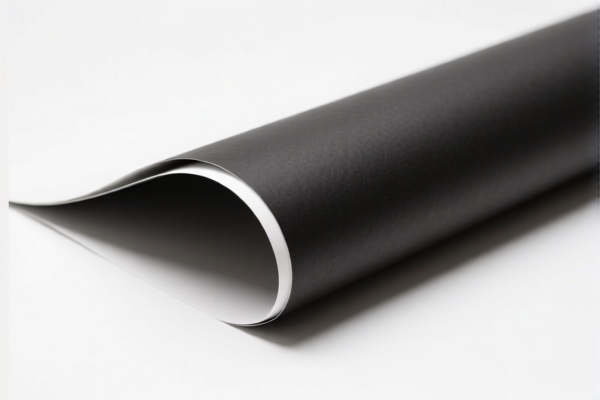
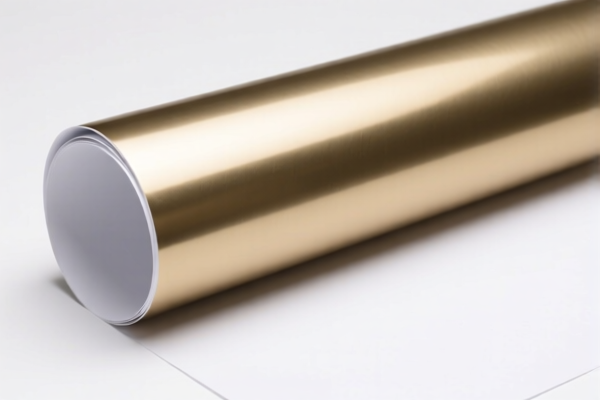


AI分析
🎨 Colored Film (Low Particulate) – HS Code Analysis & U.S. Customs Clearance Guide | 2026 Tariff Deep Dive
🌐 HS Code Reference & Clearance Strategy | Latest Tariff Rules | Professional Compliance Guide
📌 Product Focus: Colored Film (Low Particulate)
"Colored Film" with "Low Particulate" specifications typically refers to plastic films or sheets used in industrial, packaging, optical, or coating applications where material purity is critical. The term "Low Particulate" suggests a high-grade manufacturing process, often used in cleanroom environments, semiconductor packaging, or high-end optical laminates.
However, without explicit mention of "optical functional properties" (like polarization, light filtering, or specific refractive indices), customs authorities default to classifying such items under Plastic Articles rather than specialized optical instruments.
Below is the detailed breakdown of potential HS Codes, tax implications (specifically for US imports from China), and clearance advice based on the provided data.
📦 1. HS Code Classification Matrix
| HS Code | Product Description | Key Matching Logic | Estimated Total Tax |
|---|---|---|---|
| 3921.90.50.50 | Other plates, sheets, film, foil and strip, of plastics | Form Match: "Film" → Plastic sheet/film. Logic: Classified as "Other" plastic film. No conflict with material. |
39.8% |
| 3920.99.10.00 | Other plates, sheets, film, etc., of plastics, non-cellular, non-reinforced | Material/Shape: "Film" = Plastic; Form: Sheet/Film. Logic: Fits "Other" category as thickness/lamination details are unspecified. |
41.0% |
| 3920.99.20.00 | Other plates, sheets, film, etc., of plastics, non-cellular, non-reinforced | Material/Shape: "Film" = Plastic; Form: Sheet/Film. Logic: Basic consistency with "Other plastic plates/sheets/films." |
39.2% |
| 9001.20.00.00 | Plates, sheets, and film of hardened or chemical wood, cellulose, etc., polarized | Special Function: Matches "Film" + "Low Saturation" (interpreted as optical property). Logic: If the film has polarizing properties or specific optical functions, it may move here. |
35.0% |
| 3921.90.40.90 | Other plates, sheets, film, foil and strip, of plastics | Form/Attribute: "Colored" falls under general attributes of plastic films. Logic: Inferred as plastic based on common sense; fits "Other" category. |
39.2% |
⚠️ Critical Distinction:
- If the film is purely plastic (packaging, industrial sheeting, colored plastic wrap): Use HS Codes under 3920 or 3921.
- If the film has optical functionality (e.g., polarized film for LCDs, light-diffusing film): Consider HS Code 9001.20.00.00.
- "Low Particulate" is a quality specification, not a functional one. It does not change the HS code unless it implies a specific medical or semiconductor-grade optical use.
💰 2. 2026 U.S. Tariff Rate Breakdown (China-Origin)
For imports from China (CN) to the United States (US), the following tariff structure applies based on the provided data. Note that all rates include Base Duty, Section 301 Add-on Tariff (25%), and Section 122 IEEPA Tariff (10%).
🎯 Option A: Plastic Film Classification (HS Codes 3920/3921)
These are the most likely classifications for standard colored plastic films.
1. HS Code: 3921.90.50.50
| Item | Details |
|---|---|
| Base Duty | 4.8% |
| Section 301 Add-on | 25.0% |
| Section 122 (IEEPA) | 10.0% |
| Total Effective Tax Rate | 39.8% |
| Calculation | CIF Value × 39.8% |
| De Minimis Exemption | ❌ Not Eligible (Value > $800 threshold is irrelevant; these goods are subject to additional duties) |
2. HS Code: 3920.99.10.00
| Item | Details |
|---|---|
| Base Duty | 6.0% |
| Section 301 Add-on | 25.0% |
| Section 122 (IEEPA) | 10.0% |
| Total Effective Tax Rate | 41.0% |
| Calculation | CIF Value × 41.0% |
| De Minimis Exemption | ❌ Not Eligible |
3. HS Code: 3920.99.20.00
| Item | Details |
|---|---|
| Base Duty | 4.2% |
| Section 301 Add-on | 25.0% |
| Section 122 (IEEPA) | 10.0% |
| Total Effective Tax Rate | 39.2% |
| Calculation | CIF Value × 39.2% |
| De Minimis Exemption | ❌ Not Eligible |
4. HS Code: 3921.90.40.90
| Item | Details |
|---|---|
| Base Duty | 4.2% |
| Section 301 Add-on | 25.0% |
| Section 122 (IEEPA) | 10.0% |
| Total Effective Tax Rate | 39.2% |
| Calculation | CIF Value × 39.2% |
| De Minimis Exemption | ❌ Not Eligible |
🎯 Option B: Optical/Functional Film Classification (HS Code 9001)
If the film is confirmed to be polarized or has specific optical properties (e.g., for displays, sensors, or medical imaging), this code may apply.
5. HS Code: 9001.20.00.00
| Item | Details |
|---|---|
| Base Duty | 0.0% |
| Section 301 Add-on | 25.0% |
| Section 122 (IEEPA) | 10.0% |
| Total Effective Tax Rate | 35.0% |
| Calculation | CIF Value × 35.0% |
| De Minimis Exemption | ❌ Not Eligible |
🔍 Key Insight:
- HS Code 9001.20.00.00 offers the lowest total tariff (35%) compared to standard plastic films (39.2%–41.0%).
- However, this classification requires proof of optical/functional use (e.g., polarized film for LCD panels). Simply being "colored" or "low particulate" is not sufficient to claim this rate.
- Misclassification here can lead to severe penalties, audits, or liquidated damages.
🛠️ 3. Customs Clearance Recommendations
✅ 1. Documentation Checklist (Mandatory for US Import)
| Document | Requirement | Purpose |
|---|---|---|
| Commercial Invoice | Must clearly state: "Colored Plastic Film, Low Particulate, [Thickness]mm, [Material] PET/PP/PE" | Identifies product and HS code basis |
| Product Specification Sheet | Detail: Material type, thickness, width, length, color, particulate count standards (e.g., ISO Class), intended use | Proves material and quality specs |
| Certificate of Origin (CO) | Required for Section 301 & 122 Tariff application | Confirms China origin |
| Bill of Lading (B/L) | Standard shipping document | Cargo details |
| Functionality Proof (If claiming HS 9001) | Technical datasheet showing optical properties (polarization, transmission, refractive index) | Critical for lower tax rate |
| FCC/CE Certification (If applicable) | If film is part of an electronic device or used in cleanrooms | Regulatory compliance |
✅ 2. Strategic Classification Advice
| Scenario | Recommended HS Code | Why? | Risk Level |
|---|---|---|---|
| Standard Colored Plastic Film (e.g., for packaging, labeling, industrial shielding) | 3920.99.20.00 or 3921.90.50.50 |
Matches "Plastic Film" definition. No optical function claimed. | 🟢 Low (Standard) |
| High-Purity Optical Film (e.g., polarized film for LCDs, light diffusers) | 9001.20.00.00 |
Lowest tax (35%). But requires strict proof of optical function. | 🟡 Medium (Audit Risk) |
| Unclear/General Purpose Film | 3921.90.40.90 |
Safe "Other" classification if specifics are unknown. | 🟢 Low (Conservative) |
⚠️ Warning:
- Do NOT claim9001.20.00.00unless the film has verified optical functionality. "Low Particulate" is a cleanliness standard, not an optical feature.
- If audited, CBP will demand technical data. Failure to provide it will result in reclassification to 39xx codes + back taxes + penalties.
✅ 3. Cost Optimization Tips
- Compare Tax Rates:
- If the film is plastic-based,
3920.99.20.00(39.2%) is the most cost-effective among standard options. -
If the film is optical/polarized,
9001.20.00.00(35%) saves ~4–6% compared to plastic films. -
Supply Chain Diversification:
- Consider sourcing from Vietnam, Thailand, or Mexico to avoid Section 301 (25%) and Section 122 (10%) tariffs.
-
Example: Same plastic film from Vietnam may incur only base duty (0–4%), reducing total cost significantly.
-
Pre-Immigration Review:
- Submit an Advance Ruling Request to CBP if the product is borderline (e.g., is it "plastic" or "optical"?). This provides legal certainty.
🌍 4. Global Market Comparison (2026)
| Country | HS Code | Base Duty | Additional Duties (China) | Total Est. | Notes |
|---|---|---|---|---|---|
| 🇺🇸 USA | 3920.99.20.00 | 4.2% | +35% (301+122) | 39.2% | High tariff burden |
| 🇺🇸 USA | 9001.20.00.00 | 0% | +35% (301+122) | 35.0% | Only if optical |
| 🇪🇺 EU | 3920.99.00 | 0–4% | None | ~4% | No Section 301 |
| 🇨🇳 China | 3920.99.00 | 0–5% | None | ~5% | Domestic production |
| 🇯🇵 Japan | 3920.99.00 | 0–5% | None | ~5% | FTAs available |
📌 Conclusion:
- The US market imposes the highest barriers due to Section 301 and 122 tariffs.
- EU, Japan, and China have significantly lower duties.
- If exporting to the US, optimize HS Code selection and consider supply chain shifts.
📌 5. Common Pitfalls & How to Avoid Them
❌ Pitfall 1: Misclassifying as "Optical" without Proof
👉 Result: CBP rejects 9001.20.00.00, reclassifies to 39xx, and charges back duties + penalties.
✅ Fix: Only use 9001 if you have test reports showing polarization, light transmission, or specific optical properties.
❌ Pitfall 2: Ignoring "Low Particulate" in Documentation
👉 Result: Customs may question the product's identity, causing delays.
✅ Fix: Clearly state "Low Particulate" in the invoice and spec sheet to justify high quality and specific use (e.g., cleanroom).
❌ Pitfall 3: Using Vague Descriptions
👉 Result: "Colored Film" is too generic. CBP may assign the highest duty rate or require a ruling.
✅ Fix: Use precise language: "PET Colored Plastic Film, 50 microns, Low Particulate, for Industrial Packaging."
🎯 Final Recommendation
-
If the film is standard plastic (packaging, industrial):
→ Use3920.99.20.00(39.2% total tax).
→ Ensure invoice clearly states "Plastic Film." -
If the film is optical (polarized, light-filtering):
→ Use9001.20.00.00(35% total tax).
→ Attach technical datasheets proving optical function. -
For cost savings:
→ Consider sourcing from non-China countries to avoid the 35% add-on tariffs.
📌 Pro Tip:
"Specify the material, prove the function, and choose the right code. One small change in description can save thousands in duties!"
📞 Contact a licensed customs broker to apply for an Advance Ruling if your product is unique or borderline. This ensures compliance and cost predictability.
✨ Clearance Success Starts with Precision!
💼 Protect Your Margins with Accurate HS Coding!
用户评价
关于 HS 编码归类
协调制度(HS)是由世界海关组织(WCO)制定的国际贸易商品分类标准。全球 200 多个国家采用 HS 系统作为海关关税、贸易统计和进出口监管的基础。
每个 HS 编码遵循以下层级结构:
- 章(2 位)——商品大类(例如:第 84 章:机器和机械设备)
- 品目(4 位)——章内的更具体分类
- 子目(6 位)——国际通用细分,所有 WCO 成员国统一使用
- 本国细分(8-10 位)——各国自行扩展的细分编码,如美国 HTSUS 10 位编码
正确的 HS 编码归类对于顺利通关、准确缴纳关税和遵守贸易法规至关重要。错误归类可能导致海关延误、多缴关税或罚款。
从CN进口到US时,适用的关税税率可能包括:
- 最惠国(MFN)税率——适用于 WTO 成员国的标准关税税率
- 普通税率——适用于无贸易协定国家
- 贸易救济关税——附加关税,如 301 条款(反倾销)、232 条款(国家安全)或反补贴税
本页内容仅供参考。如需正式归类,请咨询当地海关或持牌报关代理。