Colored Film UV Film
CN → US| HS编码 | 关税税率 | 原产国 | 目的国 | 文档 |
|---|---|---|---|---|
| 3921904090 | 39.2% | CN | US | 官方文档 |
| 3921905050 | 39.8% | CN | US | 官方文档 |
| 3920591000 | 41.0% | CN | US | 官方文档 |
| 3920992000 | 39.2% | CN | US | 官方文档 |
| 3919905060 | 40.8% | CN | US | 官方文档 |
商品图片
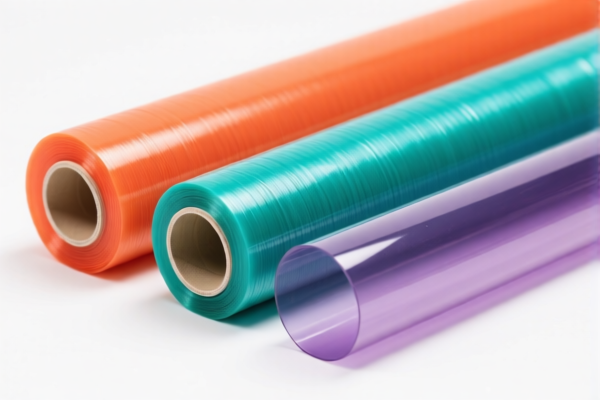
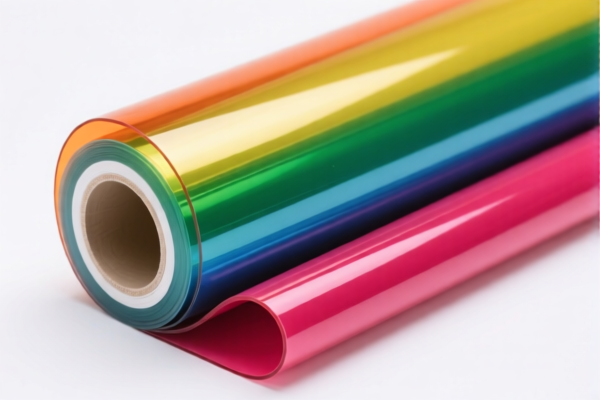
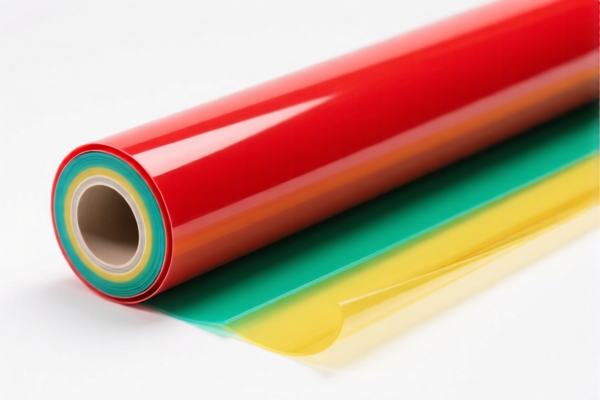

AI分析
🎨 Colored Film & UV Protection Film (彩印薄膜 & 抗紫外线膜)
🌐 HS Code Reference & Customs Clearance Guide | 2026 Latest Tariff Analysis | Professional Customs Strategy
📌 1. Product Definition & Classification: Do You Really Understand "Colored Plastic Film"?
Colored films and UV-protective films are essential materials in high-end packaging, signage, and industrial applications. In international trade, these are categorized under Chapter 39 (Plastics and Articles Thereof), specifically focusing on Plates, Sheets, Film, Foil, and Strip.
The classification depends heavily on the material composition (e.g., general plastic vs. acrylic) and surface treatment (e.g., printing vs. UV coating).
⚠️ Key Distinction:
- General Plastic Films (PET, PE, PP, etc.) for printing → Typically classified under 3921 or 3920.
- Acrylic/Related Polymers → Classified under 3920.
- UV-Resistant/Functional Films → Classified under 3919 (Self-adhesive) or specific sub-headings for treated films.
📦 2. HS Code Classification Details (2026 Latest Tariff Authority Match)
Based on the provided data, here are the specific HS Codes for your "Colored Film" and "UV Film" products:
| HS Code | Product Description (Summary) | Material Type | Key Feature | Total Tax Rate |
|---|---|---|---|---|
3921.90.40.90 |
Colored printing film | Plastic (General) | Printing Ready | 39.2% |
3921.90.50.50 |
Colored printing film | Plastic (General) | Printing Ready | 39.8% |
3920.59.10.00 |
Colored printing film | Acrylic or Related Polymers | Acrylic Base | 41.0% |
3920.99.20.00 |
Colored printing film | Other Plastic | General Plastic | 39.2% |
3919.90.50.60 |
Colored dye film, UV resistant | Plastic | UV Protection | 40.8% |
🔍 Critical Note:
- 3921 vs. 3920:3920is for "Other plates, sheets... of plastics, non-cellular" (often rigid or specific polymers like acrylic).3921is for "Other plates, sheets... of plastics" (often more flexible or general purpose).
- Acrylic Penalty: Acrylic-based films (3920.59.10.00) carry the highest base duty (6.0%), leading to a 41.0% total rate.
- UV Functionality: UV-resistant films (3919.90.50.60) are treated as specialized functional films, attracting a higher base duty (5.8%).
💰 3. 2026 Latest Tariff Rate Breakdown (Including Surtaxes & Policy Surcharges)
✅ Applicable Country: United States (US)
✅ Country of Origin: China (CN)
✅ Effective Date: November 10, 2025 (and subsequent imports)
🎯 1. 3921.90.40.90 & 3921.90.50.50 —— Colored Printing Film (General Plastic)
| Item | Detail |
|---|---|
| Base Duty | 4.2% (3921.90.40.90) / 4.8% (3921.90.50.50) |
| Section 301 Surtax | +25.0% (Added by US Trade Act Section 301) |
| Section 122 Surtax | +10.0% (Specific policy surcharge) |
| Total Effective Rate | 39.2% (3921.90.40.90) / 39.8% (3921.90.50.50) |
| Calculation | CIF Value × Total Rate |
| De Minimis Exemption | ❌ Not Eligible (High surtaxes disqualify low-value shipments from de minimis benefits) |
| Legal Basis | USITC:3921.90.40.90 → FOOTNOTE:301 → SECTION:122 |
📌 Explanation:
- These films are considered "general plastic sheets/films."
- The 301 surtax of 25% is the dominant cost driver.
- The slight difference between 39.2% and 39.8% is due to the different base duties (4.2% vs 4.8%).
🎯 2. 3920.59.10.00 —— Colored Printing Film (Acrylic/Related Polymers)
| Item | Detail |
|---|---|
| Base Duty | 6.0% (Higher than general plastic) |
| Section 301 Surtax | +25.0% |
| Section 122 Surtax | +10.0% |
| Total Effective Rate | 41.0% |
| Calculation | CIF Value × 41.0% |
| De Minimis Exemption | ❌ Not Eligible |
| Legal Basis | USITC:3920.59.10.00 → FOOTNOTE:301 → SECTION:122 |
📌 Explanation:
- Acrylic films are often perceived as higher-value or more specialized materials, hence the higher base rate.
- This is the highest tax bracket in the provided dataset. Consider if the product can be technically classified under a different plastic type to reduce costs.
🎯 3. 3920.99.20.00 —— Colored Printing Film (Other Plastic)
| Item | Detail |
|---|---|
| Base Duty | 4.2% |
| Section 301 Surtax | +25.0% |
| Section 122 Surtax | +10.0% |
| Total Effective Rate | 39.2% |
| Calculation | CIF Value × 39.2% |
| De Minimis Exemption | ❌ Not Eligible |
| Legal Basis | USITC:3920.99.20.00 → FOOTNOTE:301 → SECTION:122 |
🎯 4. 3919.90.50.60 —— Colored Dye Film, UV Resistant
| Item | Detail |
|---|---|
| Base Duty | 5.8% |
| Section 301 Surtax | +25.0% |
| Section 122 Surtax | +10.0% |
| Total Effective Rate | 40.8% |
| Calculation | CIF Value × 40.8% |
| De Minimis Exemption | ❌ Not Eligible |
| Legal Basis | USITC:3919.90.50.60 → FOOTNOTE:301 → SECTION:122 |
📌 Explanation:
- UV Resistance is a functional feature. If the film is self-adhesive, it falls under Chapter 3919.
- The base duty is 5.8%, which is higher than general plastics (4.2-4.8%) but lower than acrylics (6.0%).
🛠️ 4. Customs Clearance Practical Advice (Real-World Pitfall Guide)
✅ 1. Documentation Checklist (All Required)
| Document | Mandatory? | Purpose |
|---|---|---|
| ✅ Product Specification Sheet | ✔️ | Must clearly state: Material (PET/PP/Acrylic), Thickness, Coating (UV/Printing). |
| ✅ Formula/Material Safety Data Sheet (MSDS) | ✔️ | To confirm chemical composition, especially if "Acrylic" is claimed. |
| ✅ Commercial Invoice | ✔️ | Must specify "Plastic Film for Printing" or "UV Resistant Film". Do NOT use vague terms like "Plastic Sheet". |
| ✅ Packing List | ✔️ | Detail roll diameter, length, weight. |
| ✅ Photos of Product & Label | ✔️ | Show the roll core, edge cuts, and any printed text indicating UV protection. |
| ✅ Certificate of Origin (CO) | ✔️ | Required for determining Section 301 applicability. |
✅ 2. Declaration Tips (Key Strategy)
🔥 "Material Determines Rate, Function Determines Subheading!"
| Scenario | Correct Declaration | Wrong Declaration | Consequence |
|---|---|---|---|
| Generic Colored Film | "Plastic Film, PET, for Printing" | "Plastic Wrap" or "Bag" | Misclassification → Audit Risk |
| Acrylic Film | "Acrylic Resin Film, for Display" | "Plastic Film" | Base duty jumps from 4.2% to 6.0% |
| UV Film | "UV Resistant Plastic Film, Colored" | "Colorful Plastic" | May miss the "UV" feature, leading to dispute over functionality |
| Self-Adhesive Film | "Self-Adhesive Plastic Film" | "Film" | Must use 3919 codes, not 3920/3921 |
✅ 3. Special Case Handling
| Situation | Recommendation |
|---|---|
| Mixed Materials | If the film has multiple layers (e.g., PET + UV Coating), declare as the primary material or use the "most significant material" rule. |
| Custom UV Coating | If the UV coating is applied after import, declare as "Base Film" (lower duty). If applied before, declare as "UV Film" (higher duty). |
| Low Value Shipment | Despite low value, Section 301 (25%) and Section 122 (10%) apply. De Minimis (Section 321) does NOT exempt these surtaxes. Plan for full duty payment. |
| Origin Tracing | Ensure the plastic resin is indeed from China. If the resin is from Vietnam but processed in China, consult on Rules of Origin to avoid 301 tariffs. |
🌍 5. Global Market Comparison (2026 Update)
| Country/Region | Recommended HS Code | Est. Duty (CN Origin) | Key Certification | Note |
|---|---|---|---|---|
| 🇺🇸 USA | 3921.90.40.90 / 3919.90.50.60 |
39.2% - 41.0% | None specific, but accurate HS is critical | High Surcharge Zone |
| 🇪🇺 EU | 3920.51 / 3920.62 |
~5% - 7% | REACH Compliance | No Section 301 |
| 🇨🇳 China | 3920.51 / 3921.90 |
~4.2% - 6.0% | CCC (if applicable) | Low Base Duty |
| 🇯🇵 Japan | 3920.51 / 3921.90 |
~5.0% | JIS Standard | No High Surtaxes |
📌 Conclusion:
The US market is extremely costly for Chinese-origin plastic films due to the 35% cumulative surtax (25% + 10%).
For other markets, focus on REACH (EU) and chemical compliance.
📌 6. Common Errors & Pitfalls (Lessons Learned)
❌ Error 1: Calling "UV Film" just "Plastic Film"
👉 Result: Customs may classify it as generic plastic (3921) instead of functional film (3919), or vice versa, leading to misdeclaration penalties.
❌ Error 2: Ignoring the "Acrylic" content
👉 Result: If the film contains acrylic, declaring it as "General Plastic" (3921) when it should be 3920 leads to an underpayment of base duty, triggering audits and back taxes.
❌ Error 3: Assuming De Minimis applies to Low-Value Shipments
👉 Result: Many importers assume shipments under $800 are tax-free. This is FALSE for Section 301 and 122 goods. You must pay the ~39-41% duty even on small samples.
✅ Correct Practice:
"Colored Polyethylene Terephthalate (PET) Film, 0.1mm, for Digital Printing, UV-Coated, Roll Form"
🎯 7. Conclusion: Precision in Classification Saves Money!
🎯 Key Takeaways:
🔹 Acrylic = Higher Duty (41%). Check if you can use PET/PP alternatives. 🔹 UV Function = Specific Code (40.8%). Declare clearly to avoid disputes. 🔹 No De Minimis Exemption: Plan cash flow for ~40% duty, even for small orders. 🔹 Documentation is Key: Spec sheets must match HS code descriptors exactly.
📌 Pro Tip:
If your film is produced in Vietnam or Thailand (and meets Rules of Origin), you may exempt the Section 301 (25%) and Section 122 (10%) surtaxes, reducing the total rate to just the Base Duty (4-6%).
Recommendation: Consider supply chain diversification if volume is high.
📣 Immediate Action:
📞 Request Pre-Ruling: Submit your film samples and specs to a customs broker for an Advance Ruling.
📄 Label Clearly: Ensure commercial invoices explicitly state "Plastic Film" and "Material Composition."
✨ Customs Clearance Starts with Accurate Classification!
💼 Every Percentage Point in Duty Counts—Optimize Your HS Code Today!
用户评价
关于 HS 编码归类
协调制度(HS)是由世界海关组织(WCO)制定的国际贸易商品分类标准。全球 200 多个国家采用 HS 系统作为海关关税、贸易统计和进出口监管的基础。
每个 HS 编码遵循以下层级结构:
- 章(2 位)——商品大类(例如:第 84 章:机器和机械设备)
- 品目(4 位)——章内的更具体分类
- 子目(6 位)——国际通用细分,所有 WCO 成员国统一使用
- 本国细分(8-10 位)——各国自行扩展的细分编码,如美国 HTSUS 10 位编码
正确的 HS 编码归类对于顺利通关、准确缴纳关税和遵守贸易法规至关重要。错误归类可能导致海关延误、多缴关税或罚款。
从CN进口到US时,适用的关税税率可能包括:
- 最惠国(MFN)税率——适用于 WTO 成员国的标准关税税率
- 普通税率——适用于无贸易协定国家
- 贸易救济关税——附加关税,如 301 条款(反倾销)、232 条款(国家安全)或反补贴税
本页内容仅供参考。如需正式归类,请咨询当地海关或持牌报关代理。