Colored Polyester Foil
CN → US| HS编码 | 关税税率 | 原产国 | 目的国 | 文档 |
|---|---|---|---|---|
| 3920992000 | 39.2% | CN | US | 官方文档 |
| 3920591000 | 41.0% | CN | US | 官方文档 |
| 3921904090 | 39.2% | CN | US | 官方文档 |
| 3921905050 | 39.8% | CN | US | 官方文档 |
商品图片
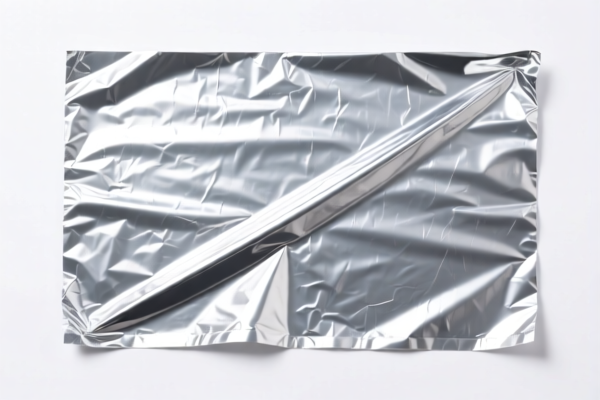
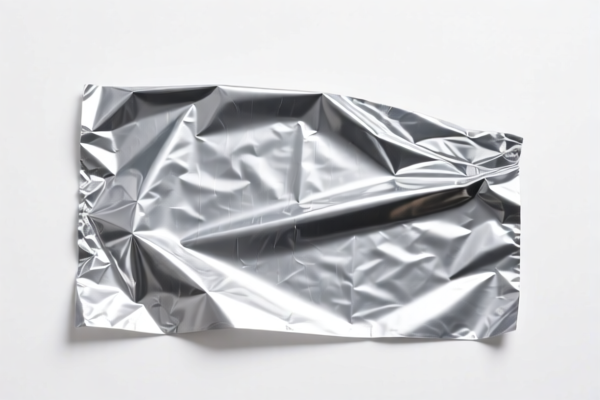
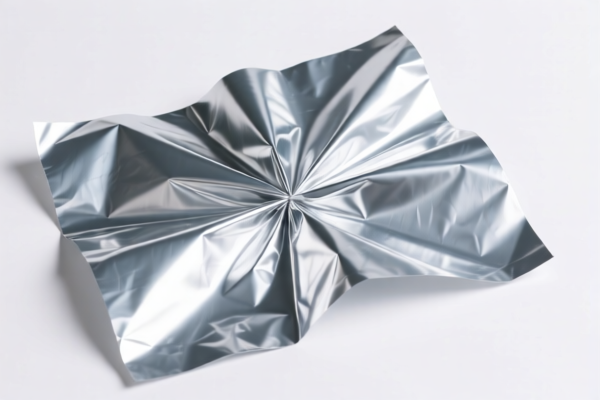

AI分析
🎨 Colored Polyester Foil: HS Code Classification & US Customs Clearance Guide (2026)
🌐 HS Code Reference & Customs Clearance Strategy | 2026 Latest Tariff Analysis | Professional Import Guide
📌 I. Product Definition & Classification: What is "Colored Polyester Foil"?
Colored Polyester Foil generally refers to thin films or sheets made from synthetic polymers (primarily Polyester/PET or Acrylic variants) that have been printed, metallized, or coated to achieve specific color effects. In international trade, these are typically classified under Chapter 39 (Plastics and Articles Thereof).
The critical distinction lies in the chemical composition and processing state: 1. Polyester (PET) Base: High clarity, high strength. If unprinted or simply colored during extrusion, it often falls under specific heading codes. 2. Acrylic/Related Polymer Base: Often used for specialized optical properties. 3. Printed vs. Unprinted: * Unprinted/Colored Sheets: Classified as plastic plates, sheets, film, foil, and strip (Heading 3920). * Printed/Prepared for Specific Use: May fall under Heading 3921 (Other plates, sheets, film, foil, and strip, of plastics).
⚠️ Key Classification Distinction:
- If the product is a plain colored film/sheet (even if metallized but not complexly processed for a specific final article), it is usually 3920.
- If it has undergone further processing (e.g., lamination with other materials, specific surface treatment for adhesive backing, or complex printing structure intended for packaging), it may fall under 3921.
- Material Check: Is it strictly "Polyester"? Or is it an "Acrylic" copolymer? This shifts the subheading.
📦 II. HS Code Classification Details (Based on Provided Data)
Note: The following HS Codes are derived strictly from the provided dataset for "Colored Printing Foil/Film".
| HS Code | Summary Description | Material Inference | Form | Total Tax Rate* | Tax Breakdown |
|---|---|---|---|---|---|
| 3920.99.20.00 | Colored printing film, form: film/sheet | Plastic (General) | Film/Sheet | 39.2% | Base: 4.2% + 301 Tariff: 25.0% + Section 122: 10.0% |
| 3920.59.10.00 | Colored printing film, form: film | Acrylic or Related Polymers | Film | 41.0% | Base: 6.0% + 301 Tariff: 25.0% + Section 122: 10.0% |
| 3921.90.40.90 | Colored printing film, form: film | Plastic (General) | Film | 39.2% | Base: 4.2% + 301 Tariff: 25.0% + Section 122: 10.0% |
| 3921.90.50.50 | Colored printing film, form: film | Plastic (General) | Film | 39.8% | Base: 4.8% + 301 Tariff: 25.0% + Section 122: 10.0% |
✅ Applicable Market: United States (US)
✅ Origin: China (CN)
✅ Effective Date: Current Trade Policies (Section 301 & Section 122)
💰 III. 2026 Latest Tariff Rate详解 (Detailed Breakdown)
🎯 1. 3920.99.20.00 —— Plastic Film/Sheet (General Plastic)
Best for standard colored polyester sheets not classified under specific acrylic codes.
| Item | Detail |
|---|---|
| Base Duty Rate | 4.2% (Ad Valorem) |
| Section 301 Tariff | +25.0% (High-risk category for plastics from China) |
| Section 122 Tariff | +10.0% (Additional duty on certain articles) |
| Total Effective Rate | 39.2% |
| De Minimis Exemption? | ❌ NO (Not eligible for $800 de minimis threshold; high duty prevents small parcel relief in most practical clearance scenarios unless specifically structured) |
| Legal Basis Path | USITC:3920.99.20.00 → Footnote 1 (Section 301) → Section 122 Proclamation |
📌 Explanation:
- This code applies to non-foamed plastic films/sheets of materials not specified elsewhere in Heading 3920. - Polyester (PET) often falls here if it doesn't meet the stricter "Acrylic" definition of 3920.59.
🎯 2. 3920.59.10.00 —— Acrylic or Related Polymer Film
Best for high-clarity, optically superior colored films where the polymer is explicitly Acrylic (PMMA) or similar.
| Item | Detail |
|---|---|
| Base Duty Rate | 6.0% |
| Section 301 Tariff | +25.0% |
| Section 122 Tariff | +10.0% |
| Total Effective Rate | 41.0% |
| De Minimis Exemption? | ❌ NO |
| Legal Basis Path | USITC:3920.59.10.00 → Footnote 1 (Section 301) → Section 122 Proclamation |
📌 Explanation:
- Higher Base Rate (6.0%): Acrylics are often considered higher-value optical plastics. - Risk: Misclassifying PET as Acrylic (or vice versa) to seek a lower base rate is a common audit target. Ensure Material Safety Data Sheets (MSDS) confirm composition.
🎯 3. 3921.90.40.90 —— Other Plastic Plates, Sheets, etc.
Applied if the film has undergone significant processing (e.g., lamination, complex surface treatment) making it "Other" than simple sheets.
| Item | Detail |
|---|---|
| Base Duty Rate | 4.2% |
| Section 301 Tariff | +25.0% |
| Section 122 Tariff | +10.0% |
| Total Effective Rate | 39.2% |
| De Minimis Exemption? | ❌ NO |
| Legal Basis Path | USITC:3921.90.40.90 → Footnote 1 (Section 301) → Section 122 Proclamation |
🎯 4. 3921.90.50.50 —— Other Plastic Plates, Sheets, etc. (Specific Variant)
Another "Other" category under 3921, possibly for specific thickness or density variations.
| Item | Detail |
|---|---|
| Base Duty Rate | 4.8% |
| Section 301 Tariff | +25.0% |
| Section 122 Tariff | +10.0% |
| Total Effective Rate | 39.8% |
| De Minimis Exemption? | ❌ NO |
| Legal Basis Path | USITC:3921.90.50.50 → Footnote 1 (Section 301) → Section 122 Proclamation |
🛠️ IV. Customs Clearance Practical Advice (Pitfall Avoidance)
✅ 1. Documentation Checklist (Mandatory)
| Document | Required? | Purpose |
|---|---|---|
| ✅ Material Composition Statement | ✔️ | Critical. Must specify % Polyester vs. Acrylic. Customs will verify against 3920.59.10 vs. 3920.99. |
| ✅ Technical Data Sheet (TDS) | ✔️ | Shows thickness, color, opacity, and processing method (e.g., "Metallized PET" vs. "Printed Acrylic"). |
| ✅ Product Photos | ✔️ | Clear shots of the roll/film, showing any printing or metallization. |
| ✅ Commercial Invoice | ✔️ | Must clearly state "Colored Polyester Film" and not just generic "Plastic Sheet". |
| ✅ Bill of Lading/Air Waybill | ✔️ | Ensure packaging details match invoice. |
✅ 2. Classification Strategy (Key Rules)
🔥 “Material is King, Processing is Queen!”
| Scenario | Correct Classification | Reasoning |
|---|---|---|
| Standard Colored PET Film | 3920.99.20.00 |
Pure plastic, no complex lamination, standard base rate 4.2%. |
| Acrylic/PMMA Based Film | 3920.59.10.00 |
Higher optical value, higher base rate (6.0%). Avoid if not strictly Acrylic. |
| Laminated/Coated Complex Film | 3921.90.40.90 or 3921.90.50.50 |
If multiple layers or special coatings make it "Other" plastic articles, use 3921. |
| Unspecified "Plastic" Film | 3920.99.20.00 |
Safe default for general plastics if material analysis is inconclusive. |
⚠️ Warning:
- Do NOT classify printed foil as "Printing Material" (Chapter 49). It remains Chapter 39 (Plastics) because the substrate is plastic. - Do NOT mislabel Acrylic as General Plastic to save 1.8% (4.2% vs 6.0%). Customs audits often request material tests. If failed, back-duties + penalties apply.
✅ 3. Special Situations
| Situation | Handling Advice |
|---|---|
| Metallized Polyester (VMPET) | Still classified under 3920 if the metallization is thin and doesn't alter the essential character. If metallization is thick/functional (e.g., shielding), it might move to Chapter 85 (Electrical), but for printing foil, 3920/3921 is standard. |
| Rolls vs. Cut Sheets | Classification remains the same. Ensure invoice states "Rolls" or "Sheets" accurately to match the physical shipment. |
| Re-export from Third Country | If transshipped via Vietnam/Malaysia, Origin Still China. US Customs tracks this. Do not attempt false country-of-origin marking; this leads to severe penalties. |
🌍 V. Global Market Comparison (2026)
| Country/Region | Recommended HS Code | Est. Duty Rate | Notes |
|---|---|---|---|
| 🇺🇸 USA | 3920.99.20.00 / 3920.59.10.00 |
39.2% - 41.0% | Includes 301 + 122 tariffs. High barrier. |
| 🇨🇳 China (Import) | 3920.99.20.00 |
~6.5% | Low import duty. No 301 tariffs. |
| 🇪🇺 EU | 3920.59 / 3920.61 (for PET) |
6.5% - 7.2% | No US-style 301 tariffs. Standard MFN rates apply. |
| 🇯🇵 Japan | 3920.59 / 3920.61 |
6.0% - 7.0% | Stable rates. No aggressive surcharges. |
📌 Conclusion:
- The USA is the most expensive market due to Section 301 (25%) and Section 122 (10%). - Consider supply chain diversification (e.g., sourcing from SEA if possible) to mitigate US tariffs, though origin rules are strict.
📌 VI. Common Errors & Pitfalls (Lessons Learned)
❌ Error 1: Classifying as 3920.49 (Polypropylene) when it is Polyester.
👉 Consequence: Audit failure, material mismatch, potential seizure or re-classification penalty.
❌ Error 2: Claiming "De Minimis" ($800) for small samples.
👉 Consequence: Denied. High duty rates (39%+) often disqualify items from de minimis relief depending on current CBP enforcement on Section 301 goods. Small parcels are heavily scrutinized.
❌ Error 3: Ignoring "Section 122" in cost calculations.
👉 Consequence: Underestimating landed cost by 10%. Total tax is not just Base + 301.
✅ Correct Practice:
"Polyester Film, Colored, Metallized, for Printing Use, Width: 1m, Thickness: 12 Microns, Origin: China"
🎯 VII. Conclusion: Professional Classification for Cost Optimization
🎯 Remember the Rule:
🔹 "Polyester = 3920.99 (4.2% Base)"
🔹 "Acrylic = 3920.59 (6.0% Base)"
🔹 "All Pay 35%+ Total Duty in US"🔹 "HS Code Determines Your Margin, Classification Error Costs More Than Duty!"
📌 Pro Tip:
If your "Polyester Foil" has electrical properties (e.g., conductive coating), it might fall under Chapter 85. However, for standard "Colored Printing Foil," stick to Chapter 39.
Recommendation: Request a Pre-Ruling from CBP if importing large volumes. It provides legal certainty and protects against retroactive duty assessments.
📣 Immediate Action:
📞 Consult a Customs Broker with your Technical Data Sheet.
🚀 Calculate Landed Cost including 39.2%~41.0% duty.
✅ Ensure Invoice Description Matches HS Code Description precisely.
✨ Precision in Classification Saves Money in Clearance!
💼 Don't Let High Tariffs Erode Your Profit—Classify Correctly!
用户评价
关于 HS 编码归类
协调制度(HS)是由世界海关组织(WCO)制定的国际贸易商品分类标准。全球 200 多个国家采用 HS 系统作为海关关税、贸易统计和进出口监管的基础。
每个 HS 编码遵循以下层级结构:
- 章(2 位)——商品大类(例如:第 84 章:机器和机械设备)
- 品目(4 位)——章内的更具体分类
- 子目(6 位)——国际通用细分,所有 WCO 成员国统一使用
- 本国细分(8-10 位)——各国自行扩展的细分编码,如美国 HTSUS 10 位编码
正确的 HS 编码归类对于顺利通关、准确缴纳关税和遵守贸易法规至关重要。错误归类可能导致海关延误、多缴关税或罚款。
从CN进口到US时,适用的关税税率可能包括:
- 最惠国(MFN)税率——适用于 WTO 成员国的标准关税税率
- 普通税率——适用于无贸易协定国家
- 贸易救济关税——附加关税,如 301 条款(反倾销)、232 条款(国家安全)或反补贴税
本页内容仅供参考。如需正式归类,请咨询当地海关或持牌报关代理。