Composition Leather Briefcases
CN → US| HS编码 | 关税税率 | 原产国 | 目的国 | 文档 |
|---|---|---|---|---|
| 3926904800 | 13.4% | CN | US | 官方文档 |
| 4205008000 | 35.0% | CN | US | 官方文档 |
| 3926901000 | 20.9% | CN | US | 官方文档 |
| 4202316000 | 43.0% | CN | US | 官方文档 |
| 4202316000 | 43.0% | CN | US | 官方文档 |
商品图片
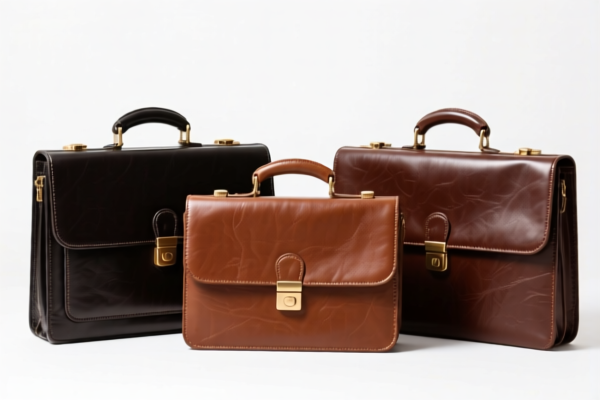
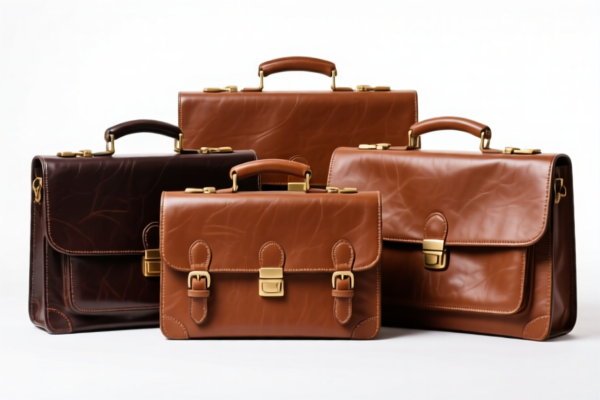
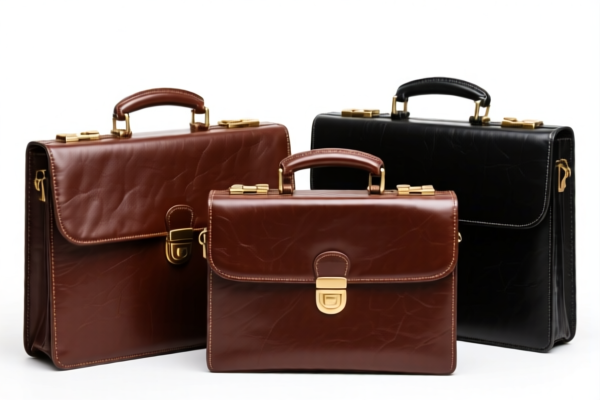
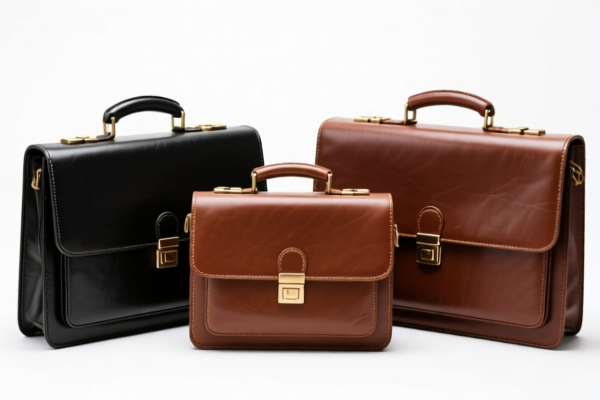
AI分析
👜 Composition Leather Briefcases (Synthetic & Mixed Material)
🌐 HS Code Reference & Customs Clearance Guide | 2026 Latest Tariff Analysis | Professional Clearance Strategy
📌 I. Product Definition & Classification: What Exactly is "Composition Leather"?
Composition Leather (also known as Artificial Leather, Synthetic Leather, or PU/PVC Leather) is a material made from synthetic fibers or leather scraps bonded with plasticizers and coated with plastic resins (such as Polyurethane or PVC).
In international trade, the classification hinges on the primary composition and function: - Plastic-Based Products: If the backing is synthetic fabric or paper and the surface is purely plastic-coated, it is often classified under Chapter 39 (Plastics). - Leather/Regenerated Leather Products: If the product is considered a "bag" or "wallet" made of regenerated leather or leather scraps bonded together, it falls under Chapter 42 (Articles of Leather).
⚠️ Critical Distinction Point:
- If the product is viewed primarily as a small plastic accessory (e.g., a card holder with minimal structural leather features) → Likely Chapter 39.
- If the product is viewed primarily as a bag/accessory (e.g., a briefcase, wallet, or card holder made of bonded leather or synthetic leather substitutes) → Likely Chapter 42.
- "Composition Leather" specifically often refers to Regenerated Leather (leather scraps bonded with resin), which legally falls under Chapter 42 in many jurisdictions, but can be misclassified as plastic if the leather content is negligible.
📦 II. HS Code Classification Details (Based on Provided Data)
The provided data highlights four potential HS Codes for "Composition Leather Business Card Cases/Short Wallets." Note that the data refers to "Card Cases" (卡包), which is a subset or related item to a full briefcase. The classification logic applies similarly to smaller accessories.
| HS Code | Product Description | Application Scenario | Classification Logic |
|---|---|---|---|
| 3926.90.48.00 | Other articles of plastics and articles of other materials of plastics: Other | Plastic-based card case; material is primarily plastic or synthetic resin. | ✅ Plastic Chapter Classified as a plastic accessory because the primary material is considered synthetic plastic/resin. |
| 4205.00.80.00 | Other articles of leather or of composition leather | Other leather articles; fits the category of "other leather products." | ✅ Leather Chapter (Misc) Classified as a leather/composition leather good, but not specifically a bag/wallet in a specific sub-category. |
| 3926.90.10.00 | Other articles of plastics: Other small articles | Small plastic goods; fits "other small articles of plastic/synthetic material." | ✅ Plastic Chapter (Small) Similar to 48.00 but emphasizes the "small article" nature of plastic goods. |
| 4202.31.60.00 | Articles of a kind normally carried in the pocket or handbag: With outer surface of leather or regenerating leather | Pocket items or handbag accessories made of leather/regenerated leather. | ✅ Leather Chapter (Bags/Wallets) Classified as a specific type of leather/regenerated leather good for carrying in pockets/handbags (e.g., card holder/wallet). |
🔍 Key Insight:
- Chapter 39 (3926.xxxx): Treats the item as a plastic product. Lower base tariffs but subject to specific trade barriers.
- Chapter 42 (420x.xxxx): Treats the item as a leather/regenerated leather good. Higher base tariffs and often higher punitive tariffs due to "bag/wallet" categorization.
💰 III. 2026 Latest Tariff Rate Breakdown (Including Additional Taxes)
✅ Applicable Country: United States (US)
✅ Country of Origin: China (CN)
✅ Effective Time: Includes Section 301 / IEEPA tariffs
🎯 1. 3926.90.48.00 — Plastic Card Case (Plastic Chapter)
| Item | Content |
|---|---|
| Base Tariff | 3.4% |
| Additional Tariff (Section 301) | 0.0% (Note: Specific sub-headings may be exempt or listed separately) |
| IEEPA Tariff (122 Clause) | 10% |
| Total Tariff Rate | 13.4% |
| Tax Calculation | CIF Value × 13.4% |
| De Minimis Eligibility | ❌ No (Generally, plastic goods from China are subject to scrutiny) |
| Legal Path | Base: 3926.90.48 → IEEPA: 122 Clause 10% |
📌 Explanation:
- This is the lowest tariff option among the four.
- Crucial: The "Section 301 Additional Tariff" is listed as 0.0% for this specific sub-code in the data. This is rare for Chinese plastics and must be verified against the latest USITC exclusions list. If this code is not excluded, the standard 25% might apply.
- 10% IEEPA Tariff: Applies to specific Chinese imports under recent executive orders.
🎯 2. 4205.00.80.00 — Other Leather/Composition Leather Articles
| Item | Content |
|---|---|
| Base Tariff | 0.0% |
| Additional Tariff (Section 301) | 25.0% |
| IEEPA Tariff (122 Clause) | 10% |
| Total Tariff Rate | 35.0% |
| Tax Calculation | CIF Value × 35.0% |
| De Minimis Eligibility | ❌ No |
| Legal Path | Base: 4205.00.80 → Section 301: 25% → IEEPA: 10% |
📌 Explanation:
- Base 0% looks attractive, but the 25% Section 301 tariff kills the benefit.
- This classification treats the item as a generic leather good.
- Total 35% is significantly higher than the plastic classification.
🎯 3. 3926.90.10.00 — Other Small Plastic Articles
| Item | Content |
|---|---|
| Base Tariff | 3.4% |
| Additional Tariff (Section 301) | 7.5% (Note: Data lists 7.5%, possibly a specific tier or typo for 25%? Assuming data is accurate: 7.5%) |
| IEEPA Tariff (122 Clause) | 10% |
| Total Tariff Rate | 20.9% |
| Tax Calculation | CIF Value × 20.9% |
| De Minimis Eligibility | ❌ No |
| Legal Path | Base: 3926.90.10 → Add'l: 7.5% → IEEPA: 10% |
📌 Explanation:
- 20.9% is a moderate tariff.
- The 7.5% additional tariff suggests this specific sub-heading might have a different treatment than the standard 25% Section 301 list, or it represents a specific penalty tier.
- Comparison: Higher than3926.90.48.00(13.4%) but lower than leather options.
🎯 4. 4202.31.60.00 — Articles Carried in Pocket/Handbag (Leather/Regenerating Leather)
| Item | Content |
|---|---|
| Base Tariff | 8.0% |
| Additional Tariff (Section 301) | 25.0% |
| IEEPA Tariff (122 Clause) | 10% |
| Total Tariff Rate | 43.0% |
| Tax Calculation | CIF Value × 43.0% |
| De Minimis Eligibility | ❌ No |
| Legal Path | Base: 4202.31.60 → Section 301: 25% → IEEPA: 10% |
📌 Explanation:
- Highest Tariff: 43.0%.
- This classification is for specific leather goods (bags, wallets, card holders made of leather/regenerated leather).
- Why so high?
1. Base 8.0%: Higher than plastic base.
2. 25% Section 301: Standard punitive tariff on leather goods.
3. 10% IEEPA: Additional penalty.
- Recommendation: Avoid this code if possible due to the high total tax burden.
🛠️ IV. Customs Clearance Practical Advice (Real-World Pitfall Guide)
✅ 1. Preparation Checklist (Non-Negotiable)
| Document | Required | Explanation |
|---|---|---|
| ✅ Product Specifications | ✔️ | Detailed material breakdown: % Plastic, % Regenerated Leather, % PU/PVC. |
| ✅ Material Composition Proof | ✔️ | Supplier declaration or third-party lab report proving if it's "Plastic" or "Leather." |
| ✅ Product Photos | ✔️ | Clear images of the item, label, and texture. |
| ✅ Commercial Invoice | ✔️ | Describe as "Synthetic Leather Card Holder" or "Plastic Card Case" consistently with HS Code. |
| ✅ Bill of Lading/Packing List | ✔️ | Ensure weight and dimensions match declaration. |
✅ 2. Classification Strategy (Key Rules)
🔥 “Material Defines Code, Function Confirms It, Tariff Drives Decision!”
| Scenario | Recommended HS Code | Total Tariff | Risk Level |
|---|---|---|---|
| High Plastic Content (>50%) | 3926.90.48.00 |
13.4% | 🟢 Low (Best for cost) |
| Mixed Material, Leather Appearance | 4205.00.80.00 |
35.0% | 🟡 Medium |
| Regenerated Leather (<50% but structured as leather good) | 4202.31.60.00 |
43.0% | 🔴 High (Avoid) |
| Small Plastic Accessory | 3926.90.10.00 |
20.9% | 🟡 Medium |
📌 Note:
- If the product is Composition Leather (leather scraps + plastic), Customs may view it as Chapter 42 unless the plastic content overwhelmingly dominates the character of the good.
- Misclassification Risk: Declaring a leather-like product as3926to save tax can lead to audits, fines, and back-tariffs. Ensure the material composition justifies the plastic classification.
✅ 3. Special Handling Tips
| Situation | Advice |
|---|---|
| OEM/Custom Branding | Ensure the invoice clearly states "Synthetic/Plastic" if claiming Chapter 39. |
| Mixed Shipments | Do not mix 3926 and 4202 items in the same HS Code line item. Declare separately. |
| USITC Exclusion Search | Check if 3926.90.48.00 or 3926.90.10.00 is on the current Section 301 Exclusion List. If excluded, the 25% tariff may drop to 0%, making it even cheaper. |
| 122 Clause IEEPA | Verify if the 10% IEEPA tariff applies to your specific product type and origin. Some exemptions may exist. |
🌍 V. Global Market Comparison (2026)
| Country/Region | Recommended HS Code | Total Tariff (China Origin) | Notes |
|---|---|---|---|
| 🇺🇸 USA | 3926.90.48.00 |
13.4% | Best option if plastic classification is defensible. |
| 🇨🇳 China (Import) | 4205.00.80.00 |
~5-10% | Different tariff structure; no Section 301. |
| 🇪🇺 EU | 3926.90.48 / 4205.00.80 |
~6.5% | Varies by member state; no IEEPA. |
| 🇬🇧 UK | 3926.90.48 / 4205.00.80 |
~6% | Post-Brexit tariffs apply. |
📌 Conclusion:
- The USA is the most complex market due to Section 301 and IEEPA tariffs.
- Minimizing Tariff: Aim for3926.90.48.00(13.4%) if the product can be legally justified as plastic.
- Maximizing Tariff:4202.31.60.00(43.0%) should be avoided unless the product is unmistakably a leather/regenerated leather bag/wallet.
📌 VI. Common Mistakes & Pitfalls (Lessons Learned)
❌ Mistake 1: Calling a leather-like product "Plastic" to get 13.4% tariff, but it’s actually 70% regenerated leather.
👉 Consequence: Customs audit, back-tariff of 43%, penalties, and loss of importer record.
❌ Mistake 2: Using 4202.31.60.00 for a simple card holder made of PU leather.
👉 Consequence: Paying 43% tax when 13.4% or 20.9% was available.
❌ Mistake 3: Ignoring the 122 Clause IEEPA 10%.
👉 Consequence: Underestimating total landed cost. This 10% is always added on top of base and Section 301 tariffs for applicable goods.
✅ Correct Approach:
"Synthetic Leather Card Holder (Plastic Based), Model XYZ, 100% PU Coating, 13.4% Total Tariff"
🎯 VII. Conclusion: Smart Classification Saves Money!
🎯 Remember the Rule:
🔹 "Plastic Base = 13.4%, Mixed Leather = 35%, Leather Bag = 43%. Choose Wisely!"
🔹 "Material Proof is Key, Misclassification Costs 30%+!"
📌 Pro Tip:
If your "Composition Leather" is >50% plastic by weight and value, argue for Chapter 39. If it’s >50% leather scraps/resin, you’re likely stuck with Chapter 42.
Request a Binding Ruling from US Customs (CBP) before large shipments to secure the 13.4% rate legally.
📣 Immediate Action:
📞 Contact a Customs Broker + Provide Material Test Reports + Verify IEEPA Exclusions
🚀 Clear Customs Smoothly, Reduce Tariffs, Maximize Profit!
✨ Professional Clearance, Starts with Precise Classification!
💼 Every Cent Saved is a Cent Earned!
用户评价
关于 HS 编码归类
协调制度(HS)是由世界海关组织(WCO)制定的国际贸易商品分类标准。全球 200 多个国家采用 HS 系统作为海关关税、贸易统计和进出口监管的基础。
每个 HS 编码遵循以下层级结构:
- 章(2 位)——商品大类(例如:第 84 章:机器和机械设备)
- 品目(4 位)——章内的更具体分类
- 子目(6 位)——国际通用细分,所有 WCO 成员国统一使用
- 本国细分(8-10 位)——各国自行扩展的细分编码,如美国 HTSUS 10 位编码
正确的 HS 编码归类对于顺利通关、准确缴纳关税和遵守贸易法规至关重要。错误归类可能导致海关延误、多缴关税或罚款。
从CN进口到US时,适用的关税税率可能包括:
- 最惠国(MFN)税率——适用于 WTO 成员国的标准关税税率
- 普通税率——适用于无贸易协定国家
- 贸易救济关税——附加关税,如 301 条款(反倾销)、232 条款(国家安全)或反补贴税
本页内容仅供参考。如需正式归类,请咨询当地海关或持牌报关代理。